Dry FliesBog Fly Variant
The Bog Fly Variant is a dry fly pattern designed by Derrick Rothermel. This effective pattern combines traditional materials with proven techniques for consistent results in a variety of water conditions.
Spring, Summer, Fall
Intermediate
Trout
Feb 2026
Overview
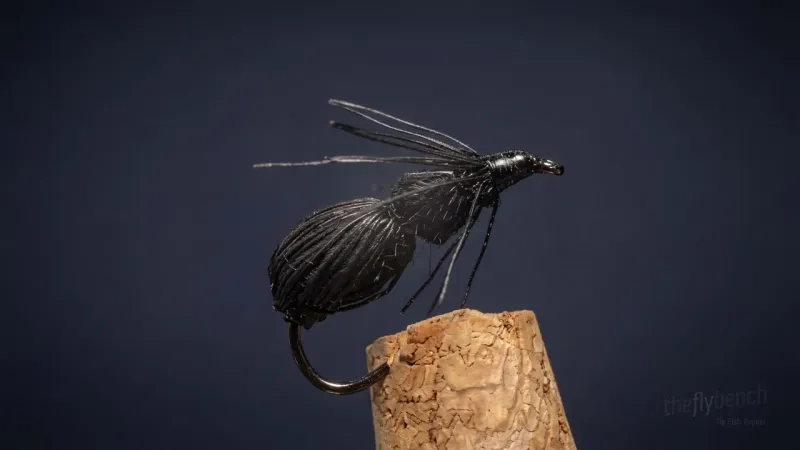
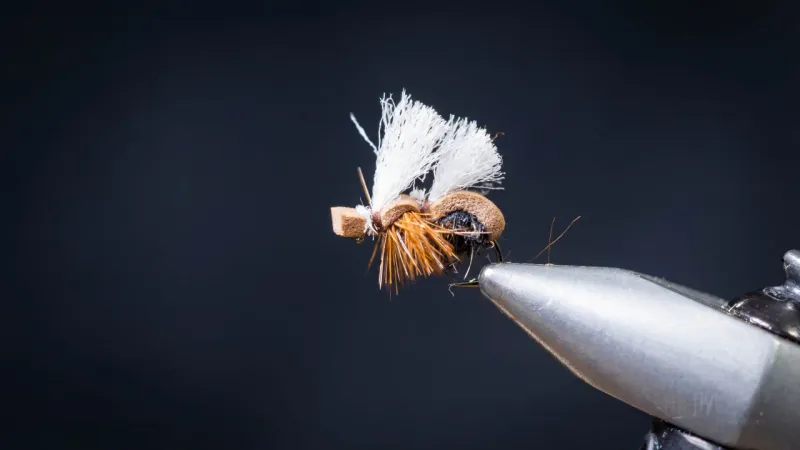
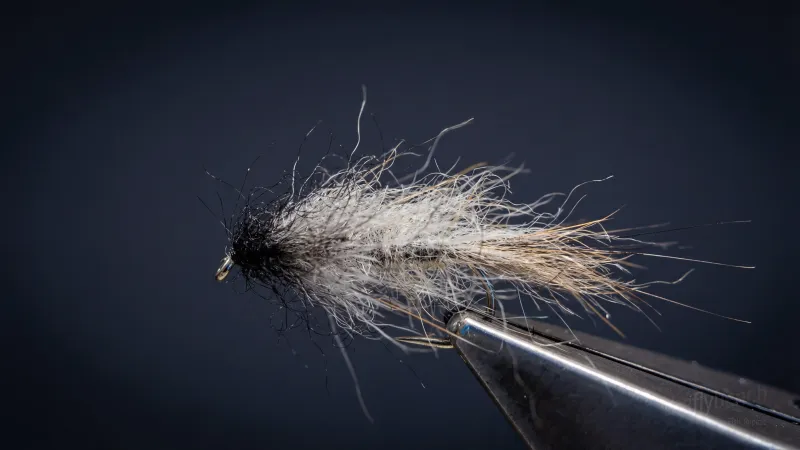
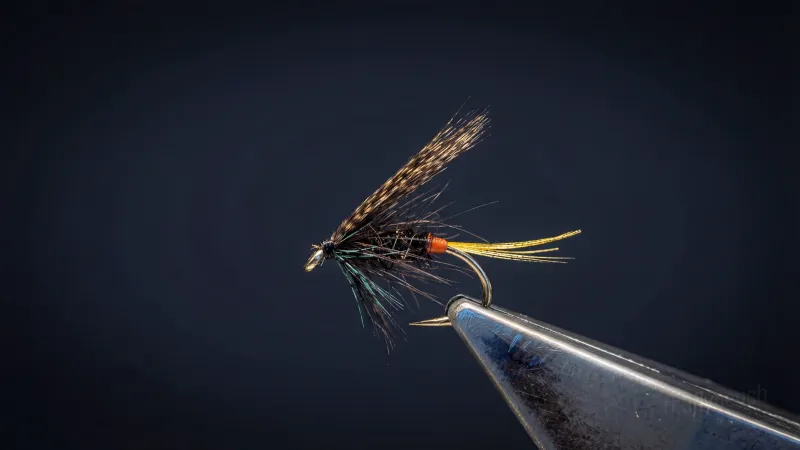
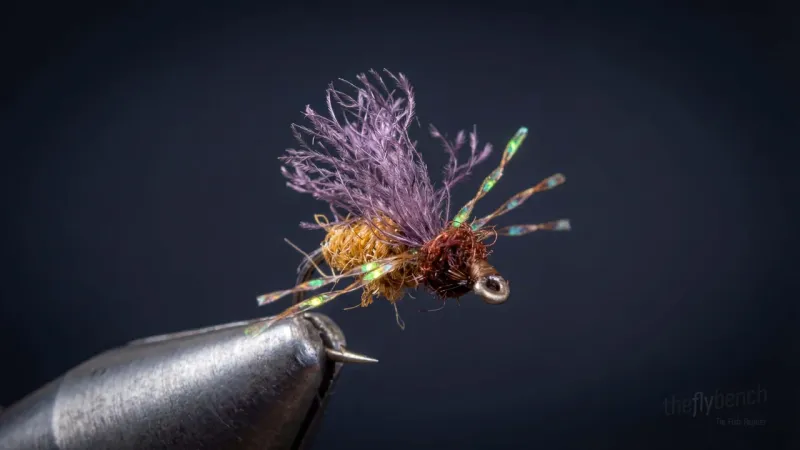
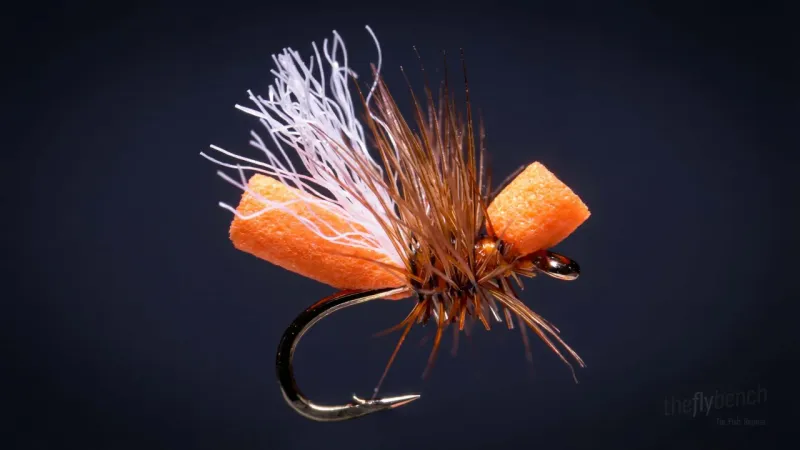
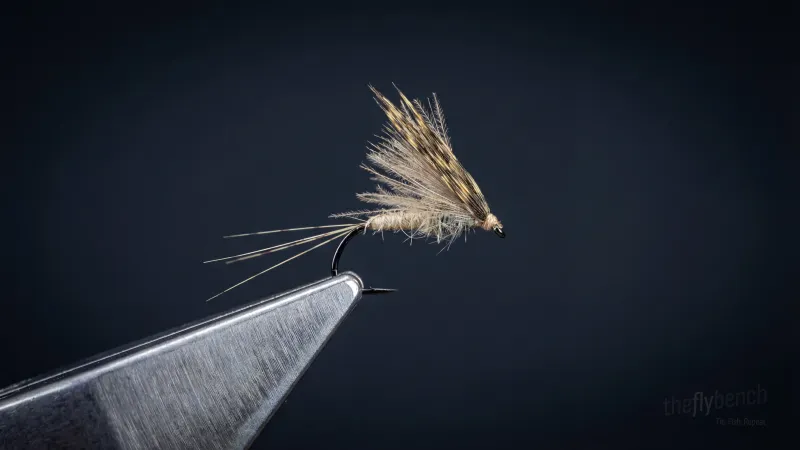
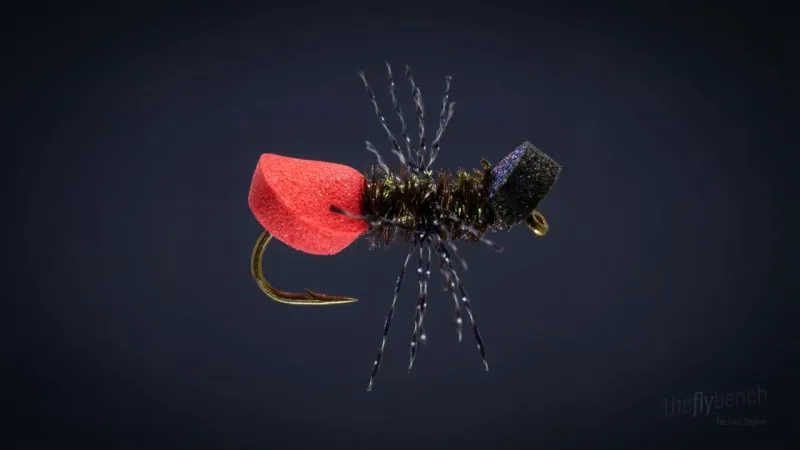
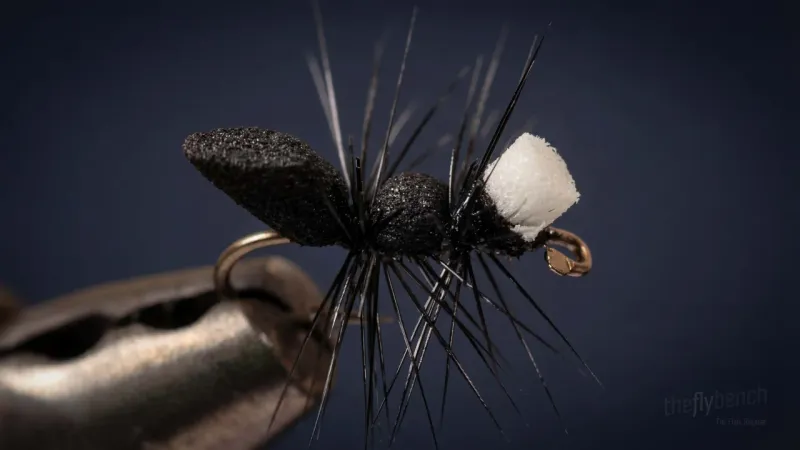
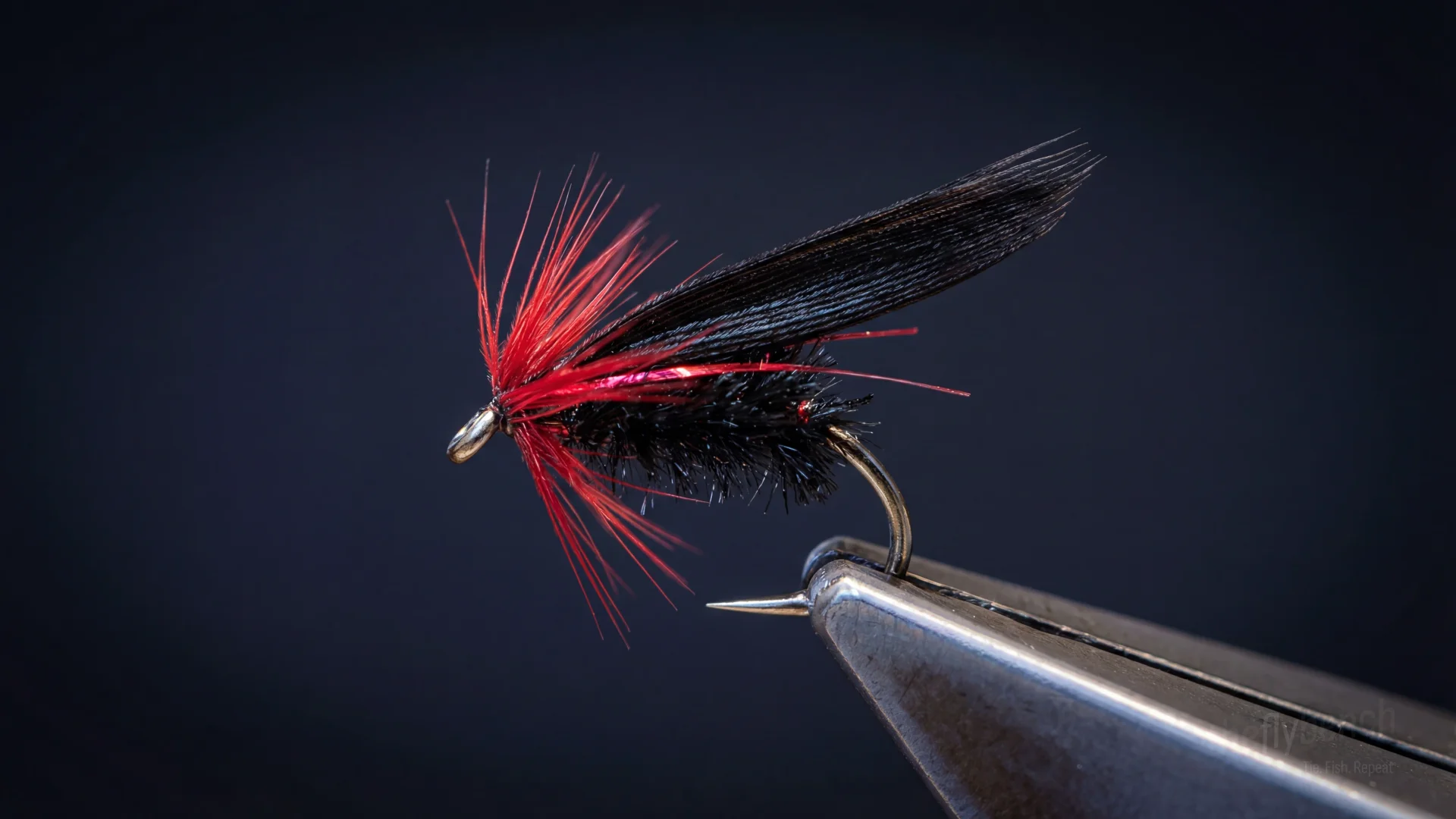
Derrick Rothermel's take on the traditional Bog Fly emphasizes the segmented body typical of terrestrial insects. The pattern features a distinct waist between thorax and abdomen, mimicking the anatomy of ants and beetles that fall from streamside vegetation. The dark coloration and low profile work well during summer and fall when terrestrials become a primary food source, especially along wooded streams and meadow banks.
Where to Buy This Fly
We only link to fly shops we trust. Some links are referral links, which may earn us a commission at no extra cost to you.
Materials
- Hook:
- Kamasan B175 #12-14
- Thread:
- Black
- Rib:
- Clear monofilament
- Body:
- Black ostrich
- Wing:
- Crow or dyed goose
- Cheeks:
- Red 'Krystal Flash' or sub
- Hackle:
- Dyed red hen
Behavior & Presentation
Natural Behavior: Ants march in organized trails along grasses and logs until wind or mishaps send them tumbling onto water where they float helplessly with legs splayed.
Where Trout Eat It: Fish patrol banks beneath ant trails, targeting windfall concentrations in foam lines, eddies, and along undercut structures during warm weather.
How to Fish It: Cast tight to banks and undercuts, let it sit motionless, then add subtle twitches. Focus on foam lines collecting windblown terrestrials.
Best Water: Work bank edges near ant trails, undercut banks beneath vegetation, foam lines in eddies, and seams.
Strike Type: Expect deliberate rises or gentle sips as fish inspect the low-riding terrestrial profile.
Fishing Strategy
Rigging Suggestions: Use a 9-12 foot leader tapering to 5X tippet for delicate presentations. Apply floatant to the body and hackle.
Seasonal Timing: Most effective during peak feeding periods at dawn and dusk. Water temperatures between 45-65°F typically produce best results.
Pro Tips: Focus casts tight to banks and undercuts where ants naturally fall. The variant hackle provides flotation while maintaining the low silhouette ants create on water.
Entomology
Ants march along streamside grasses and logs in organized trails until individuals fall or are blown onto the water, where they float helplessly with legs splayed and struggling. Their sudden appearance in numbers during warm weather windfall events triggers selective feeding as trout learn to watch for these nutrient-dense terrestrials clustered in current seams.
- Order
- Hymenoptera
- Family
- Formicidae
- Common Name
- Ant
- Organism Type
- terrestrial
- Life Stage
- adult