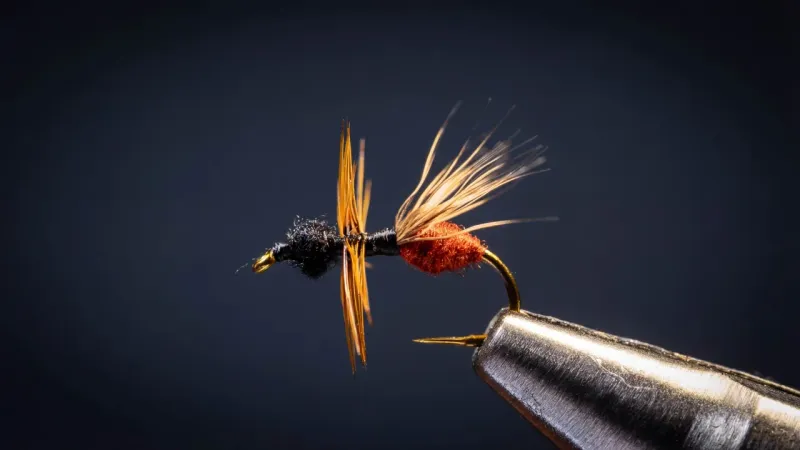
Dry FliesStubby Ant
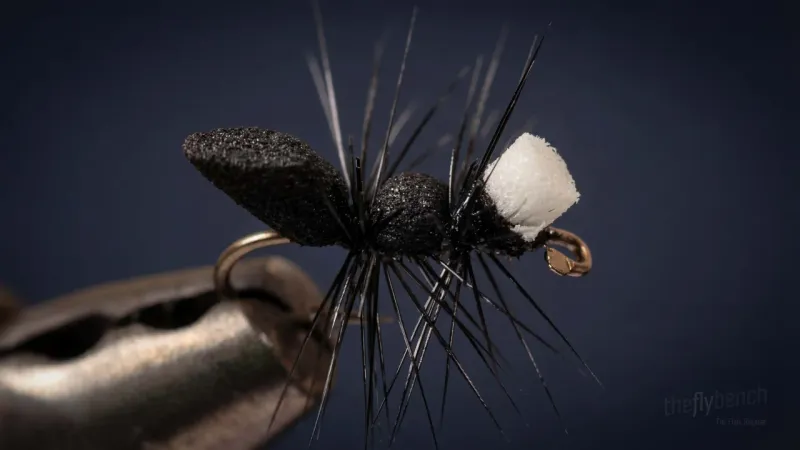
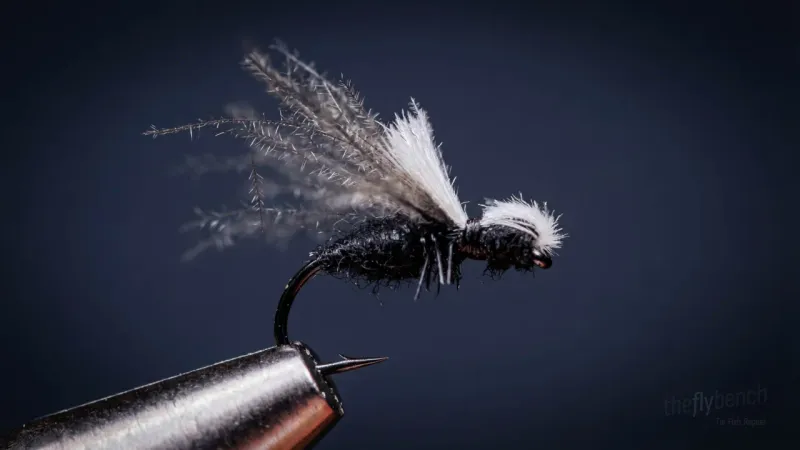
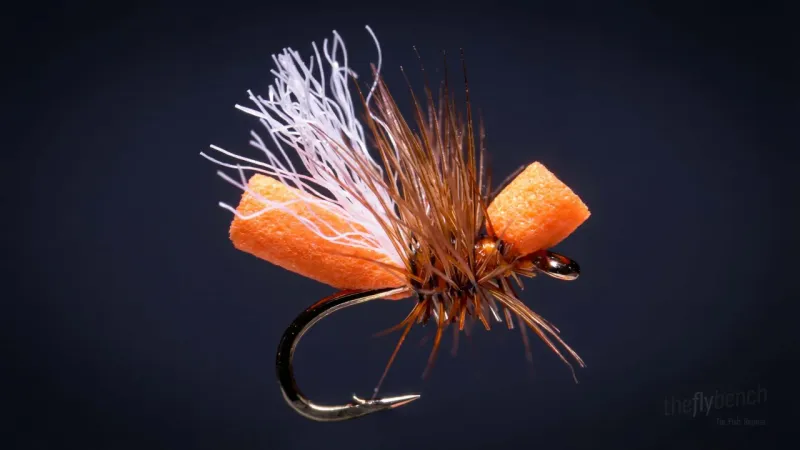
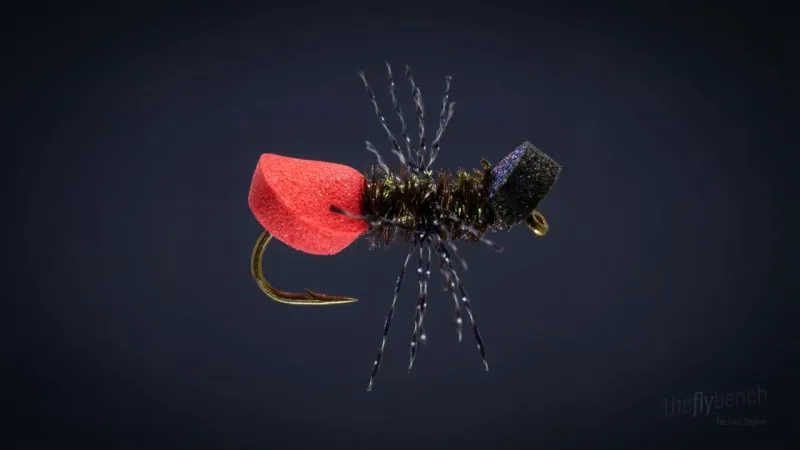
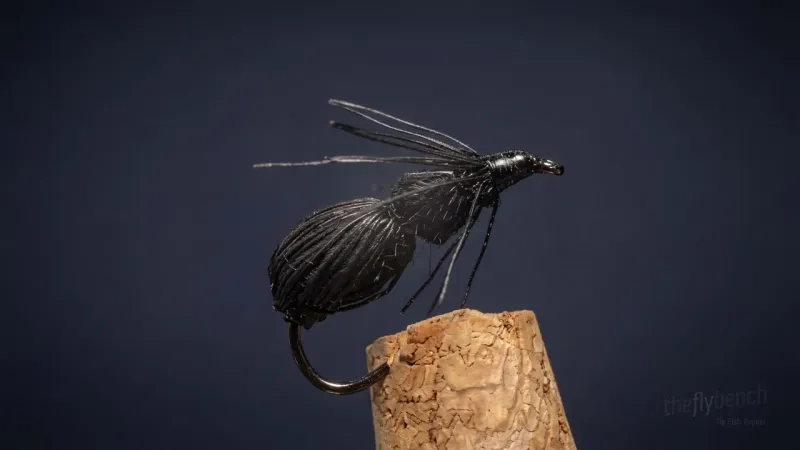
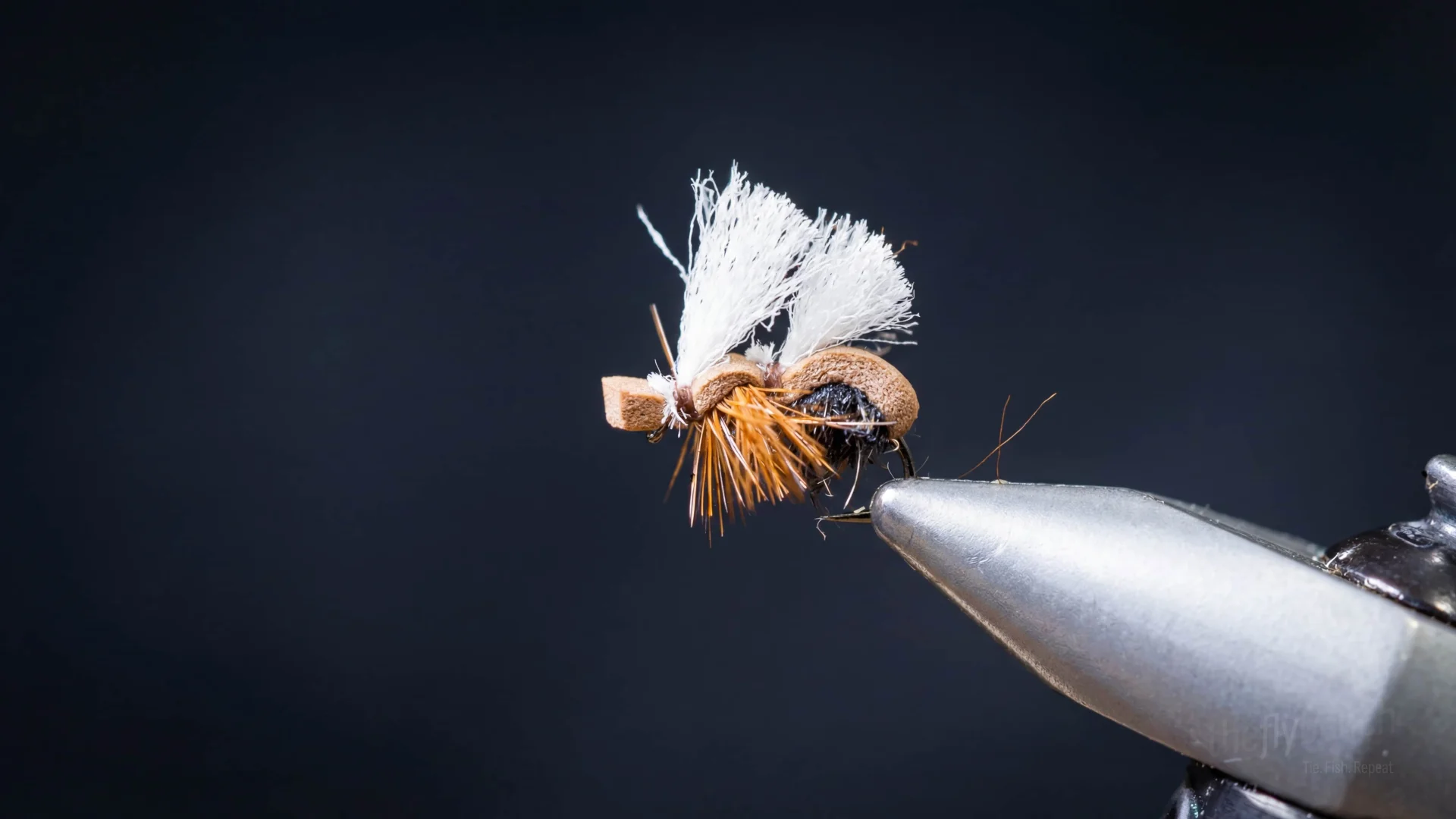
The Stubby Ant is a realistic foam ant pattern that uses the stubby-style hook for an accurate ant profile. The cinnamon foam body with contrasting black and pheasant tail dubbing creates the segmented ant appearance, while the EP fiber wings and brown hackle add movement and visibility. An essential pattern for summer terrestrial fishing.
Summer, Fall
Intermediate
Trout
Dec 2025
Overview
The Stubby Ant was developed at Blue Ribbon Flies using the stubby-style hook that creates a more accurate ant profile than standard hooks. The combination of cinnamon foam with black and pheasant tail dubbing mimics the segmented body of carpenter and other large ants. The foam construction ensures the pattern floats all day.
Materials
Hook: Umpqua XT050 Stubby T, #12-14
Thread: Ultra Thread, 70 denier (8/0), rusty brown
Body: Fly Foam, 2mm, cinnamon
Abdomen Dubbing: Zelon Dubbing, midge black
Thorax Dubbing: Zelon Dubbing, pheasant tail
Hackle: Brown dry fly hackle
Wing: EP Fibers, silver grey
Behavior & Presentation
Natural Behavior: Ants fall from bankside vegetation and struggle on the surface, legs kicking and creating small disturbances. Their compact bodies ride low in the film.
Where Trout Eat It: Fish patrol grassy banks, undercut areas, and foam lines where ants collect. Target near any vegetation overhanging water.
How to Fish It: Cast near banks and vegetation, let it sit motionless, then add occasional twitches. Dead drift through foam lines where wind collects terrestrials.
Best Water: Focus on bank edges with grass, undercut structures beneath trees, foam lines in eddies, and seams collecting terrestrial drift.
Strike Type: Watch for confident rises or deliberate sips as fish inspect the realistic ant profile.
Fishing Strategy
Rigging Suggestions: Fish on 9-12 foot leader with 4X-5X tippet. The foam provides excellent floatation and can support a small dropper nymph if desired.
Seasonal Timing: Most effective from June through October when ants are active. Peak performance during warm afternoons when ant activity is highest.
Pro Tips: Excellent floatation from foam construction. Silver grey wings provide good visibility for the angler.
Entomology
Terrestrial ants struggle in the surface meniscus after falling from bankside vegetation, their compact bodies creating small but distinctive surface disturbances. Trout consume these land insects readily because ants are abundant throughout warm months and provide consistent supplemental nutrition beyond aquatic food sources.
- Order
- Hymenoptera
- Family
- Formicidae
- Common Name
- Ant
- Organism Type
- terrestrial
- Life Stage
- adult