Dry FliesDeer Hair Ant
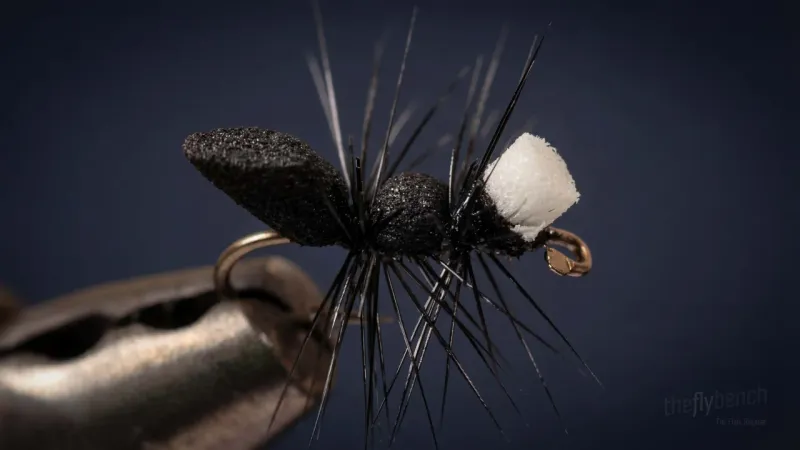
The Deer Hair Ant is a popular terrestrial pattern that trout can't resist. The deer hair body provides excellent floatation, making it great for fishing on the surface during the warmer months when ants are abundant.
Summer
Beginner
Trout
Apr 2025
Overview
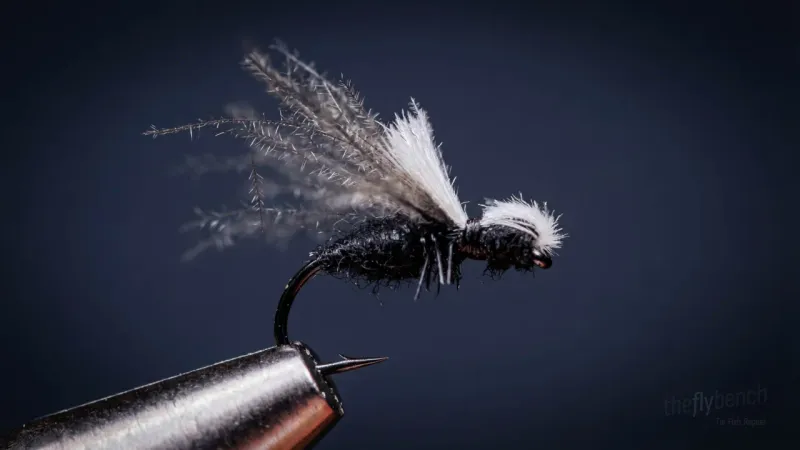
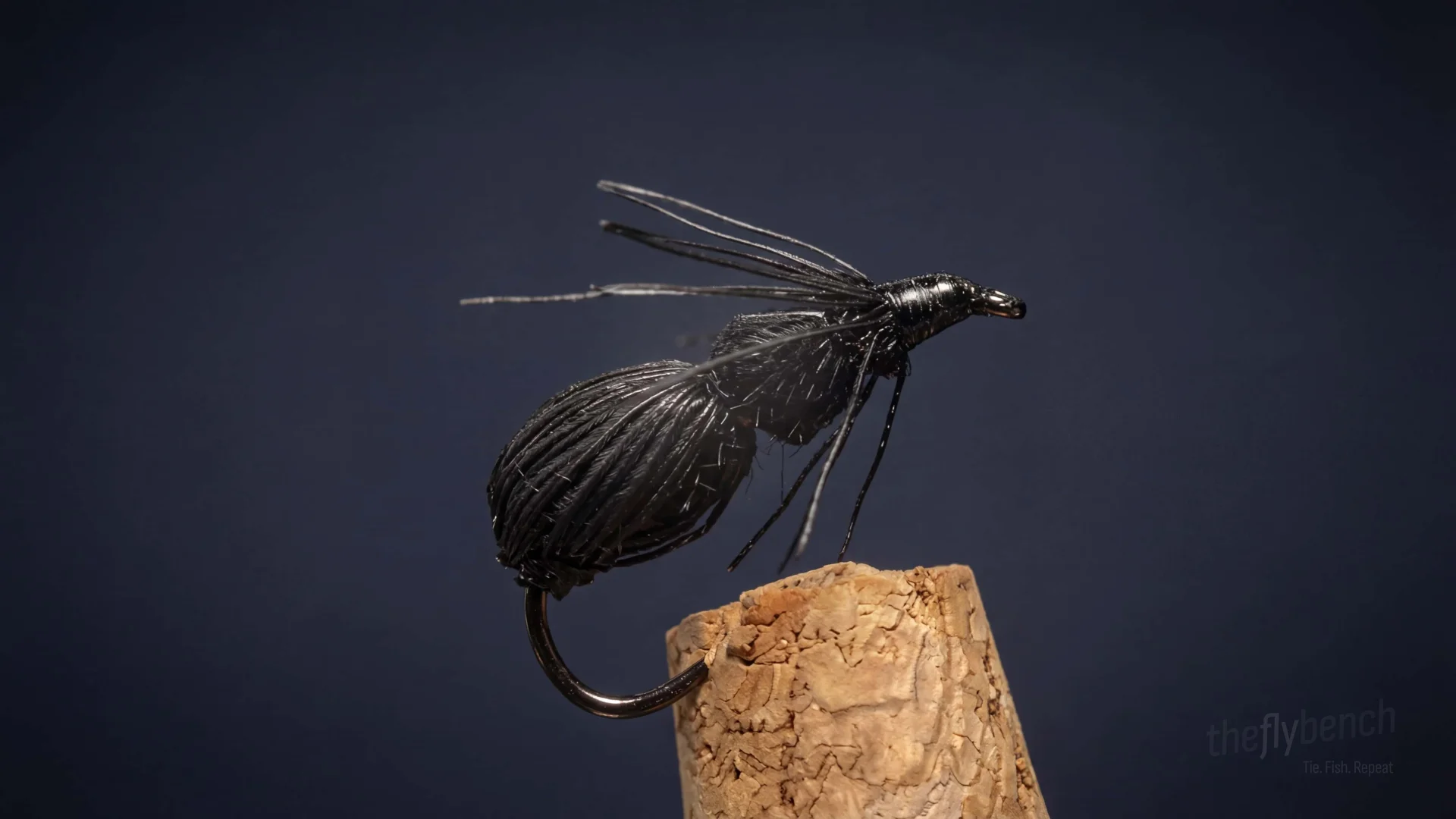
Tied entirely with spun and clipped deer hair in black or cinnamon shades, this ant imitation relies on tightly packed hair to create buoyancy and profile. The segmented body is shaped from two distinct balls of deer hair, making it both visible and unsinkable.
Where to Buy This Fly
We only link to fly shops we trust. Some links are referral links, which may earn us a commission at no extra cost to you.
Materials
- Hook:
- Daiichi 1180, size #14–#18
- Thread:
- Black UTC 70 denier
- Body:
- Stacked deer hair, black
- Wing:
- Deer hair tips, natural
- Head:
- Stacked deer hair, black, clipped to shape
Behavior & Presentation
Natural Behavior: These terrestrials tumble from streamside grasses and trees throughout the day, landing with segmented bodies riding low in surface tension. Their consistent availability during warm months creates selective feeding patterns in midday periods when aquatic hatches subside.
Where Trout Eat It: Trout sip these patterns from the surface film along banks, beneath overhanging vegetation, and in current seams.
How to Fish It: Present with drag-free drift near banks and structure where ants drop onto water.
Best Water: Most effective along banks, undercut structure, seams, and beneath overhanging trees where terrestrials accumulate.
Strike Type: Look for subtle sips, quiet rises, or surface rings during selective feeding.
Fishing Strategy
Rigging Suggestions: Use a floating line and a tapered leader. Can be used alone or in tandem with a nymph or emerger pattern.
Seasonal Timing: or whenever ants are active. In the heat of when ants are most active, especially after a rain when they may be washed into the water.
Pro Tips: The deer hair body makes this fly highly visible and very buoyant. It floats well and can be easily spotted on the water surface.
Entomology
Ants tumble from streamside grasses and trees in surprising numbers during summer, landing on the water with their distinctive segmented bodies riding low in the surface tension. Trout develop a selective feeding pattern on these terrestrials because of their consistent availability from June through September, often sipping them quietly from the film during midday when aquatic hatches have subsided.
- Order
- Hymenoptera
- Family
- Formicidae
- Common Name
- Ant
- Organism Type
- terrestrial
- Life Stage
- adult