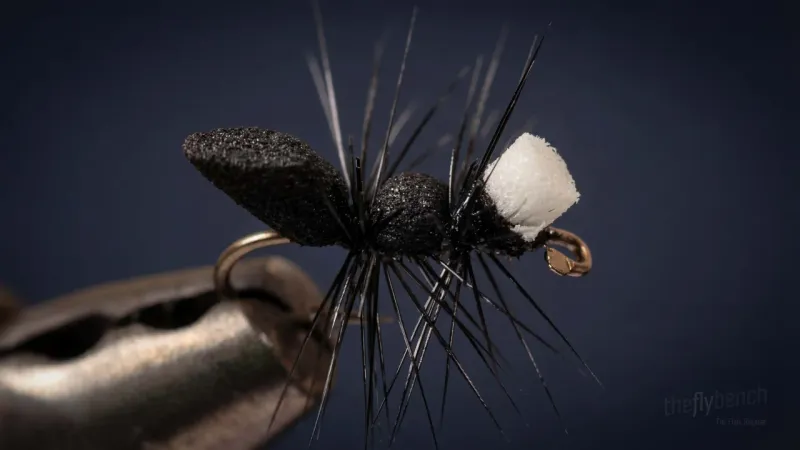
Dry FliesDrymerger Variant
The Drymerger Variant is a dry fly pattern designed by Paul Whillock. This effective pattern combines traditional materials with proven techniques for consistent results in a variety of water conditions.
Spring, Summer, Fall
Intermediate
Trout
Feb 2026
Overview
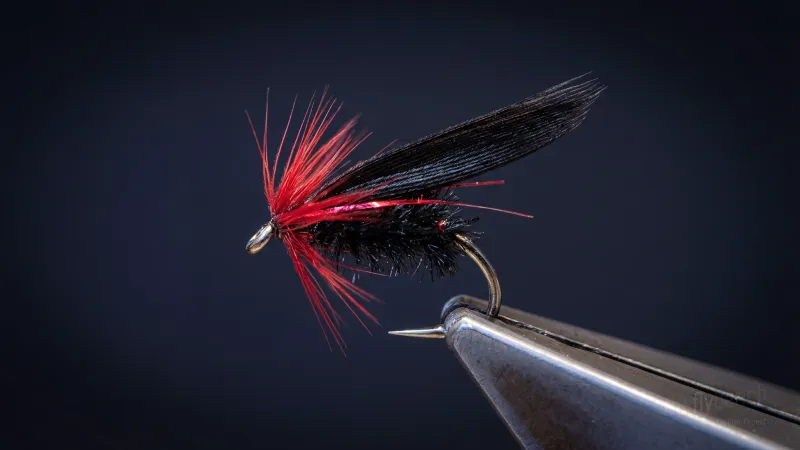
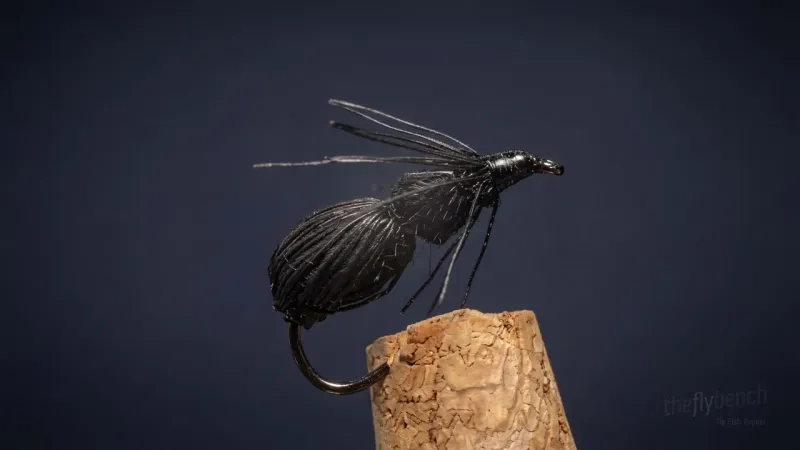
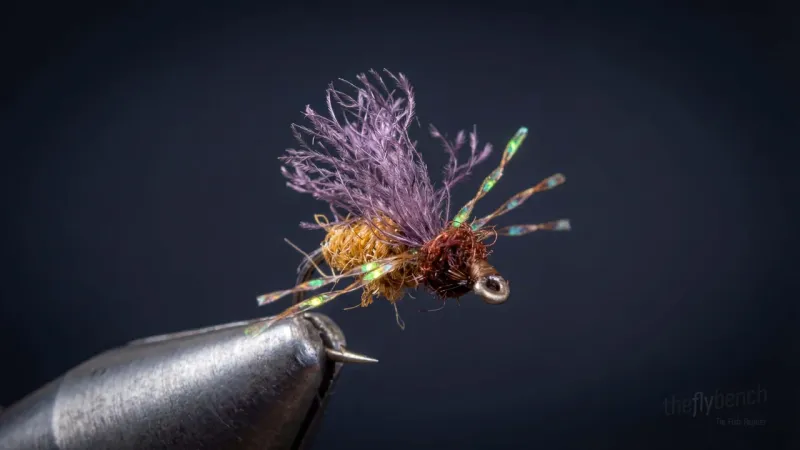
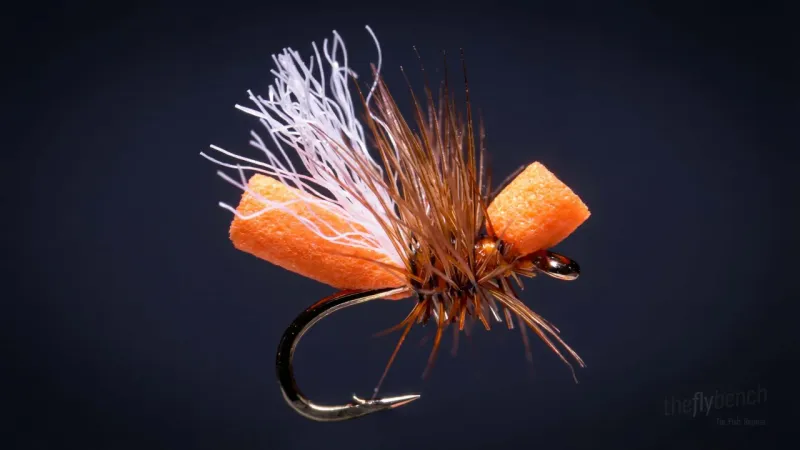
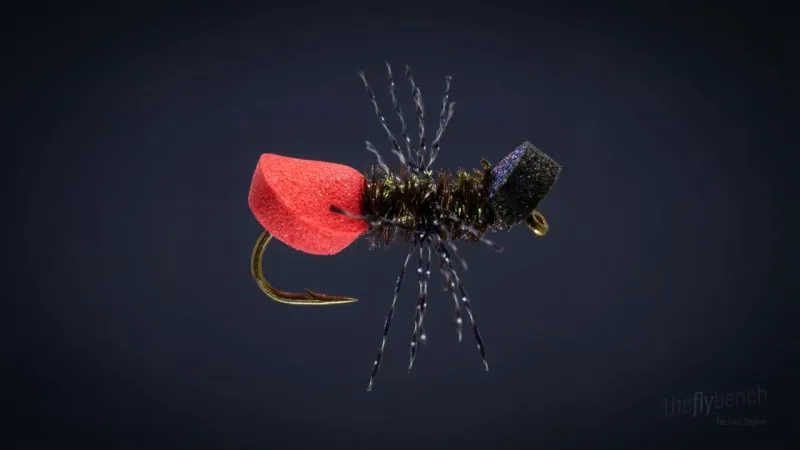
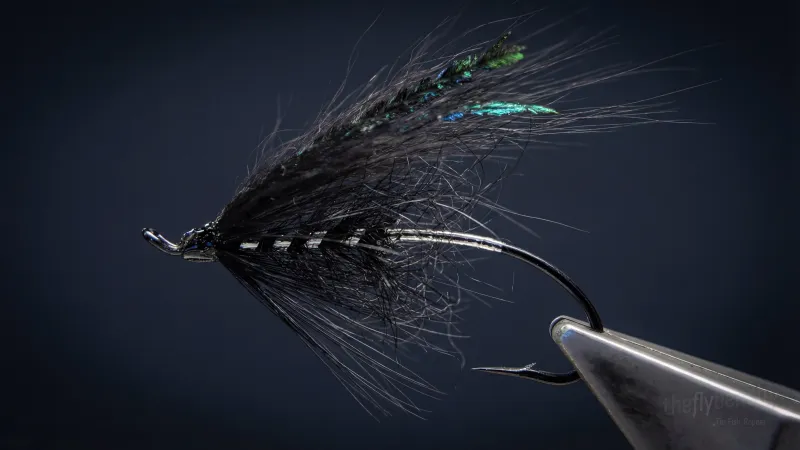
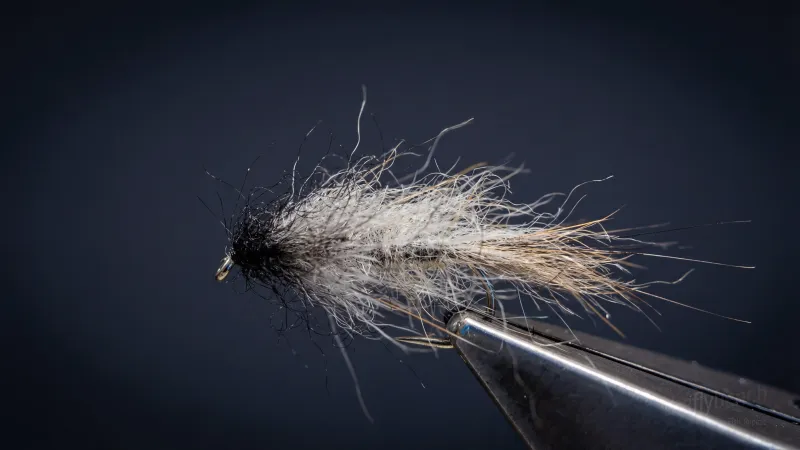
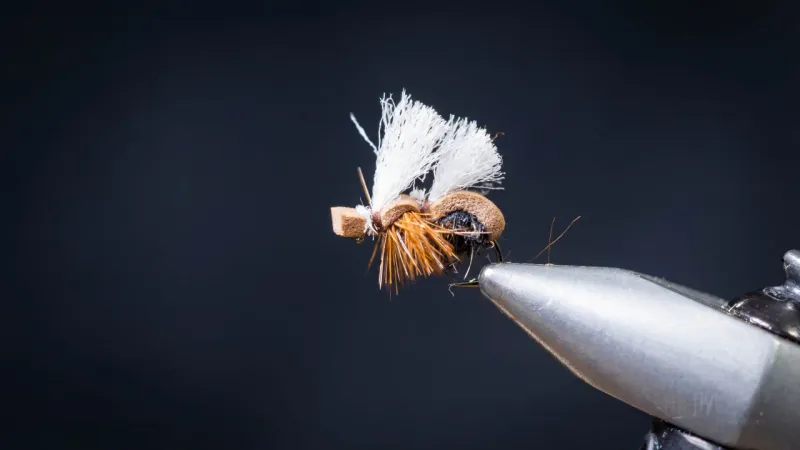
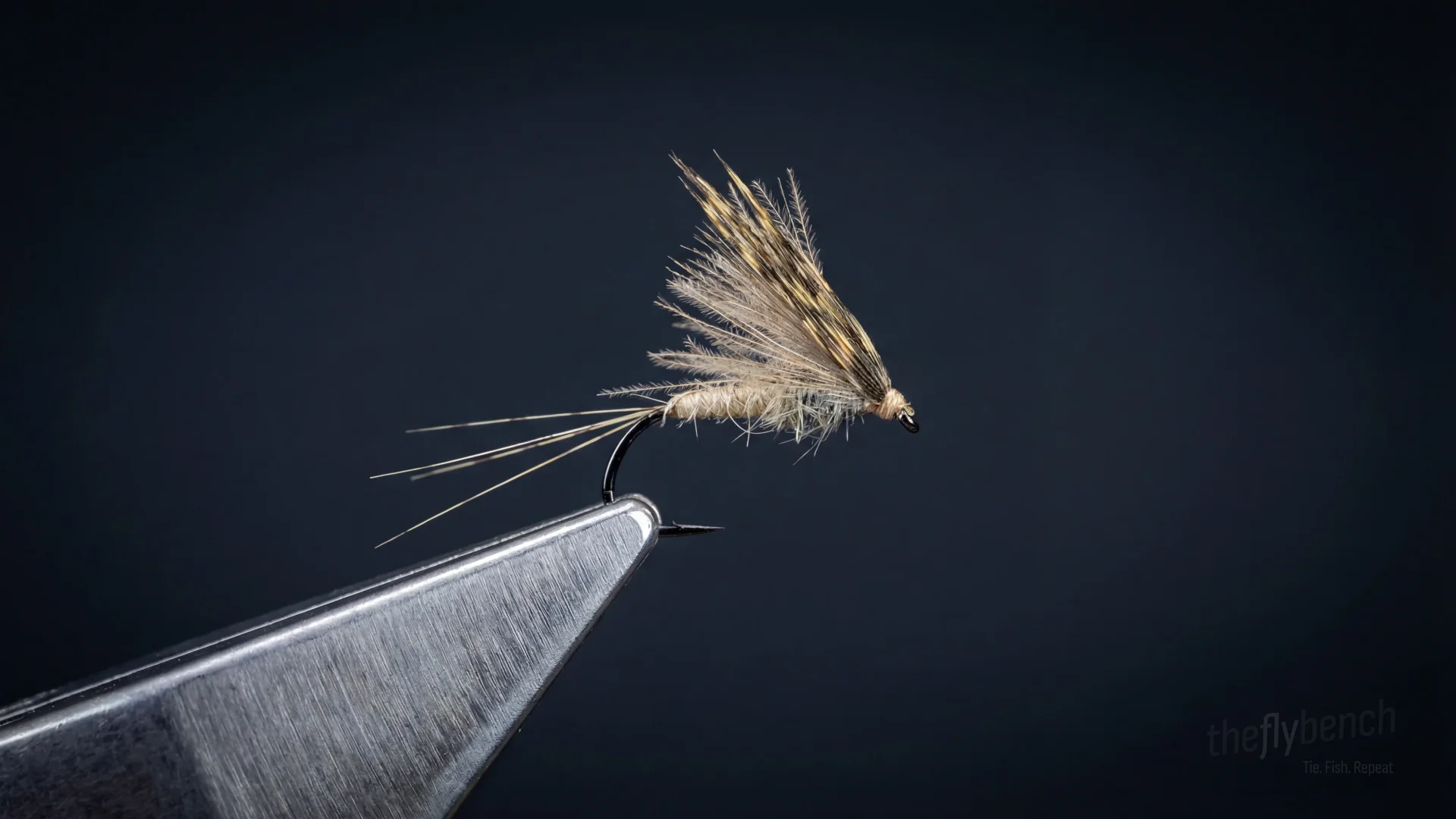
Paul Whillock's Drymerger Variant adapts the emerger concept for imitating terrestrial ants with a hybrid design that works in the surface film. The segmented body profile mimics ant anatomy while the sparse hackle and wing materials allow the fly to ride partially submerged. This presentation appeals to fish during ant falls when insects struggle in the surface tension. The pattern's versatility makes it effective from spring through fall when terrestrial activity peaks.
Where to Buy This Fly
We only link to fly shops we trust. Some links are referral links, which may earn us a commission at no extra cost to you.
Materials
- Hook:
- any dry fly hook 14 to 10 ( actual Kamasan)
- Thread:
- Dyneema
- Tail:
- two fibres pheasant tail
- Body:
- one strand of a vegetable sack
- Wing:
- CDC (kind of cripple wing)
- Legs:
- picric acid dyed squirrel in dubbing loop
Behavior & Presentation
Natural Behavior: Ants float on the surface after falling from vegetation or during nuptial flights, bodies segmented and legs splayed. Trapped terrestrials drift helplessly in feeding lanes.
Where Trout Eat It: Fish patrol near bank edges, undercuts, and grass edges where ants naturally fall.
How to Fish It: Dead drift along banks and structure with drag-free floats, riding low in the film.
Best Water: Bank edges, undercuts, grass edges, and foam lines in streams with overhanging vegetation.
Strike Type: Confident rises with visible takes as fish target the distinct terrestrial profile.
Fishing Strategy
Rigging Suggestions: Use a 9-12ft 5X or 6X tippet depending on water clarity. In calm, clear water, 6X provides the delicate presentation necessary for success. The pattern's subtle profile demands fine tippet for natural drift.
Seasonal Timing: Most effective June through October, with peak performance during terrestrial season from July through September because this aligns with peak ant activity. Particularly productive during warm afternoons when ant activity is highest and wind deposits terrestrials on the water surface. Most productive during windy conditions that blow ants onto the water, and during warm afternoons when ant activity peaks.
Pro Tips: Focus fishing efforts along grassy banks, under overhanging vegetation, and near terrestrial sources. The pattern's low profile makes it difficult to see, so watch for subtle rises or swirls near the fly's location. Effective when trout are ignoring more visible patterns.
Entomology
During late summer terrestrial season, ants form trails along overhanging vegetation and frequently tumble onto the water where they float with legs kicking in rapid circles. Fish learn to patrol beneath banks and trees where falling ants accumulate, responding to the frantic surface activity that signals terrestrial bonanzas.
- Order
- Hymenoptera
- Family
- Formicidae
- Common Name
- Ant
- Organism Type
- terrestrial
- Life Stage
- adult