Dry FliesCasual Dress Variant
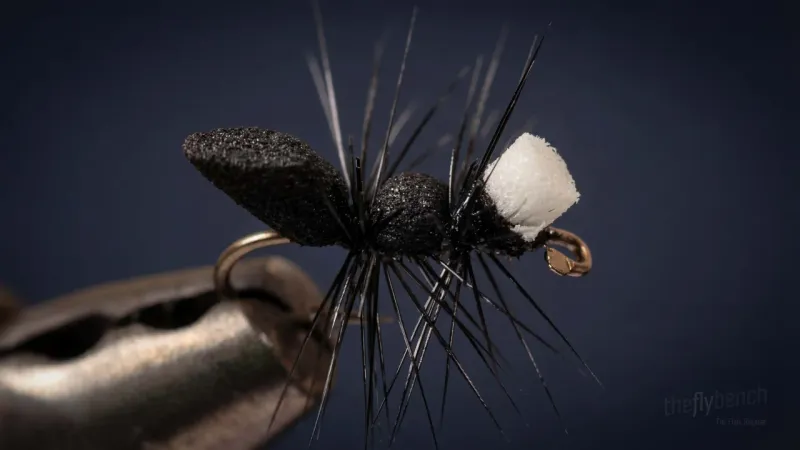
The Casual Dress Variant is a dry fly pattern designed by Robert Culver. This effective pattern works well in a variety of water conditions and is tied with traditional materials for a proven presentation.
Spring, Summer, Fall
Intermediate
Trout
Feb 2026
Overview
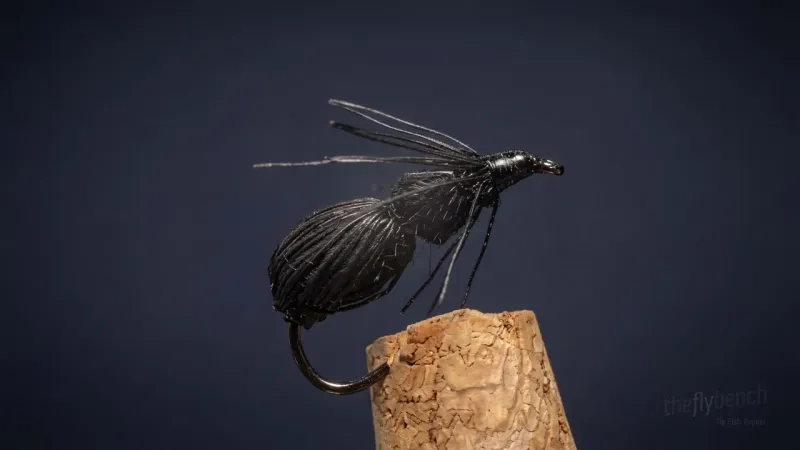
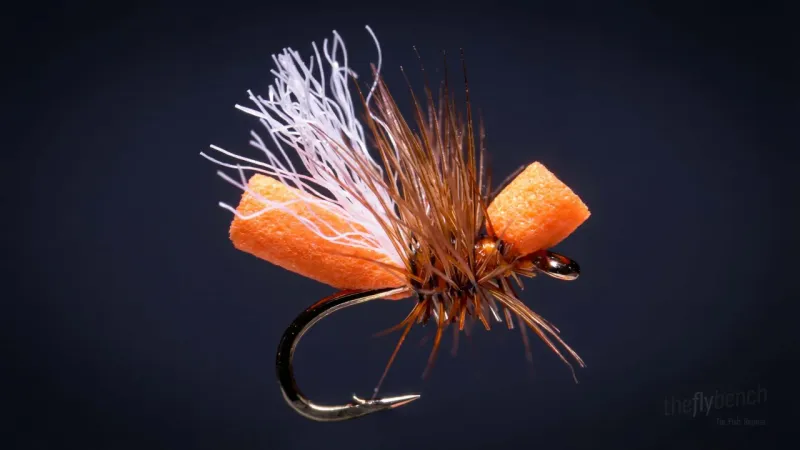
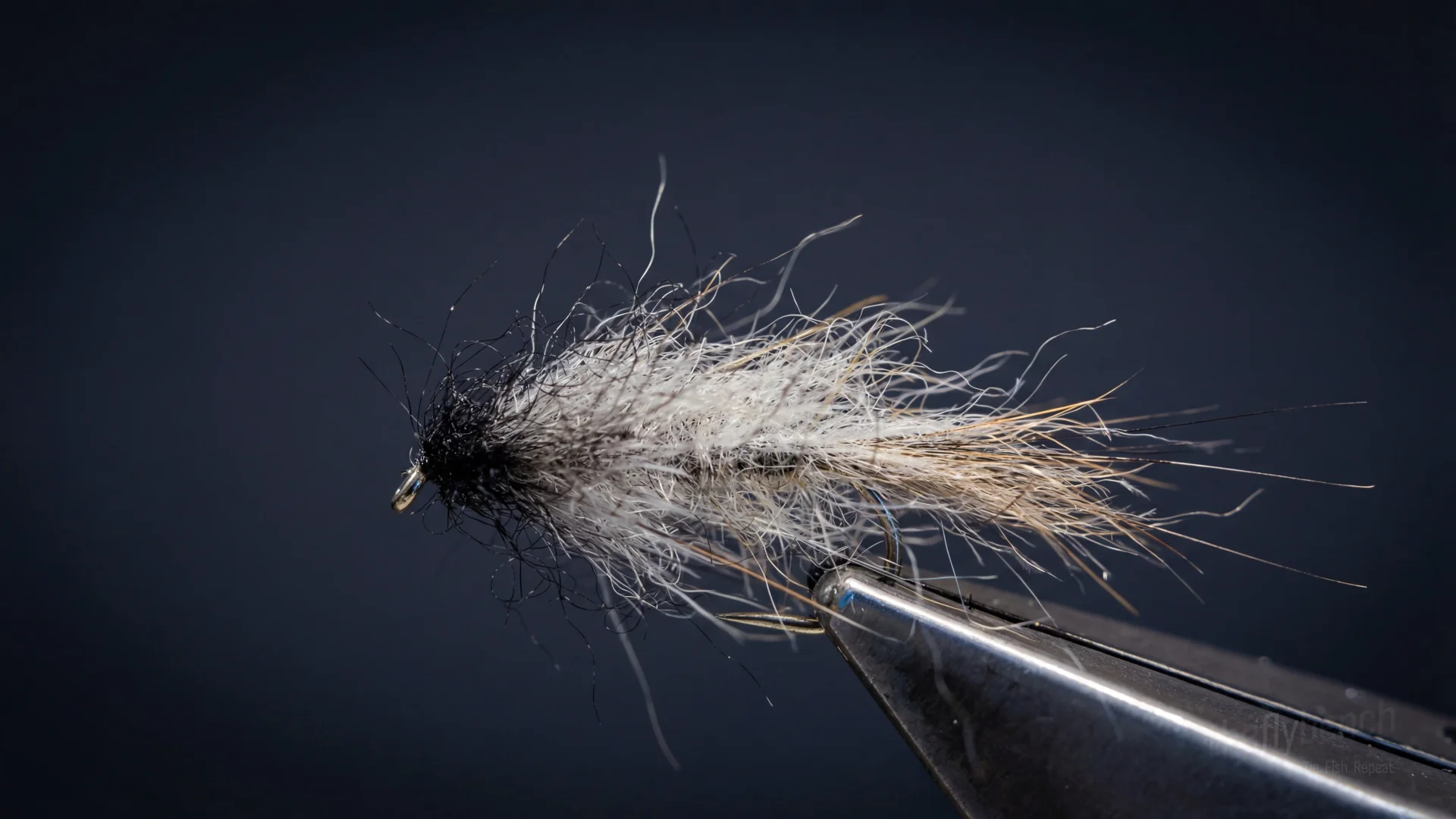
Robert Culver's Casual Dress Variant is a hackled ant pattern that combines the proven ant silhouette with enhanced visibility and flotation. The pattern uses contrasting hackle colors to segment the body while maintaining the characteristic waist that defines ant patterns. Its variant-style hackle provides better visibility for the angler and creates a larger surface footprint than traditional ant ties.
Where to Buy This Fly
We only link to fly shops we trust. Some links are referral links, which may earn us a commission at no extra cost to you.
Materials
- Hook:
- Partridge BIN #10
- Thread:
- Sparton 6/0, black
- Tail:
- Muskrat
- Body:
- Muskrat underfur
- Collar:
- Muskrat - in split thread
- Head:
- Wool, black - in split thread
Behavior & Presentation
Natural Behavior: Ants crawl along streamside vegetation before accidentally falling onto the water surface where they float helplessly, legs splayed and struggling. Fish patrol banks during warm months specifically to intercept these terrestrial windfalls that provide concentrated protein with minimal effort.
Where Trout Eat It: Trout take this along grassy banks and undercut edges where terrestrial ants concentrate after falling from streamside vegetation.
How to Fish It: Cast parallel to banks within inches of vegetation. Dead drift with 5X tippet along seams and undercuts.
Best Water: Grassy banks with undercuts and foam lines where ants accumulate near shoreline structure.
Strike Type: Observe quiet, confident sips along banks where trout inhale the ant without hesitation. The strike appears as a subtle ring expanding from where the fly was floating.
Fishing Strategy
Rigging Suggestions: Use a 9-12 foot leader tapering to 5X tippet for delicate presentations. Apply floatant to the body and hackle.
Seasonal Timing: Most effective during peak feeding periods at dawn and dusk. Water temperatures between 45-65°F typically produce best results.
Pro Tips: Floats well with proper floatant application. The natural materials provide good visibility without spooking wary fish.
Entomology
Ants crawl along streamside vegetation before accidentally falling onto the water surface where they float helplessly, legs splayed and struggling. Fish patrol banks during warm months specifically to intercept these terrestrial windfalls that provide concentrated protein with minimal effort.
- Order
- Hymenoptera
- Family
- Formicidae
- Common Name
- Ant
- Organism Type
- terrestrial
- Life Stage
- adult