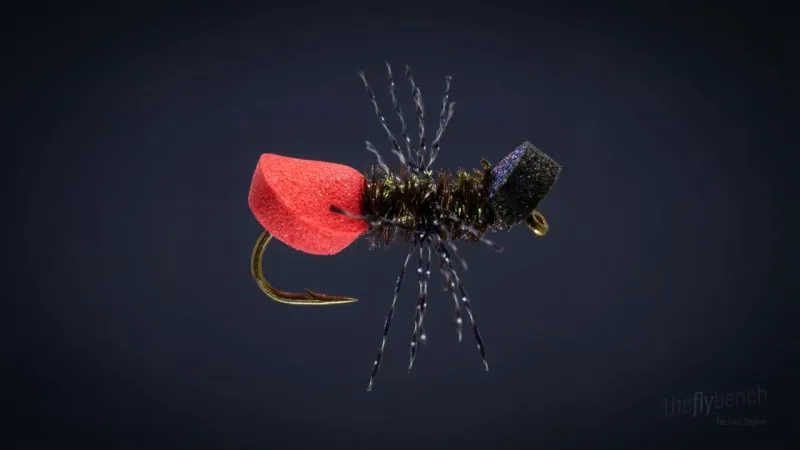
Dry FliesFoam Ant
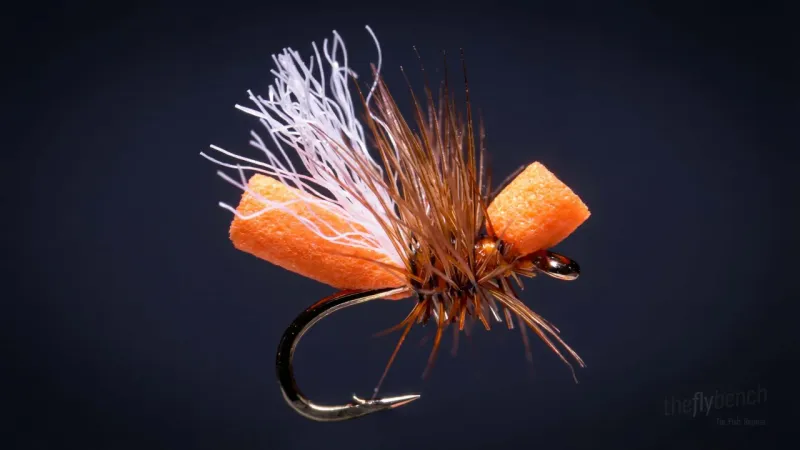
The Foam Ant is a versatile and durable terrestrial pattern that mimics a common ant. Its foam body allows it to float high and remain visible even in rough water.
Spring, Summer, Fall
Beginner
Trout
Apr 2025
Overview
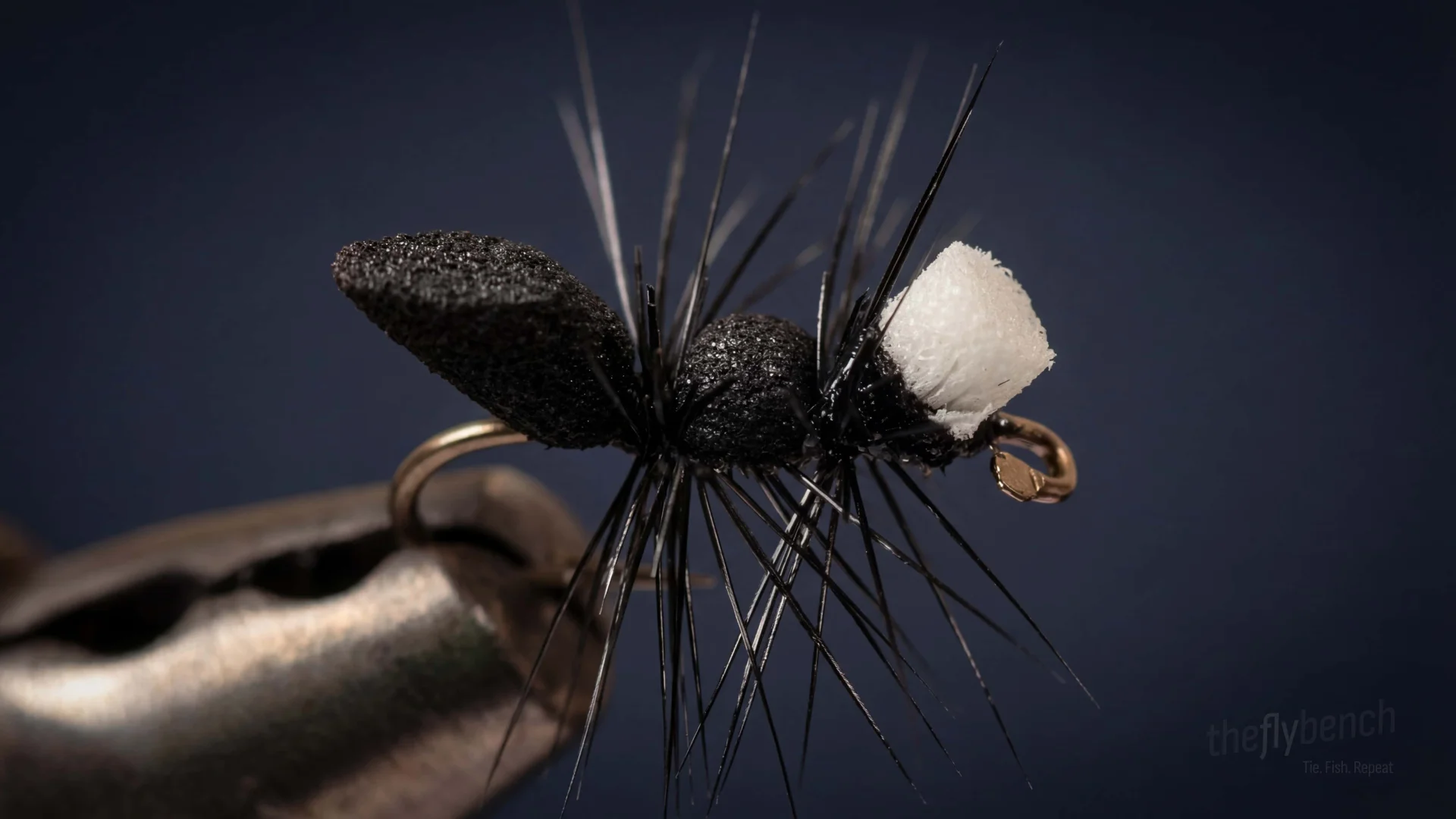
The Foam Ant is a simple yet effective terrestrial pattern that imitates both winged and wingless ants. It comes in a range of sizes and color combinations—typically black, cinnamon, or red—and can be tied with or without wings. It often uses hi-vis foam or yarn to improve visibility on the water.
Where to Buy This Fly
We only link to fly shops we trust. Some links are referral links, which may earn us a commission at no extra cost to you.
Materials
- Hook:
- Tiemco 100 size #14–#18
- Thread:
- Black Veevus 14/0
- Body:
- Black foam
- Legs:
- Black round rubber legs
- Indicator:
- White poly yarn
Behavior & Presentation
Natural Behavior: Ants float passively in the surface film with their three distinct body segments creating a characteristic low-riding profile that fish recognize instantly. Trout shift to ant-selective feeding during late summer when wind-blown fallout creates carpets of terrestrials in back eddies and slack water, methodically sipping them from the meniscus with quiet rises that betray selective feeding patterns.
Where Trout Eat It: Trout sip ants from surface in back eddies, along undercut banks, and beneath overhanging vegetation where terrestrials fall from foliage.
How to Fish It: Cast tight to banks and let drift under brush—fish in inches of water. Dead drift into foam lines. Target sides of pocket water and let fly drift behind structure.
Best Water: Undercut banks with overhanging brush where ants drop from vegetation, pocket water behind rocks, and foam lines where bubbles accumulate terrestrials.
Strike Type: Expect quiet, methodical sipping takes with barely visible rings as fish pluck ants from the film—watch for disappearance rather than splash before setting.
Fishing Strategy
Rigging Suggestions: Use a 9-12 foot leader with 5X or 6X tippet for natural presentations. Fish solo or as an indicator fly in a dry-dropper setup with a small nymph or midge 18-24 inches below.
Seasonal Timing: Most productive from late May through September when ants are most active. Peak effectiveness occurs during hot days from June through August when ants are frequently blown or into the water.
Pro Tips: The white indicator post provides excellent visibility in all light conditions. The foam body stays buoyant even after multiple fish. Focus on shaded areas and structure along banks where trout wait for terrestrials.
Entomology
Ants float passively in the surface film with their three distinct body segments creating a characteristic low-riding profile that fish recognize instantly. Trout shift to ant-selective feeding during late summer when wind-blown fallout creates carpets of terrestrials in back eddies and slack water, methodically sipping them from the meniscus with quiet rises that betray selective feeding patterns.
- Order
- Hymenoptera
- Family
- Formicidae
- Common Name
- Ant
- Organism Type
- terrestrial
- Life Stage
- adult