Dry FliesCow Killer Ant
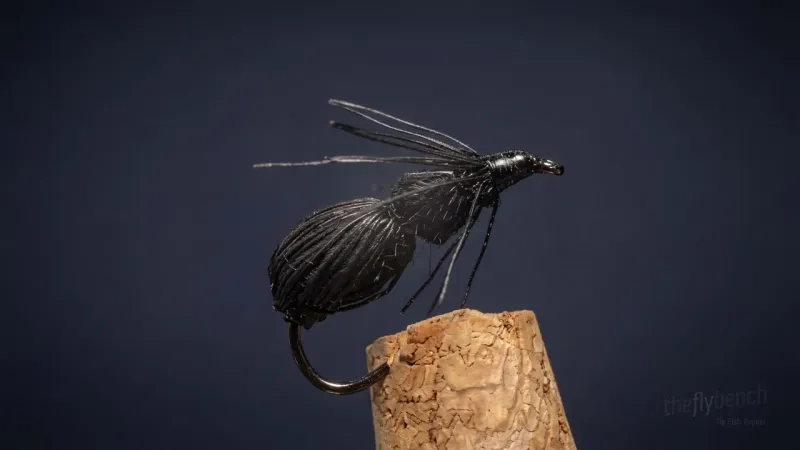
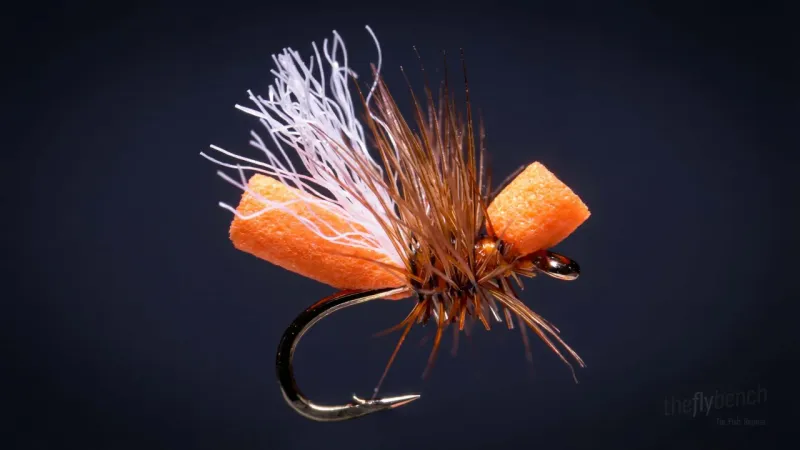
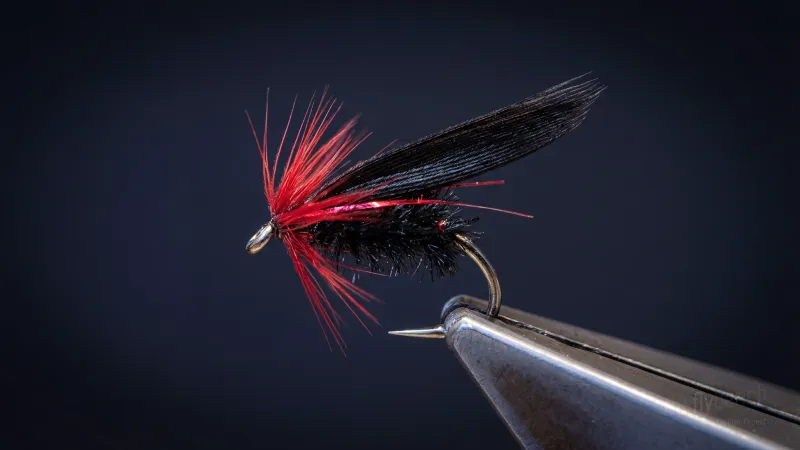
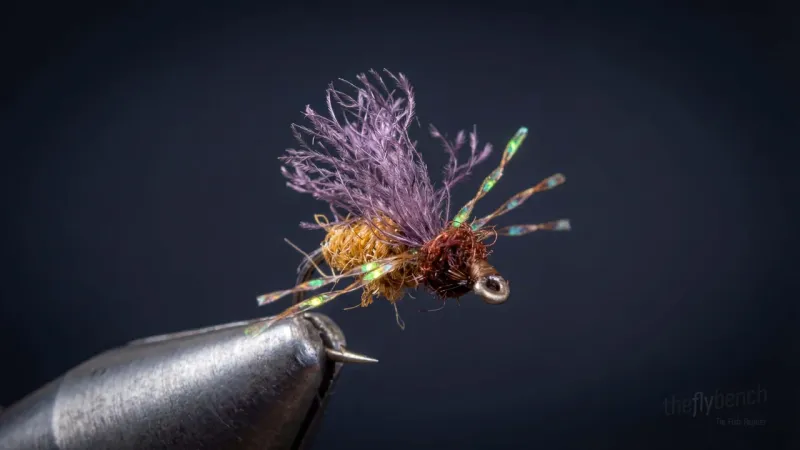
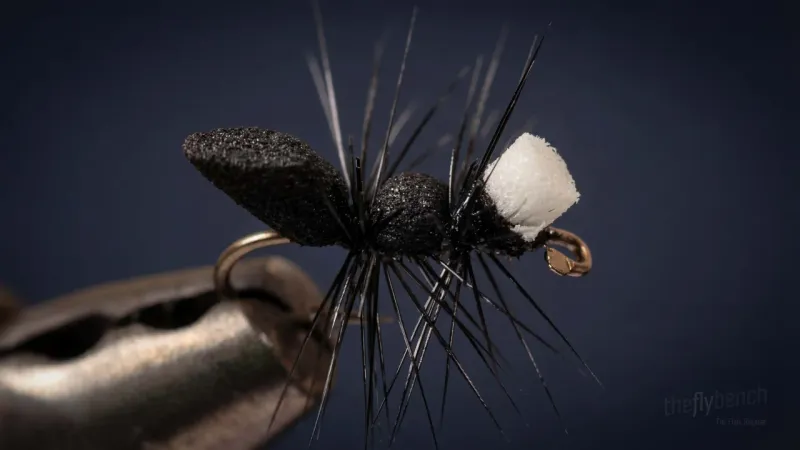
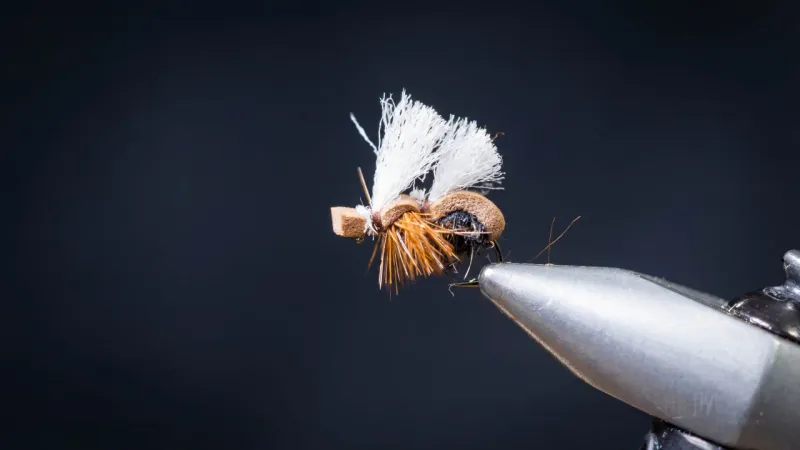
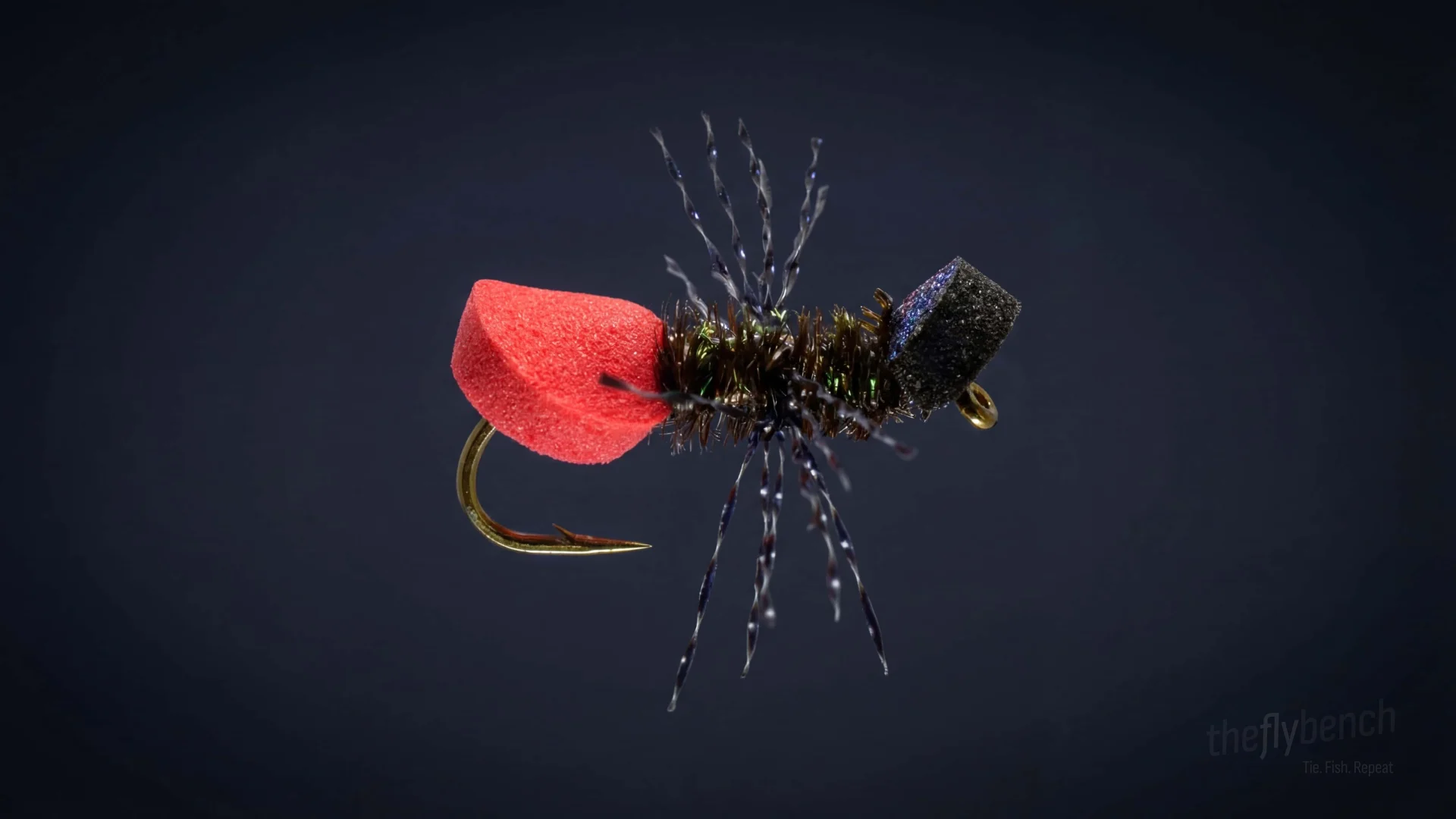
Terrestrial pattern imitates large ant species with vivid red and black coloration. Constructed from two foam cylinders with rubber legs and dubbed thorax, this fly triggers aggressive responses from fish during terrestrial seasons. Durable foam construction withstands multiple strikes.
Summer
Intermediate
Trout, Bass
Apr 2025
Overview
Constructed from two foam cylinders (black and red), rubber legs, and sometimes a dubbed thorax, this fly imitates the velvet ant (actually a wingless wasp). The segmented foam bodies provide exceptional durability for aggressive strikes while maintaining high floatation. White poly yarn wing adds visibility for the angler. UV resin shell adds durability and shine, making it more visible to fish in varied light conditions.
Where to Buy This Fly
We only link to fly shops we trust. Some links are referral links, which may earn us a commission at no extra cost to you.
Materials
- Hook:
- Tiemco 100, size #12–#16
- Thread:
- Red UTC 70 denier
- Body:
- Red dubbing
- Wing:
- White poly yarn
- Legs:
- Black rubber legs
- Shell:
- Solarez Bone Dry UV resin
Behavior & Presentation
Natural Behavior: Large carpenter ants tumble from cottonwood branches during afternoon thermal activity, their substantial weight creating audible plops and rings. These premium-sized terrestrials draw confident strikes from trout cruising beneath tree canopies.
Where Trout Eat It: Target small streams with overhanging foliage and meadow banks where large ants fall from vegetation.
How to Fish It: Dead drift along banks or under trees where ants naturally fall. Maintain drag-free float matching helpless drift.
Best Water: Focus on bank edges, seams, tail-outs, and foam lines beneath vegetation where ant fallout concentrates.
Strike Type: Watch for visible rises, expanding surface rings, or audible sips at the take.
Fishing Strategy
Rigging Suggestions: Fish this fly on a standard dry fly leader with 5X or 6X tippet depending on the size of the fly and clarity of the water. Can support a small dropper if needed.
Seasonal Timing: Most effective June through September when ants are active and frequently into the water. Peak effectiveness occurs during July and August on warm days between 70-85°F.
Pro Tips: Relatively easy to see due to its size and the white poly yarn wing. Floats well due to the foam body and UV resin shell, which adds durability and shine.
Entomology
Large carpenter ants and other oversized Hymenoptera fall from cottonwood trees during late afternoon thermal activity, plopping onto the surface with enough weight to create rings. Fish respond to these premium-sized terrestrials with confidence because their substantial bodies provide maximum nutrition, often cruising beneath tree canopies during ant-fall periods waiting for the next heavy insect to tumble from the branches above.
- Order
- Hymenoptera
- Family
- Formicidae
- Common Name
- Ant
- Organism Type
- terrestrial
- Life Stage
- adult