Dry FliesCinnamon Flying Ant
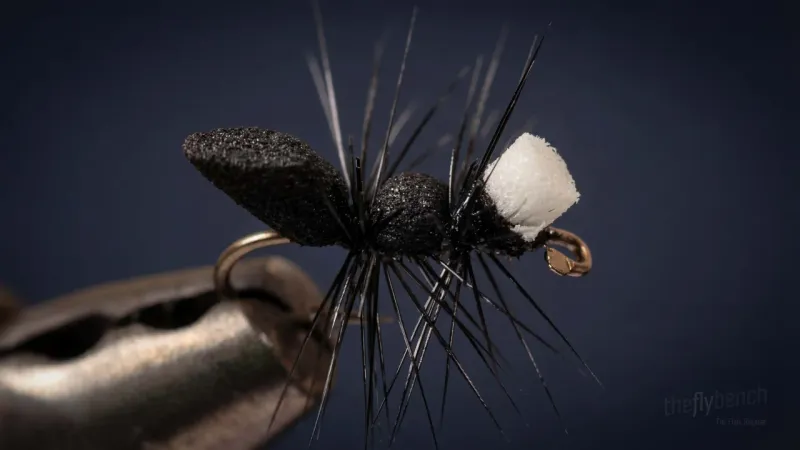
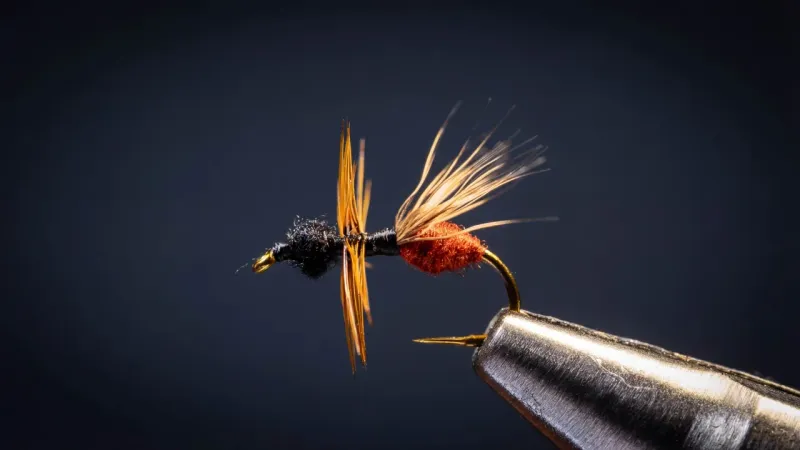
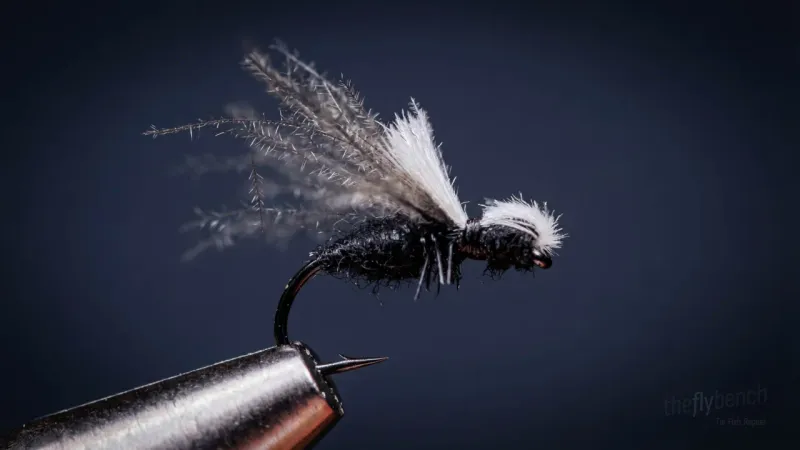
The Cinnamon Flying Ant is a highly effective terrestrial pattern that imitates a swarming flying ant. Its cinnamon color makes it stand out, enticing trout to rise even when there's no hatch. This pattern is especially useful during late summer and early fall when ants are most active.
Summer, Fall
Beginner
Trout
Apr 2025
Overview
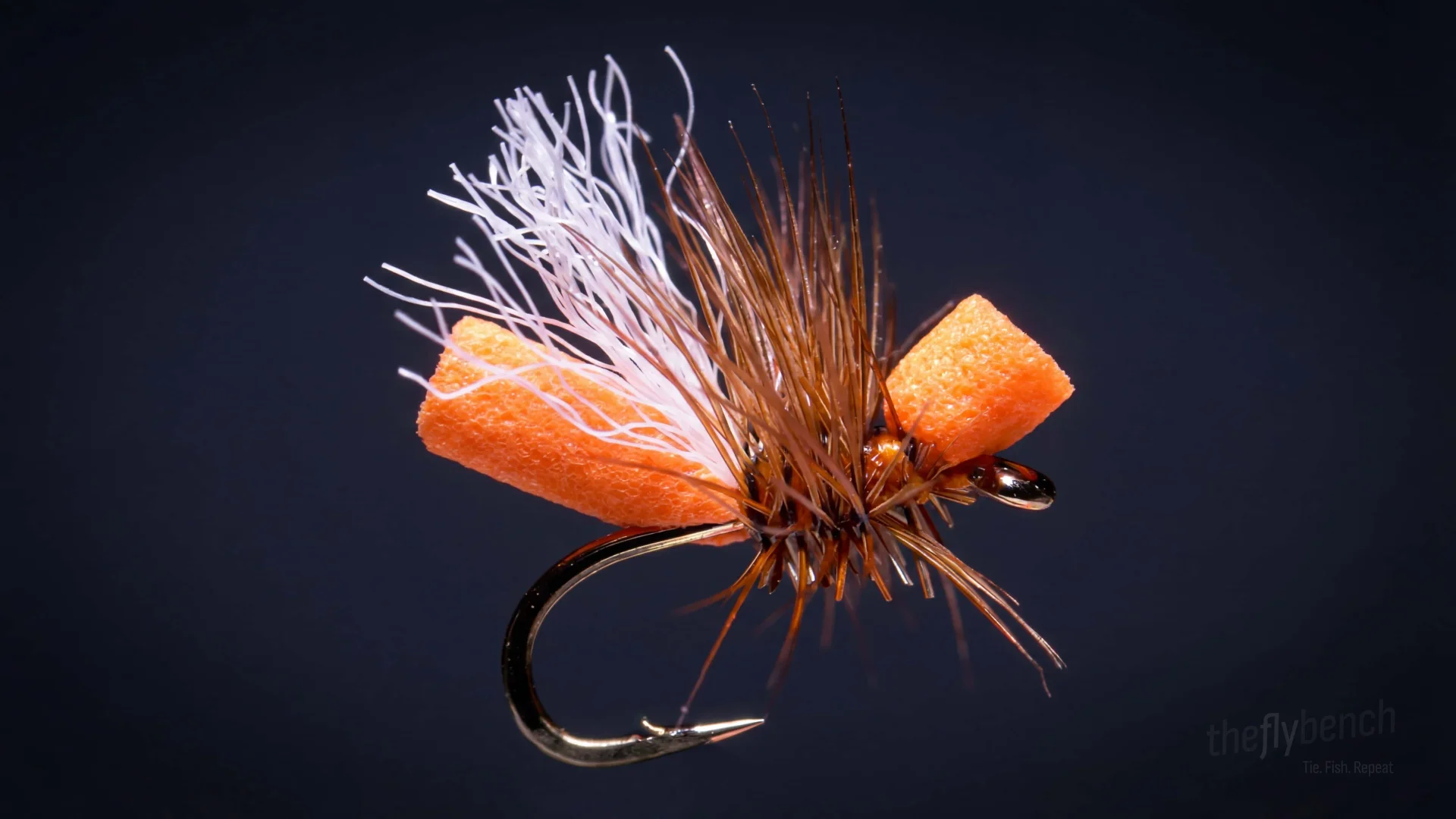
The Cinnamon Flying Ant is a straightforward pattern to tie, making it accessible for beginners. The key to this fly's effectiveness is its simplicity - the cinnamon body and white Antron wing are all you need for a convincing ant silhouette.
Where to Buy This Fly
We only link to fly shops we trust. Some links are referral links, which may earn us a commission at no extra cost to you.
Materials
- Hook:
- Standard dry-fly hook (here, a Dai-Riki 305), size 18
- Thread:
- 8/0 or 70 Denier, burnt orange
- Body:
- Orange cylindrical soft foam, size small
- Wing:
- White polypropylene yarn
- Legs:
- Brown hackle, trimmed on the bottom
Behavior & Presentation
Natural Behavior: Flying ants struggle on the surface after blown from vegetation or during mating flights, legs kicking and wings spread flat. This helpless profile triggers selective feeding.
Where Trout Eat It: Fish rise confidently in slicks, banks, and foam lines where ants concentrate after falling to the water.
How to Fish It: Dead drift flush in the film, the low profile mimicking the ant's natural float. Target visibly rising fish during terrestrial activity.
Best Water: Work banks near vegetation, foam lines collecting ants, and slicks where surface film holds insects.
Strike Type: Confident rises with audible sips as fish capitalize on abundant terrestrials.
Fishing Strategy
Rigging Suggestions: Consider using a fine tippet to ensure a natural presentation.
Seasonal Timing: Late and Early Use this fly when ants are most active, especially during a swarm. Even without an ant hatch, this fly can entice a strike due to its unique color and silhouette.
Pro Tips: The white Antron wing makes this fly easy to spot on the water, and the palmered grizzly hackle helps it to float.
Entomology
Flying ants fall onto water surfaces during nuptial flights, often in massive swarms when weather conditions trigger synchronized mating dispersals from terrestrial colonies. Their frantic struggles to escape the water create surface commotion that attracts cruising fish from considerable distances. The unexpected abundance during ant falls transforms normally selective trout into opportunistic gorgers, as the high protein content and sheer numbers make these terrestrials irresistible targets during late summer events.
- Order
- Hymenoptera
- Family
- Formicidae
- Common Name
- Ant
- Organism Type
- terrestrial
- Life Stage
- adult