Dry FliesMikes Honey Ant
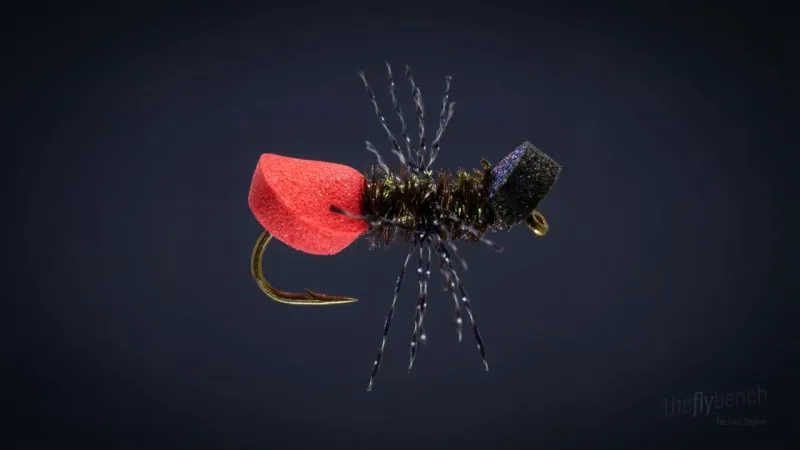
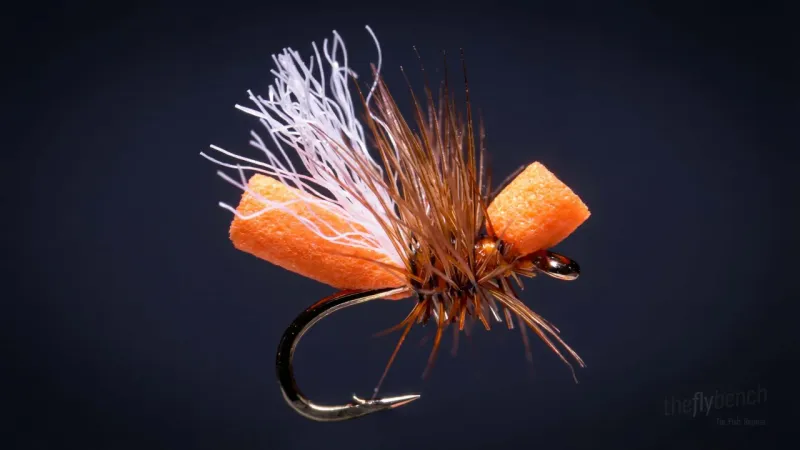
Mike's Honey Ant is a classic terrestrial pattern that imitates a variety of ant species. This pattern is simple to tie, yet highly effective. Its honey color makes it particularly appealing to trout when ants are on the water.
Spring, Summer, Fall
Beginner
Trout
Apr 2025
Overview
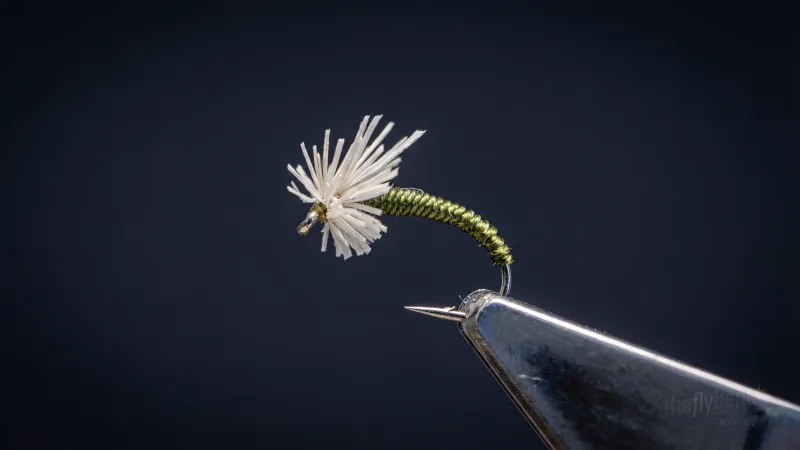
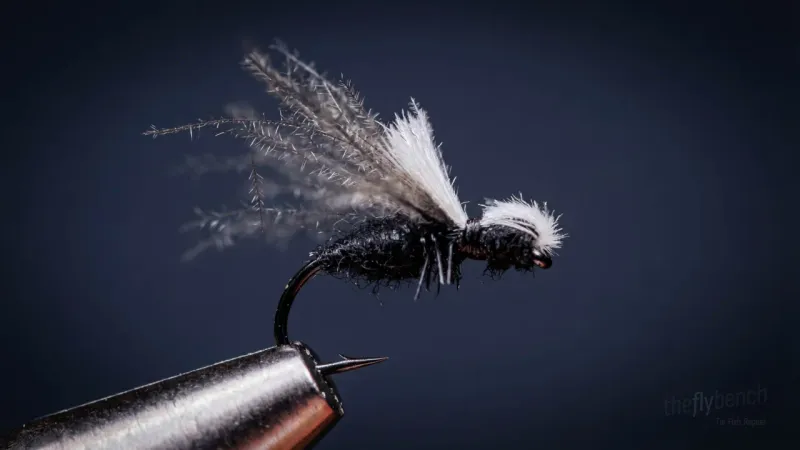
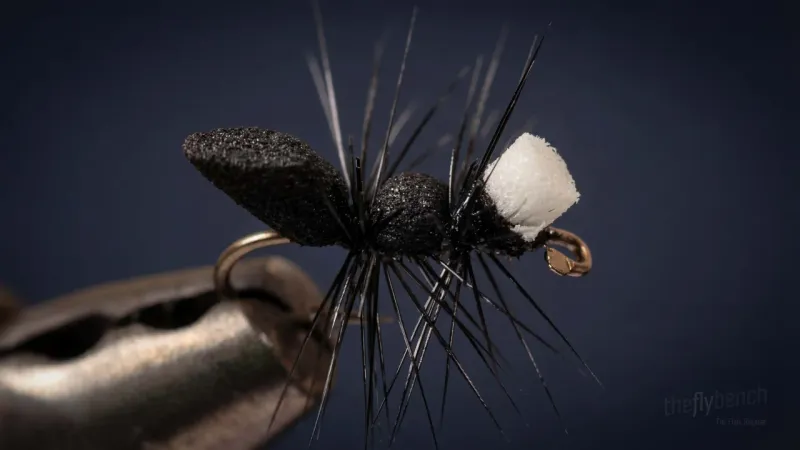
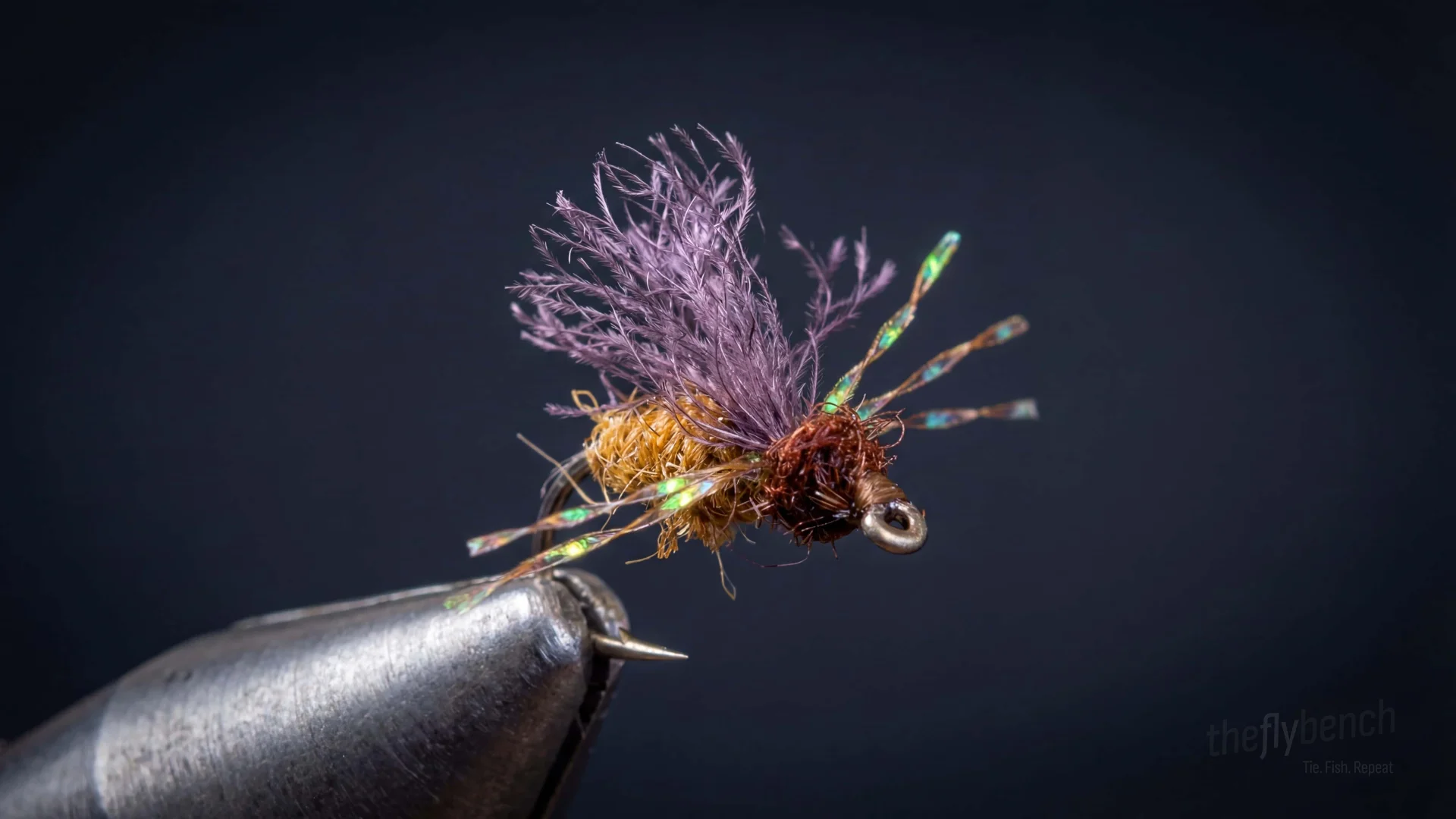
This terrestrial dry fly features two segmented foam bodies (amber and black or cinnamon), rubber legs, and often a hi-viz post. Floats high and mimics flying ants during mating flights — a must-have during late summer ant falls.
Where to Buy This Fly
We only link to fly shops we trust. Some links are referral links, which may earn us a commission at no extra cost to you.
Materials
- Hook:
- Standard dry-fly hook (e.g. Dai-Riki 300), sizes 14-16
- Thread:
- 6/0, olive
- Abdomen:
- Sow-Scud Dubbing, copper
- Legs:
- Pearlescent Krystal Flash, copper
- Wing:
- Straight Zelon, dark dun
- Thorax:
- Australian possum dubbing, rusty brown
Behavior & Presentation
Natural Behavior: Terrestrial ants fall from streamside vegetation onto the water surface, floating helplessly with legs splayed and bodies trapped in surface tension. Wind and rain increase ant activity, creating concentrated feeding opportunities.
Where Trout Eat It: Surface film near banks and vegetation where ants fall most frequently.
How to Fish It: Dead drift along bank edges and beneath overhanging vegetation, presenting the fly where natural ant falls occur.
Best Water: Focus on banks with overhanging trees and brush, undercuts that channel surface drift, and foam lines near vegetation that collect fallen terrestrials.
Strike Type: Confident takes as fish capitalize on helpless terrestrial prey trapped in the surface film.
Fishing Strategy
Rigging Suggestions: This pattern can be fished alone or in tandem with a nymph dropper for a 'hopper dropper' setup.
Seasonal Timing: Peak effectiveness June through September, especially July-August. Fish afternoon hours (12pm-5pm) when terrestrial activity is highest and temperatures reach 70-85°F.
Pro Tips: This pattern floats high on the water's surface due to the foam body. The white poly yarn wing makes it easy to see in a variety of lighting conditions."
Entomology
Ants fall from overhanging branches or are blown onto the water during summer months, immediately beginning frantic swimming motions with their legs while their segmented bodies create characteristic dimples in the surface film. Fish recognize these terrestrials as seasonal bonuses, rising eagerly to capitalize on the sudden influx of high-protein insects during ant fall events.
- Order
- Hymenoptera
- Family
- Formicidae
- Common Name
- Ant
- Organism Type
- terrestrial
- Life Stage
- adult