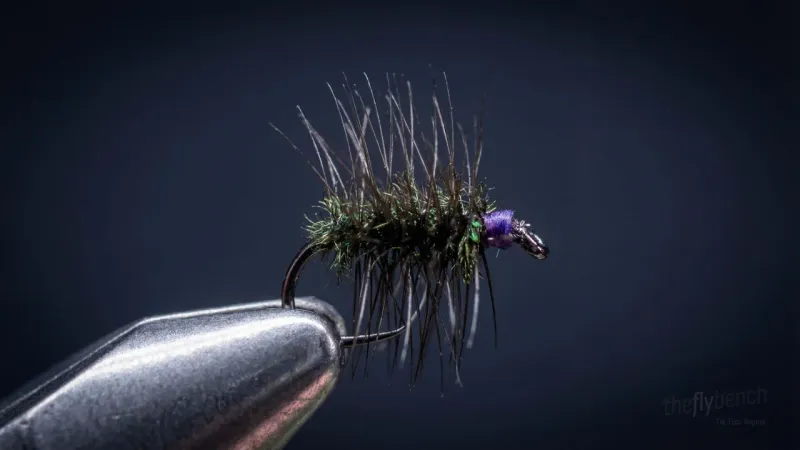
Midge / EmergersWilson Emerger
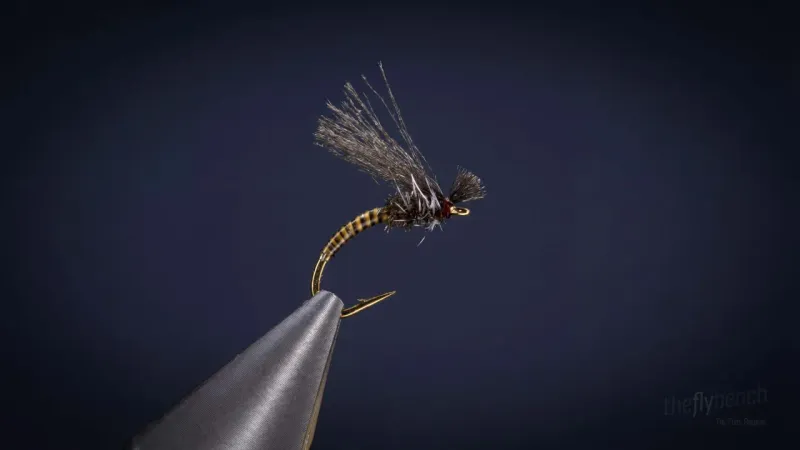
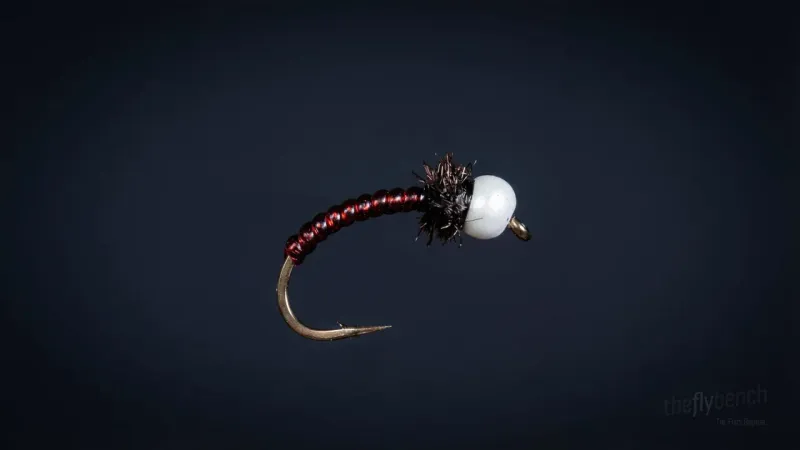
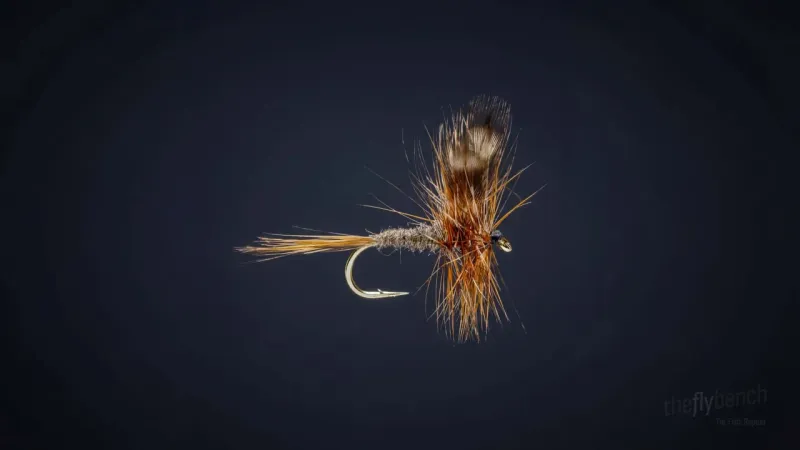
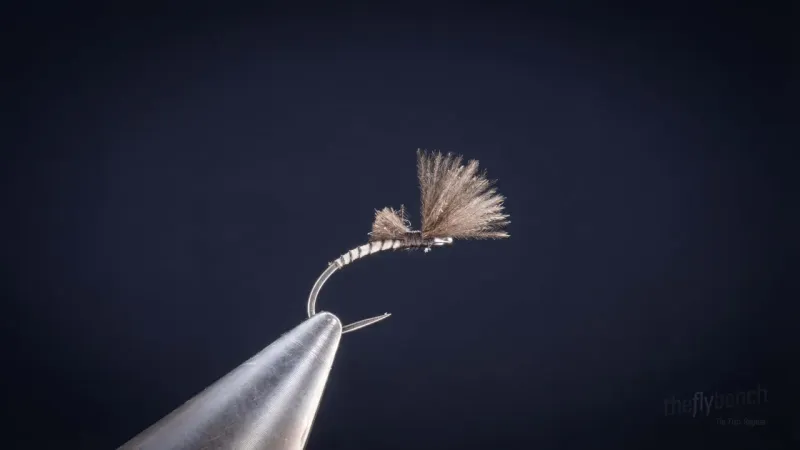
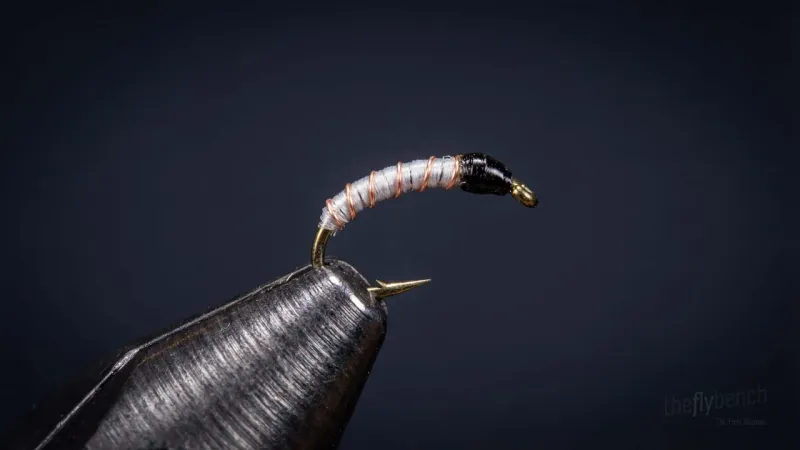
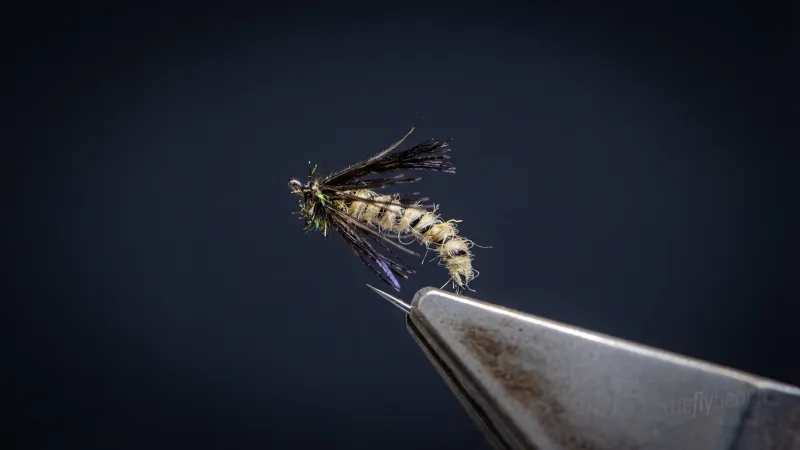
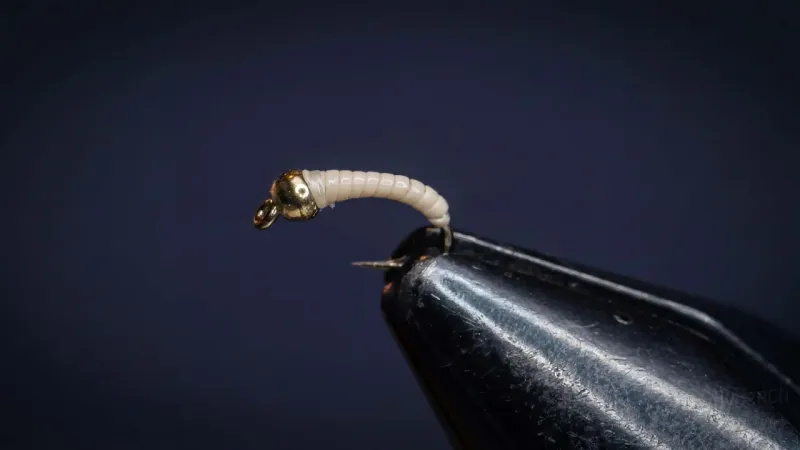
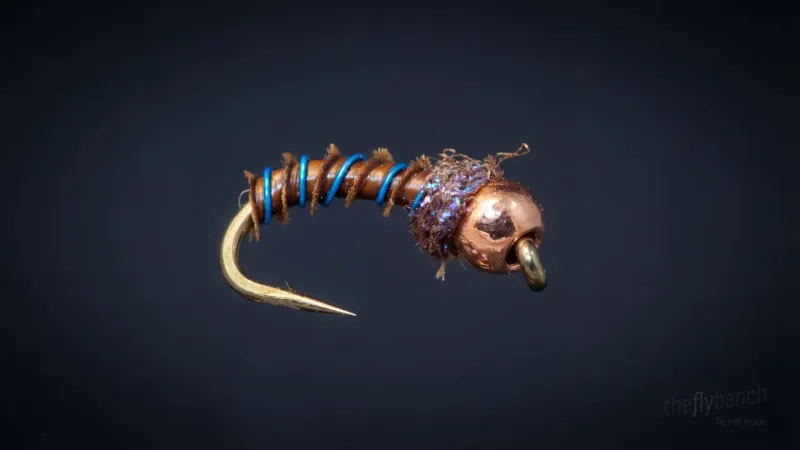
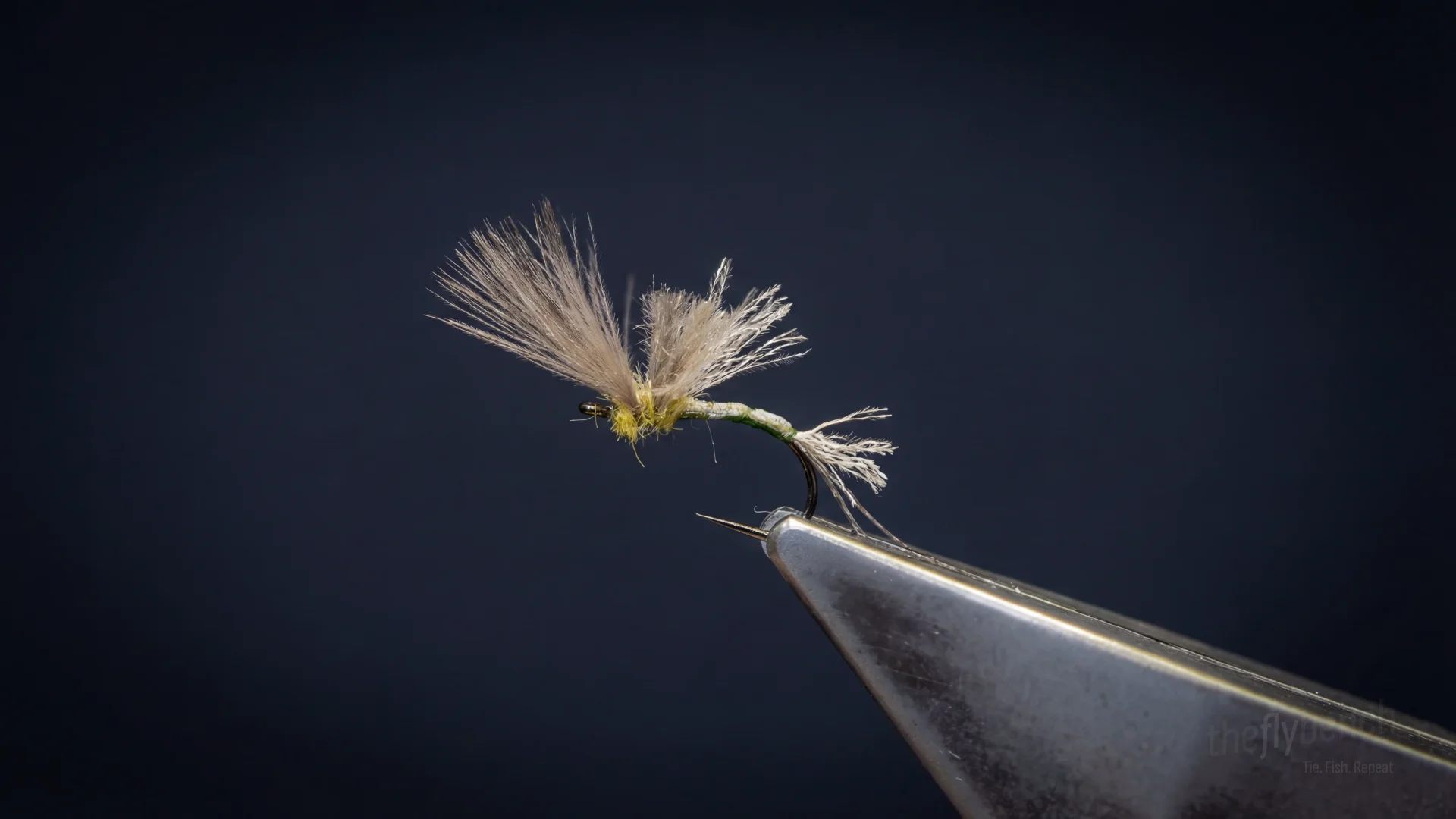
The Wilson Emerger is a midge emerger pattern designed by John Ridderbos. This effective pattern works well in a variety of water conditions and is tied with traditional materials for a proven presentation.
Spring, Summer, Fall
Intermediate
Trout
Feb 2026
Overview
John Ridderbos developed this pattern to imitate midges transitioning at the surface film. The design features a slender body with CDC or foam to suspend the fly in the film, representing the vulnerable stage when insects are half-emerged. Its low profile and subtle silhouette make it particularly effective during selective feeding on small midges. The pattern's simplicity allows for quick ties in multiple colors.
Where to Buy This Fly
We only link to fly shops we trust. Some links are referral links, which may earn us a commission at no extra cost to you.
Materials
- Hook:
- Grip 14723BL #16-22
- Thread:
- Benecchi 12/0, olive (or color of your choice)
- Tail:
- Bronze mallard barbs
- Abdomen:
- Tying thread
- Rib:
- Tying thread
- Wing:
- CDC, natural
- Thorax:
- Argentinean hare, olive - slender (or color to suit the natural)
Behavior & Presentation
Natural Behavior: Midge pupae ascend slowly through the water column using gentle undulating body movements, pausing frequently at mid-depth before continuing toward the surface film. During these vulnerable pauses, ascending pupae hang nearly motionless while transitioning between depths, creating easy targets for selective feeders.
Where Trout Eat It: Suspended at mid-column depths or hanging just beneath the surface film, where trout cruise productive zones intercepting ascending pupae during the slow rise toward emergence.
How to Fish It: Dead drift at depths matching observed feeding activity, using indicator or tight-line technique to detect subtle takes as trout intercept suspended pupae during their vulnerable ascent phases.
Best Water: Tail-outs and flats where midge emergence concentrates, slicks below riffles, and foam lines where ascending pupae collect before completing emergence in the surface film.
Strike Type: Gentle sips or subtle indicator movements as selective trout intercept suspended pupae with minimal effort during the midge's vulnerable transition from mid-column to surface film.
Fishing Strategy
Rigging Suggestions: Fish on 9-12 foot leader with 4X-5X tippet. Add weight as needed to achieve proper depth. Can be fished under an indicator or with a tight-line technique.
Seasonal Timing: Effective during peak feeding periods when water temperatures and conditions support active feeding behavior.
Pro Tips: Sinks at a moderate rate depending on hook weight. The natural materials blend well with the aquatic environment.
Entomology
Midge pupae ascend through the water column in a slow, deliberate rise toward the surface film where they hang vulnerably while their adult form emerges from the pupal shuck. Trout target these midges during this transition phase because they are trapped in the meniscus and unable to escape, providing an easy meal in stillwaters and slow pools where midges are abundant year-round.
- Order
- Diptera
- Family
- Chironomidae
- Common Name
- Midge
- Organism Type
- insect
- Life Stage
- general