Midge / EmergersGrannom Pupa and Ovi-Grannom
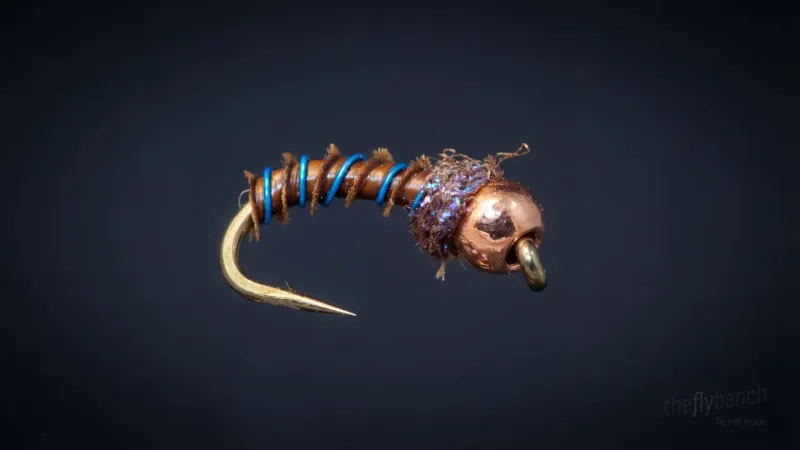
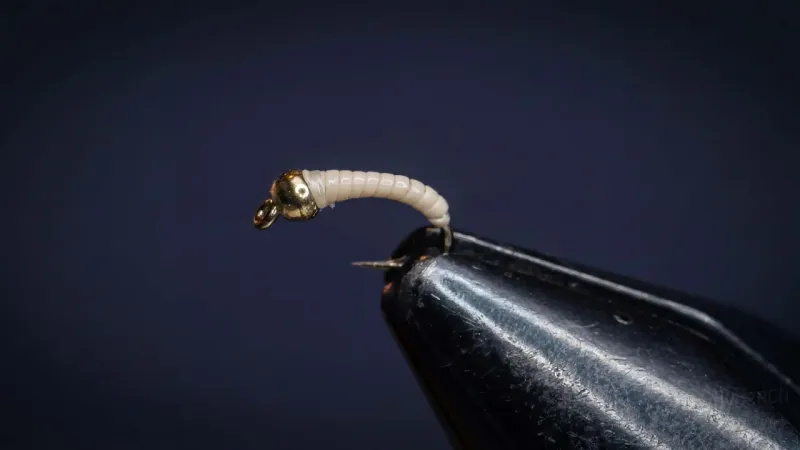
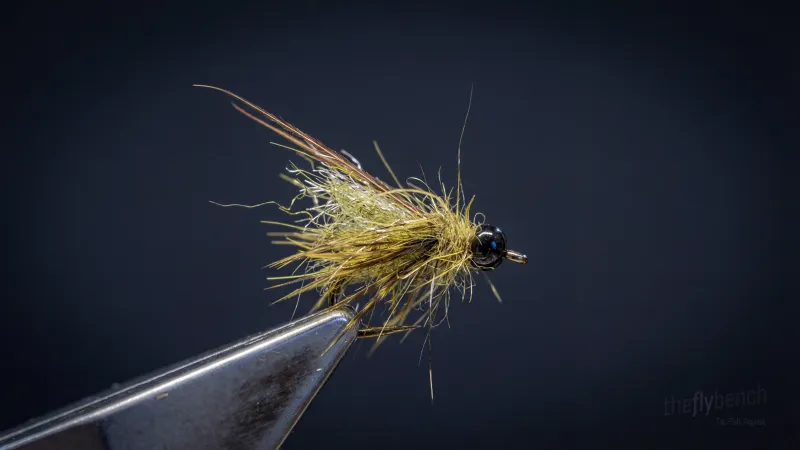
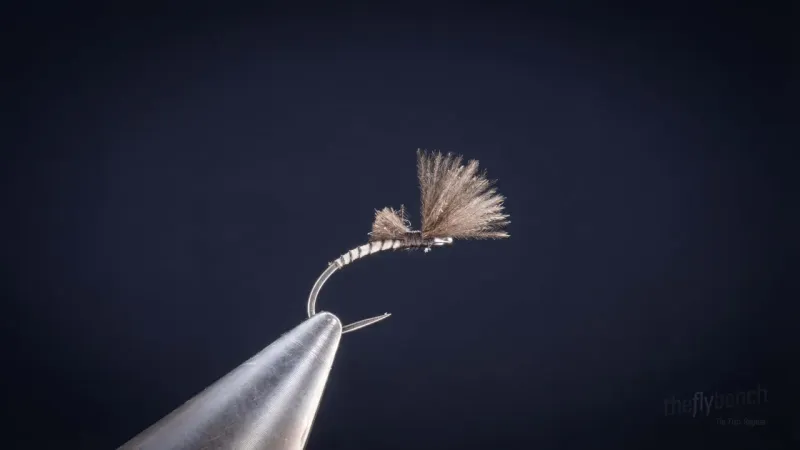
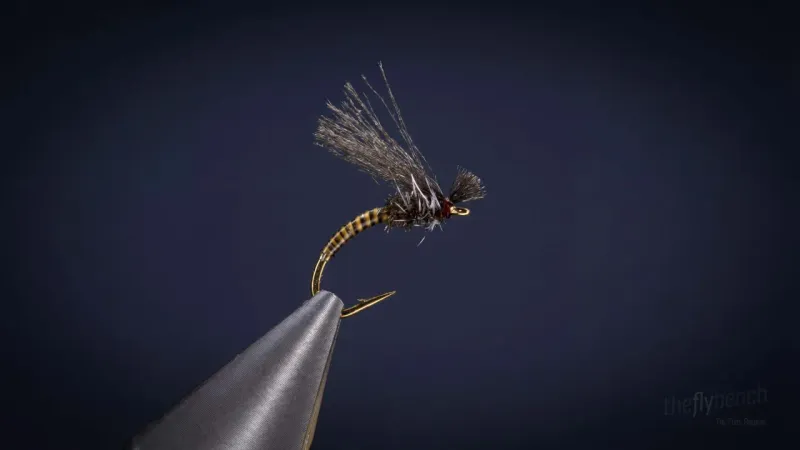
The Grannom Pupa and Ovi-Grannom is a midge emerger pattern designed by Lance Filimek. This effective pattern works well in a variety of water conditions and is tied with traditional materials for a proven presentation.
Spring, Summer, Fall
Intermediate
Trout
Feb 2026
Overview
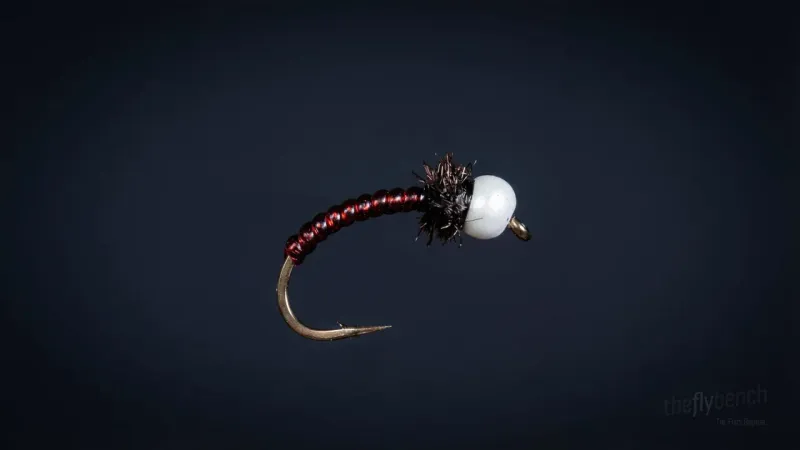
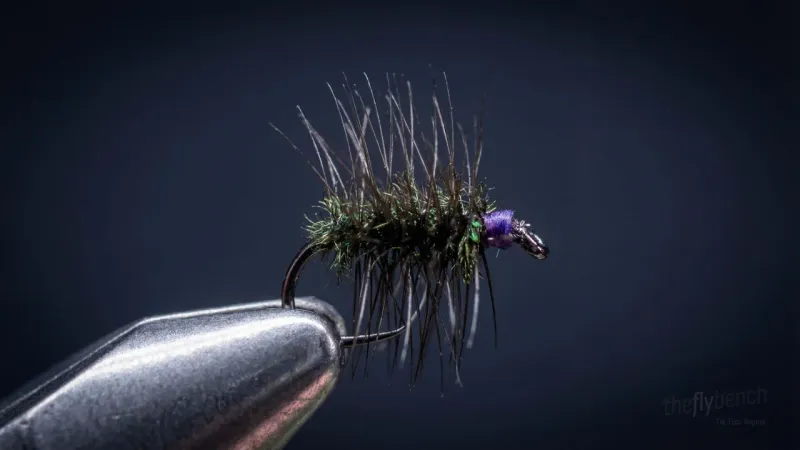
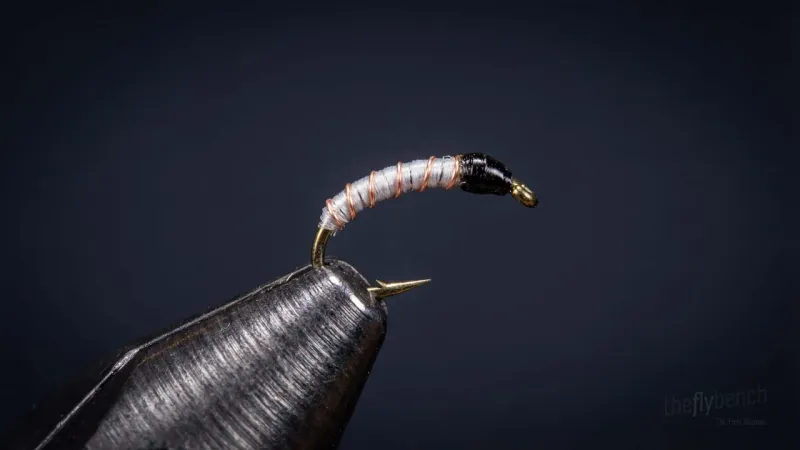
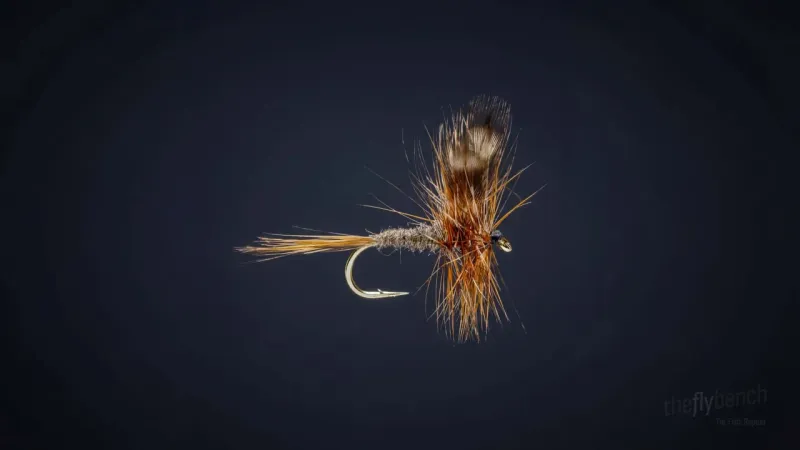
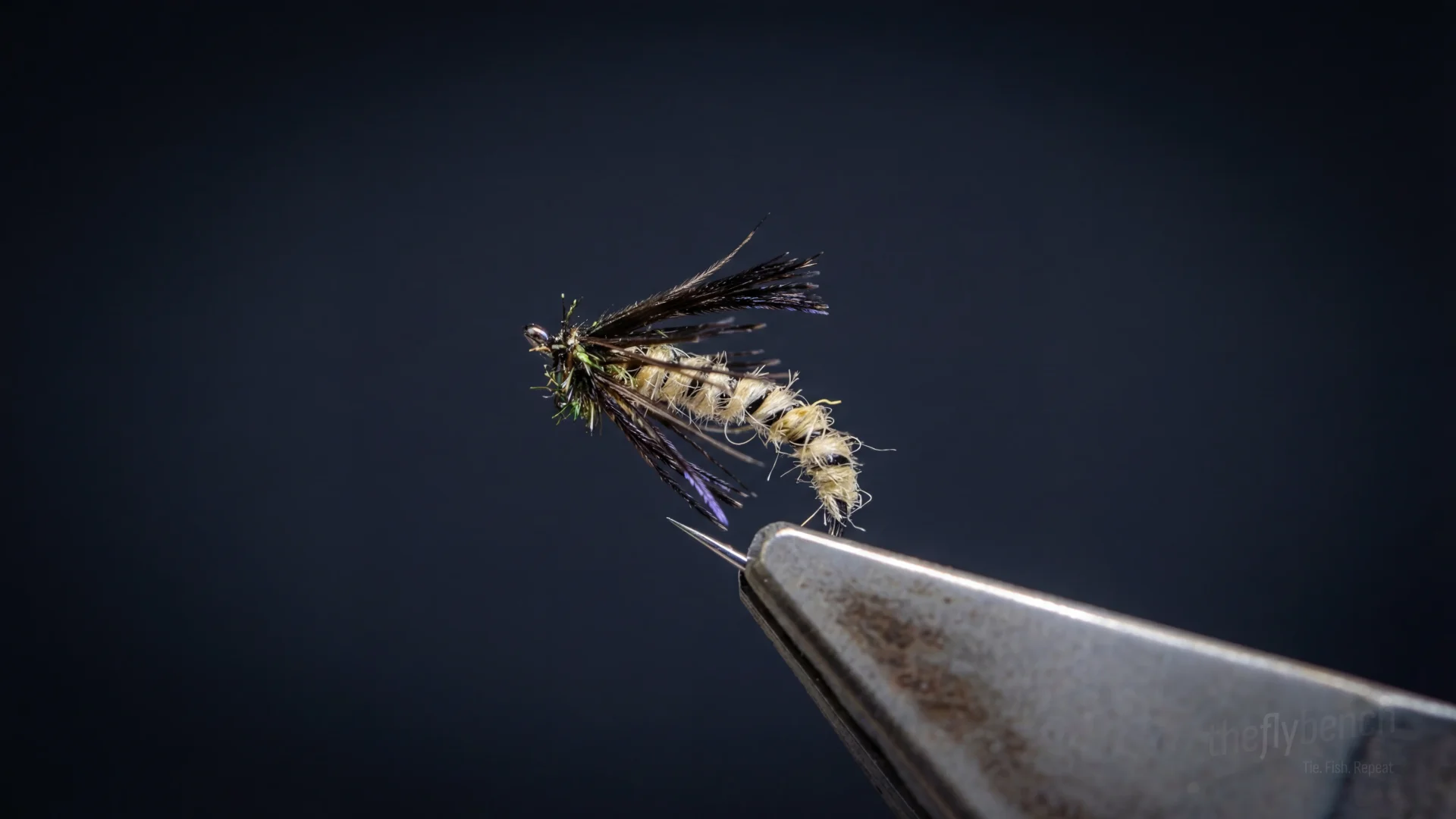
Lance Filimek's dual-purpose design imitates both the ascending grannom caddis pupa and egg-laying females. The pattern features a segmented body with contrasting colors to suggest the natural's appearance at different life stages. The weighted version sinks through the water column while the unweighted variant rides just below the surface, matching the behavior of naturals during spring grannom emergences.
Where to Buy This Fly
We only link to fly shops we trust. Some links are referral links, which may earn us a commission at no extra cost to you.
Materials
- Hook:
- Grip 14723BL #14
- Thread:
- Benecchi 12/0, dark brown
- Head:
- Peacock herl
- Hackle:
- Ringneck pheasant neck "ring" feather
- Rib:
- Nylon rodwinding thread, black
- Body:
- Rabbit, cream; Argentinean hare, dyed olive - 3:1
- Hook:
- Tiemco 102Y #15
- Thread:
- Benecchi 12/0, dark brown
- Abdomen:
- Goose biot, dyed brown
- Wing:
- CDC, natural
Behavior & Presentation
Natural Behavior: Grannom caddis pupae ascend through the water column during spring emergence windows, rising from riffle substrate toward the surface with gas bubbles trapped under their wing cases. These pupae exhibit jerky swimming motions during ascent, pausing mid-column before continuing upward through the film where they transform into adults.
Where Trout Eat It: Trout feed almost exclusively on grannom pupae during spring emergence windows when pupae rise toward surface mid-morning through noon.
How to Fish It: Swing weighted pupa with 3-inch pulls or dead drift under indicator allowing fly to lift at drift's end.
Best Water: Target riffle edges and current seams where ascending grannom pupae concentrate during synchronized emergences.
Strike Type: During the weighted swing with 3-inch pulls or dead drift under indicator, watch for subtle indicator hesitations or quiet sips as pupae rise. Gentle hook sets are essential when the indicator dips or the drift line tightens at drift's end.
Fishing Strategy
Rigging Suggestions: Use a 12-15 foot leader with 6X-7X tippet. Fish alone or as a dropper beneath a small dry fly.
Seasonal Timing: Most effective during peak feeding periods at dawn and dusk. Water temperatures between 45-65°F typically produce best results.
Pro Tips: Sinks at a moderate rate depending on hook weight. The natural materials blend well with the aquatic environment.
Entomology
Midge pupae ascend slowly through the water column in jerky, undulating motions before hanging helplessly in the surface film while their adult forms emerge from pupal shucks. Fish station themselves at specific depths to intercept these ascending pupae because the insects are completely vulnerable during transformation and cannot evade predators effectively.
- Order
- Diptera
- Family
- Chironomidae
- Common Name
- Midge
- Organism Type
- insect
- Life Stage
- general