Dry FliesTriple Wing Spinner
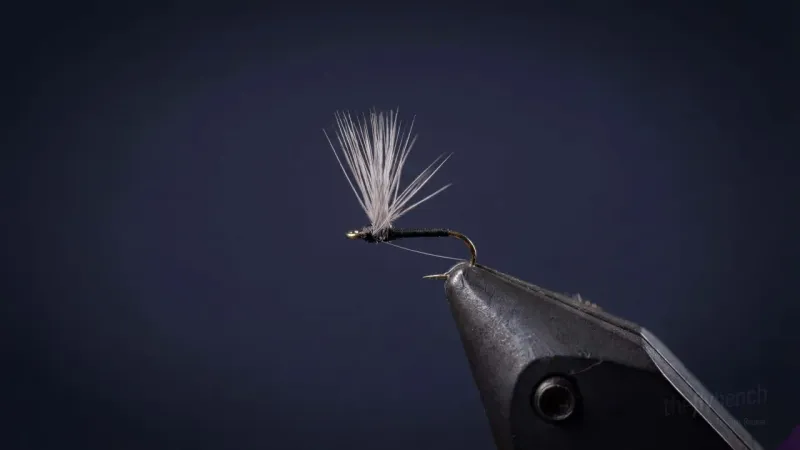
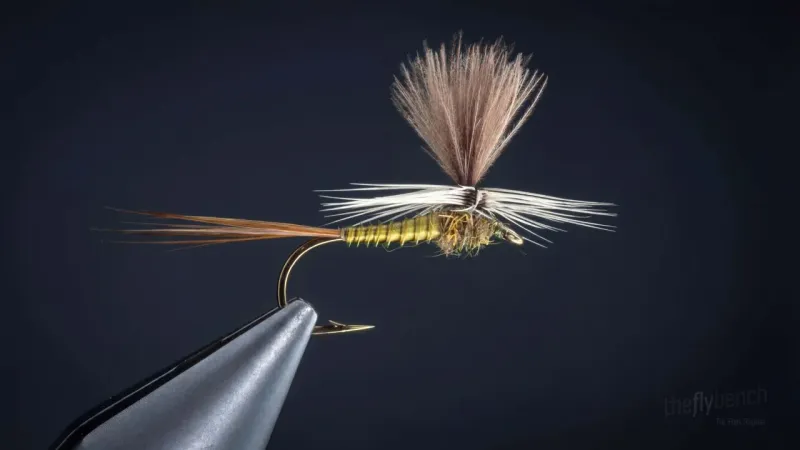
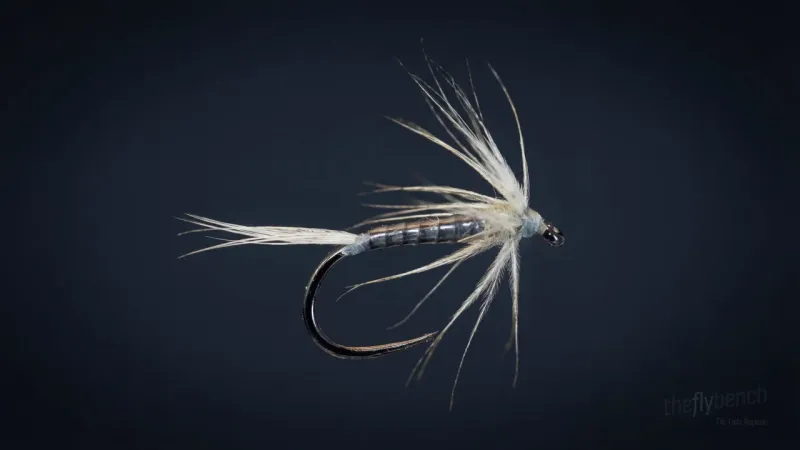
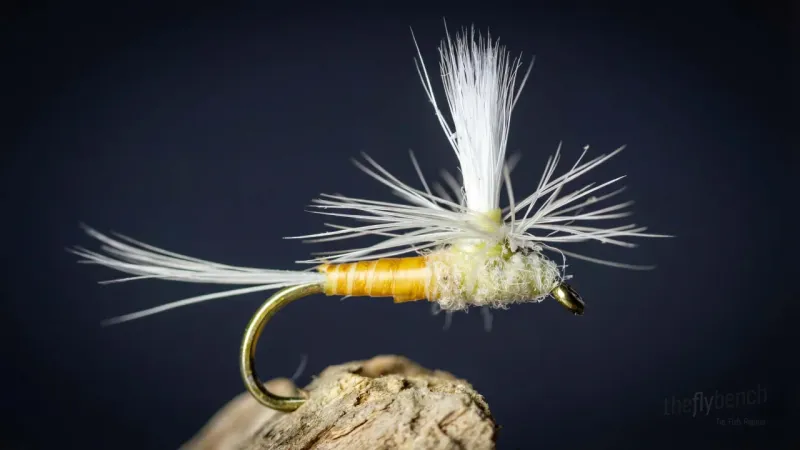
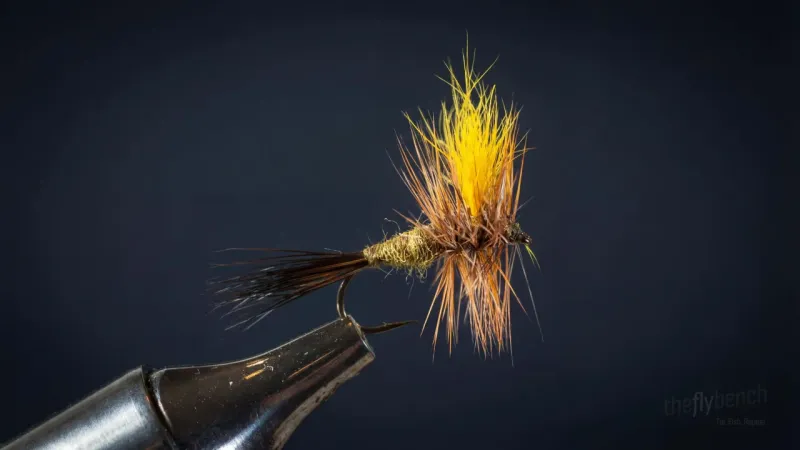
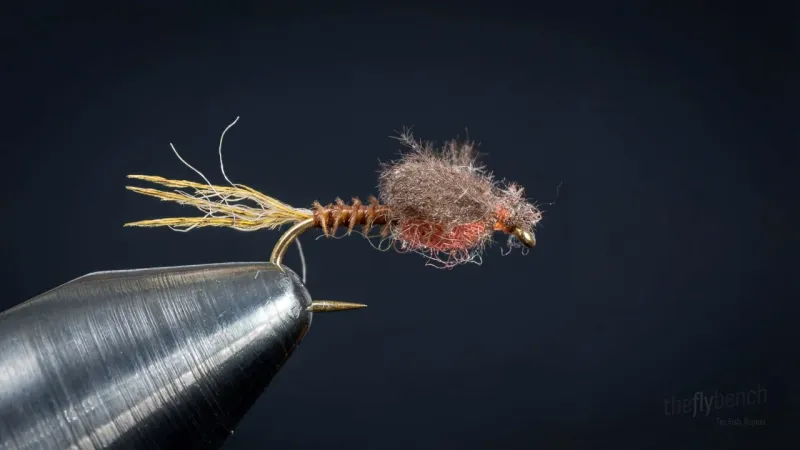
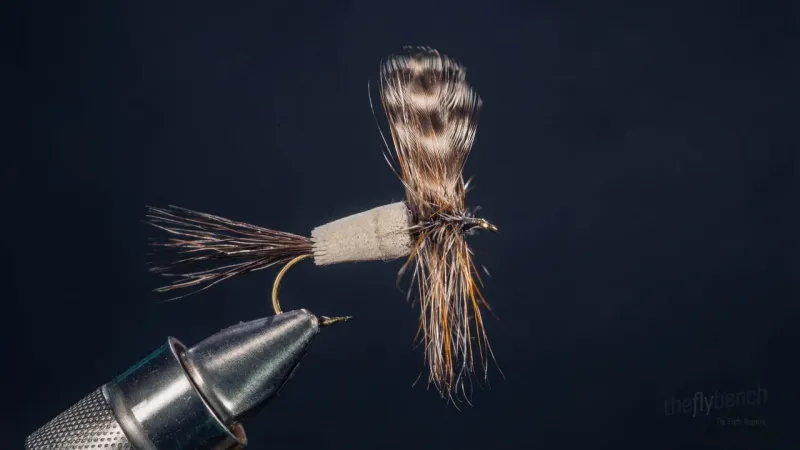
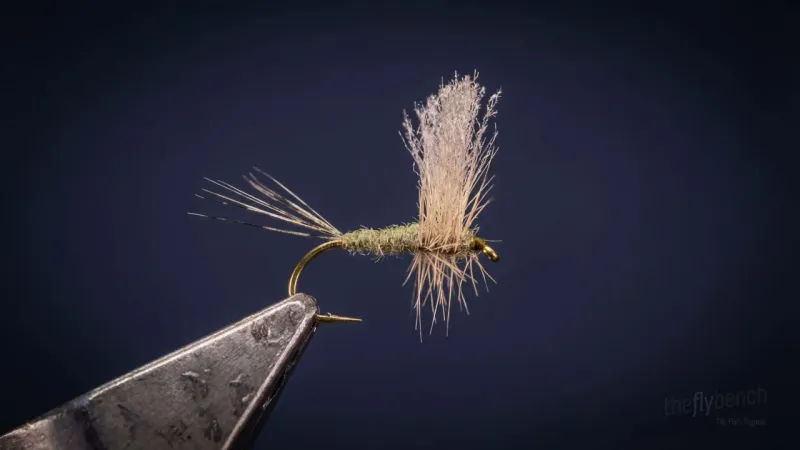
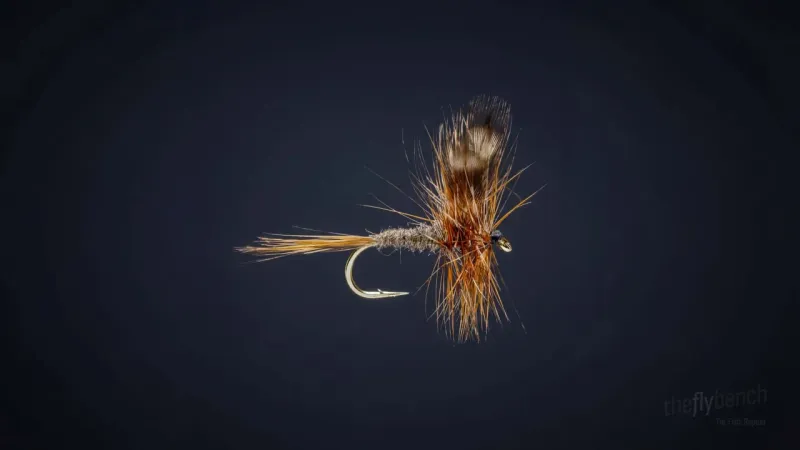
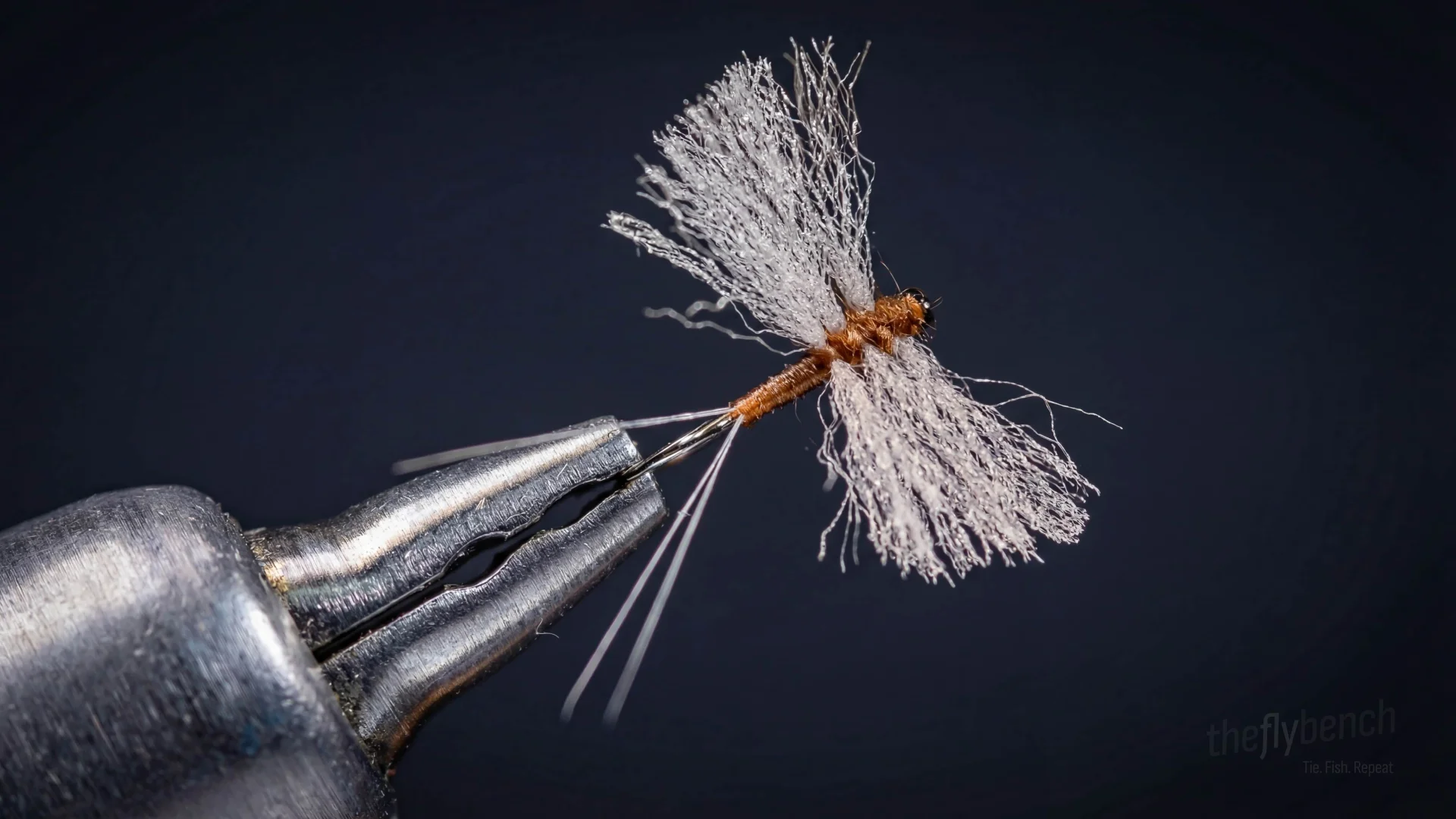
Charlie Craven's innovative spent mayfly pattern creates superior visibility through its unique three-wing configuration. Features split white mayfly tail, slim rusty brown superfine body, and three gray poly yarn wings that provide excellent angler tracking while maintaining the authentic spent mayfly silhouette that selective trout demand.
Spring, Summer, Fall
Intermediate
Trout
Dec 2025
Overview
Charlie Craven developed this pattern for Charlie's Fly Box to solve spinner fishing's biggest challenge: visibility during low-light spinner falls. The triple wing configuration creates a larger, more visible profile while presenting the flat-winged silhouette fish expect from spent mayflies. Gray poly yarn provides visibility against both light and dark water while the rusty brown body and white tails match many common spinner species. Umpqua XC110BL-BN hook provides wide gape for solid hookups.
Materials
Hook: Umpqua XC110BL-BN, #14-20
Thread: Veevus 14/0, rusty brown
Tail: Mayfly Tails, white
Body: Superfine Dubbing, rusty brown
Wing: Poly Yarn, gray
Behavior & Presentation
Natural Behavior: Spent mayfly spinners lie motionless in the surface film with wings outstretched after completing mating flights, drifting helplessly downstream in death. Dense concentrations of expired adults trigger methodical sipping rises from selective trout.
Where Trout Eat It: Fish rise in smooth glides, pool tail-outs, and slow runs where spent spinners accumulate in visible clusters.
How to Fish It: Fish with completely drag-free drift keeping the fly flush in the film; any movement alerts selective feeders during spinner falls.
Best Water: Focus on tail-outs collecting spent insects, slicks where spinners concentrate, and foam lines accumulating expired mayflies.
Strike Type: Watch for quiet sipping rises and subtle dimples as fish delicately take spinners from the surface.
Fishing Strategy
Rigging Suggestions: Fish on 12-15 foot leader tapering to 5X-6X fluorocarbon tippet. Fine tippet helps the fly land softly and drift naturally. Position yourself for minimal false casting to avoid spooking fish.
Seasonal Timing: Peak effectiveness during mayfly spinner falls from April through October, with heaviest activity May through September. Evening spinner falls typically occur between 7-9 PM when water temperatures reach 55-65°F.
Pro Tips: Apply floatant to wings only, keeping body and tail untreated so the fly sits properly in the film with prominent visible wings. The triple poly yarn configuration remains visible even during the quiet of spinner falls at dusk.
Entomology
Mayfly spinners fall spent and dying onto the water after completing their mating flights, lying motionless with outstretched wings flush in the surface film. Trout sip these expired adults with quiet confidence because spinner falls create dense carpets of helpless insects that require minimal energy to consume.
- Order
- Ephemeroptera
- Common Name
- Mayfly
- Organism Type
- insect
- Life Stage
- spinner