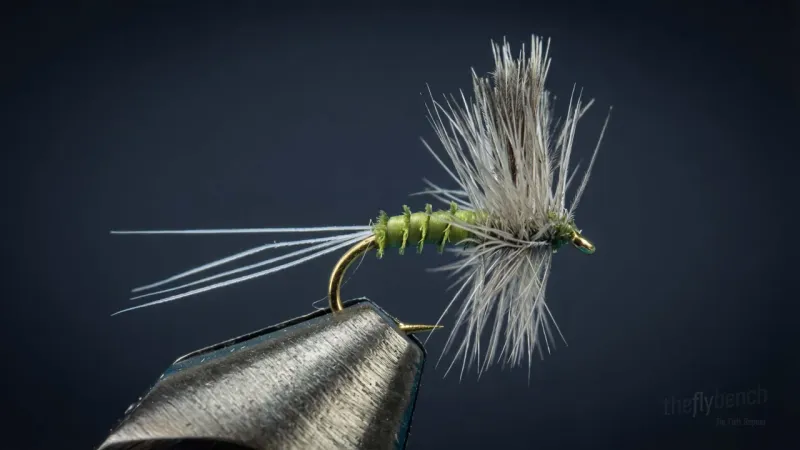
Dry FliesCDC Captive Dun
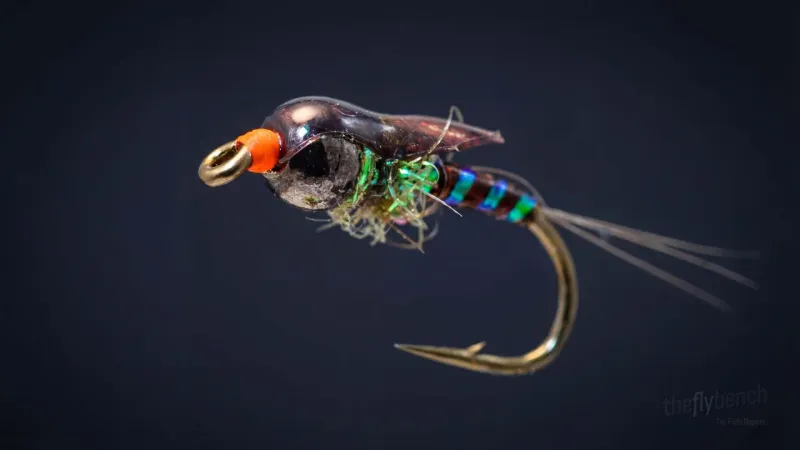
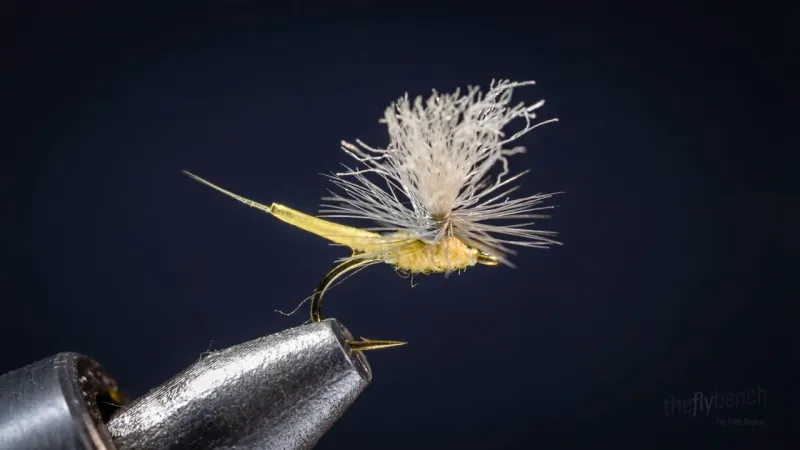
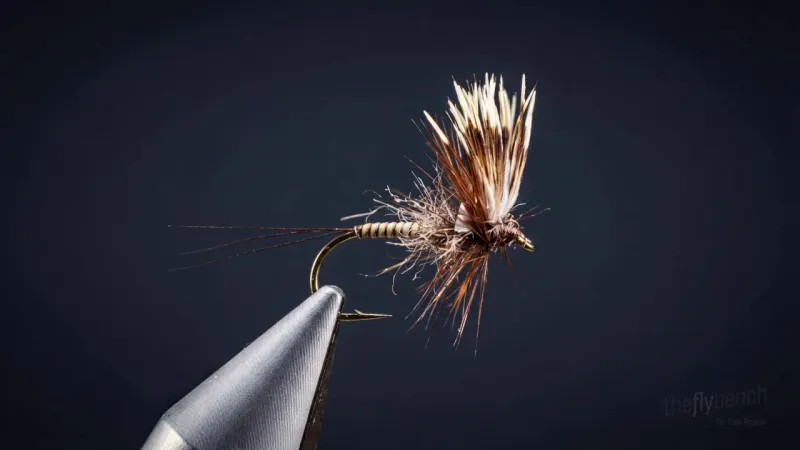
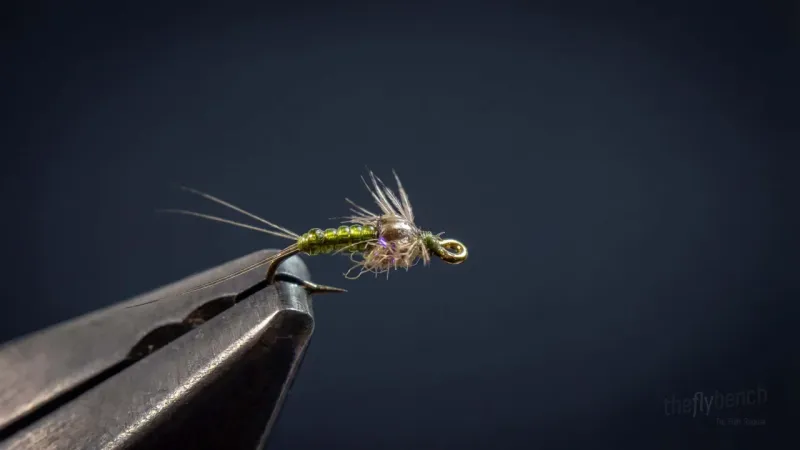
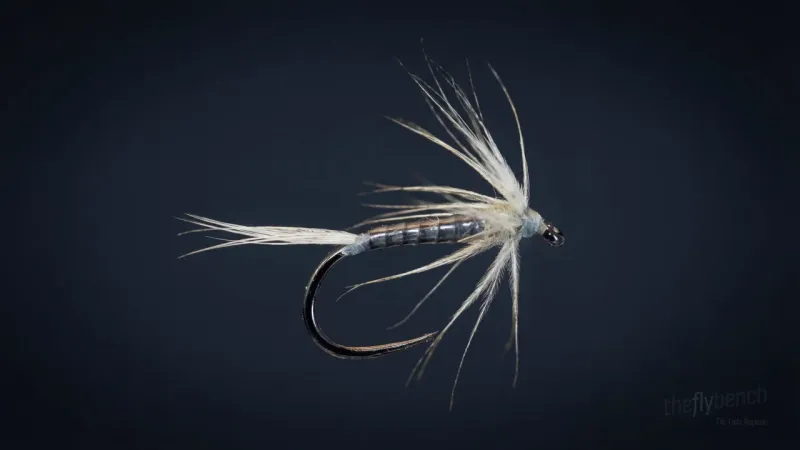
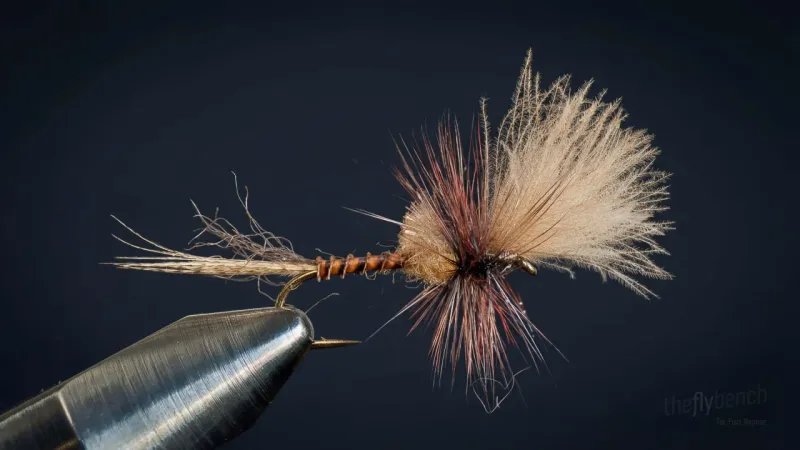
The CDC Captive Dun is a high-floating dun imitation designed to mimic a mayfly dun trapped in the surface film. The CDC feathers provide excellent floatation and movement, making this fly irresistible to trout.
Spring, Summer
Advanced
Trout
Apr 2025
Overview
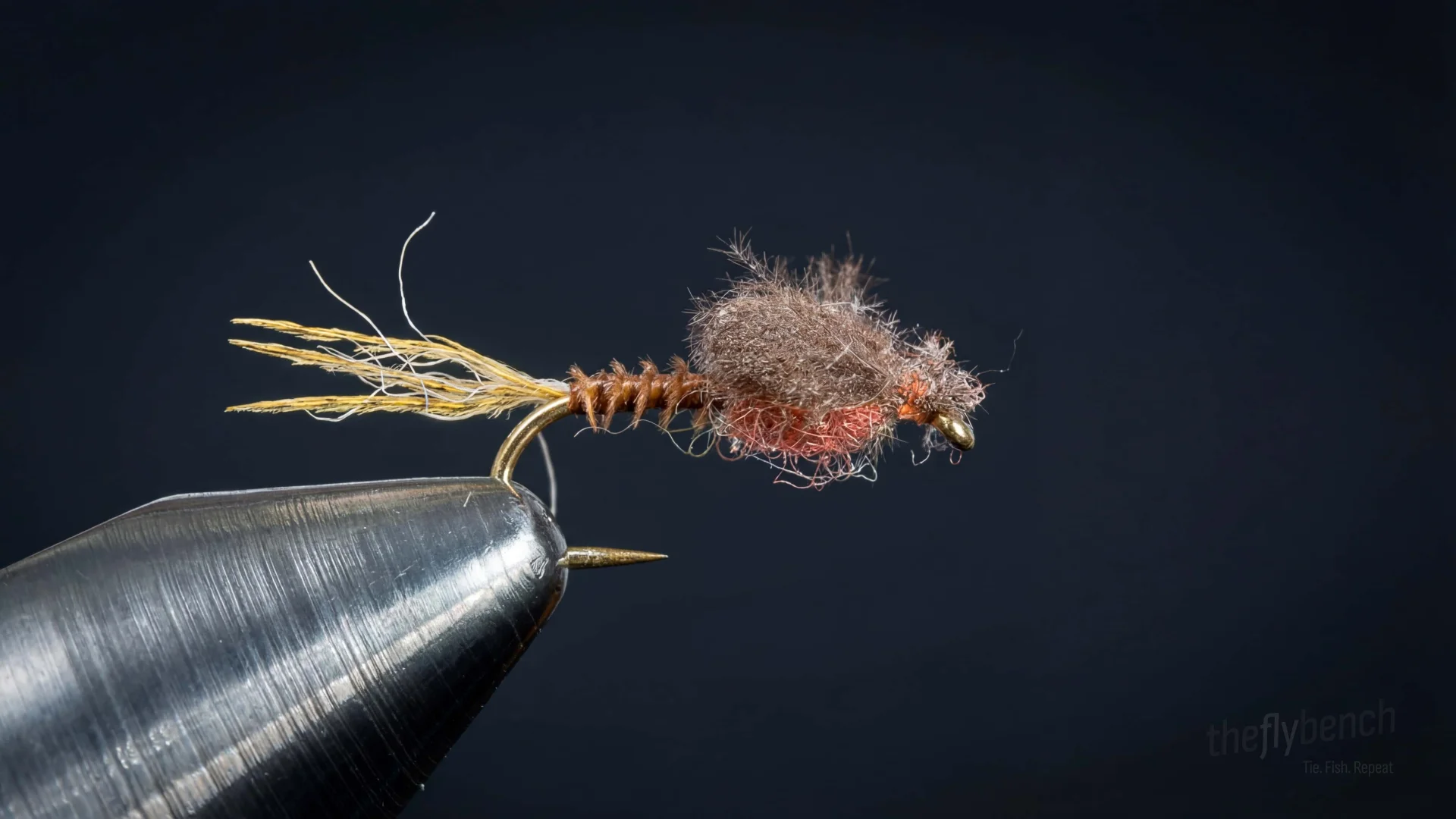
This emerger pattern simulates a mayfly stuck in its shuck. It's tied with a trailing shuck of antron or Zelon, a biot or dubbed body, and a swept-back CDC wing. Often fished in slow water or eddies during a hatch, it's a subtle but effective pattern for technical dry fly situations.
Where to Buy This Fly
We only link to fly shops we trust. Some links are referral links, which may earn us a commission at no extra cost to you.
Materials
- Hook:
- Tiemco 101, size #12–#16
- Thread:
- Olive 8/0
- Tail:
- Coq de Leon fibers
- Body:
- Olive Superfine Dubbing
- Wing:
- Natural Gray CDC feathers
- Hackle:
- Grizzly and Brown, mixed
Behavior & Presentation
Natural Behavior: Mayfly duns rest on the surface immediately after emerging from their nymphal shucks, with wings upright and partially trapped in the surface film. They require several minutes for their wings to dry and harden before flight, remaining completely vulnerable.
Where Trout Eat It: Selective trout target this emerger in slow water bordering fast seams where mayfly duns accumulate during emergence.
How to Fish It: Present with quartering downstream drift using mends, adding occasional subtle movement suggesting mayfly escaping nymphal case.
Best Water: Fish smooth water on outside edges of current seams, back eddies with conflicting currents, and slack pockets behind structure.
Strike Type: Rises appear as slow, deliberate sips with the fish's nose breaking the film briefly—delay the set momentarily to ensure the fly is fully taken.
Fishing Strategy
Rigging Suggestions: A 9-foot leader tapered to 5X is appropriate. Apply floatant sparingly to the CDC feathers to keep this fly riding in the surface film.
Seasonal Timing: Most productive during optimal water temperature windows and peak insect activity periods.
Pro Tips: The CDC Captive Dun floats well due to the CDC feathers. Its olive body and natural gray wing provide good visibility against various water backgrounds.
Entomology
Mayfly duns rest on the surface immediately after emerging from their nymphal shucks, with wings upright and partially trapped in the surface film. They require several minutes for their wings to dry and harden before flight, remaining completely vulnerable. Trout feed selectively on these freshly emerged duns during concentrated hatches, often refusing spinners or fully dried adults in favor of the captive emergers.
- Order
- Ephemeroptera
- Common Name
- Mayfly
- Organism Type
- insect
- Life Stage
- adult