Dry FliesNo-See-Um
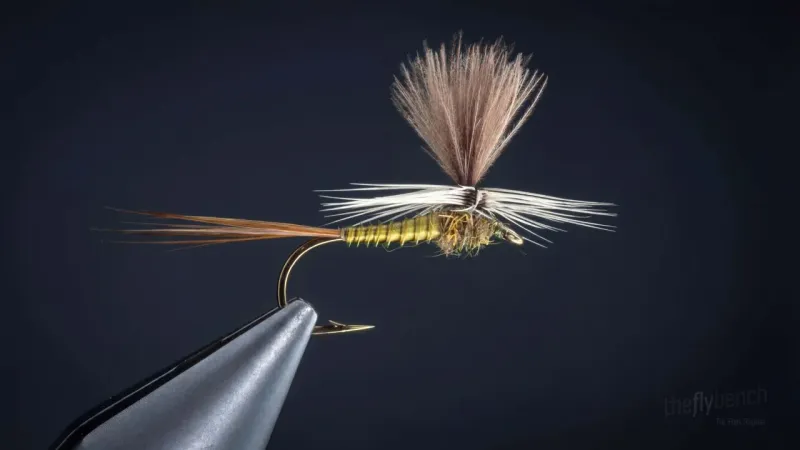
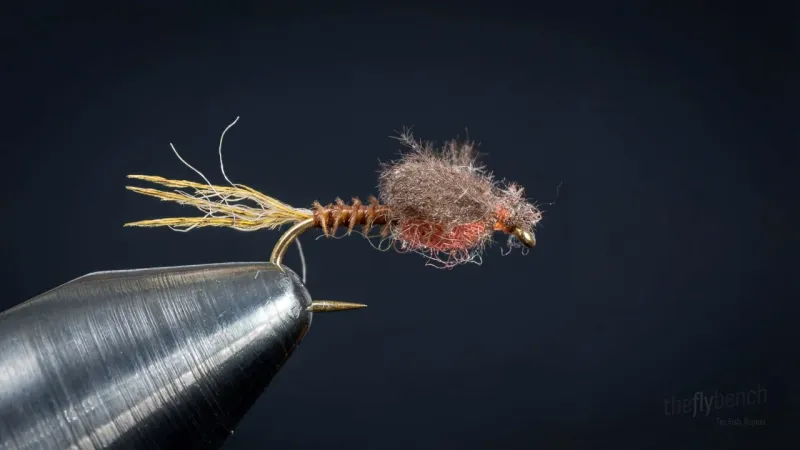
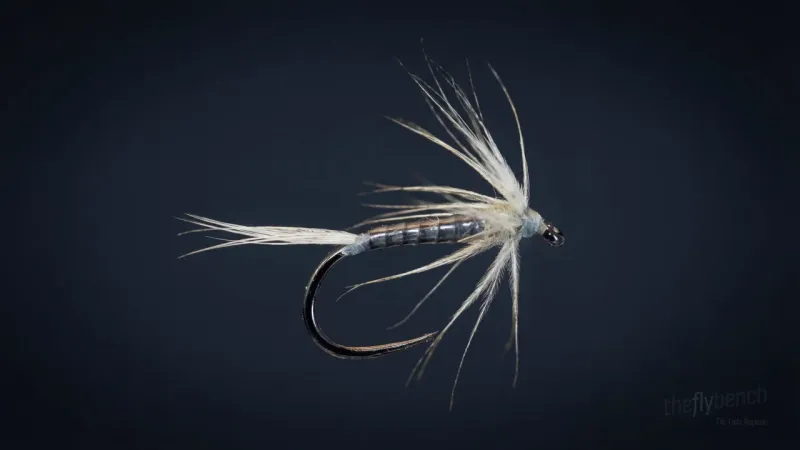
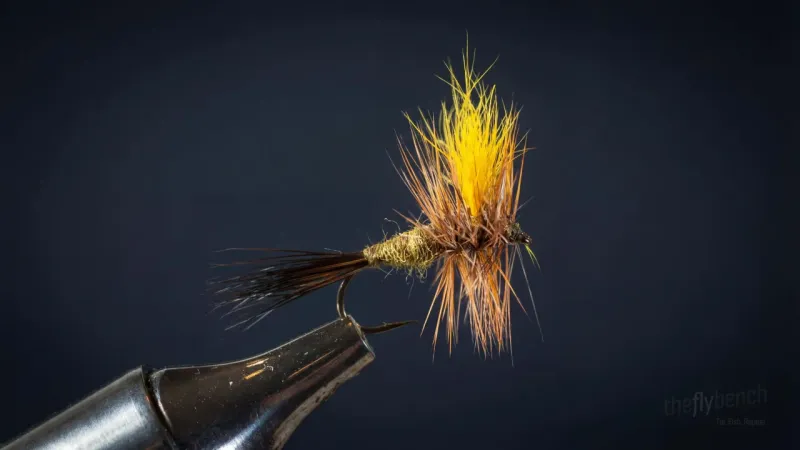
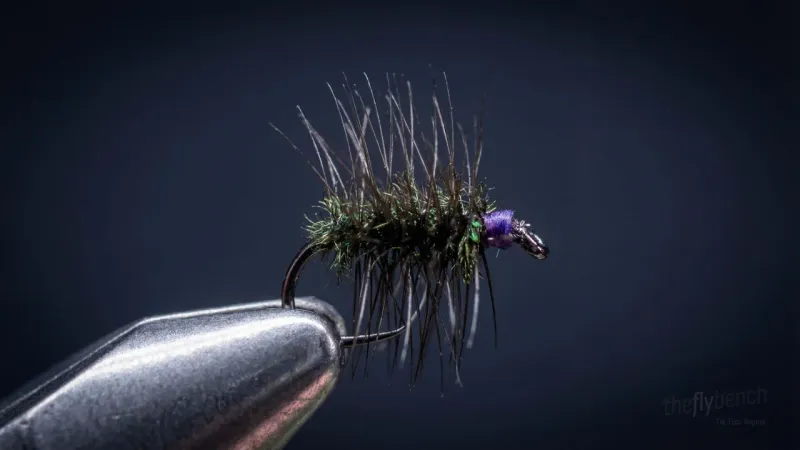
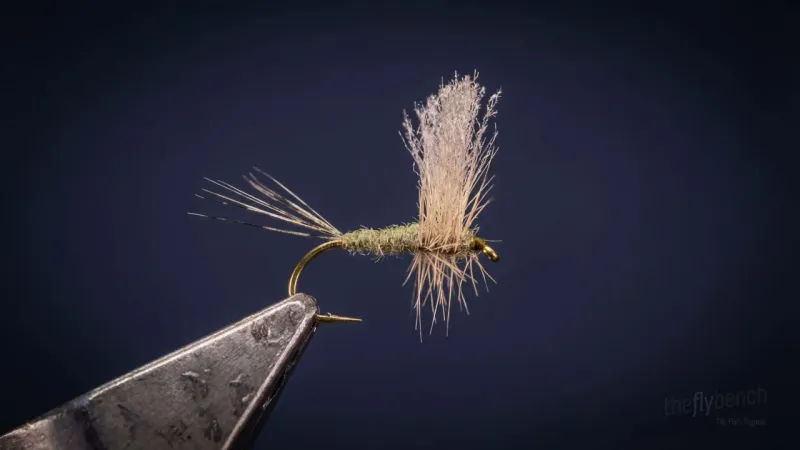
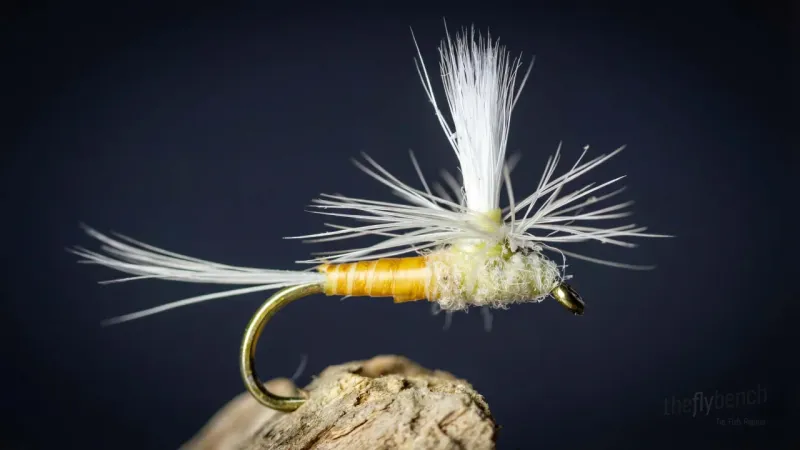
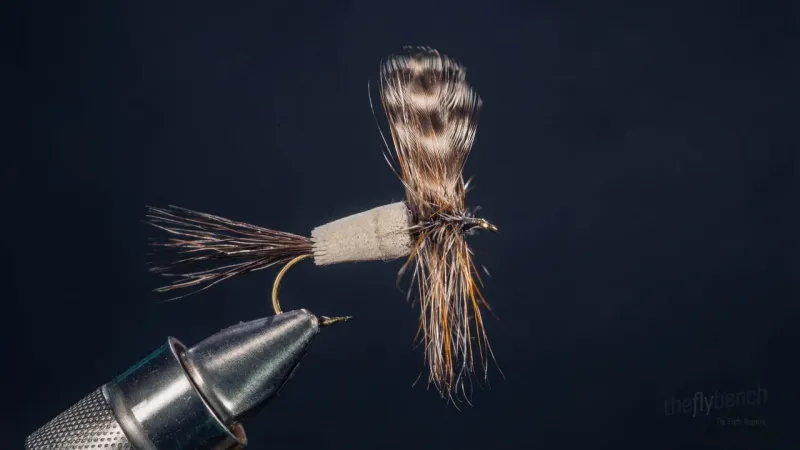
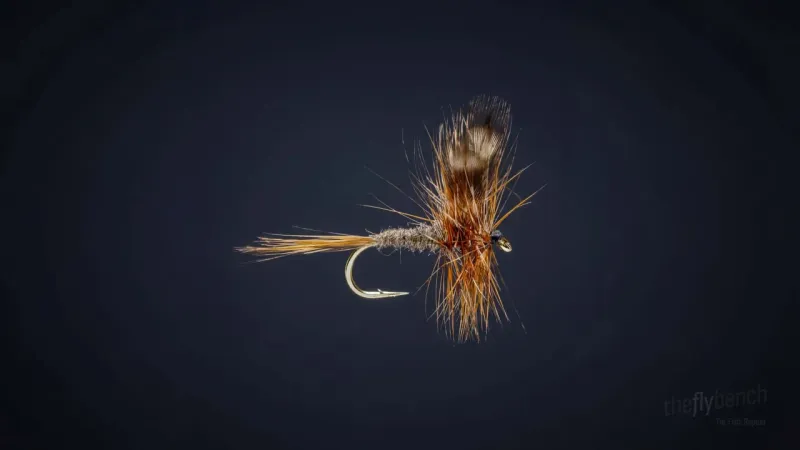
Innovative dry fly pattern created by Phil Bair from Utah. Designed to eliminate all unnecessary parts to focus on just the components that make it work. The signature upswept hackle technique allows the body to sit further into the water while keeping the wing nice and vertical. Excels during midge or baetis hatches.
Spring, Summer, Fall
Intermediate
Trout
Nov 2025
Overview
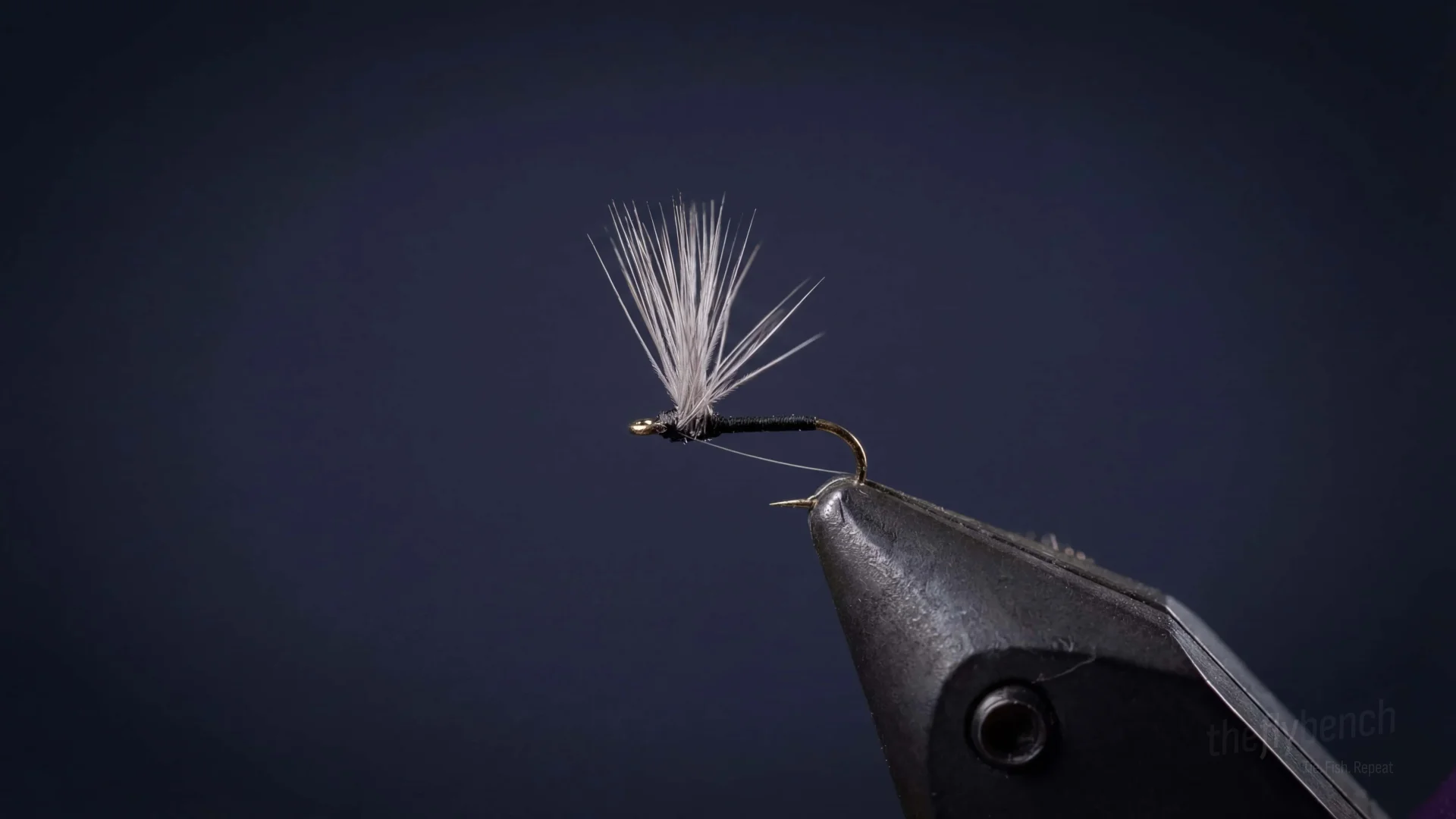
Created by Phil Bair in the early 2000s, the No-See-Um features a unique upswept hackle technique that sets it apart from traditional dry flies. The lack of a tail or trailing shuck allows the body to sit deeper in the surface film, creating a more realistic silhouette. This pattern can be tied in a variety of sizes and colors to match different hatches, from tiny midges (#22-24) to larger mayflies like PMDs and green drakes (#14-16). The simplicity of materials makes it a quick tie once the upswept hackle technique is mastered.
Materials
Hook: TMC 100 Dry Fly Hook - 20 - 25 Pack
Hook (Alternate 1): TMC 101 Dry Fly Hook - 20 - 25 Pack
Hook (Alternate 2): TMC 100B Dry Fly Hook, Black Nickel - 20
Hackle: Whiting 100 Pack - Size Variety Value Pack - 16 - Grizzly
Hackle (Alternate): Whiting 100 Pack Dry Fly Hackle - Medium Dun - 16
Thread: Semperfli Classic Waxed Thread - 12/0 - Steel
Thread (Alternate): Veevus Fly Tying Thread - 12/0 - Dun #106
Thread (Alternate 2): UTC Ultrathread 70 Denier - Blue Dun
Behavior & Presentation
Natural Behavior: Freshly emerged duns pause on the surface film while wings stiffen, floating helplessly through feeding lanes during concentrated hatches. Large numbers of these tiny adults provide sustained feeding despite minimal individual size.
Where Trout Eat It: Fish rise in calm flats, eddy margins, and along current seams where surface-drifting adults accumulate in predictable lanes.
How to Fish It: Present with drag-free drift through feeding zones, matching the passive float of natural duns unable to escape surface tension.
Best Water: Focus on back eddies, tail-outs, and slicks where smooth water allows fish to inspect and intercept drifting adults.
Strike Type: Delicate sipping rises with minimal surface disturbance indicate selective feeding on small targets.
Fishing Strategy
Rigging Suggestions: Can be fished alone on 5X-6X fluorocarbon tippet or as the indicator in a dry-dropper rig with a small nymph 18-24 inches below.
Seasonal Timing: Most effective April through October during spring, summer, and fall when midges and mayflies are active. Peak productivity occurs during May-June and September-October when Baetis and PMD hatches are most reliable.
Pro Tips: The upright hackle makes it reasonably visible but may require close observation in choppy water. Apply gel floatant sparingly to maintain the low profile.
Entomology
Tiny mayfly duns rest in the surface meniscus immediately after emergence, drying their wings while drifting downstream in vulnerable post-hatch flotillas. Fish sip these miniature emergers delicately because their massive numbers during concentrated hatches provide sustained feeding despite small individual size.
- Order
- Ephemeroptera
- Family
- Ephemerellidae
- Common Name
- Pale Morning Dun
- Organism Type
- insect
- Life Stage
- dun