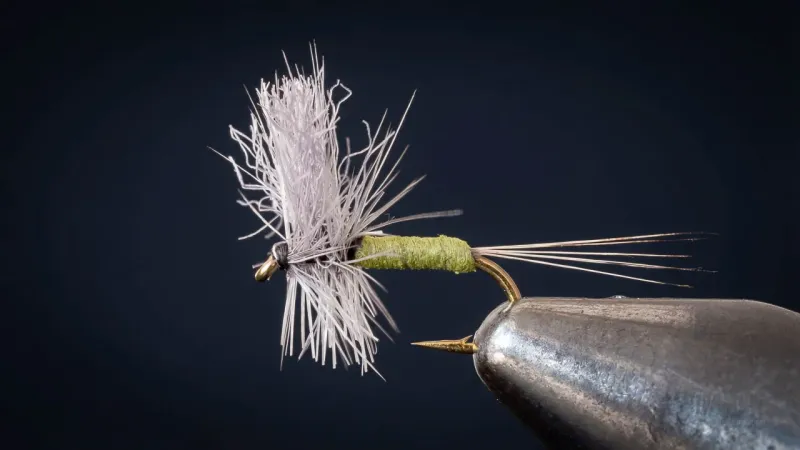
Dry FliesBWO Parachute
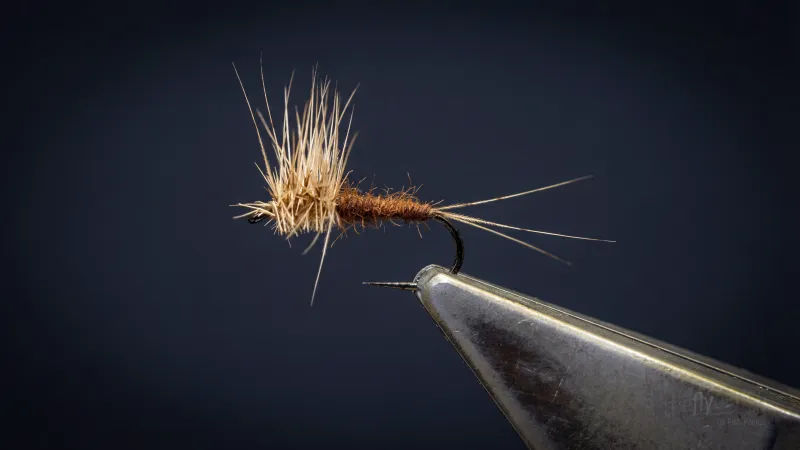
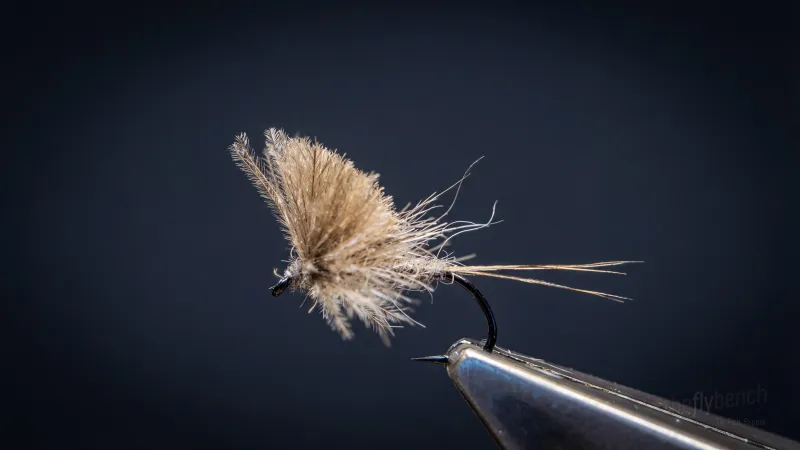
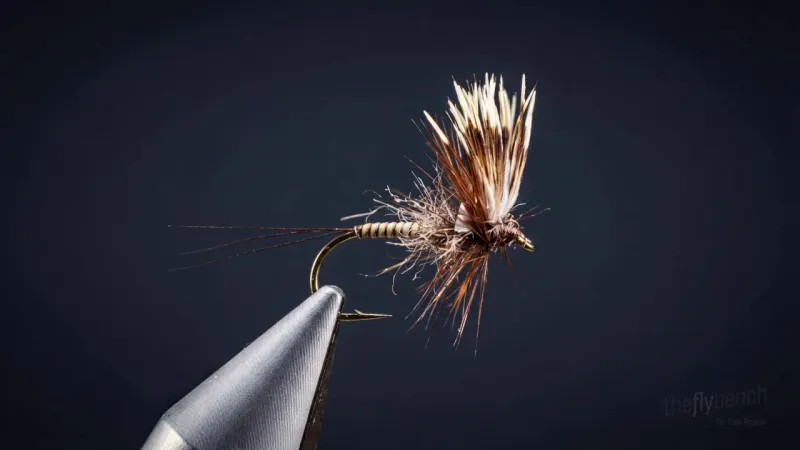
The BWO Parachute is a classic dry fly pattern that's designed to sit flush on the water, emulating a mayfly at rest. Because of its parachute design, it's easy to spot in rough waters and it's highly appealing to trout.
Spring, Fall
Intermediate
Trout
Apr 2025
Overview
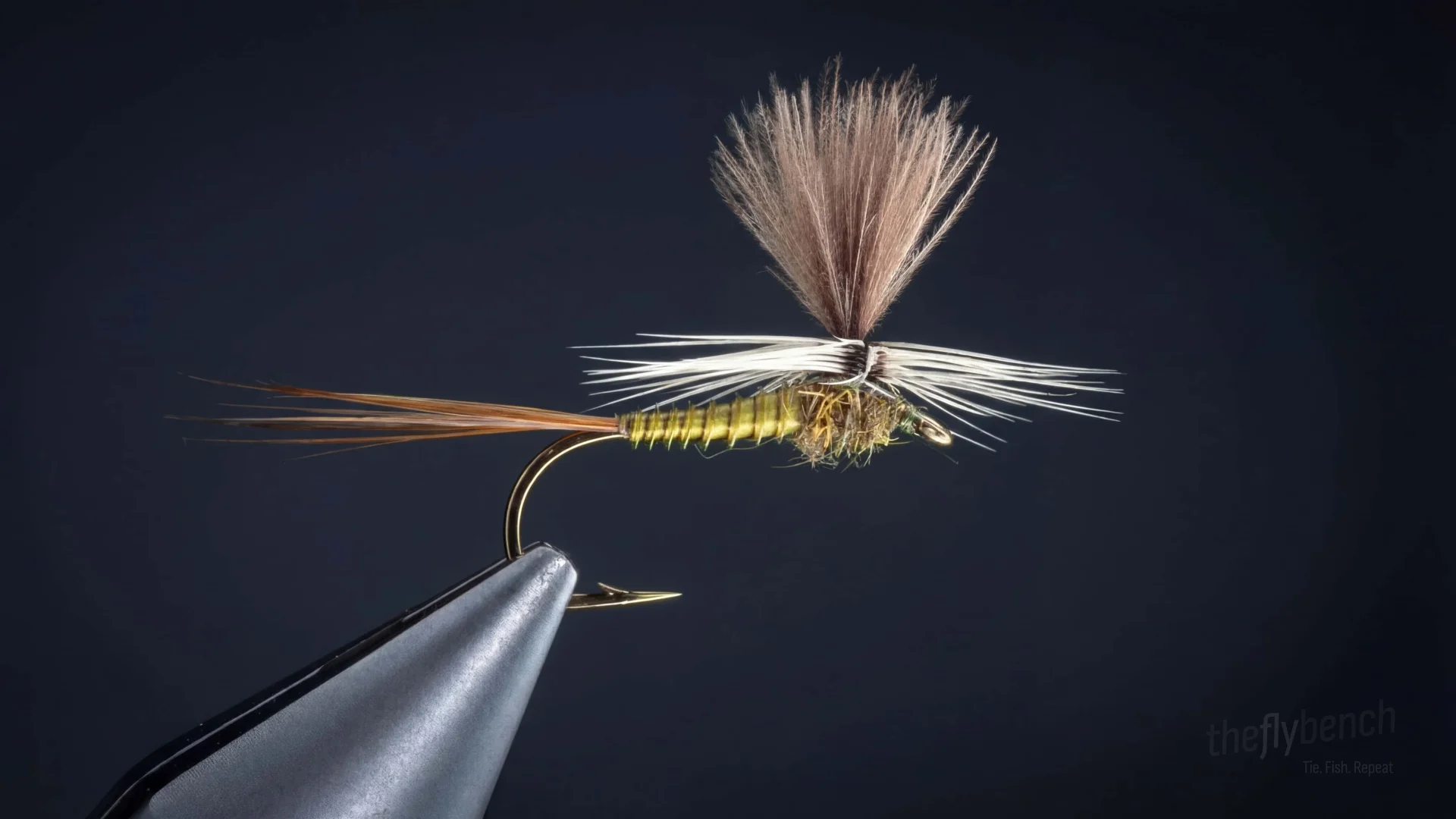
A classic parachute dry tied with a dubbed olive body, white post (usually poly yarn or calf body hair), and grizzly or dun parachute hackle. The tail is often microfibbet or Coq de Leon. The parachute style offers excellent visibility and stability in surface currents, making this a must-have during Blue Wing Olive hatches.
Where to Buy This Fly
We only link to fly shops we trust. Some links are referral links, which may earn us a commission at no extra cost to you.
Materials
- Hook:
- Tiemco 100, size #16–#20
- Thread:
- Olive Veevus 14/0
- Tail:
- Coq de Leon Indio
- Abdomen:
- Turkey Biot Olive
- Wing/post:
- 3 Natural CDC Hackles
- Hackle:
- Silver Badger Hackle
- Thorax:
- Olive Squirrel Dubbing
Behavior & Presentation
Natural Behavior: Blue-winged olive adults (Baetis species) land gently on the surface with wings upright after emerging from nymphs in the film. They sit vulnerably on the surface as their wings dry and bodies harden, often during overcast conditions or winter months.
Where Trout Eat It: Trout feed in tailwater glides and spring creek slicks during overcast BWO emergences, sipping adults along weed edges.
How to Fish It: Use long 9-12 foot leaders with 5X-6X tippet for drag-free drift, presenting with upstream or reach casts during concentrated hatches.
Best Water: Most effective in smooth glides with uniform depth, spring creek slicks with vegetation, and tailwater pool edges.
Strike Type: Selective trout sip this parachute pattern with minimal surface disturbance, often requiring 6X tippet and observation of subtle swirls before lift-setting.
Fishing Strategy
Rigging Suggestions: Use a 9-12 foot leader with 5X-6X tippet to prevent the fly from dragging and spooking selective trout. Apply floatant to the post and hackle for extended flotation.
Seasonal Timing: Most effective in from March through May and from September through November when Blue-Winged Olive mayflies are most active, especially on overcast or rainy days.
Pro Tips: The parachute post and hackle help keep the fly floating high and improve visibility for the angler. The olive body color perfectly matches the naturals during BWO emergences.
Entomology
Blue-winged olive adults (Baetis species) land gently on the surface with wings upright after emerging from nymphs in the film. They sit vulnerably on the surface as their wings dry and bodies harden, often during overcast conditions or winter months. Trout become intensely selective during BWO hatches, keying on the specific size, color, and silhouette of drifting adults while refusing other patterns.
- Order
- Ephemeroptera
- Common Name
- Mayfly
- Organism Type
- insect
- Life Stage
- adult