Dry FliesBiot Parachute
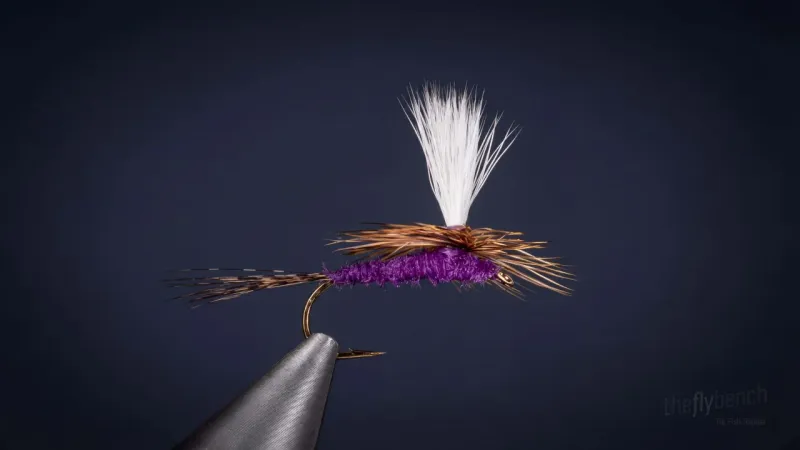
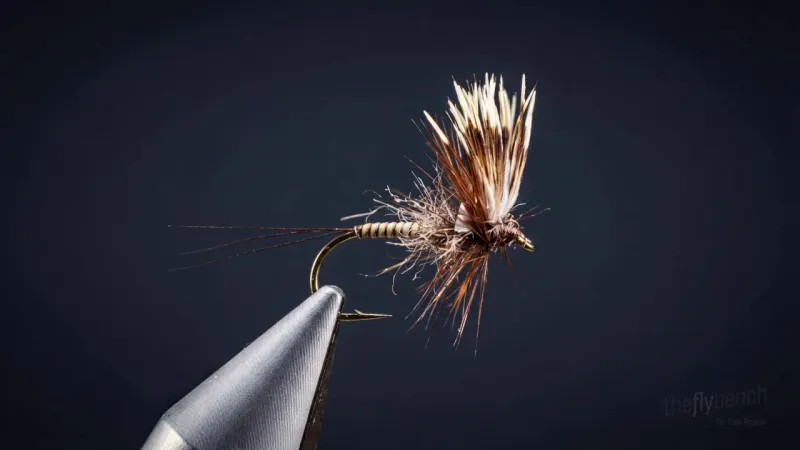
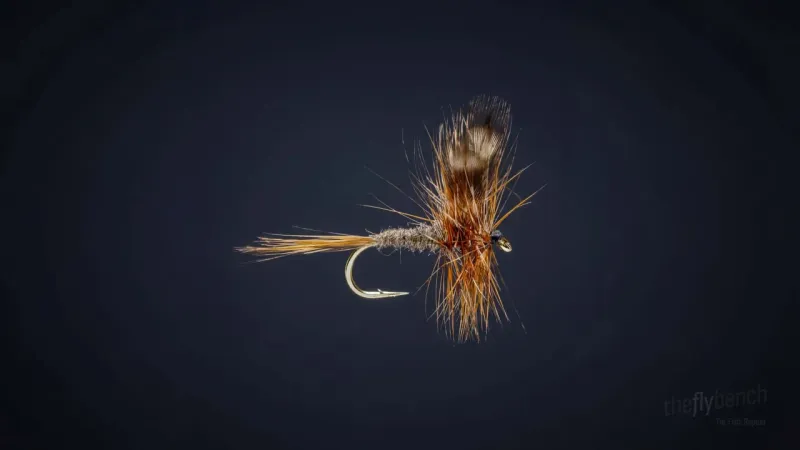
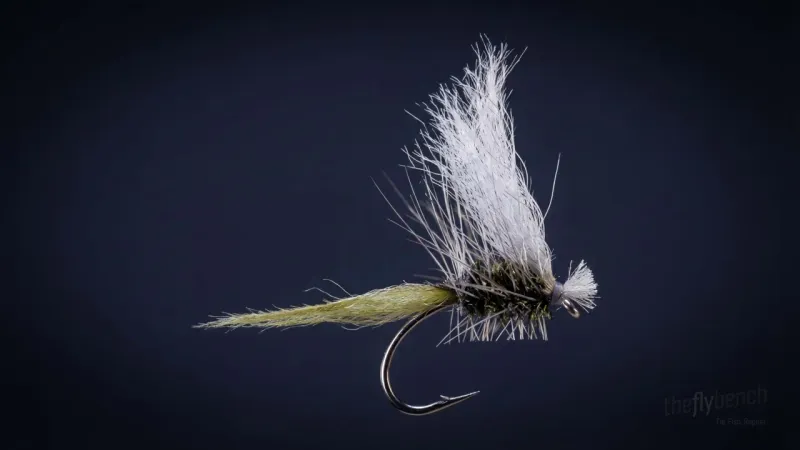
A favorite among dry fly enthusiasts, the Biot Parachute is a classic pattern that imitates various mayfly species. The biot body provides a realistic segmented look, and the parachute hackle allows for a delicate presentation.
Spring, Summer
Intermediate
Trout
Apr 2025
Overview
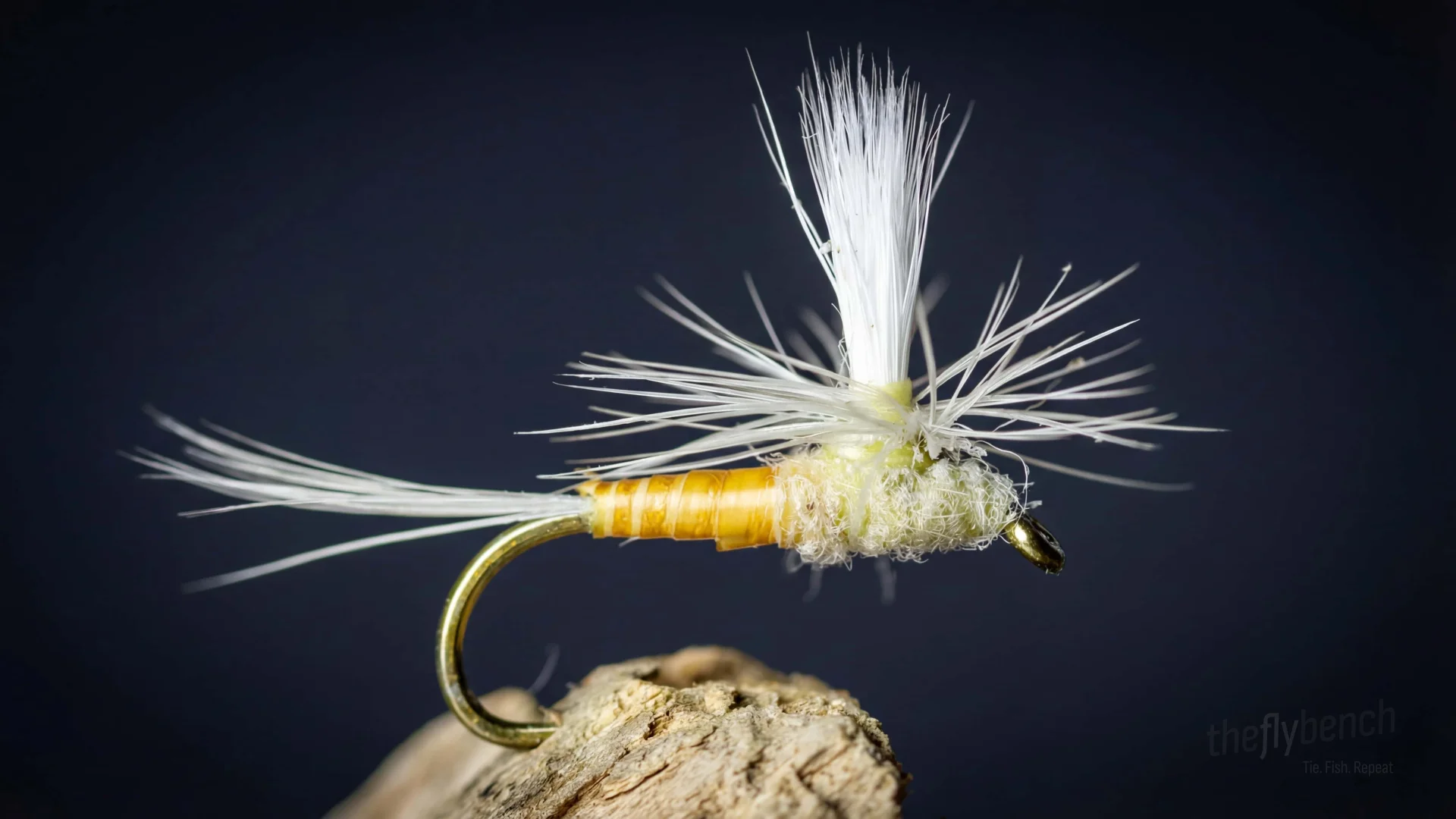
The Biot Parachute is a refined mayfly dry fly pattern that features a segmented biot body—typically from turkey or goose—for a clean, realistic silhouette. It's tied with a parachute-style hackle around a post made from white or Hi-Vis material like poly yarn or CDC for visibility. The thorax is lightly dubbed, and the sparse hackle allows the fly to sit flush in the film while still providing floatation. This pattern is excellent for matching slender-bodied mayflies in clear or slow-moving water.
Where to Buy This Fly
We only link to fly shops we trust. Some links are referral links, which may earn us a commission at no extra cost to you.
Materials
- Hook:
- Tiemco 100, size #12–#20
- Thread:
- Olive UTC 70 denier
- Tail:
- Brown hackle fibers
- Body:
- Olive goose biots
- Post:
- White Poly Yarn
- Hackle:
- Grizzly hackle
- Thorax:
- Olive Superfine Dubbing
Behavior & Presentation
Natural Behavior: Freshly emerged adults sit vulnerable on the surface with wings upright, creating distinctive silhouettes. Their wings require several minutes to dry and harden before flight becomes possible, during which they drift helplessly.
Where Trout Eat It: Selective trout rise in spring creeks, tailwaters, and smooth glides during concentrated hatch periods.
How to Fish It: Delicate upstream cast with drag-free drift, mending line as needed to maintain natural float.
Best Water: Target smooth glides, tail-outs, pools, current seams, and slicks where mayflies concentrate.
Strike Type: Look for visible rises, subtle sips, or surface rings as trout take drifting duns.
Fishing Strategy
Rigging Suggestions: Use a 9-12 foot leader with a 5X-6X tippet for delicate presentations. Apply floatant to the post and hackle to ensure proper flotation.
Seasonal Timing: Most effective from April through August during prime mayfly hatching periods, with peak activity in late and early . During mayfly hatches or when trout are seen rising to the surface, particularly during morning and evening feeding windows.
Pro Tips: The white post makes the fly visible from a distance, allowing you to track your drift in low light. In flat water, extend your tippet to 6X for ultra-selective fish.
Entomology
Adult mayflies rest on the surface with wings upright, creating a distinctive silhouette that trout recognize from repeated feeding experiences. They are vulnerable while their wings dry after emergence or during egg-laying flights when females return to oviposit. The parachute wing post mimics the upright wing profile of natural duns, triggering selective feeding behavior in trout keyed to specific mayfly species during prolific hatches.
- Order
- Ephemeroptera
- Common Name
- Mayfly
- Organism Type
- insect
- Life Stage
- adult