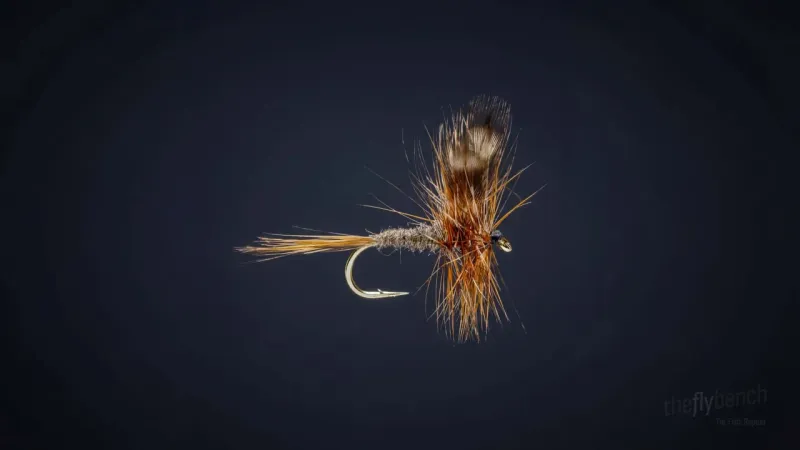
Dry FliesBarr's Vis-A-Dun
Versatile and effective dry fly pattern imitates a wide range of mayfly species. Designed by John Barr to sit low in the water, making it a convincing silhouette from a trout's view. The pattern's simplicity makes it a favorite among many anglers seeking a reliable mayfly imitation.
Spring, Summer, Fall
Intermediate
Trout
Apr 2025
Overview
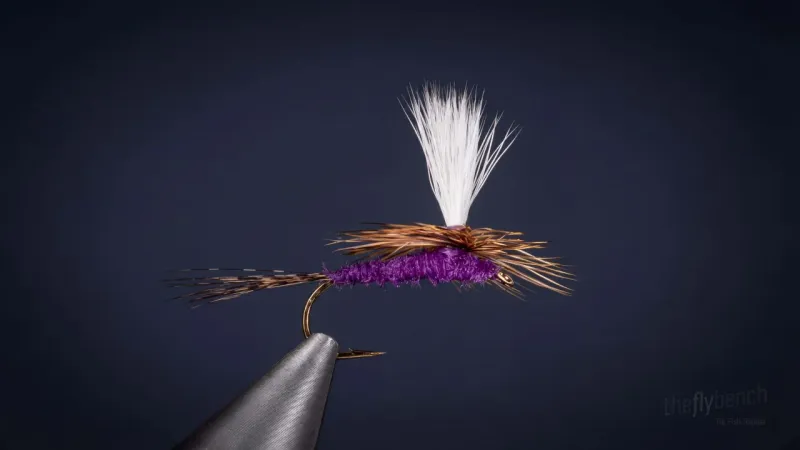
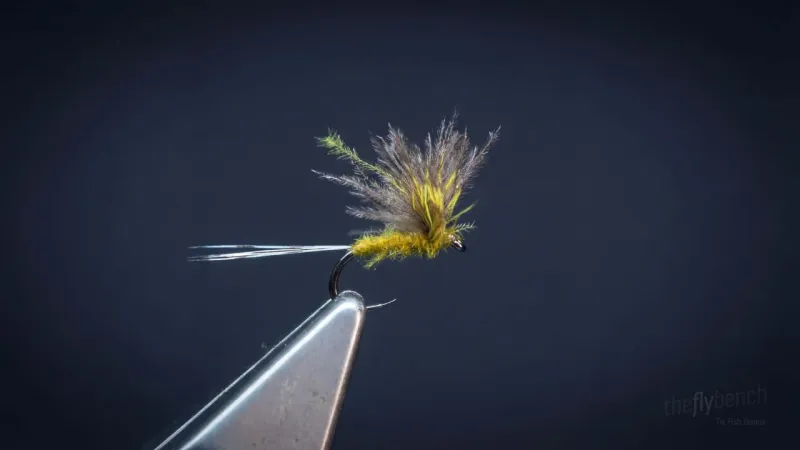
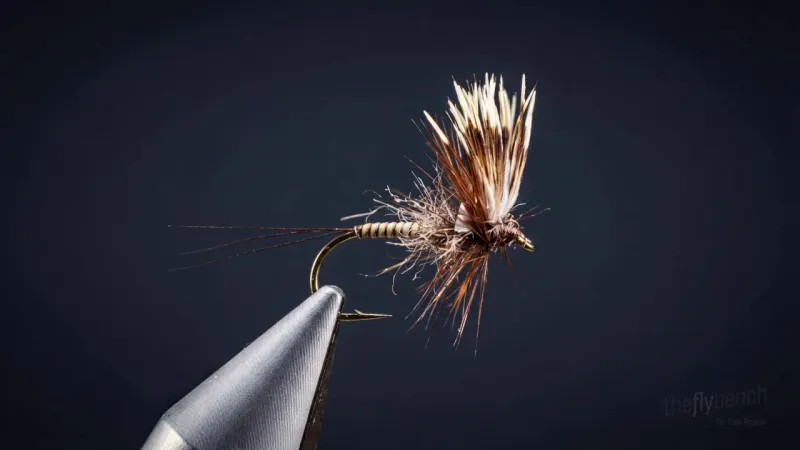
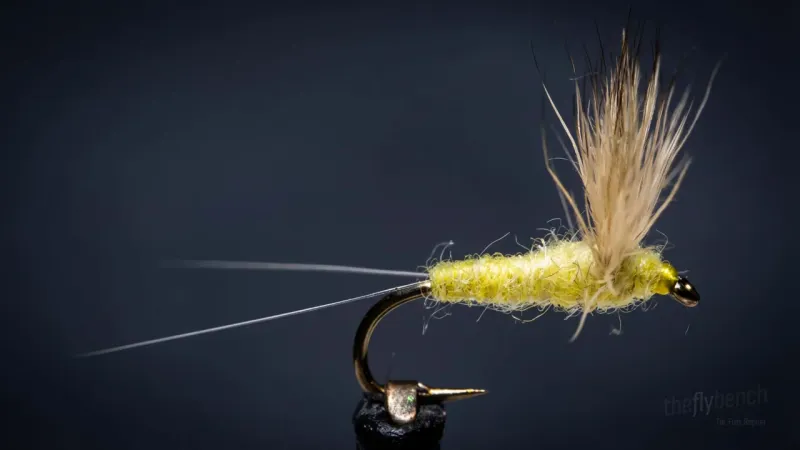
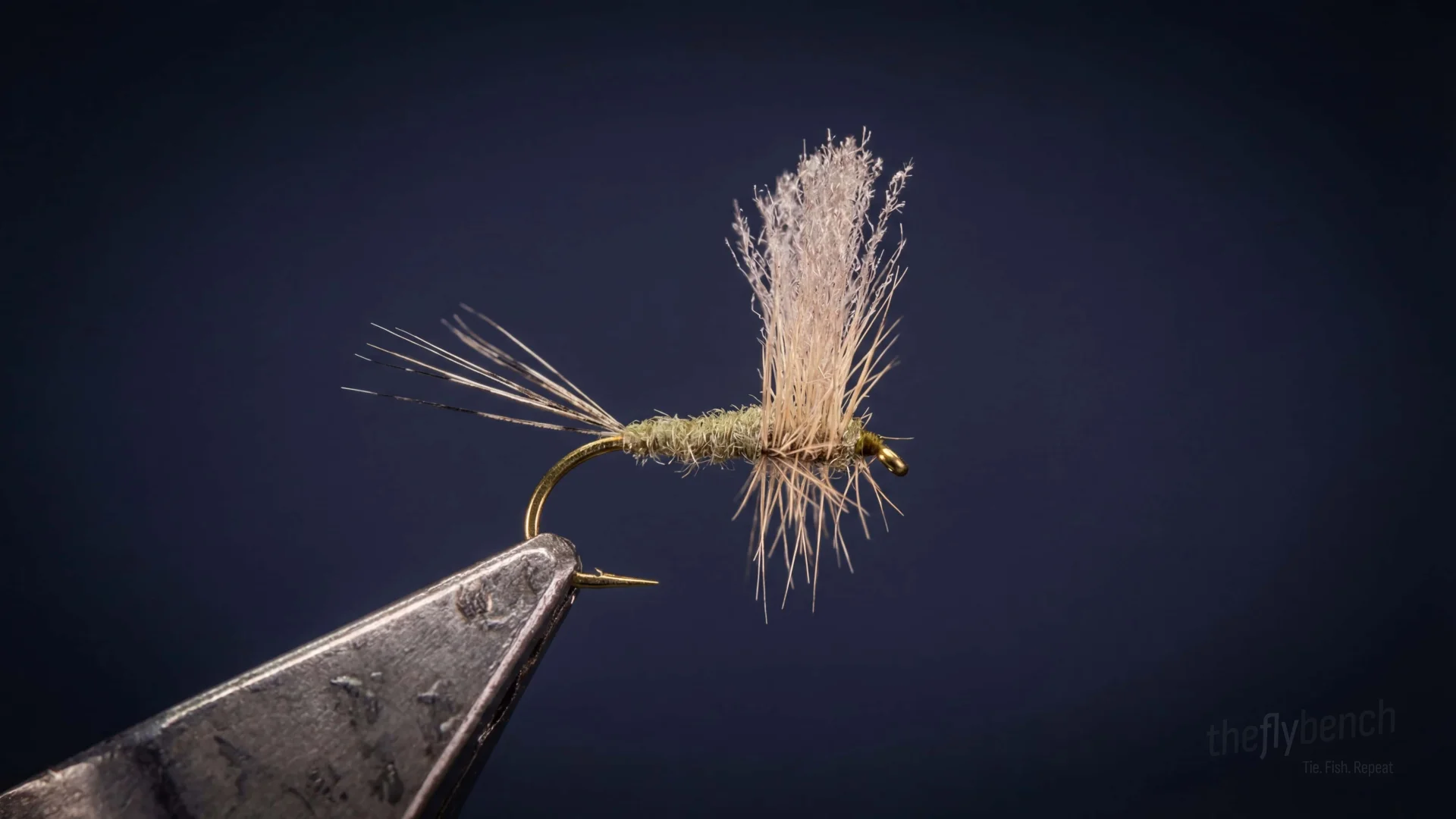
Barr's Vis-A-Dun developed by John Barr in the 1990s is a mayfly emerger-to-dun crossover pattern designed to sit flush in the film with maximum visibility. The fly is tied with a trailing shuck of Z-lon or Antron, a slender dubbed body, and an upright, high-viz post with a sparse hackle wrapped around it. The thorax is often dubbed slightly heavier to keep the fly balanced. It's a go-to dry fly for selective trout, particularly in slower water or when matching Baetis, PMDs, or other mayflies in sizes #14-20.
Where to Buy This Fly
We only link to fly shops we trust. Some links are referral links, which may earn us a commission at no extra cost to you.
Materials
- Hook:
- Tiemco 100, size #12–#18
- Thread:
- Olive 8/0 Uni-thread
- Wing:
- Deer hair
- Body:
- Olive superfine dubbing
- Tail:
- Coq de Leon
Behavior & Presentation
Natural Behavior: Mayfly duns emerge from nymphal shucks and rest on the surface with wings upright while their exoskeletons harden. This vulnerable drying period lasts from seconds to several minutes, during which the insects drift helplessly in feeding lanes.
Where Trout Eat It: Trout cruise just beneath the surface film in glides, eddies, and back eddies, sipping duns as they float overhead.
How to Fish It: Present with drag-free drifts through feeding lanes, matching the helpless float of surface-trapped insects.
Best Water: Most effective in eddies, glides, and foam lines where surface currents concentrate drifting duns.
Strike Type: Look for visible rises, subtle sips, or surface rings as trout take the drifting dun.
Fishing Strategy
Rigging Suggestions: Fish solo on a standard 9-foot leader ending in 5X or 6X tippet for delicate presentation. Use longer leaders (12-15 feet) in calm water for selective fish.
Seasonal Timing: Productive April through October during mayfly activity, with peak effectiveness during Blue-Winged Olive (March-May) and Pale Morning Dun (June-August) hatches. Water temperatures between 50-65°F trigger best hatches.
Pro Tips: The deer hair wing provides excellent visibility for the angler while maintaining a natural silhouette for the fish. Apply floatant to the body and wing before casting. This pattern works well when you need to see your fly in varied light conditions.
Entomology
Mayfly duns emerge from their nymphal shucks and sit on the water surface with wings held upright while their bodies harden and dry before flight. During this vulnerable drying period, which can last from seconds to several minutes depending on weather conditions, the insects drift helplessly in current lanes and back eddies. Their high visibility, predictable drift patterns, and inability to escape make them preferred targets during hatches when fish focus selectively on emerging duns over other life stages.
- Order
- Ephemeroptera
- Common Name
- Mayfly
- Organism Type
- insect
- Life Stage
- adult