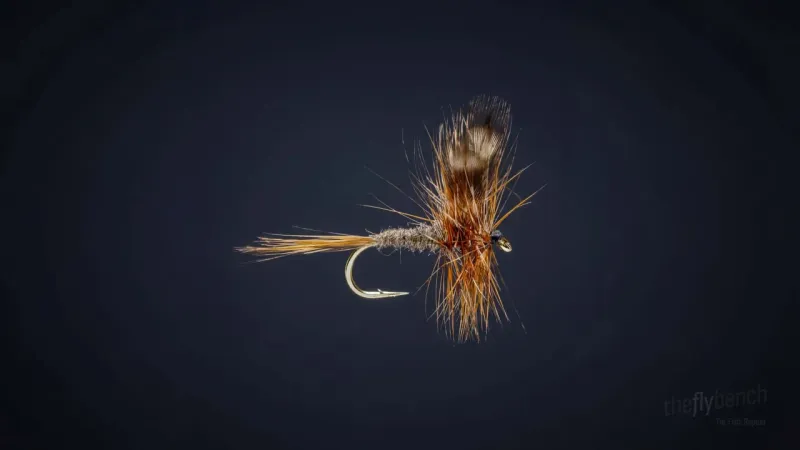
Dry FliesAdams Irresistible
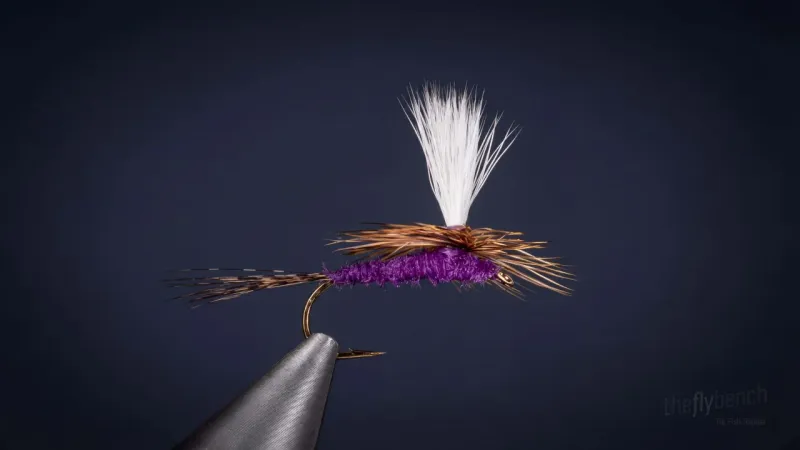
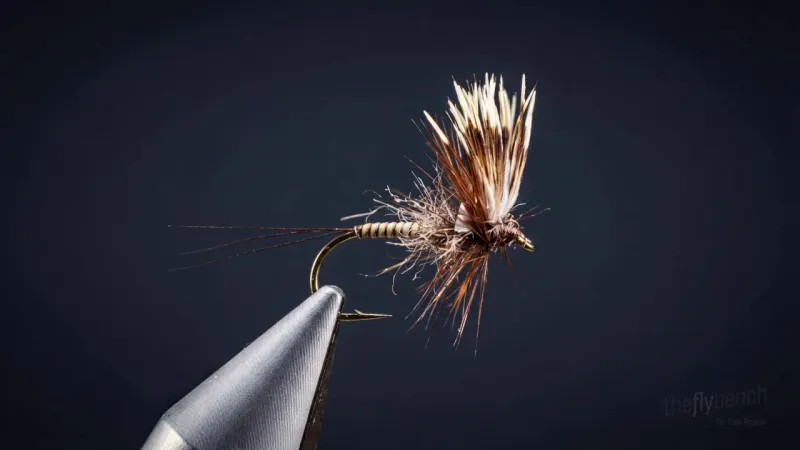
A buoyant, high-visibility variant of the classic Adams dry fly. It's perfect for choppy water or windy conditions where a traditional Adams might be hard to spot or keep afloat.
Spring, Summer, Fall
Advanced
Trout
Apr 2025
Overview
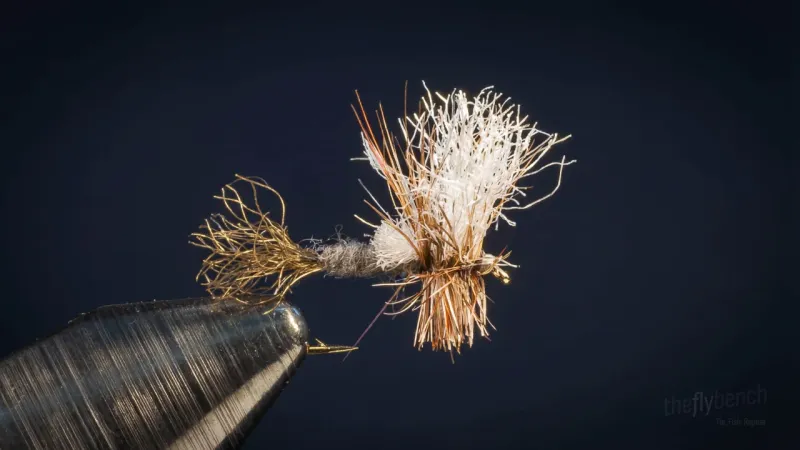
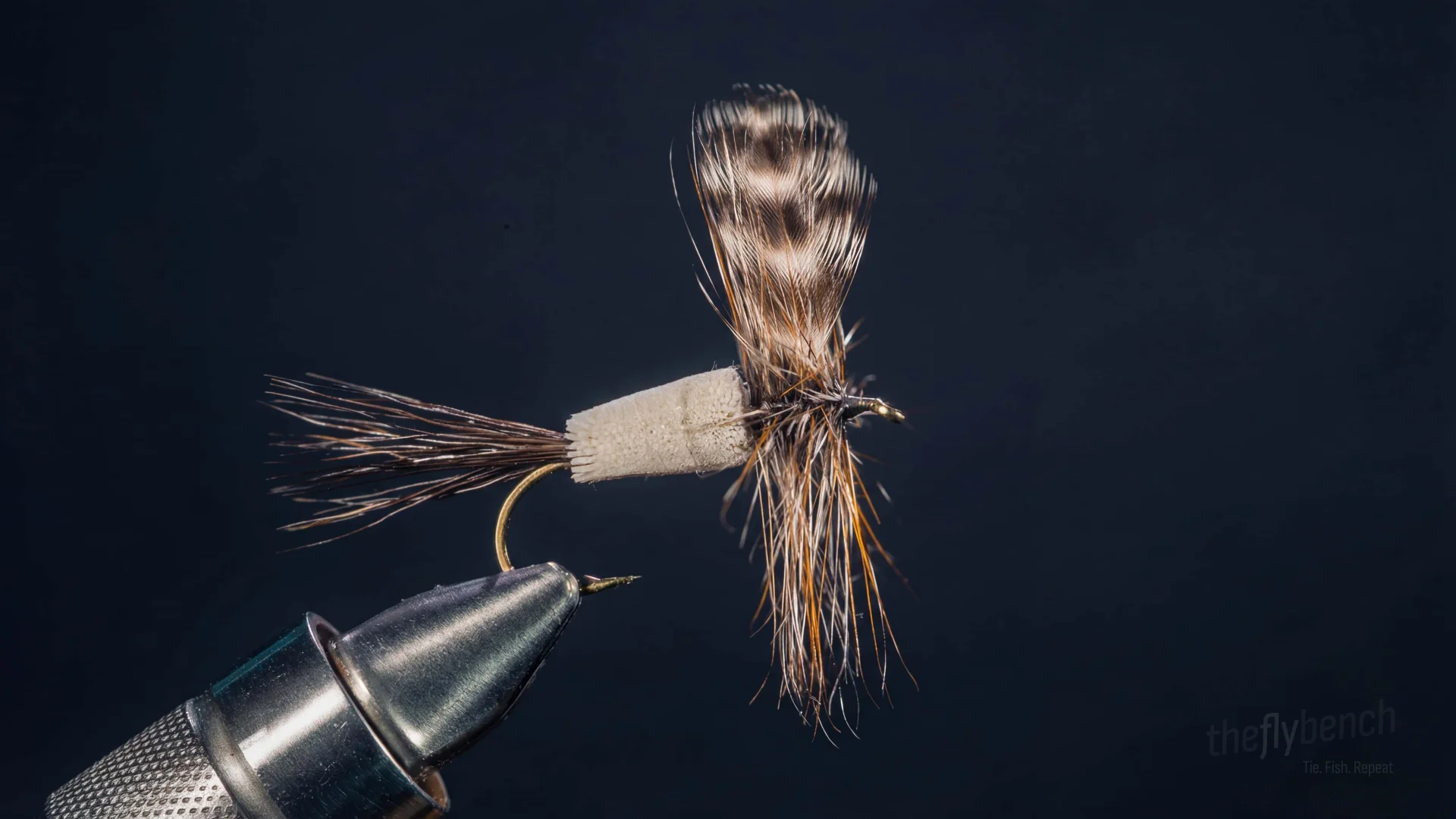
The deer hair body of the Adams Irresistible not only adds buoyancy but also gives the fly a larger, more robust profile. This can be a benefit in choppy water or when fishing to larger, more aggressive trout. Tying this fly involves some advanced techniques, such as spinning deer hair, but the results are well worth it.
Where to Buy This Fly
We only link to fly shops we trust. Some links are referral links, which may earn us a commission at no extra cost to you.
Materials
- Hook:
- Tiemco 100, size #12 - #20
- Thread:
- Gray UTC 70 denier
- Tail:
- Mixed grizzly and brown hackle fibers
- Body:
- White deer hair, spun and clipped
- Wing:
- Grizzly hackle tips
- Hackle:
- Mixed grizzly and brown
Behavior & Presentation
Natural Behavior: Adult mayfly duns rest on the surface with wings vertical while drying before flight, drifting helplessly in slow currents. Spinners fall spent after egg-laying, lying flat in the film in concentrated masses that trigger selective feeding.
Where Trout Eat It: Riffles, runs, and pocket water in both rivers and lakes where visibility is challenging.
How to Fish It: Use upstream casts with subtle twitches to imitate struggling mayflies attracting attention.
Best Water: Focus on pockets, runs, and riffle edges where high-floating profile remains visible in turbulent water.
Strike Type: Expect deliberate sipping rises or aggressive splashes depending on water type, with the high-vis deer hair body making refusals and takes equally visible.
Fishing Strategy
Rigging Suggestions: Fish alone on a 9-foot leader with 5X or 6X tippet, or use as a highly visible indicator fly in a dry-dropper setup with a nymph 18-24 inches below.
Seasonal Timing: Primarily effective from May through October, with peak productivity during mayfly hatches. This pattern excels in choppy water or windy conditions where its high-floating profile remains visible. Fish during mayfly hatches or as a searching pattern.
Pro Tips: The deer hair body provides exceptional buoyancy and visibility. This pattern works well when you need a fly that stays visible in turbulent water. Apply floatant generously to the body and hackle before fishing.
Entomology
Adult mayflies rest on the water surface after emergence or during spinner falls, sitting upright with wings held vertically or splayed flat after egg-laying flights. Duns drift helplessly while their wings dry before flight, creating extended feeding opportunities in slow currents and back eddies where fish rise steadily. Spinners fall spent onto the water after mating, lying flat in the surface film in concentrated masses that trigger selective feeding on specific mayfly species.
- Order
- Ephemeroptera
- Common Name
- Mayfly
- Organism Type
- insect
- Life Stage
- adult