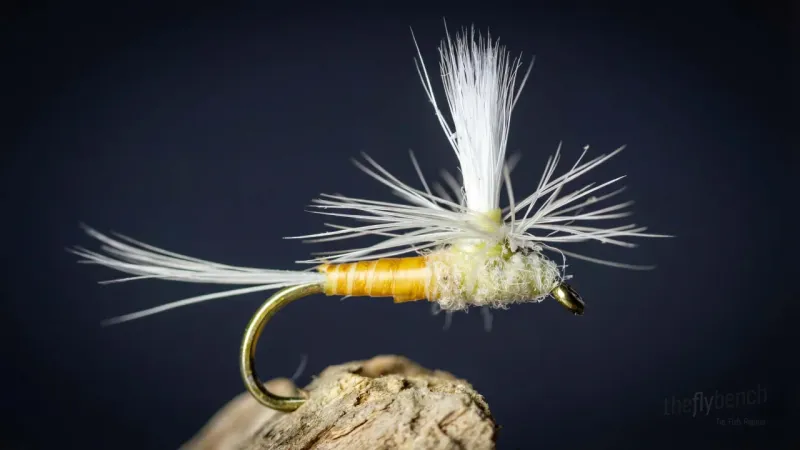
Dry FliesThe Magic Dun Soft Hackle
This hybrid pattern merges the buoyancy of a traditional dry fly with the pulsing movement of soft hackle fibers for a lifelike presentation. The design imitates mayflies transitioning from dun to spinner and works exceptionally well during complex hatches when trout feed on multiple life stages in riffles and runs.
Spring, Summer
Advanced
Trout
Apr 2025
Overview
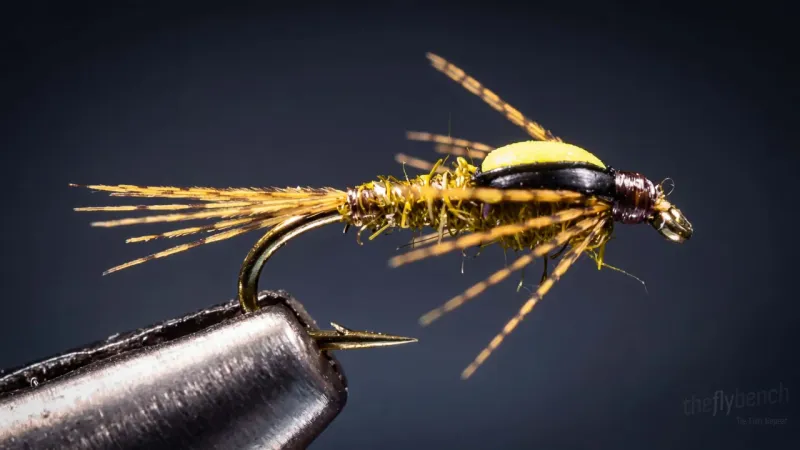
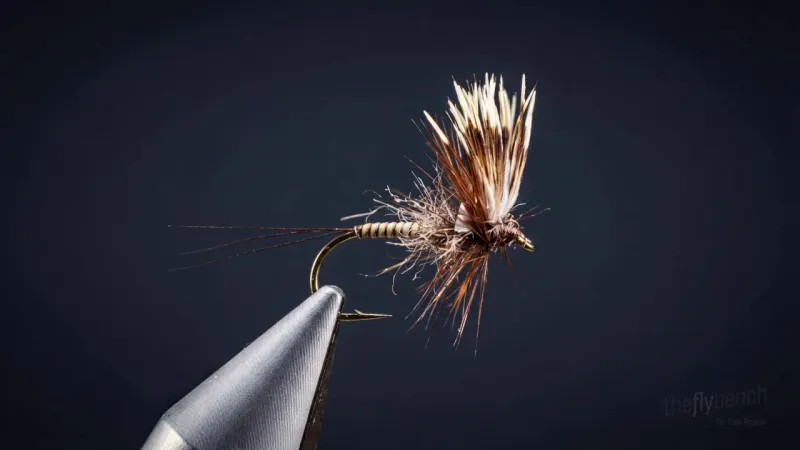
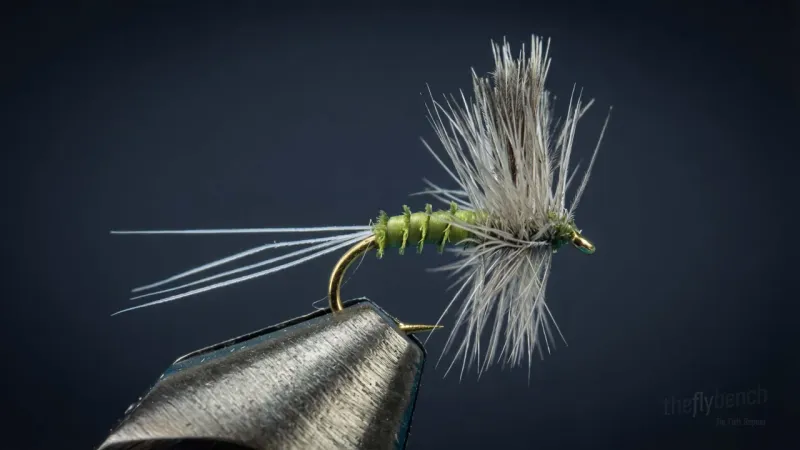
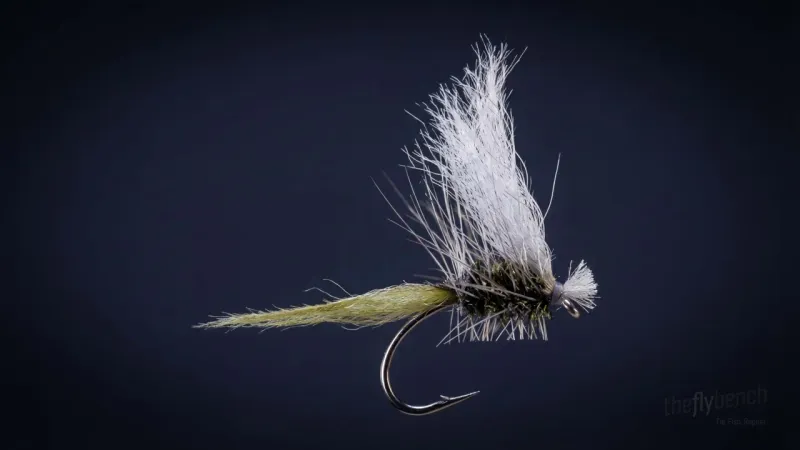
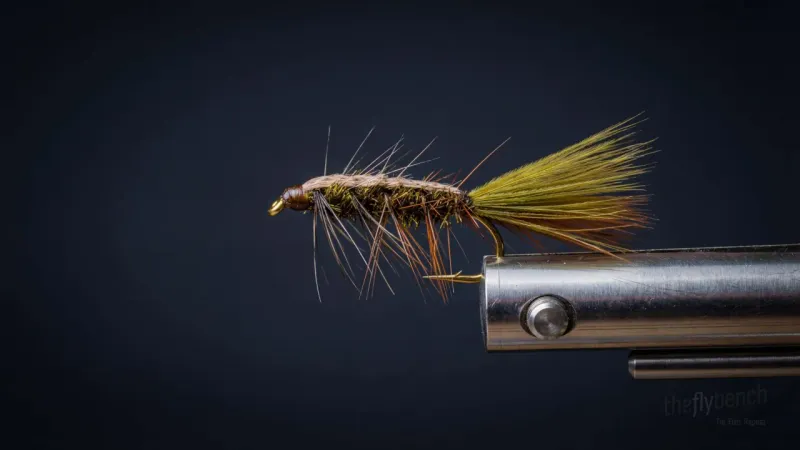
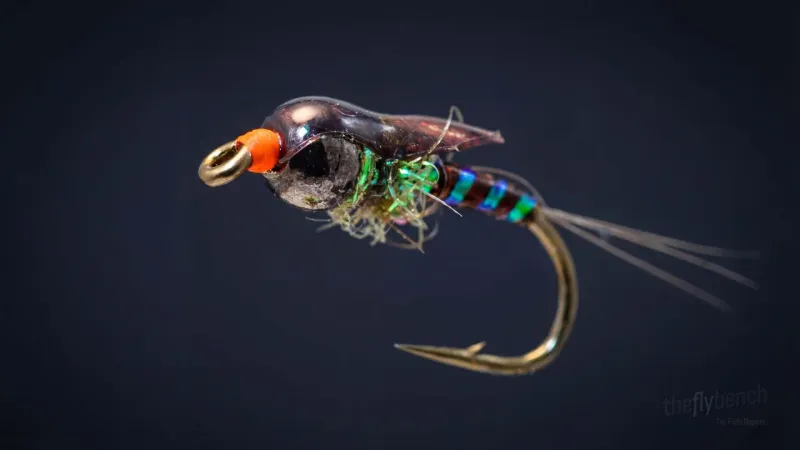
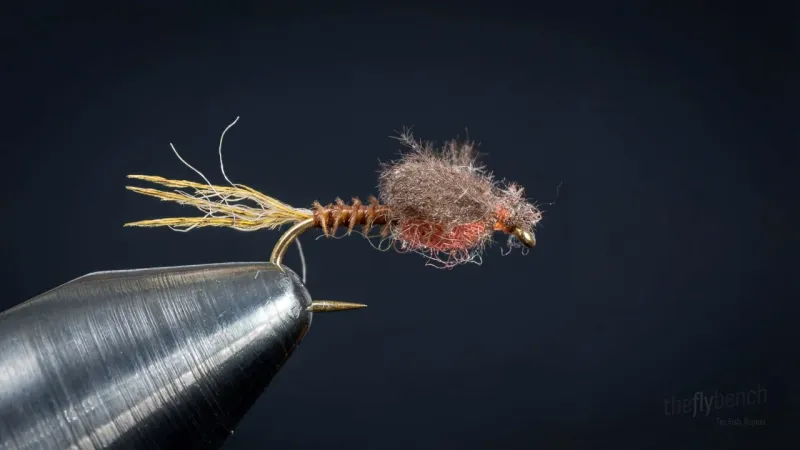
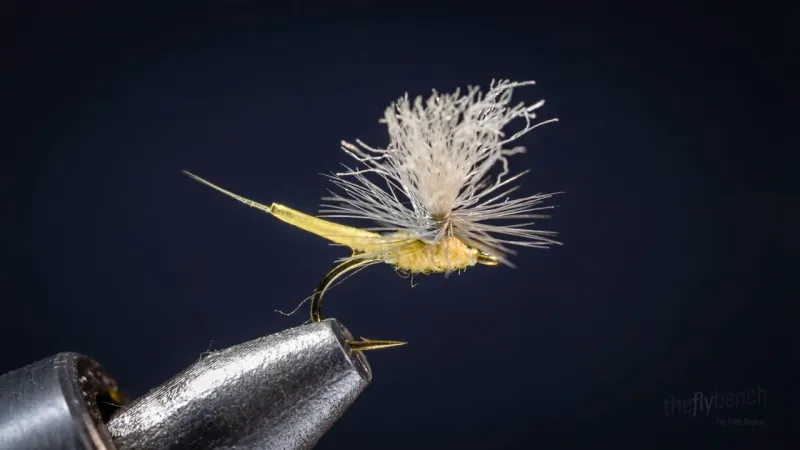
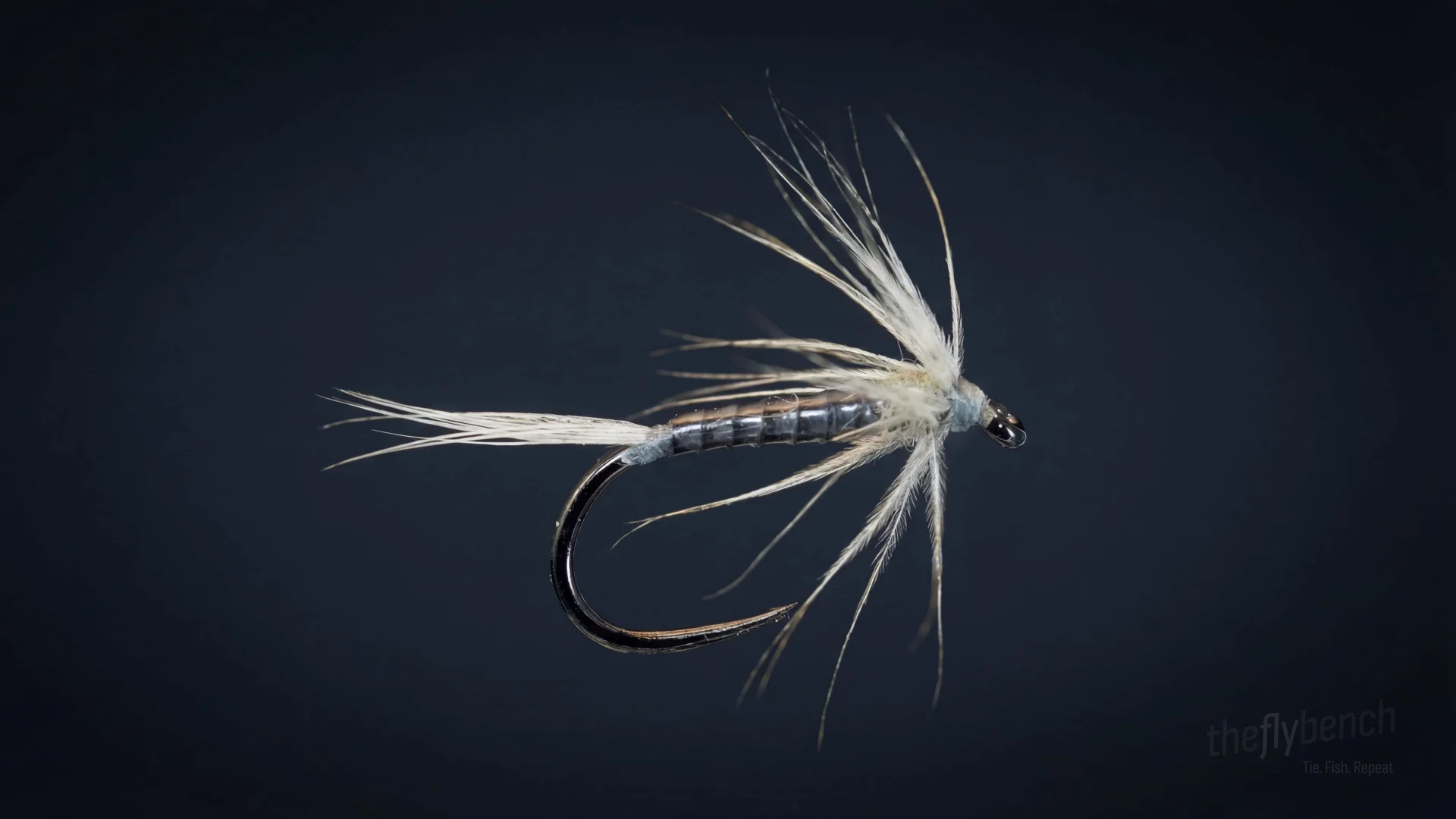
The Magic Dun Soft Hackle is a subtle and impressionistic mayfly emerger pattern. It's tied with a slender dubbed body in a natural dun or olive shade, ribbed with fine wire for segmentation, and finished with a sparse partridge or hen soft hackle to imitate the emerging wings or legs. It excels in slower currents during mayfly hatches and is perfect for swinging or dead drifting just beneath the surface.
Where to Buy This Fly
We only link to fly shops we trust. Some links are referral links, which may earn us a commission at no extra cost to you.
Materials
- Hook:
- Hanak H 230 BL Standard Nymph Hook
- Thread:
- 8/0 UNI-Thread Waxed Midge - Gray
- Tail & Hackle:
- Whiting Bantam Hen Cape
- Body:
- Peacock Quill - Natural
- Thorax:
- Super Fine Dry Fly Dubbing - Blue Winged Olive
- Head:
- Loon Fluorescing UV Clear Fly Finish
Behavior & Presentation
Natural Behavior: Trapped by surface tension, emerging adults struggle in the film with wings partially free from their shucks. These crippled forms create subtle disturbances that attract cruising trout during concentrated hatches.
Where Trout Eat It: Trout feed selectively in runs, riffles, and pocket water where mayfly emergence is concentrated.
How to Fish It: Upstream dead drift through feeding lanes allows current to animate materials naturally in the film.
Best Water: Focus on current seams, pocket water behind boulders, runs, and riffle edges during emergence.
Strike Type: Fish take this swung emerger with gentle tugs or steady draws at the end of the drift, producing a bending rod-tip rather than a sharp strike.
Fishing Strategy
Rigging Suggestions: Use a 9-foot leader with 5X-6X tippet to ensure a natural float. Apply floatant sparingly to maintain the fly's low profile on the water.
Seasonal Timing: Most productive from late April through September, with peak effectiveness during mayfly emergences. During mayfly hatches when fish are feeding on emerging or crippled duns.
Pro Tips: The CDC enhances both floatation and visibility while maintaining a realistic silhouette. When fish are selective, this pattern's soft hackle can trigger takes when traditional dry flies are refused.
Entomology
Adult mayflies sit motionless on the surface film with wings upright or slightly tilted, trapped by surface tension as their exoskeletons harden. They create subtle dimples and disturbances that attract cruising trout, particularly during concentrated hatch periods. The soft hackle design allows the fly to swing and pulse in the current, imitating both drifting adults and the struggling motion of insects trapped in the surface film.
- Order
- Ephemeroptera
- Common Name
- Mayfly
- Organism Type
- insect
- Life Stage
- adult