Dry FliesMr. Rapidan
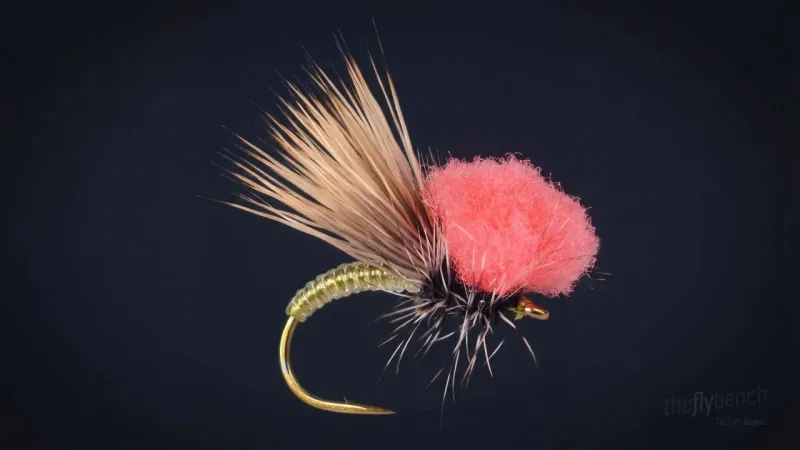
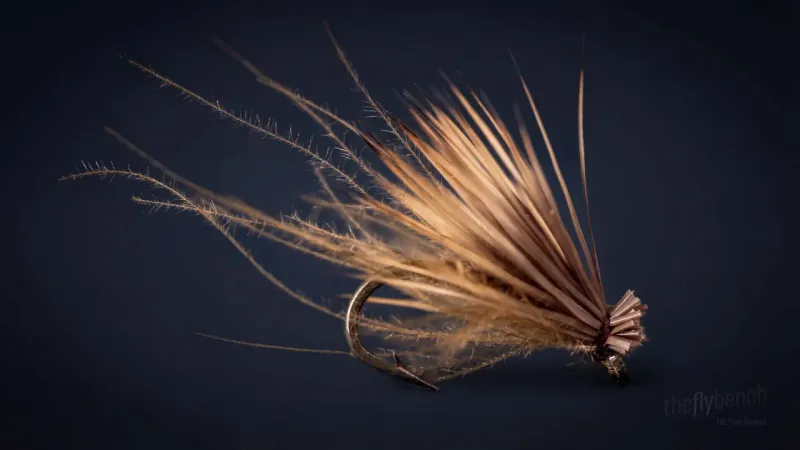
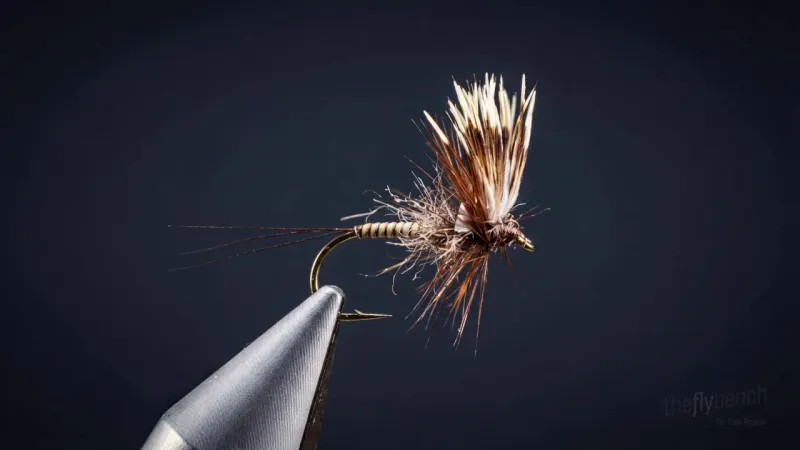
A versatile attractor dry fly developed in Virginia's Blue Ridge Mountains, the Mr. Rapidan imitates a variety of mayflies, caddis, and terrestrials. It's known for its high floatation, visibility, and effectiveness in both freestone and spring creeks.
Spring, Summer, Fall
Intermediate
Trout
Apr 2025
Overview
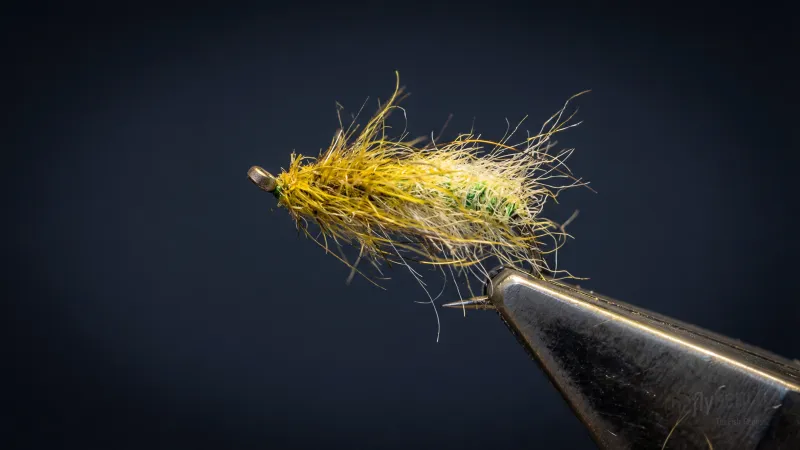
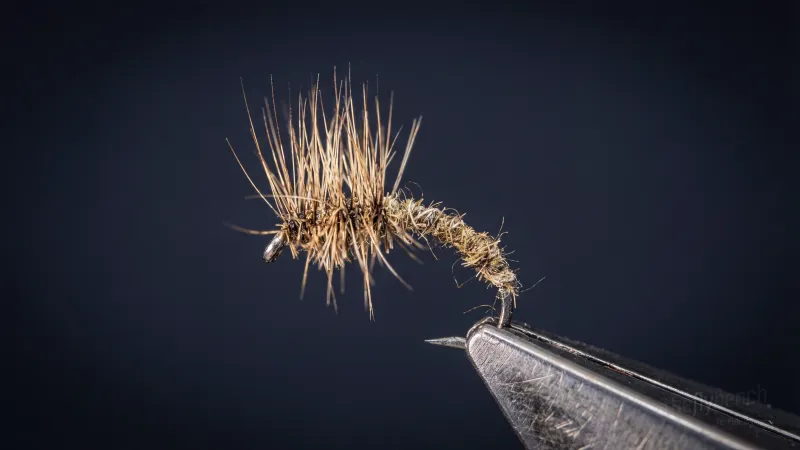
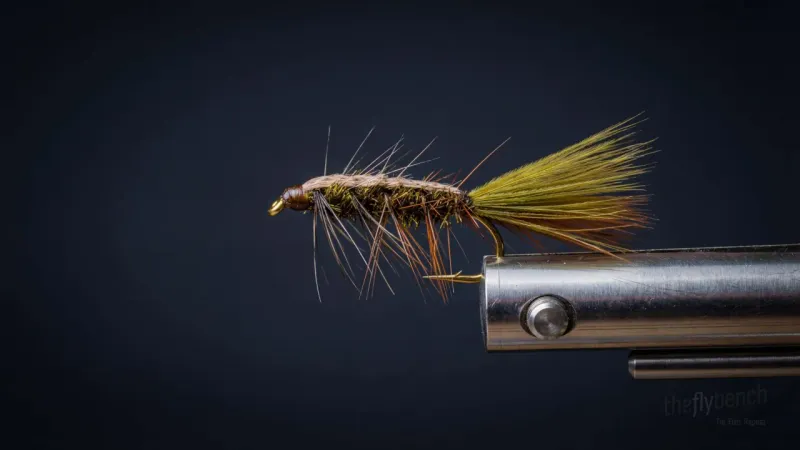
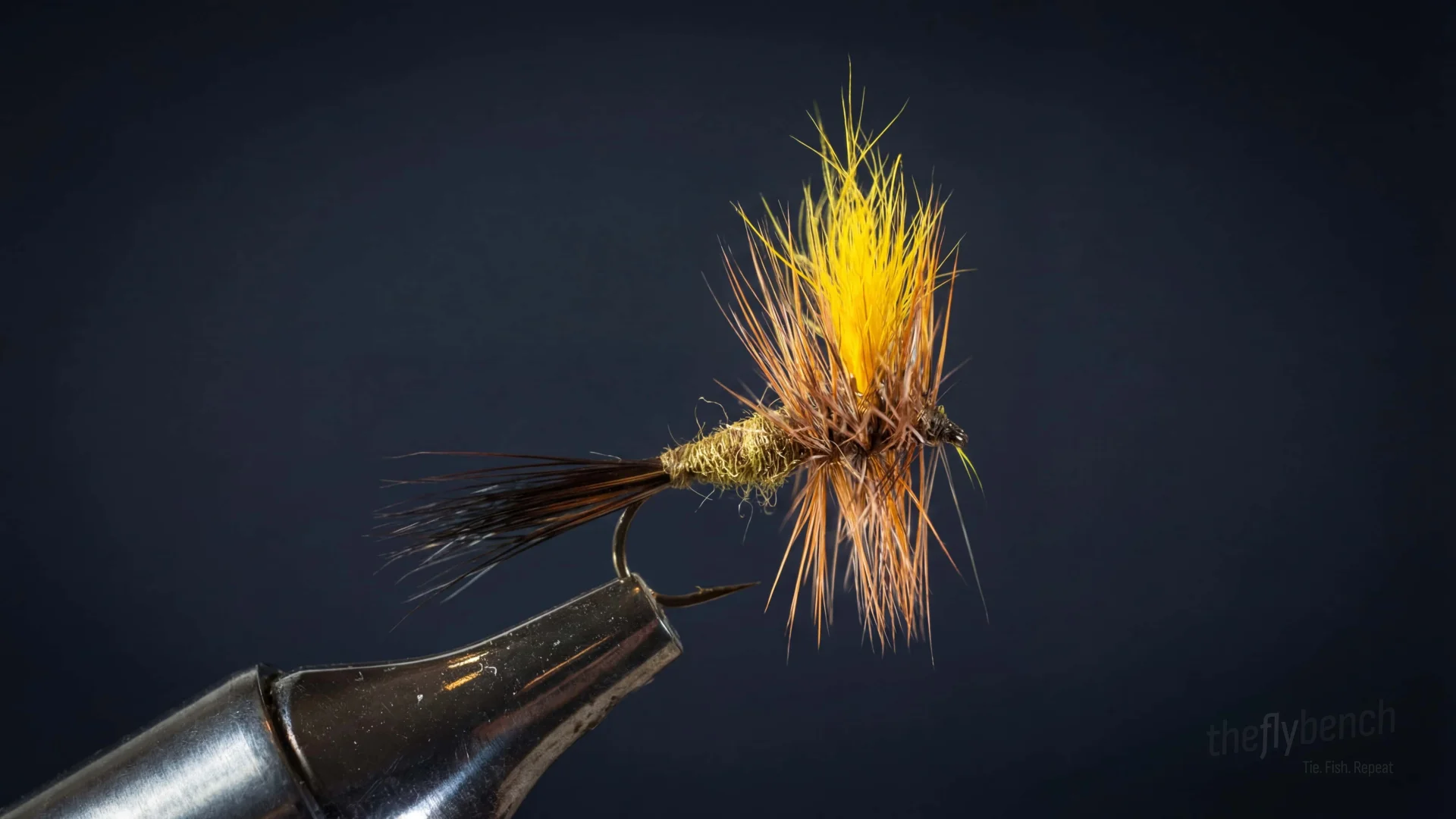
Developed in Virginia's Blue Ridge Mountains for the Rapidan River system, this attractor dry fly features dual-colored tail and hackle with an upright poly or calf wing for visibility. The yellow body and bicolor components make it stand out in rough water and riffles. Its high floatation and versatility across mayfly, caddis, and terrestrial hatches make it effective in both freestone streams and spring creeks throughout the Appalachian region.
Where to Buy This Fly
We only link to fly shops we trust. Some links are referral links, which may earn us a commission at no extra cost to you.
Materials
- Hook:
- Tiemco 100, size #12–#18
- Thread:
- Black UTC 70 denier
- Tail:
- Moose Body Hair
- Body:
- Yellow dubbing (e.g., Hareline Dry Fly Dub)
- Wing:
- Poly yarn or calf tail
- Hackle:
- Brown/Grizzly dry fly hackle, mixed
Behavior & Presentation
Natural Behavior: Mature mayfly duns rest in the surface film with wings vertical while their exoskeletons harden, drifting helplessly until flight-ready. Caddis skitter and flutter during egg-laying while terrestrials struggle with wings trapped, all creating vulnerable surface targets that trigger opportunistic feeding.
Where Trout Eat It: Riffles, runs, and pocket water where multiple insect types concentrate and visibility is challenging.
How to Fish It: Dead drift with occasional subtle twitches to add lifelike movement in broken water currents.
Best Water: Focus on pockets, seams, and riffle edges where buoyancy prevents drag in faster currents.
Strike Type: Look for visible rises or surface rings as trout confidently take the high-floating fly.
Fishing Strategy
Rigging Suggestions: Fish solo on 4X-5X tippet for natural presentation. Makes an excellent lead fly in dry-dropper setups with 18-24 inches to a small nymph or emerger.
Seasonal Timing: Prime time from May through September, with peak effectiveness during June and July when both mayfly and caddis hatches overlap with terrestrial activity.
Pro Tips: The mixed hackle and upright wing provide excellent visibility in varied light conditions. In faster water, the pattern's high float prevents drag better than lower-riding dries.
Entomology
Adult caddisflies skitter across the water surface during egg-laying runs, creating distinctive V-shaped wakes that attract aggressive strikes from feeding fish. These insects land awkwardly on the water, flutter while depositing eggs, and often become trapped in the surface film where they struggle with wings spread. Their erratic surface activity triggers explosive topwater takes, especially during evening hatches when females return to the water en masse.
- Order
- Trichoptera
- Common Name
- Caddisfly
- Organism Type
- terrestrial
- Life Stage
- adult