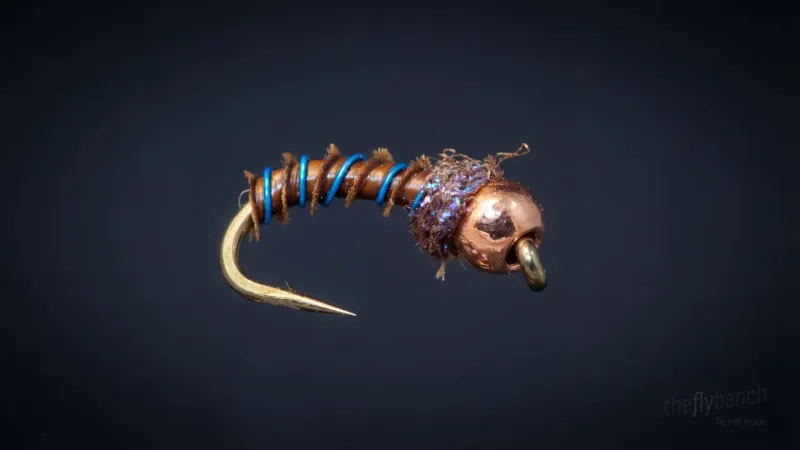
Midge / EmergersTop Secret Midge
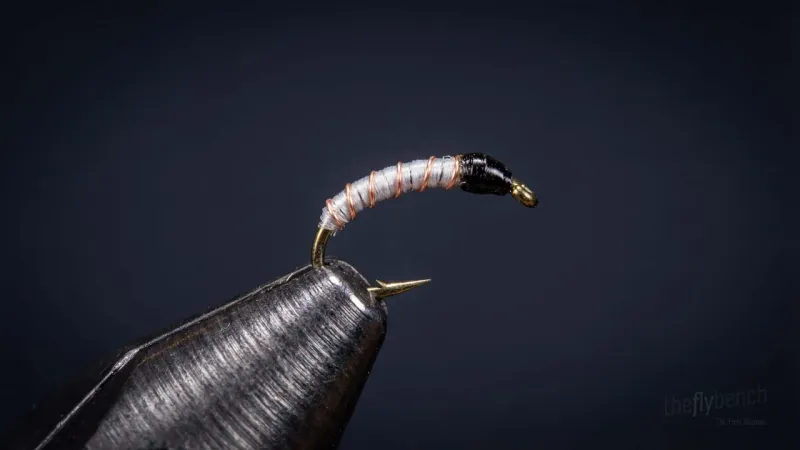
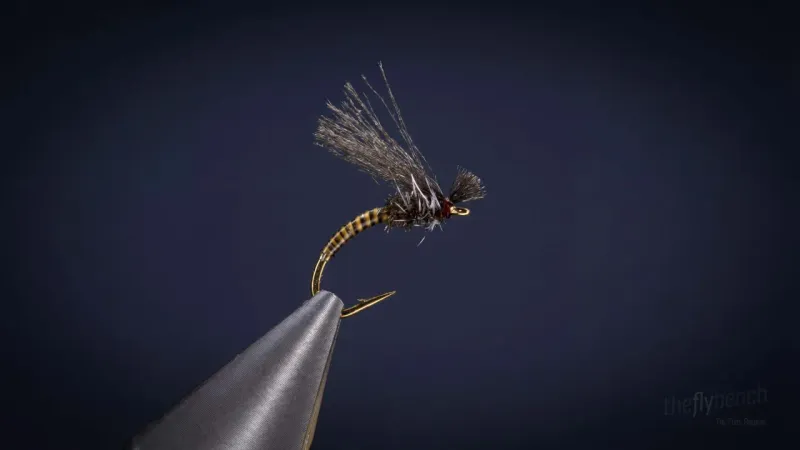
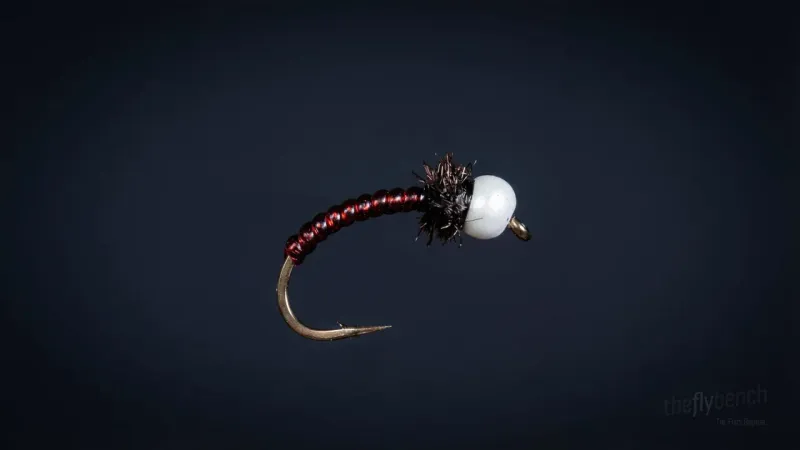
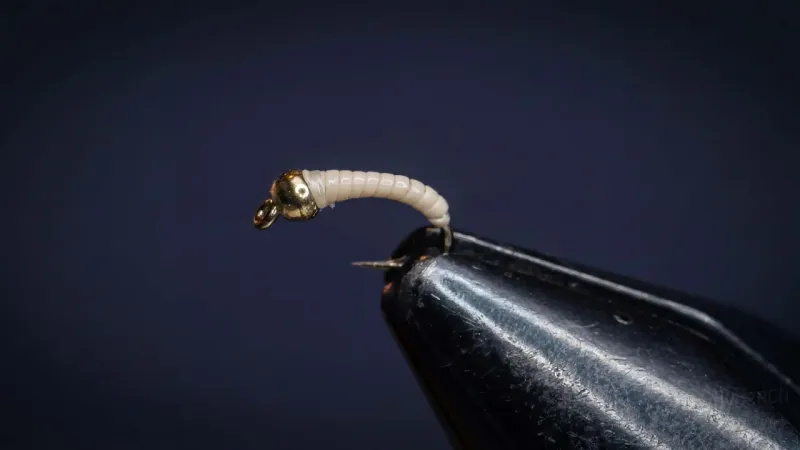
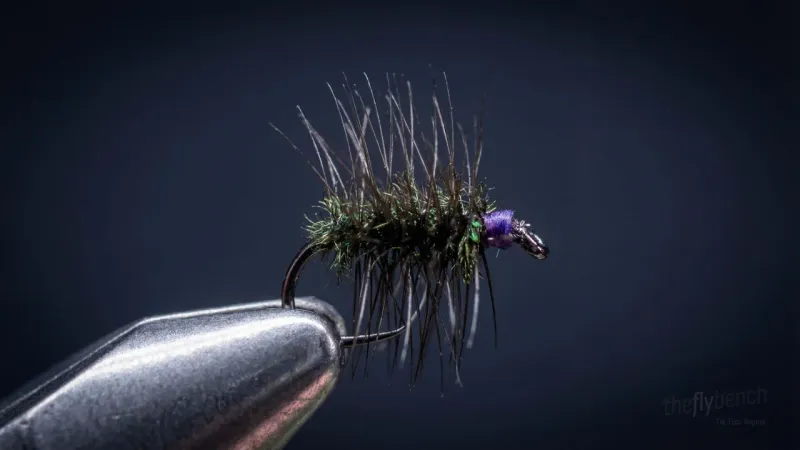
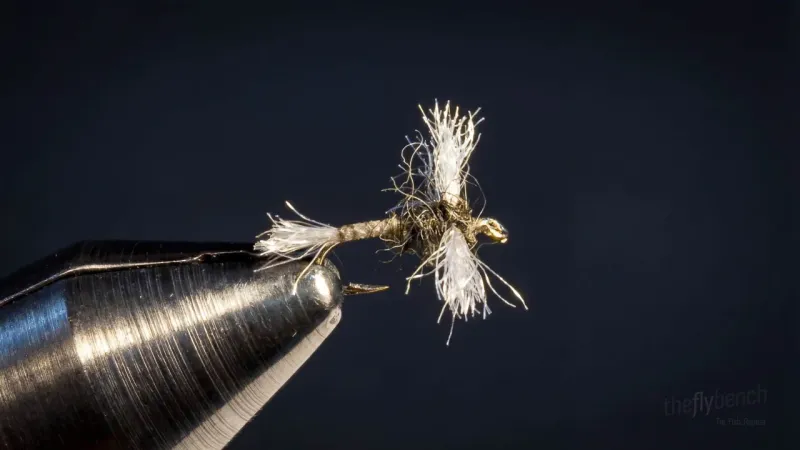
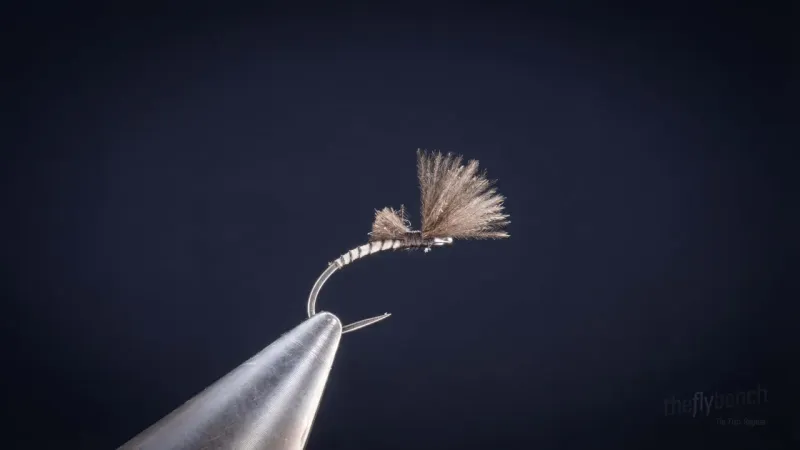
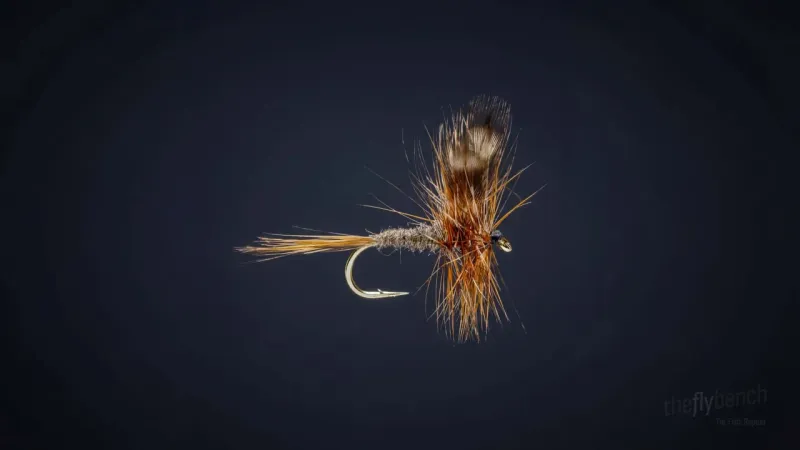
The Top Secret Midge is a highly effective pattern for selective trout. This pattern imitates a midge pupa, the middle stage between larvae and adults. This is a key food source for trout, making this fly a must-have in your box.
Year Round
Intermediate
Trout
Apr 2025
Overview
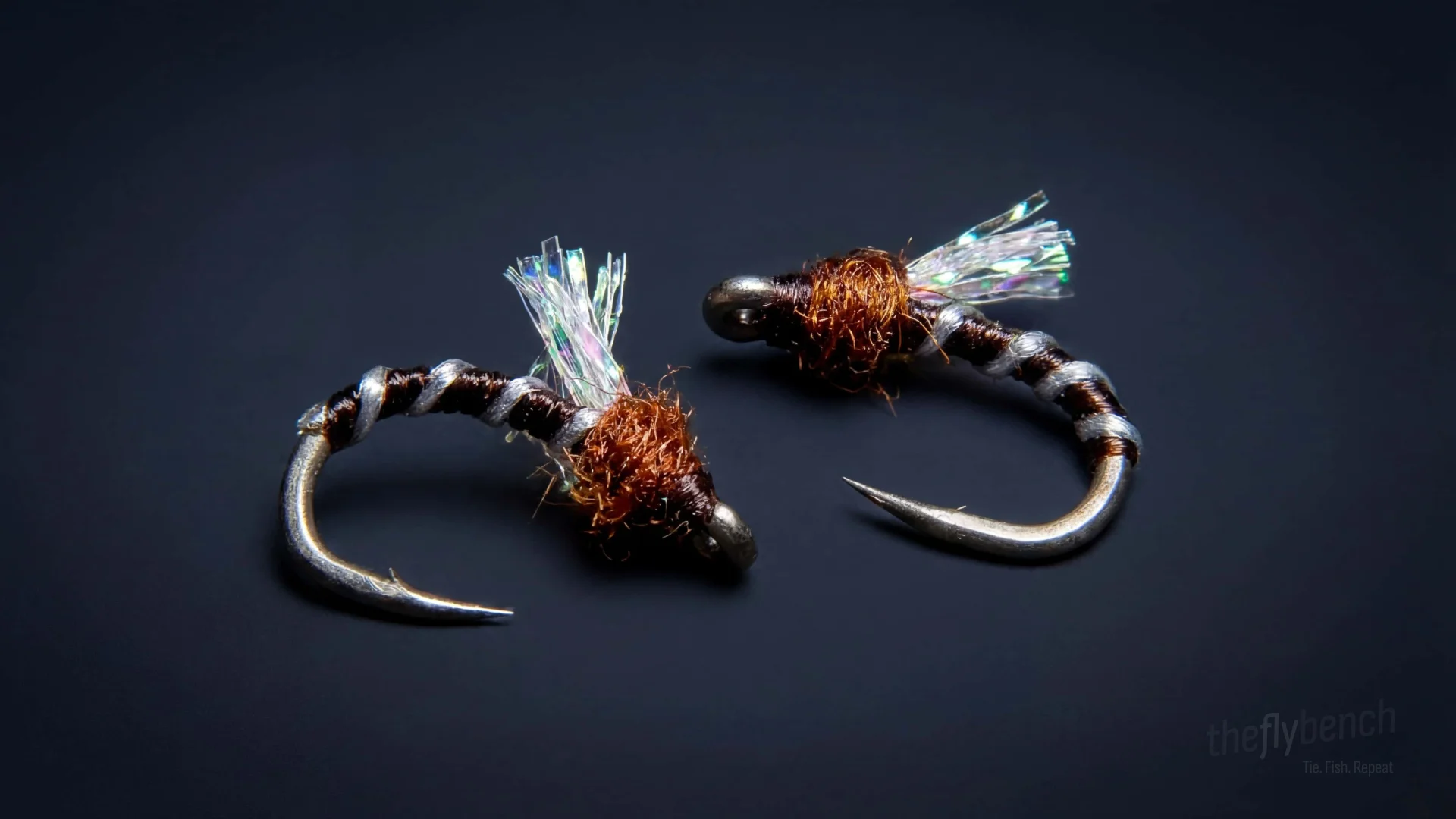
This midge pupa pattern imitates the critical transitional stage between larvae and adults when insects are most vulnerable. The slender body, often tied with fine thread or wire, and subtle wing bud create a realistic silhouette. Carry various sizes (#18-#24) to match the natural midges present. Particularly effective on tailwaters and stillwaters during winter and early spring when midge activity peaks and trout feed selectively in slow water.
Where to Buy This Fly
We only link to fly shops we trust. Some links are referral links, which may earn us a commission at no extra cost to you.
Materials
- Hook:
- Tiemco 2488, size #20–#26
- Thread:
- Brown UTC 70 Denier
- Abdomen:
- Brown UTC 70 Denier
- Rib:
- White UTC 70 Denier
- Wing:
- Glamour Madeira
- Thorax:
- Rust-Brown Superfine Dubbing
Behavior & Presentation
Natural Behavior: Midge pupae hang suspended in the surface film, trapped by surface tension as they transition from pupa to adult. The vertical profile and helpless positioning make them easy targets for cruising fish.
Where Trout Eat It: Fish patrol just beneath the film in slicks, tail-outs, and foam lines where emerging pupae cluster.
How to Fish It: Suspend in the film with dead drifts, allowing the fly to hang at the critical depth where fish are sipping. Minimal movement matches the natural.
Best Water: Focus on tail-outs with gentle current, slicks where pupae suspend, and foam lines collecting midges.
Strike Type: Subtle takes requiring sensitive indicators or tight-line contact to detect the gentle mouth.
Fishing Strategy
Rigging Suggestions: Use in a tandem rig 18-24 inches below a heavier fly to get it down, or suspend 12-18 inches under a small strike indicator. Use 6X or 7X tippet.
Seasonal Timing: Effective year-round, with exceptional performance during early from December through April when midges dominate trout diets on tailwaters and creeks.
Pro Tips: The subtle colors and resin head create a realistic silhouette that selective trout find hard to refuse. Apply floatant to suspend it in the film, or add a tiny split shot to fish it 6-12 inches deep.
Entomology
Midge larvae inhabit silty lake bottoms and slow river sections, living in tubular mud burrows where they filter-feed on microorganisms and organic particles suspended in the water. When disturbed or during behavioral drift, these small larvae pulse through the water with characteristic segmented body undulations. Their extreme abundance in fertile stillwaters makes them a staple food source for cruising trout, who often feed subsurface on drifting larvae throughout the day, especially in depths of 5-15 feet.
- Order
- Diptera
- Family
- Chironomidae
- Common Name
- Midge
- Organism Type
- insect
- Life Stage
- general