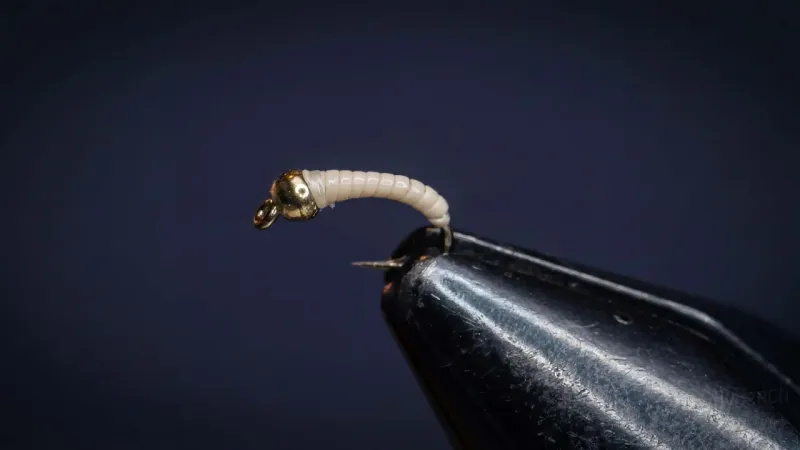
Midge / EmergersGriffith's Gnat Emerger
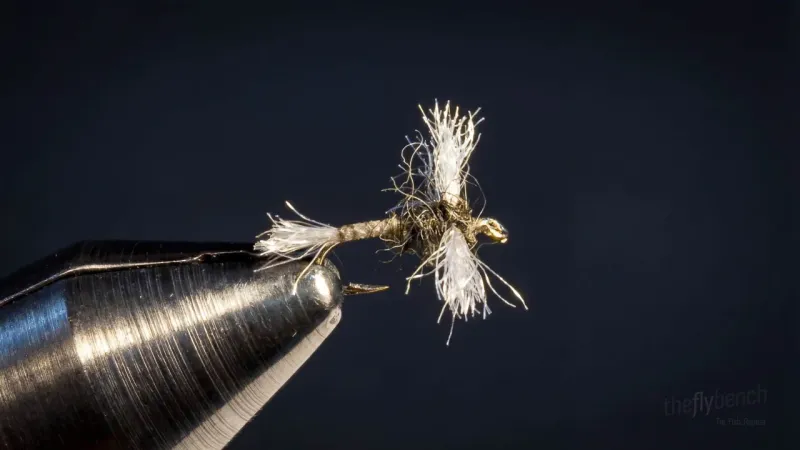
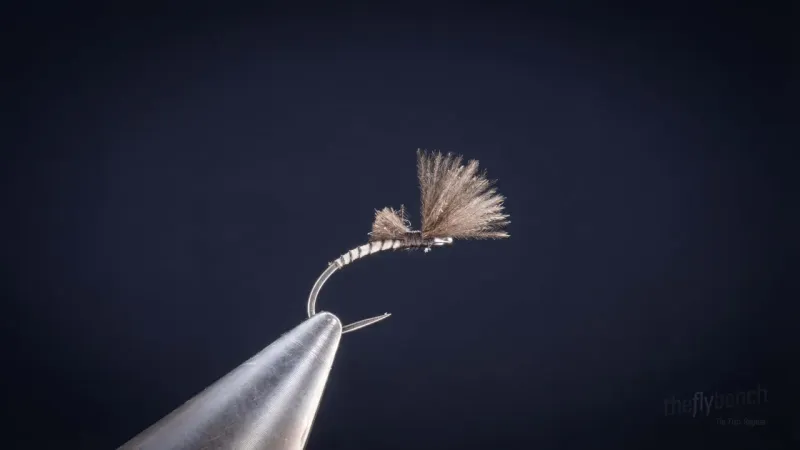
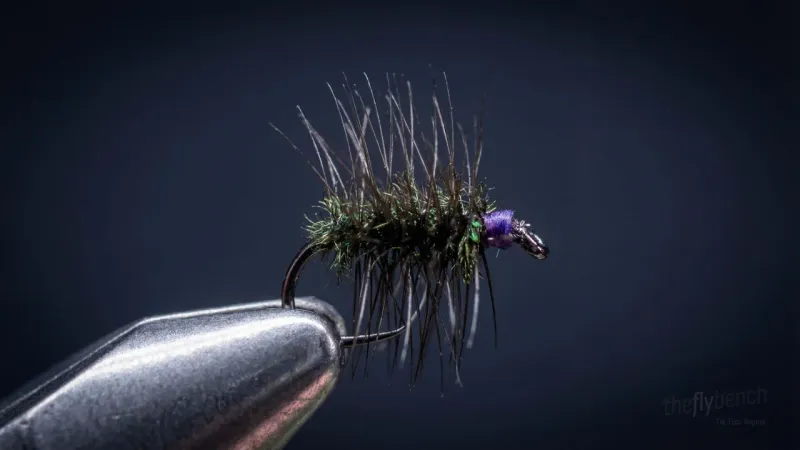
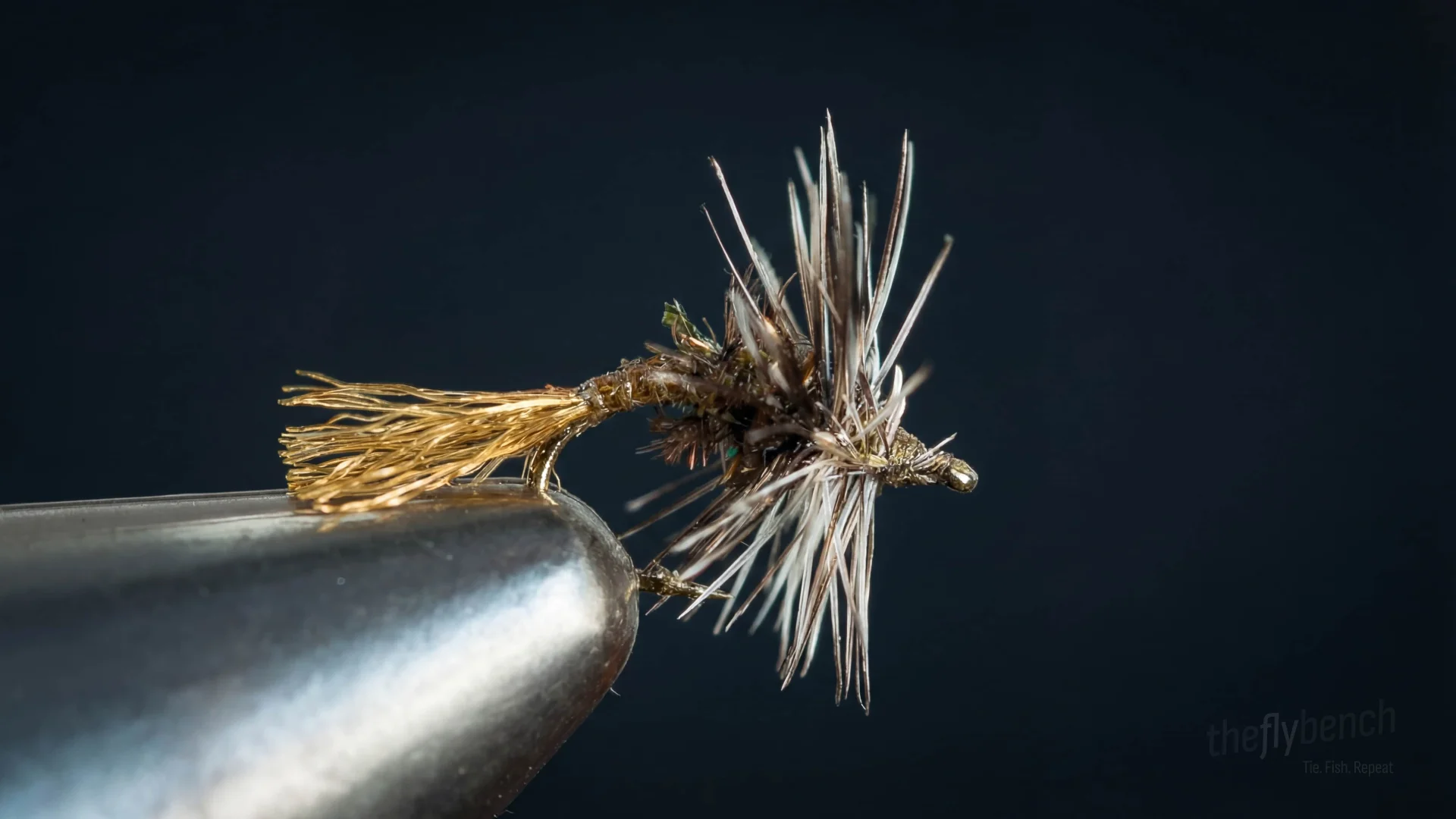
The Griffith's Gnat Emerger is an emerger variation of the classic Griffith's Gnat pattern, featuring a trailing shuck to imitate midges in the final stages of emergence. Available in peacock and tan variations, this pattern rides low in the surface film where selective trout focus during midge activity. The grizzly hackle provides flotation while maintaining a realistic profile.
Year Round
Intermediate
Trout
Dec 2025
Overview
The Griffith's Gnat Emerger was developed at Blue Ribbon Flies as an evolution of the classic Griffith's Gnat. The trailing shuck adds realism by imitating the pupal case of an emerging midge. The peacock version excels in most conditions, while the tan version matches lighter midge species common in some waters. Both versions are essential for technical midge fishing.
Materials
Hook: Tiemco 2488 or Umpqua U201, #20
Thread: Uni-Thread, 8/0, olive dun (peacock version) or light cahill (tan version)
Shuck: Crinkled Zelon, serendipity brown (peacock) or caddis tan (tan)
Thorax: Natural Peacock Herl (peacock) or Tan Superfine Dubbing (tan)
Hackle: Grizzly dry fly hackle (peacock) or light dun/grizzly (tan)
Behavior & Presentation
Natural Behavior: Midge pupae and newly emerged adults cluster in the surface film during overlapping emergence windows, forming dense aggregations where individual insects hang vertically. Pupae remain suspended with trailing shucks attached while adjacent adults struggle to extract themselves, creating concentrated biomass in localized zones where fish feed efficiently on multiple insects per rise.
Where Trout Eat It: Fish feed on film-trapped midge emergers in Madison River slicks and foam lines where insects concentrate during overlapping emergence periods. The trailing shuck triggers selective fish keyed on emerging pupae in cold-weather conditions.
How to Fish It: Dead drift in surface film with 6X-7X tippet during midge activity. The zelon shuck and peacock thorax create the profile of a midge struggling free from its pupal case. Fish near visible landmarks or use as dropper behind larger dry fly for tracking.
Best Water: Foam lines, slick tail-outs, and eddy edges on tailwaters and spring creeks where midge emergence is concentrated and emergers accumulate in surface scum.
Strike Type: Fish sip with deliberate rhythm in tight feeding stations—watch for repeated rises in narrow lanes as trout establish selective feeding patterns, gulping multiple clustered midges with each methodical take.
Fishing Strategy
Rigging Suggestions: Fish on 12-15 foot leader with 6X-7X tippet. The small hook sizes require fine tippet and accurate casting.
Seasonal Timing: during midge activity. Particularly productive during winter and early spring when midges are the primary food source and fish become selective.
Pro Tips: The small size makes tracking difficult. Fish near visible landmarks or use a larger dry fly as an indicator with the emerger as a dropper.
Entomology
Clustered midge pupae and adults accumulate in the surface film during overlapping emergence periods, forming aggregations that appear as dark surface scum. Individual insects within these clusters exhibit minimal movement, with pupae hanging vertically while adults struggle free from pupal shucks. The concentrated biomass allows fish to maximize caloric intake through efficient gulping of multiple prey items per rise, establishing predictable feeding rhythms in localized zones.
- Order
- Diptera
- Family
- Chironomidae
- Common Name
- Midge
- Organism Type
- insect
- Life Stage
- general