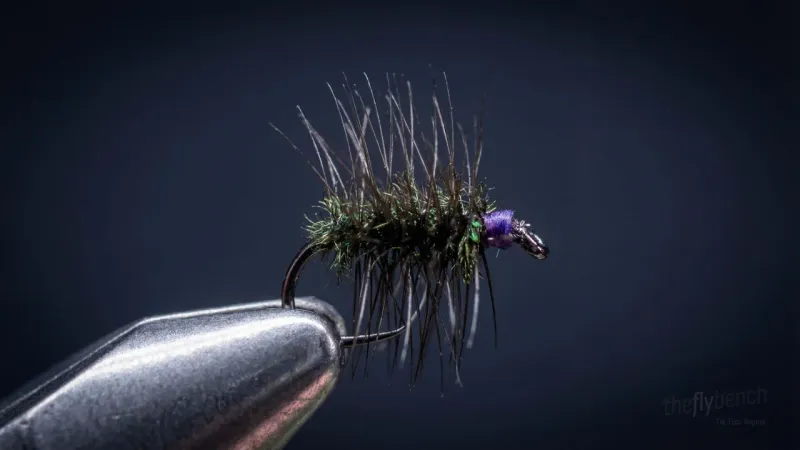
NymphThree Dollar Dip
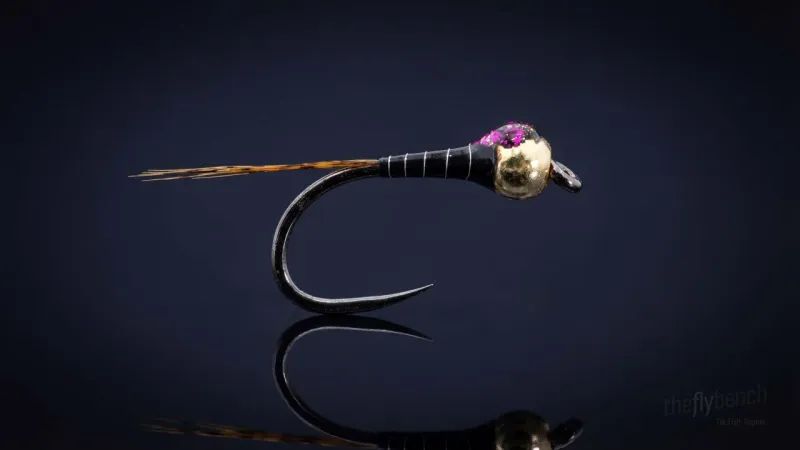
A versatile and effective nymph that's especially useful in highly pressured waters. Its flash and unique profile often entice trout when other flies fail.
Year Round
Intermediate
Trout
Apr 2025
Overview
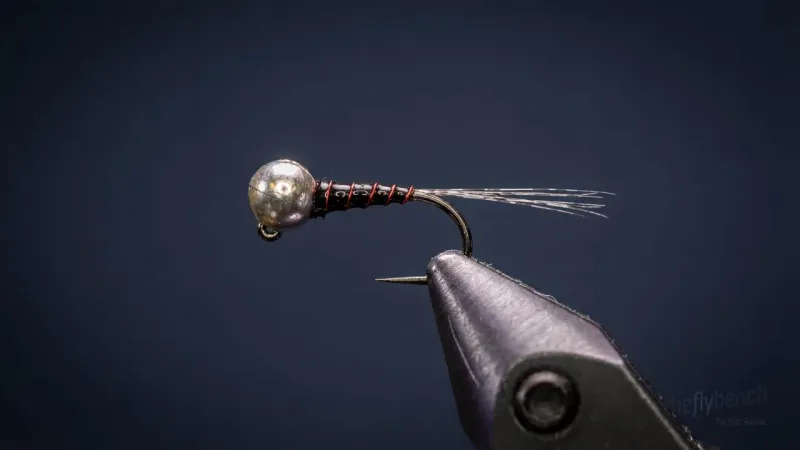
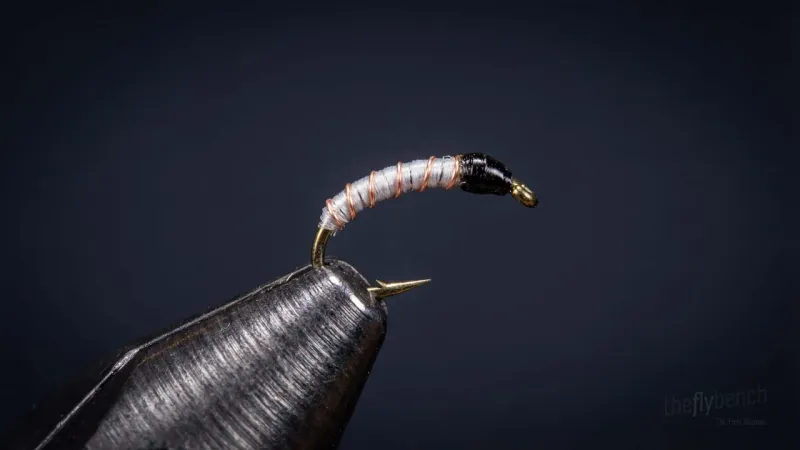
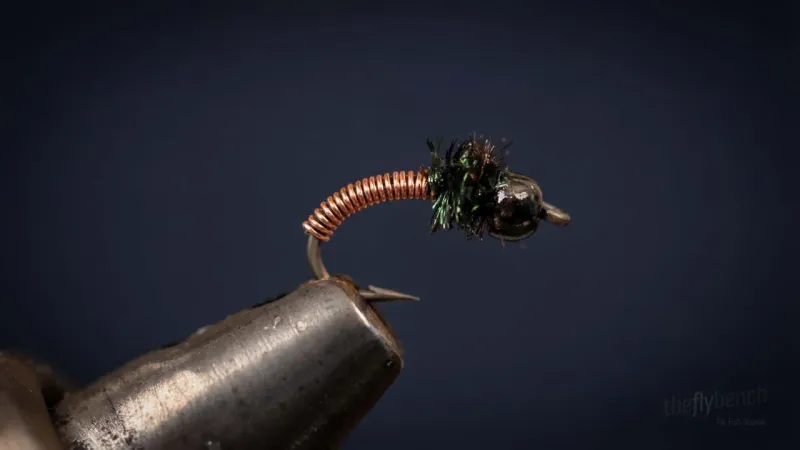
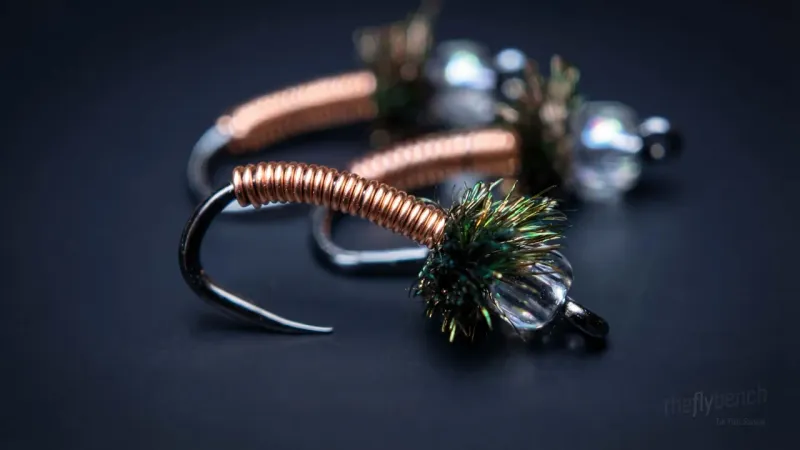
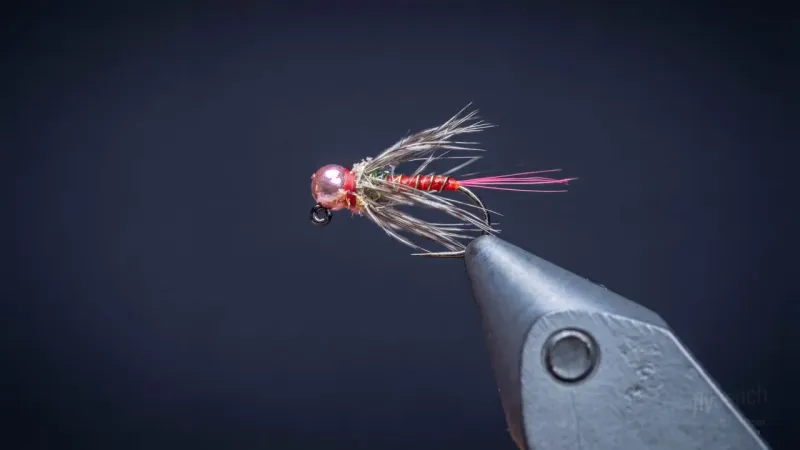
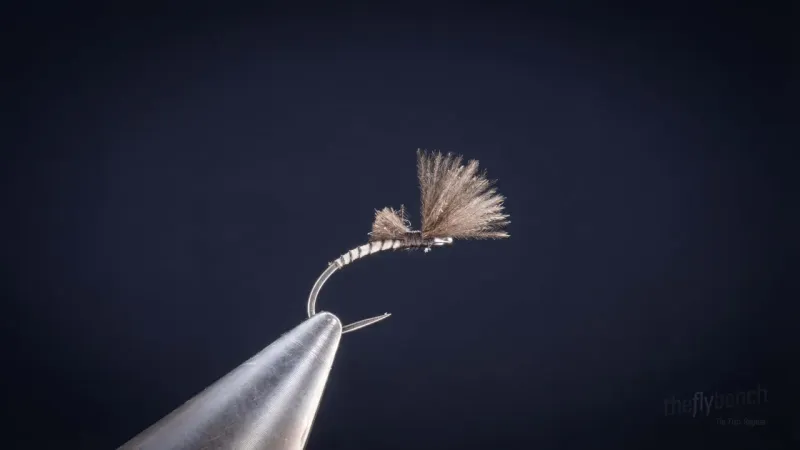
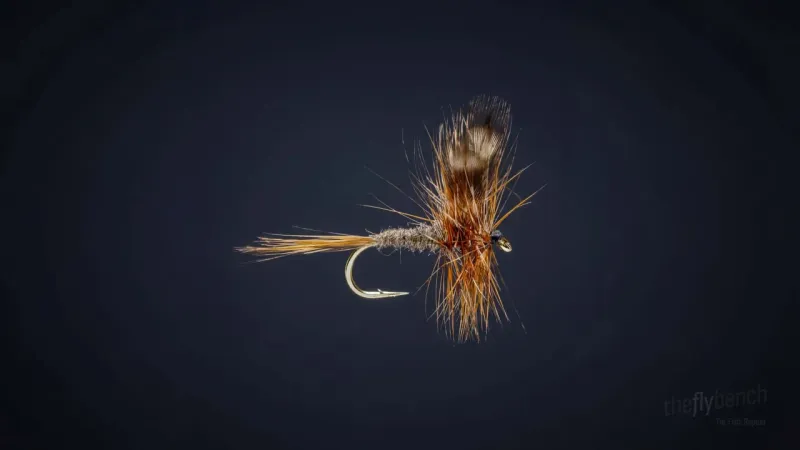
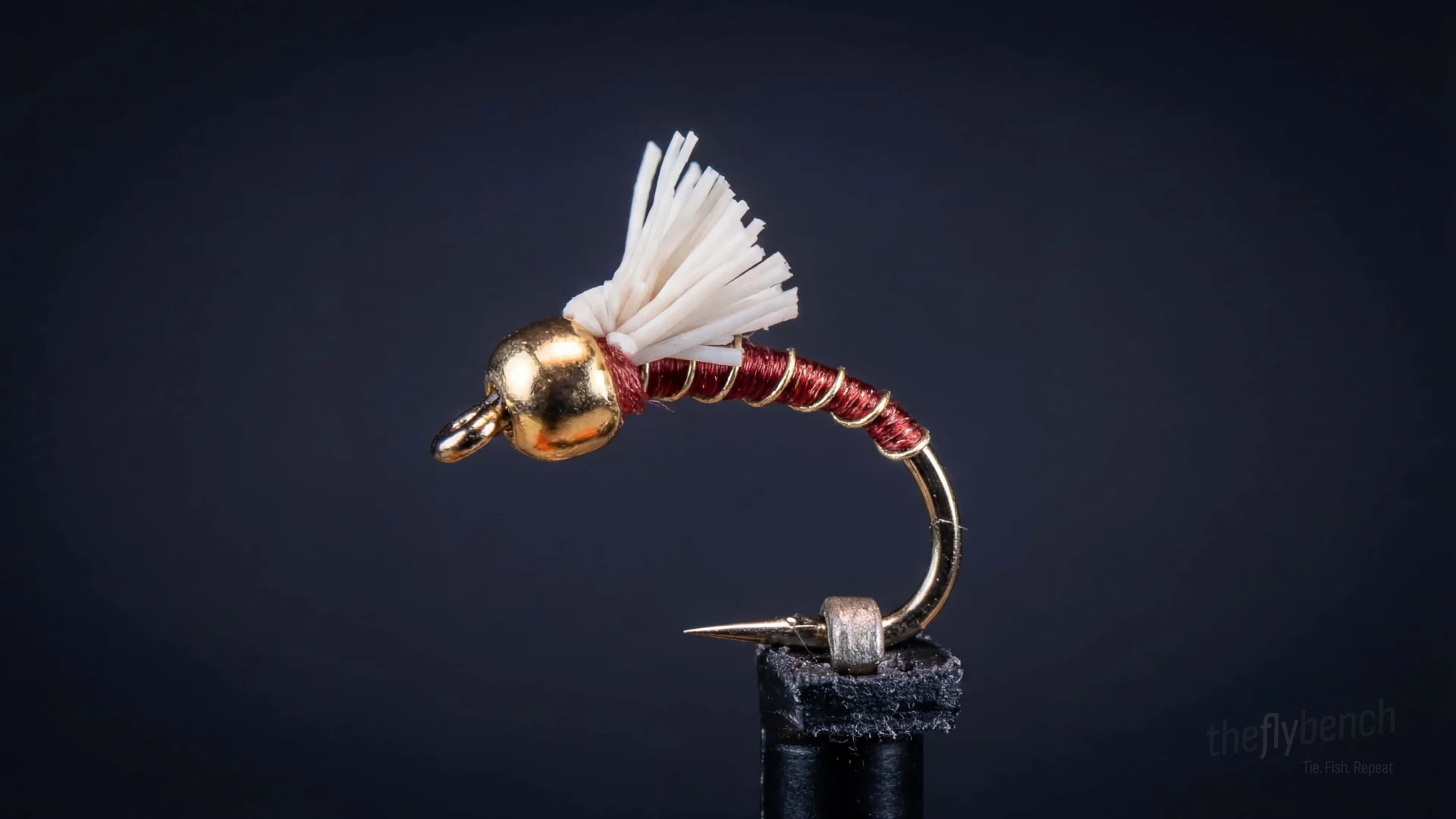
This simple but effective midge/nymph pattern is tied with a thread body (usually brown or black), fine wire ribbing for segmentation, and a small tungsten or glass bead to help it sink quickly. It often features a small CDC or soft hackle collar for subtle movement. The pattern is minimal in materials but highly effective, especially in pressured waters where fish prefer smaller, natural presentations.
Where to Buy This Fly
We only link to fly shops we trust. Some links are referral links, which may earn us a commission at no extra cost to you.
Materials
- Hook:
- Tiemco 3769, size #16–#22
- Bead:
- Tungsten, gold, 2.0 mm
- Thread:
- Black UTC 70
- Tail:
- Pheasant tail fibers
- Body:
- Gold holographic tinsel
- Thorax:
- Peacock herl
- Wing:
- Deer Hair
- Wingcase:
- Pearl flashabou, coated with Solarez Bone Dry UV resin
Behavior & Presentation
Natural Behavior: Caddis pupae swim toward the surface in short bursts during emergence, trailing gas bubbles as they ascend. Many become trapped in the film, struggling to break free while drifting helplessly through feeding lanes.
Where Trout Eat It: Trout intercept ascending pupae throughout the water column and sip emergers trapped in the film along tail-outs and seams.
How to Fish It: Dead drift with slight lifts to imitate ascending pupae, or fish in the film during emergence windows. Vary depth to match feeding zone.
Best Water: Focus on riffle tail-outs, seams, and foam lines where ascending pupae concentrate. Current breaks and eddy lines hold feeding fish.
Strike Type: Detect strikes through line tightening or surface sips; set with firm but controlled pressure.
Fishing Strategy
Rigging Suggestions: Try this pattern in a tandem nymph rig, with the Three Dollar Dip as the point fly.
Seasonal Timing: This fly is effective year-round, but shines in the when midges are one of the few available food sources.
Pro Tips: This fly sinks, making it ideal for fishing mid-water or near the bottom. The bead helps with sinking and also adds a bit of flash.
Entomology
Midge pupae suspend just beneath the surface film in a nearly vertical orientation, often clustered in vast numbers as they prepare to emerge, twitching occasionally as they attempt to penetrate the meniscus. Trout feed selectively on these hanging pupae with subtle rise forms because the insects remain nearly stationary, allowing fish to sip them with precision during sustained midge emergences in cold-water tailraces.
- Order
- Diptera
- Family
- Chironomidae
- Common Name
- Midge
- Organism Type
- insect
- Life Stage
- pupa