Euro NymphsThe Pinky Blinder
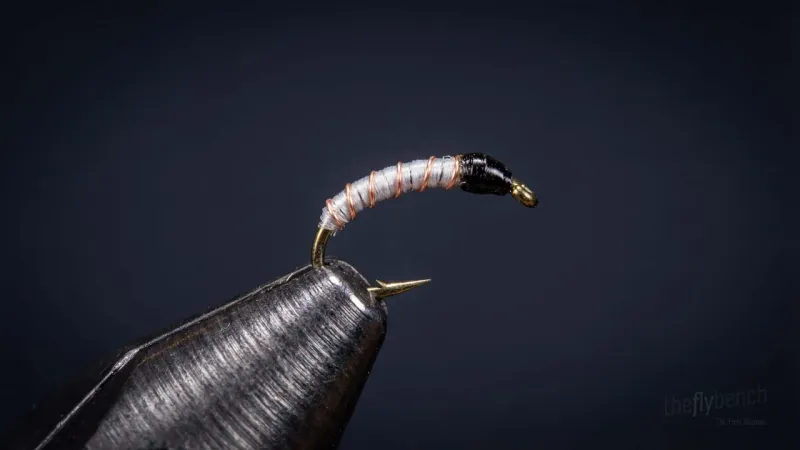
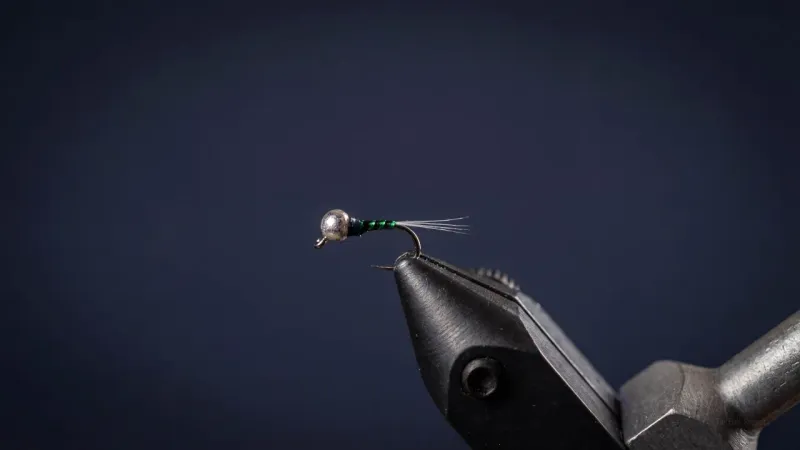
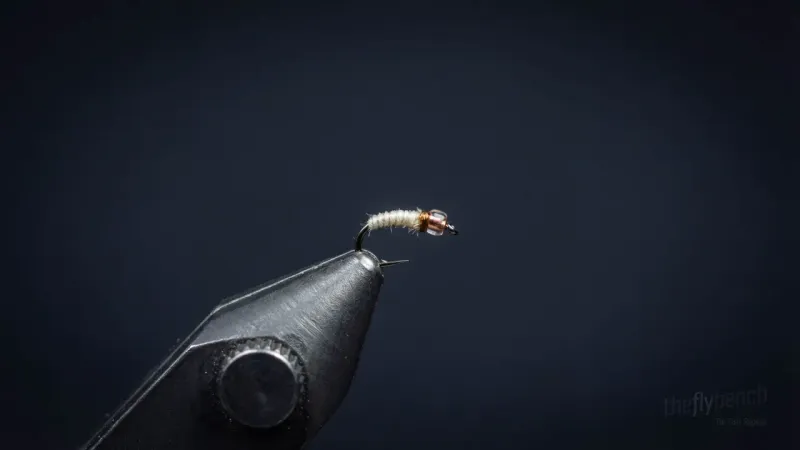
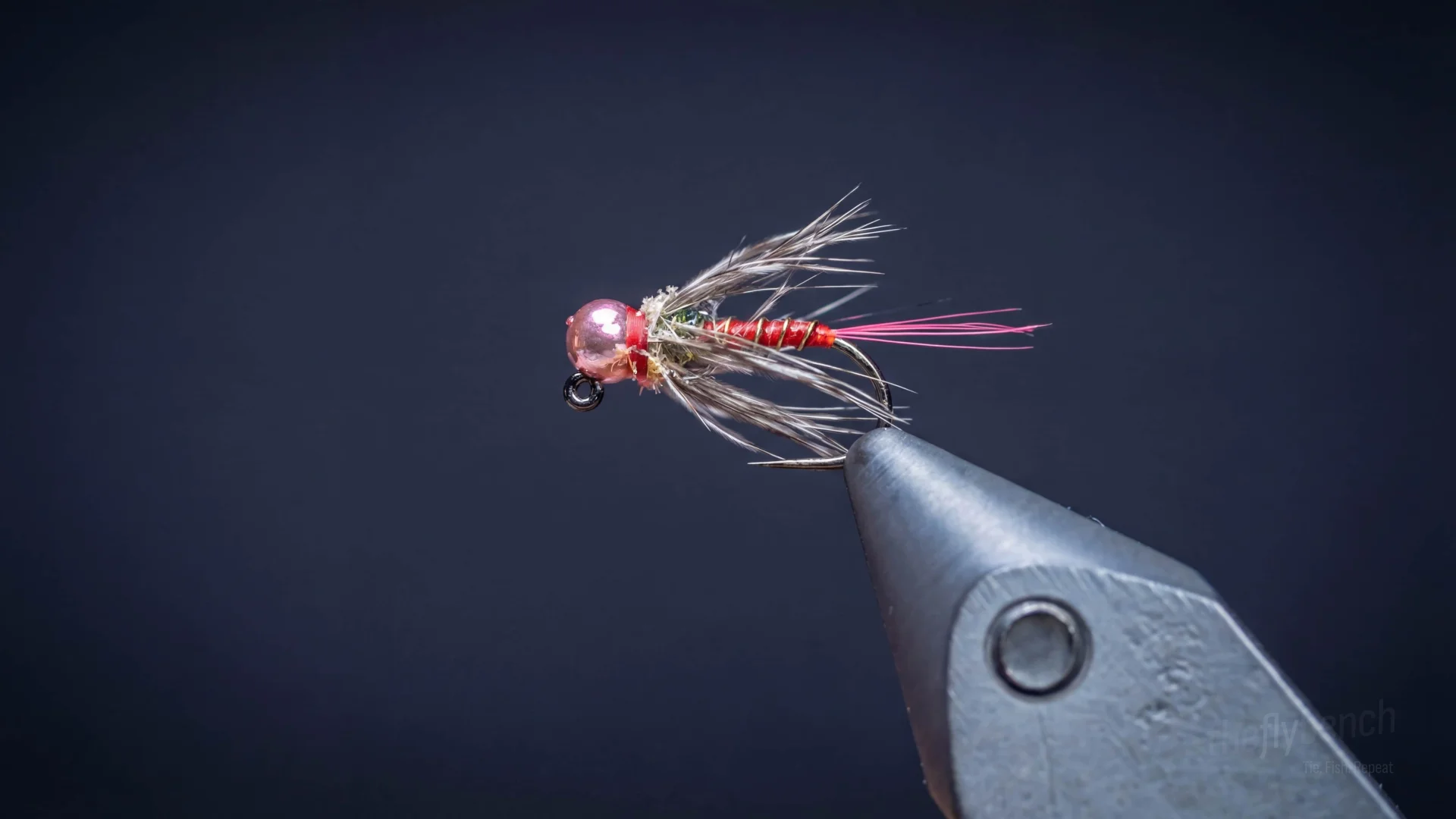
All-pink perdigon-style euro nymph designed by Fly Fish Food serves as both a high-visibility attractor and effective midge pupa imitation. The combination of light pink bead, pale pink body, and fluorescent hot spot creates exceptional visibility in any water conditions. Its slim profile and tungsten weight make it ideal for competition fishing.
Year Round
Intermediate
Trout
Dec 2025
Overview
This pattern is part of the modern perdigon family of euro nymphs developed for competitive fly fishing in the 2010s. The all-pink color scheme creates high visibility for both trout and anglers while maintaining a slim, fast-sinking profile. The UV resin coating adds durability and creates a smooth, reflective surface that enhances the fly's attractiveness. Pink patterns have proven particularly effective for pressured fish in clear water conditions where unique colors create curiosity strikes.
Where to Buy This Fly
We only link to fly shops we trust. Some links are referral links, which may earn us a commission at no extra cost to you.
Materials
- Hook:
- Fulling Mill 5125 Jig Force Short Barbless, size #18
- Bead:
- Hanak Metallic+ Slotted Tungsten, light pink, 2.5mm
- Thread:
- Semperfli Classic Waxed Thread 12/0, fluorescent pink
- Tail:
- Coq De Leon fibers, pink dyed
- Body:
- Hends Body Quill, pale pink
- Hot Spot:
- Glo-Brite floss, fluorescent pink
- Coating:
- Solarez Bone Dry UV Resin
Behavior & Presentation
Natural Behavior: Chironomid pupae pulse upward through the water column, suspending beneath the film during emergence. Failed ascents force them to sink and retry, extending their vulnerability in current seams.
Where Trout Eat It: Trout intercept this pink perdigon tight to the bottom in fast runs, pockets, and deep channels of freestone and tailwater systems. The high-contrast color creates curiosity strikes in clear water where pressured fish see natural patterns constantly on South Fork Snake and Henry's Fork.
How to Fish It: Use tight-line euro nymphing with high-stick presentation, leading the fly slightly in faster currents. Cast upstream at 45 degrees and maintain contact throughout the drift with 3X-4X fluorocarbon—the 2.5mm tungsten bead sinks rapidly to the feeding zone.
Best Water: Work pockets, deep channel swings, and riffle edges of the South Fork Snake and Henry's Fork where current concentrates drifting food. The slim UV resin coating and tungsten bead excel in 3-6 foot fast currents with gravel or cobble bottoms.
Strike Type: Your sighter will sag or tick sharply—strike immediately on any interruption to the drift rhythm.
Fishing Strategy
Rigging Suggestions: Use as the point fly in a euro nymphing setup with 3X-4X fluorocarbon tippet. Pair with a lighter pattern as a dropper 12-18 inches above.
Seasonal Timing: due to its dual role as both an attractor pattern and midge pupa imitation. Particularly productive November-March during winter and early spring when midges are the primary food source (water temperatures 38-50°F), and June-August in summer when trout are looking for high-contrast patterns.
Pro Tips: Sinks very quickly due to tungsten bead and slim UV resin coating. The smooth resin coating reduces water resistance and creates subtle flash that attracts attention without spooking fish.
Entomology
Midge pupae employ oxygen stores accumulated during the pupal stage to fuel their ascent to the surface, but unsuccessful emergence attempts force pupae to sink and attempt additional ascents. This repeated rising and sinking behavior extends their vulnerability window significantly beyond single-ascent insects like caddis pupae. The translucent pupal body reveals internal organs and developing adult structures, creating unique light transmission properties that fish may key on during selective feeding.
- Order
- Diptera
- Family
- Chironomidae
- Common Name
- Midge
- Organism Type
- insect
- Life Stage
- pupa