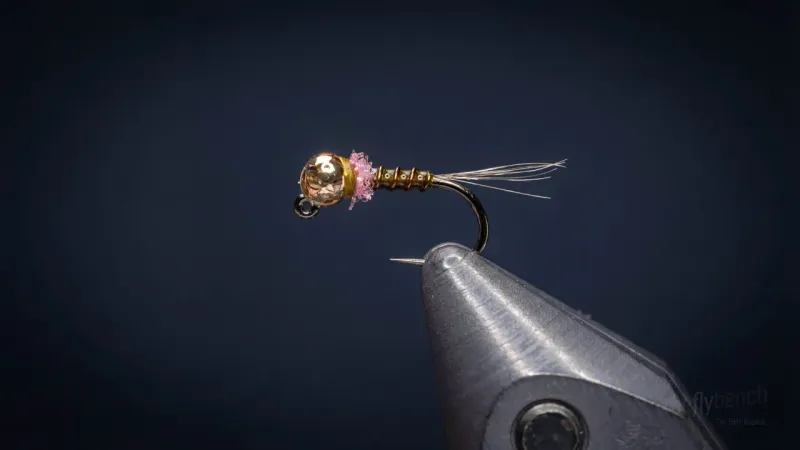
Euro NymphsThreaded Veiled Frenchie Bomb
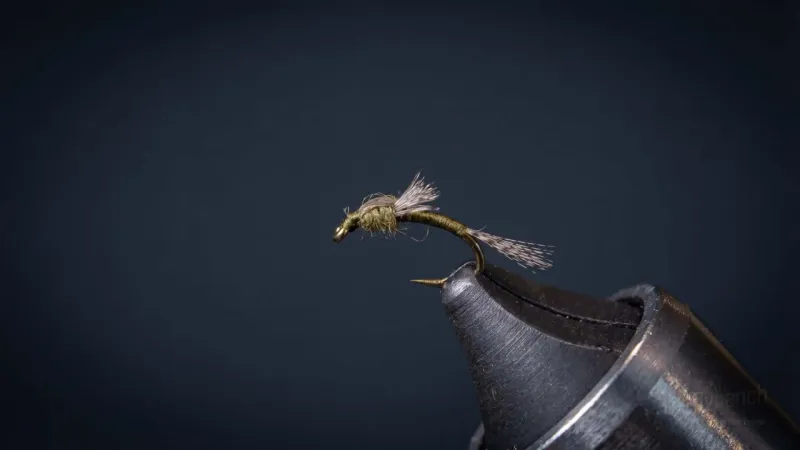
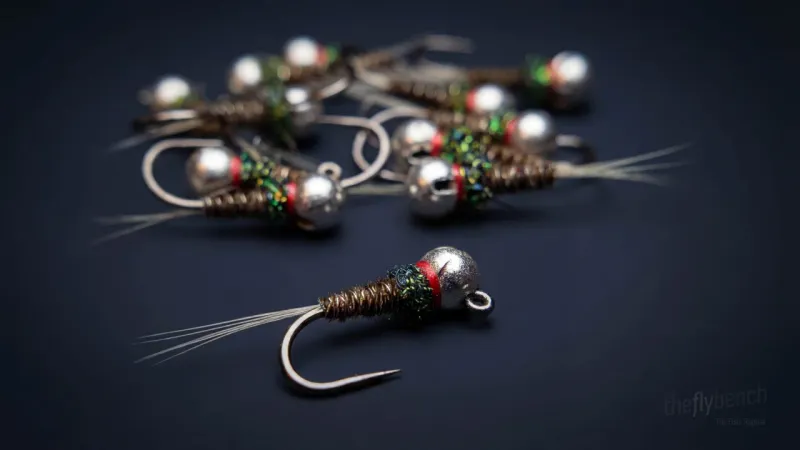
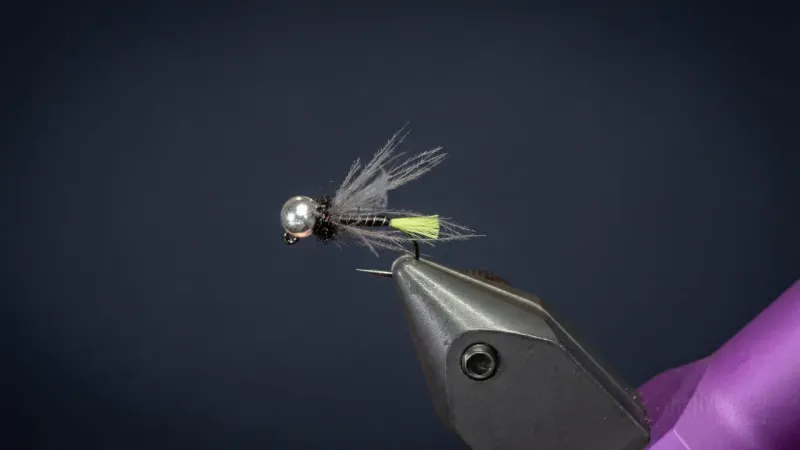
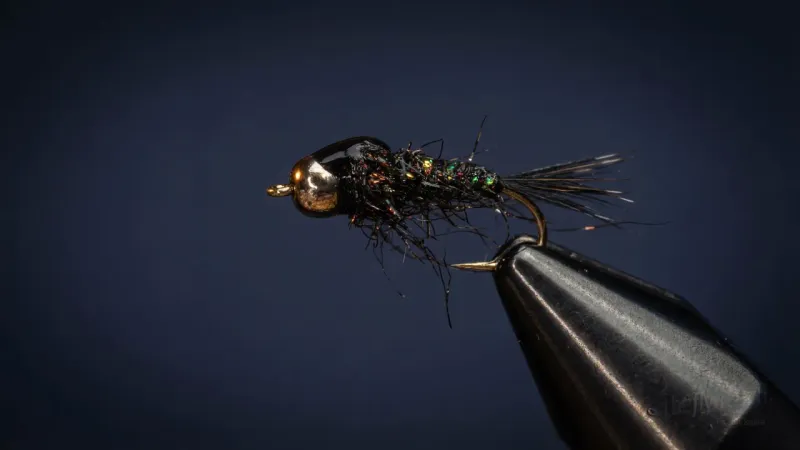
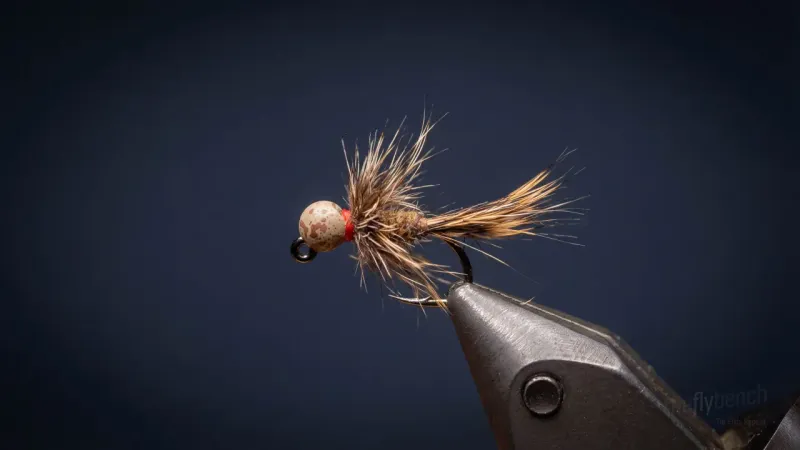
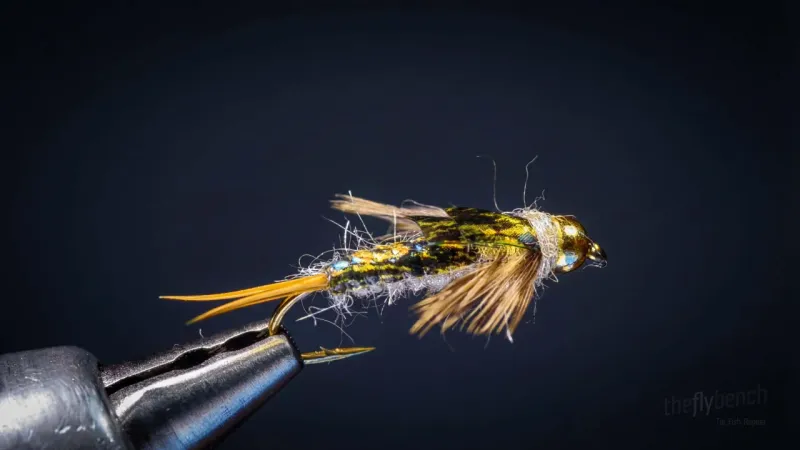
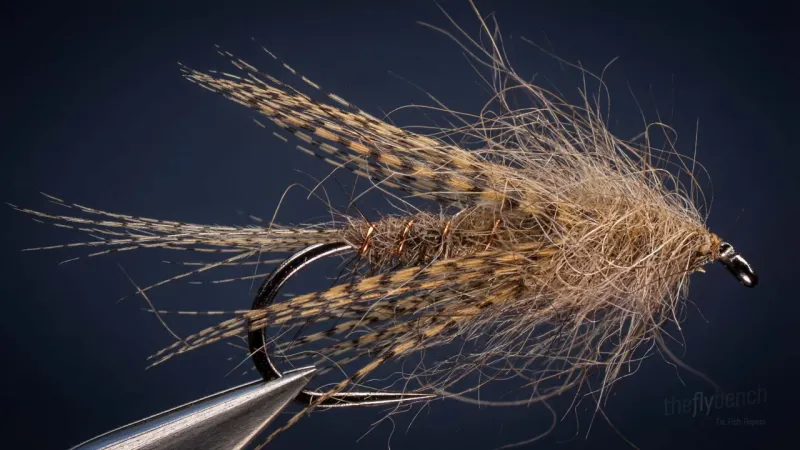
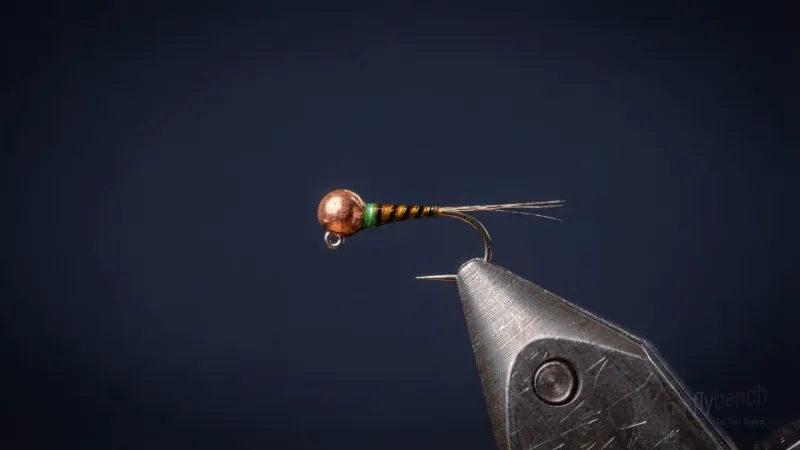
The Threaded Veiled Frenchie Bomb is a variation on the classic Frenchie pattern, incorporating a unique body construction and the popular Jig Bomb bead system. This pattern combines proven fish-catching elements with modern Euro nymph design, featuring a distinctive threaded body and UV dubbing thorax. The inverting tungsten bead creates an effective jigging action that attracts trout in technical presentations.
Year Round
Intermediate
Trout
Dec 2025
Overview
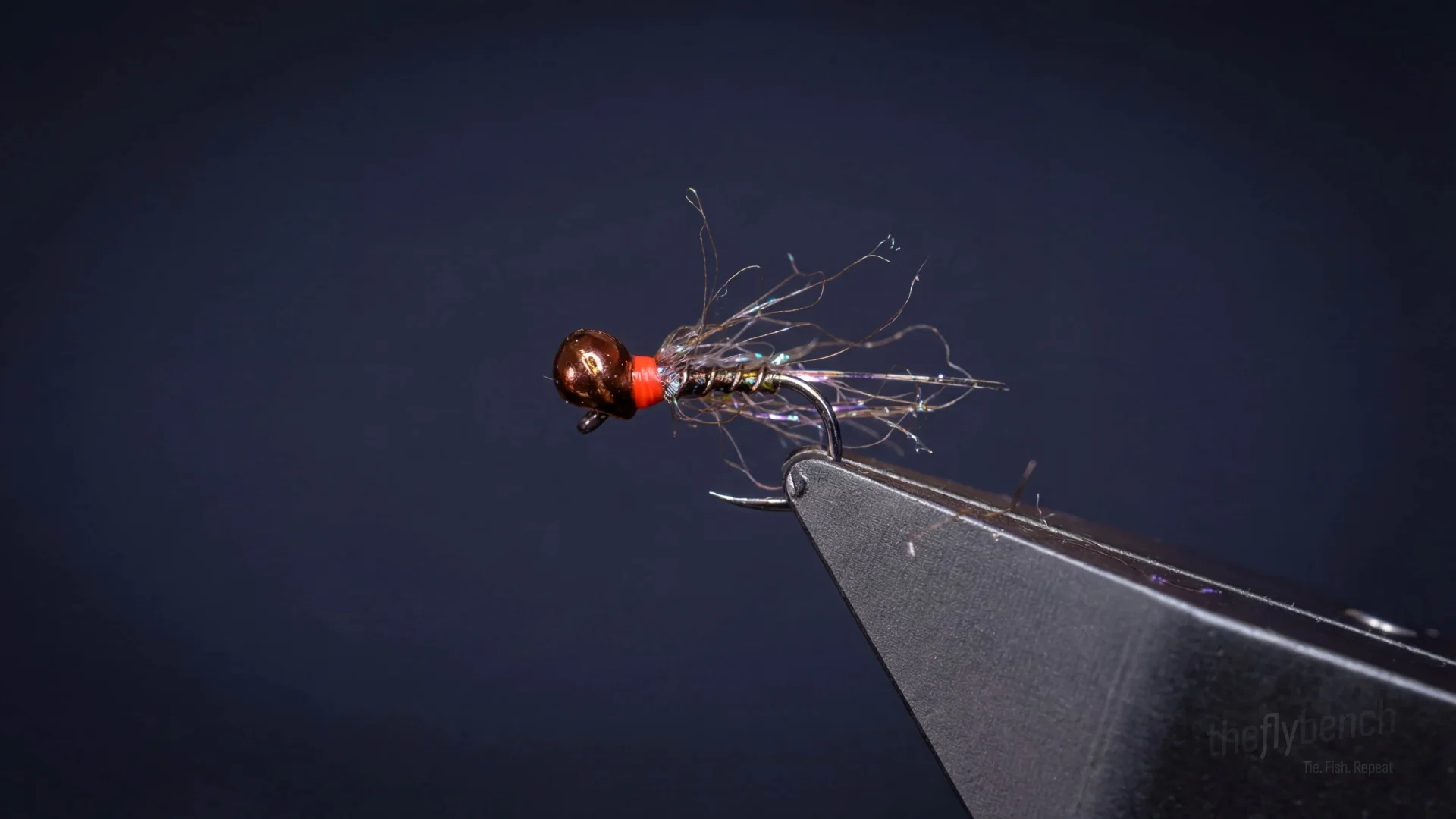
Designed by Curtis from Fly Fish Food in February 2022, this pattern builds on the Frenchie's proven track record while incorporating the Jig Bomb inverting bead system for enhanced hook-riding performance. The threaded body construction creates a veiled, translucent appearance that mimics natural nymph coloration. The fluorescent orange thread hot spot serves as an attractor, while the UV dubbing thorax adds dimension and visibility. The Jig Bomb bead system helps the fly ride hook-point up, reducing snags and improving hook-up ratios in rocky bottoms.
Materials
Hook: Umpqua XC210BL-BN Perdi-Jig Hook, size #18
Bead: Umpqua Jig Bombs Inverting Tungsten Beads, 3.0mm, Radiant Brown
Thread 1: Semperfli Classic Waxed Thread, 12/0, Olive Dun
Thread 2: UTC Ultrathread 70 Denier, Fl. Orange
Tail: Whiting Coq De Leon Euro Nymph Tailing Pack, Dark Pardo
Ribbing: Semperfli Tying Wire, 0.2, March Brown
Thorax: Ice Dub, UV Brown
Coating: Loon Fluorescing UV Clear Fly Finish
Behavior & Presentation
Natural Behavior: Net-spinning larvae abandon fixed silken nets to pupate or relocate, entering drift as defenseless soft-bodied organisms.
Where Trout Eat It: Fish position near bottom in feeding lanes 3-5 feet deep, intercepting large larvae in pocket water and seams.
How to Fish It: Dead drift with tight-line euro setup. Inverting bead orients fly hook-point up, reducing snags while maintaining natural drift.
Best Water: Target seams through current breaks, pocket water with broken flows, and riffle edges where larvae concentrate.
Strike Type: Tick or pause. Fluorescent hotspot and UV dubbing trigger strikes detected through sensitive euro contact.
Fishing Strategy
Rigging Suggestions: Fish on 10-12 foot leader with 5X-6X tippet on a tight-line Euro setup; use as the point fly in a two-fly rig with a lighter pattern as dropper; the 3.0mm tungsten bead provides sufficient weight for most moderate-depth runs without additional split shot.
Seasonal Timing: Year round pattern that works across all seasons, particularly Baetis hatches (March-May) and fall mayfly emergences (September-October).
Pro Tips: Adjust presentation depth and speed based on fish activity level and current conditions for best results.
Entomology
Net-spinning caddis larvae construct fixed silken capture nets in current seams, filtering drifting particulate matter while remaining stationary in hydraulic refuges. When larvae abandon nets to pupate or relocate, they enter the drift as defenseless soft-bodied organisms without protective cases, and their relatively large size (10-15mm) combined with seasonal pulses of simultaneous net-abandonment creates predictable feeding bonanzas in specific habitat types.
- Order
- Trichoptera
- Common Name
- Caddisfly
- Organism Type
- insect
- Life Stage
- nymph