Euro NymphsIce Hare's Ear
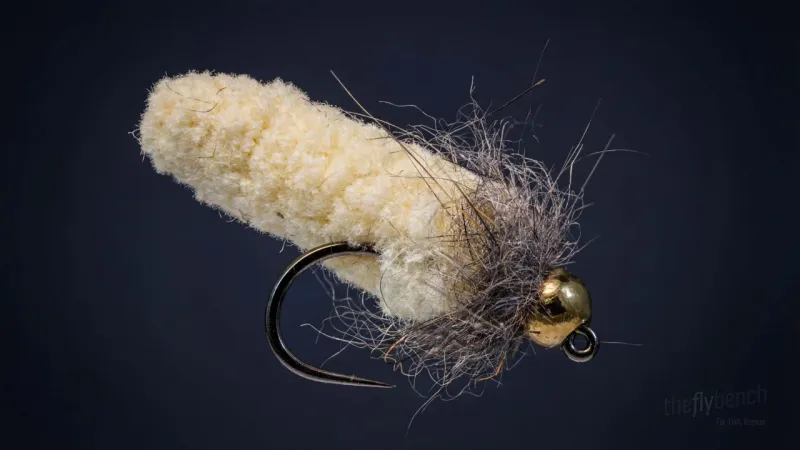
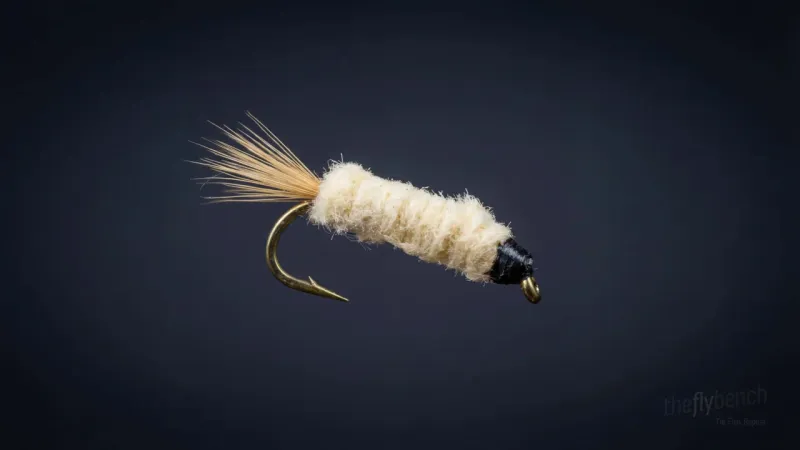
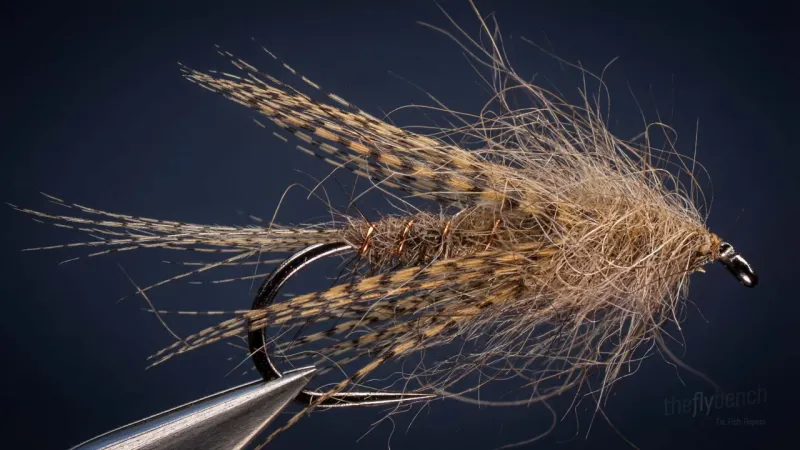
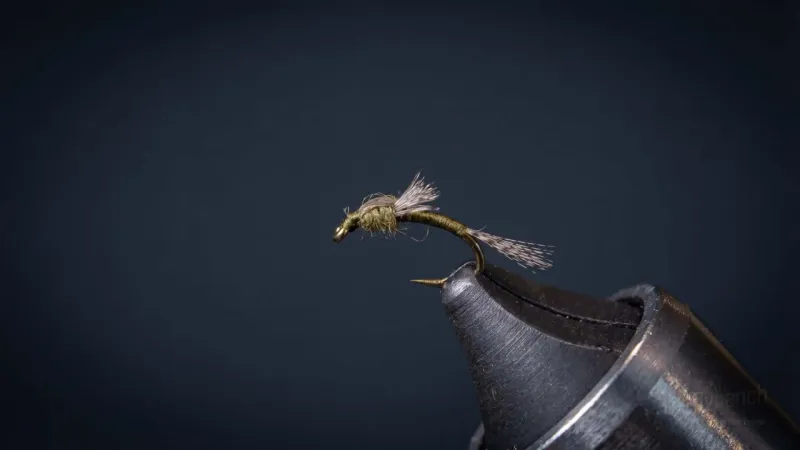
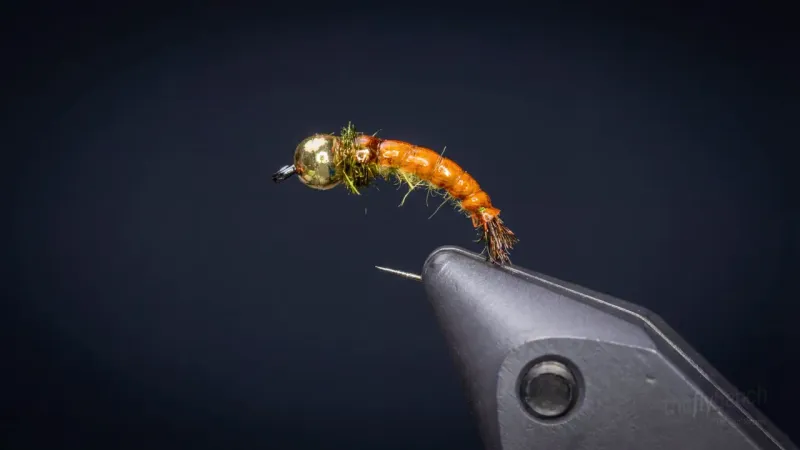
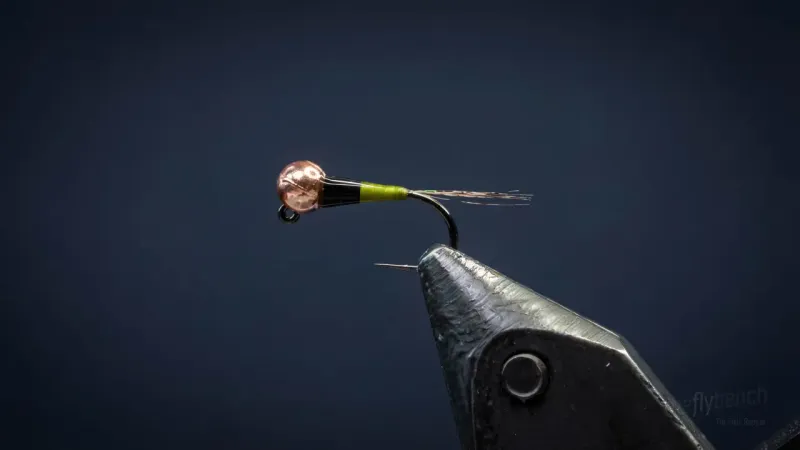
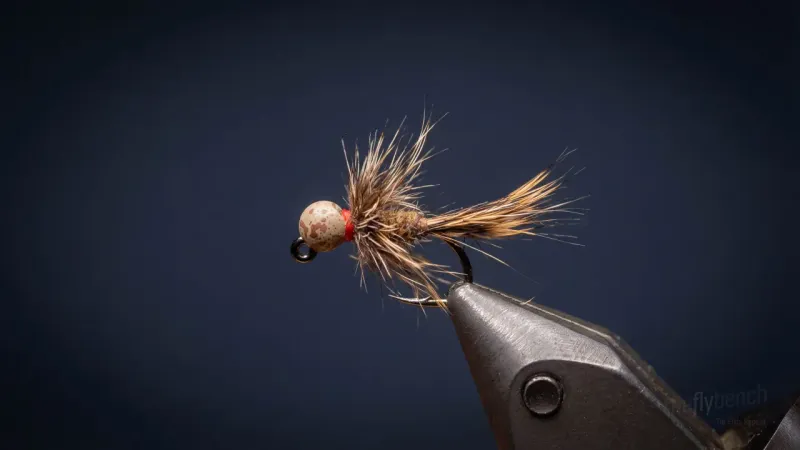
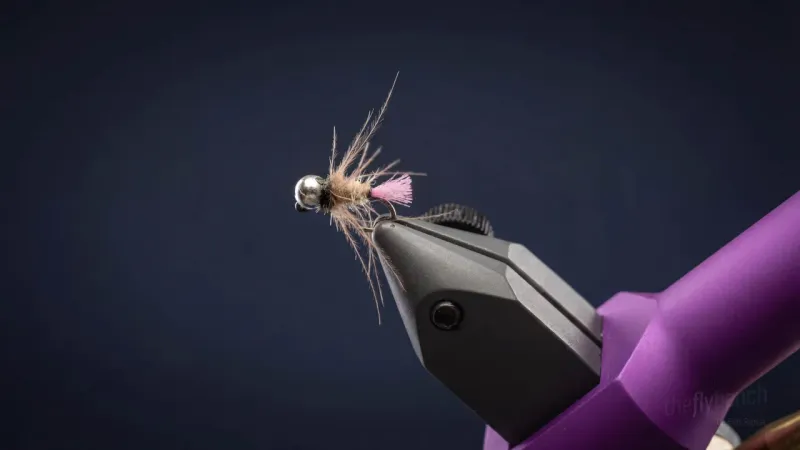
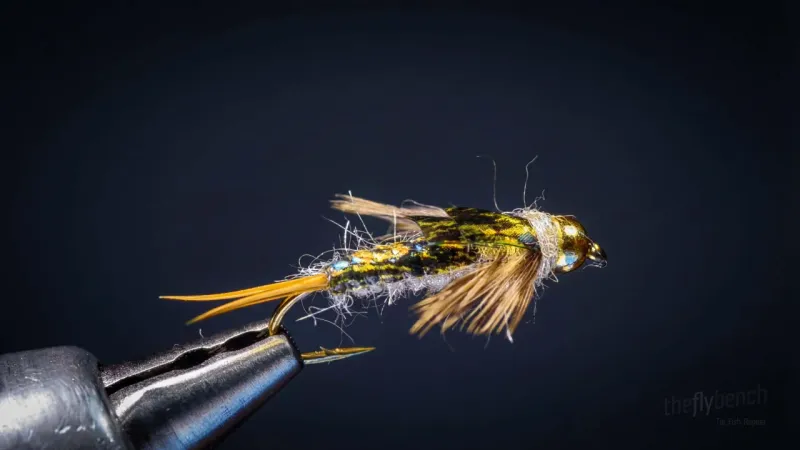
The Ice Hare's Ear is a modern take on the classic Hare's Ear that substitutes Ice Dub for traditional dubbing, creating a flashier and more translucent pattern while maintaining the buggy profile that trout find irresistible. The peacock Ice Dub thorax adds an attractive sheen and lifelike sparkle that traditional materials can't match. This versatile euro nymph works throughout the season as both a searching pattern and specific mayfly or caddis imitation.
Year Round
Beginner
Trout
Dec 2025
Overview
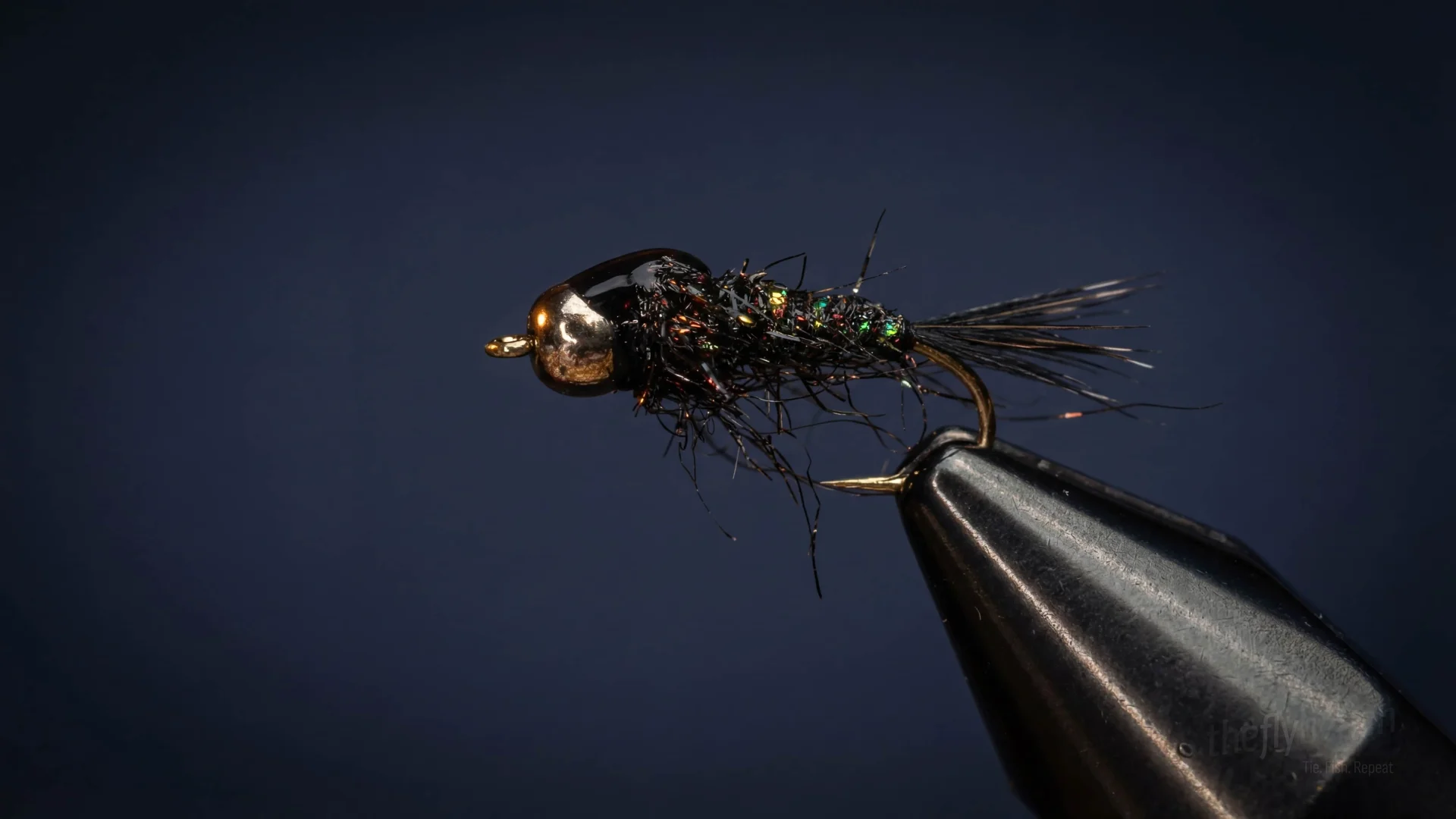
The Ice Hare's Ear maintains the proven profile of traditional hare's ear patterns while incorporating modern materials that add flash and translucency. The Ice Dub creates a more prominent sparkle than natural dubbing, making the fly more visible in off-color water or low-light conditions. The silver wire ribbing adds segmentation and durability while complementing the silver bead. This pattern ties quickly and works well in sizes #12-#18 depending on the target insects and water conditions.
Materials
Hook: Hanak H 400 BL Jig Hook, size #14
Thread: UTC Ultrathread 70 Denier, tan
Bead: Hanak Round+ Slotted Tungsten Beads, 3.5mm, silver
Tail: Whiting Coq De Leon Euro Nymph Tailing Pack, dark pardo
Body: Ice Dub, hare's ear
Rib: UTC Ultra Wire, silver, brassie
Thorax: Ice Dub, peacock
Behavior & Presentation
Natural Behavior: Caddis larvae maintain high population densities even in cold water, remaining active under ice when most insects are dormant. Their slow steady movement along the streambed makes them easy targets for lethargic trout seeking maximum calories with minimal effort.
Where Trout Eat It: Trout feed along the streambed in deeper runs, pools, and riffles where larvae tumble through feeding zones.
How to Fish It: Dead drift using tight-line euro nymphing with high-stick techniques, maintaining contact to detect takes.
Best Water: Target runs, pools, and riffles with moderate to fast currents where larvae naturally occur.
Strike Type: Watch for sag in sighter, tick, or subtle pause indicating interception.
Fishing Strategy
Rigging Suggestions: Fish as the point fly in a euro nymphing rig on 5X-6X fluorocarbon tippet. The 3.5mm tungsten bead provides adequate weight for most water depths, but add a lighter dropper pattern 12-18 inches above if fishing deeper runs.
Seasonal Timing: as a versatile searching pattern. Particularly productive during spring mayfly emergences and summer caddis activity.
Pro Tips: The silver tungsten bead provides quick sink rate and subtle flash without spooking fish. The Ice Dub body creates translucency and sparkle that mimics the natural segmentation and gills of aquatic insects.
Entomology
Caddisfly larvae maintain remarkably high population densities in cold-water environments, with some species remaining active even under ice when most other aquatic insects are dormant. Their slow but steady movement patterns along the streambed make them easy targets for lethargic winter trout seeking maximum caloric intake with minimal energy expenditure. The larvae's soft bodies and rich protein content provide essential nutrition during periods when insect activity is drastically reduced.
- Order
- Trichoptera
- Common Name
- Caddisfly
- Organism Type
- insect
- Life Stage
- nymph