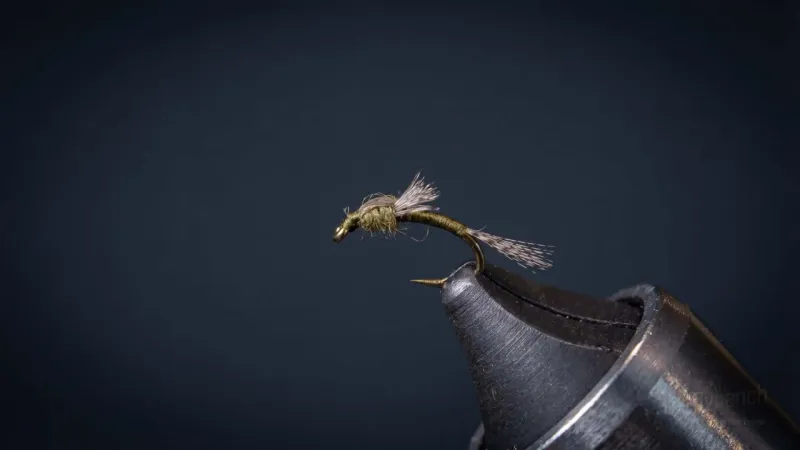
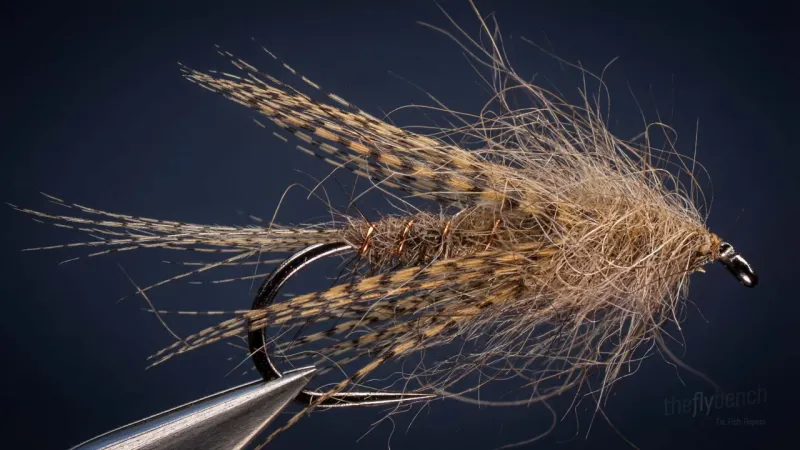
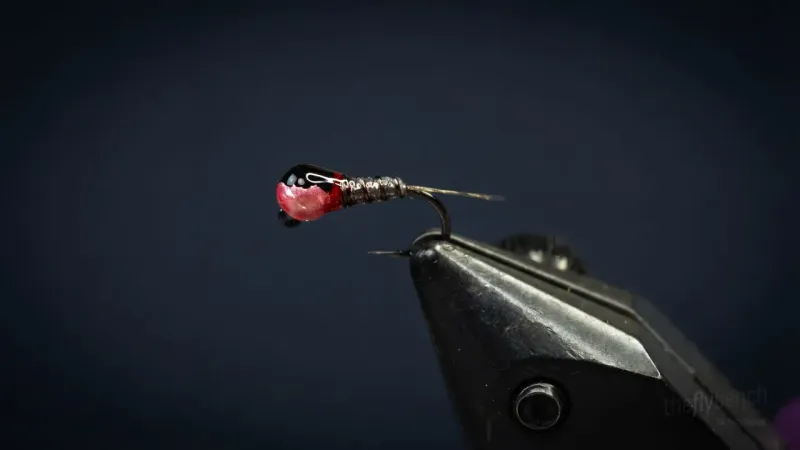
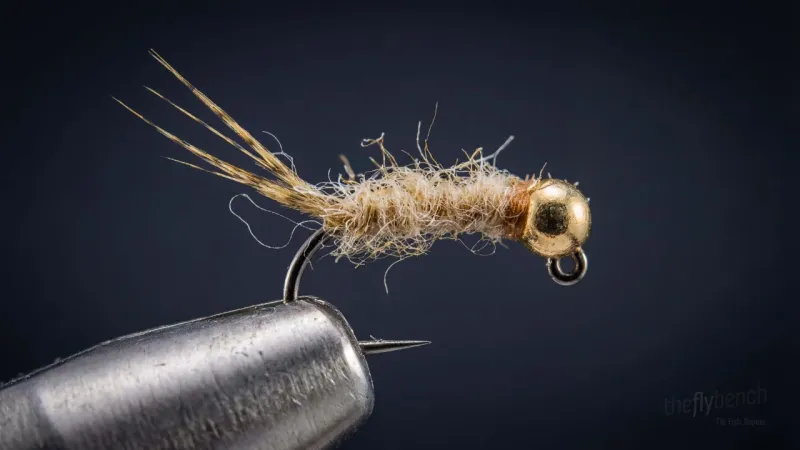
Euro NymphsThe Thread Frenchie
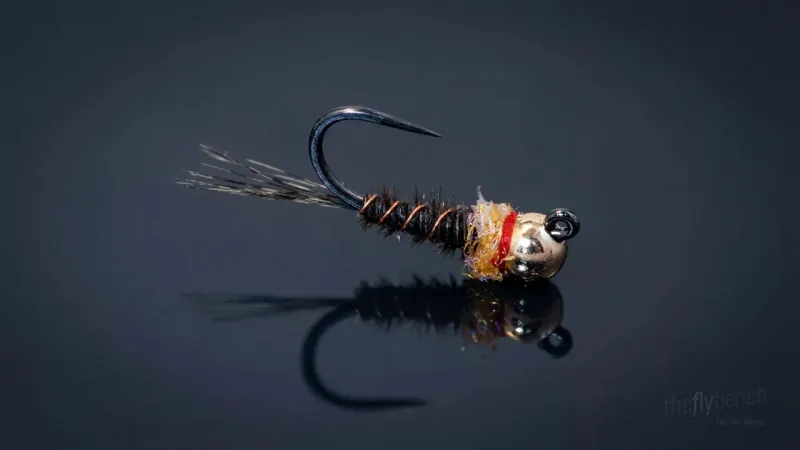
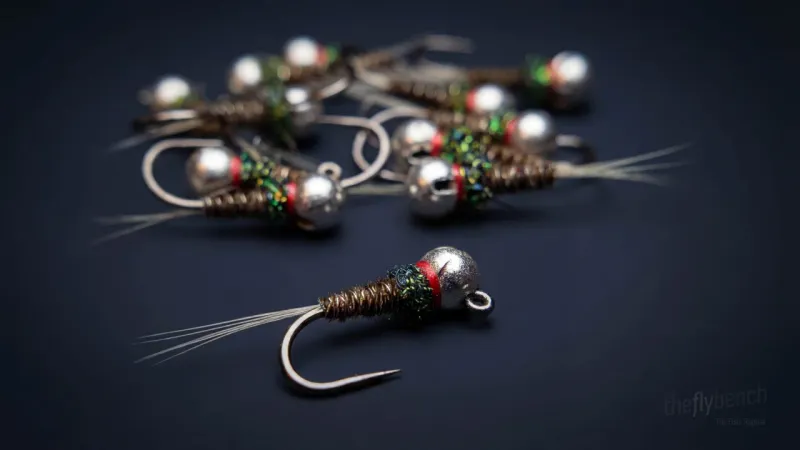
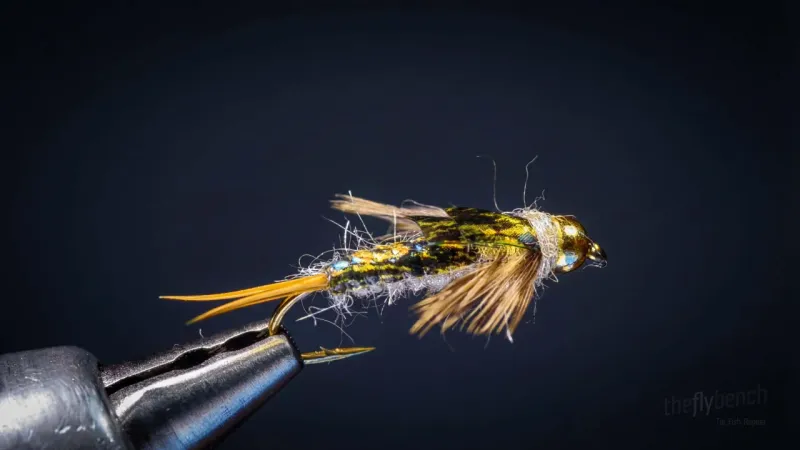
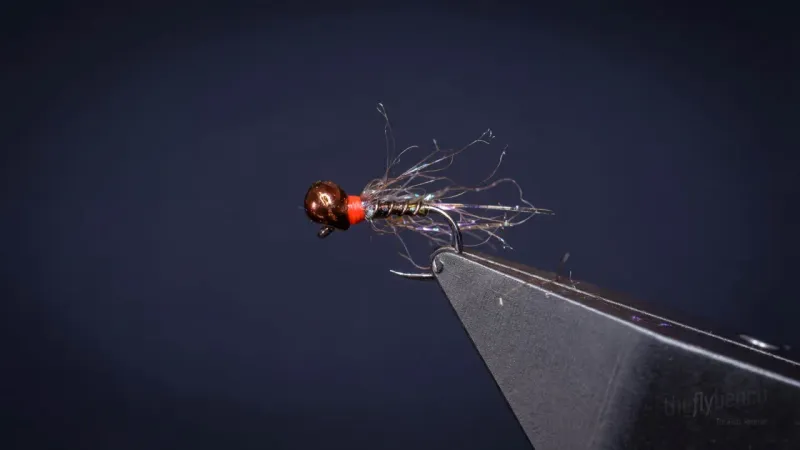
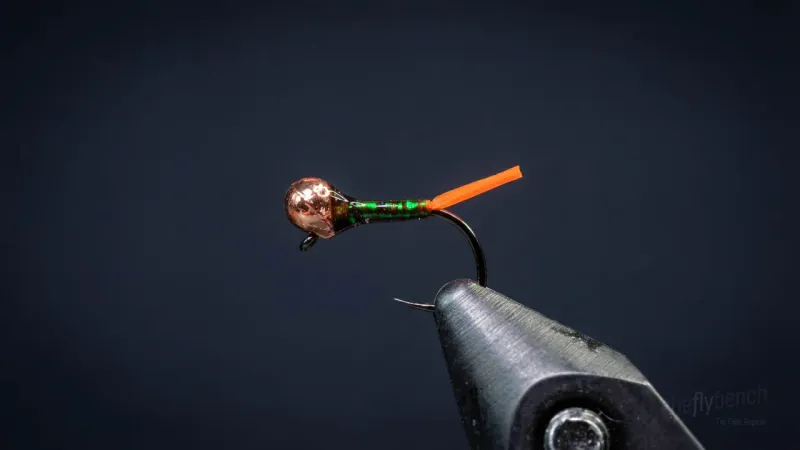
An alternative to pheasant tail Frenchies that's more durable and easier to tie. The thread body creates a dense, segmented profile that eliminates the fragile pheasant tail fibers while maintaining effectiveness. Can be tied with varying bead sizes on the same hook for different sink rates.
Year Round
Beginner
Trout
Dec 2025
Overview
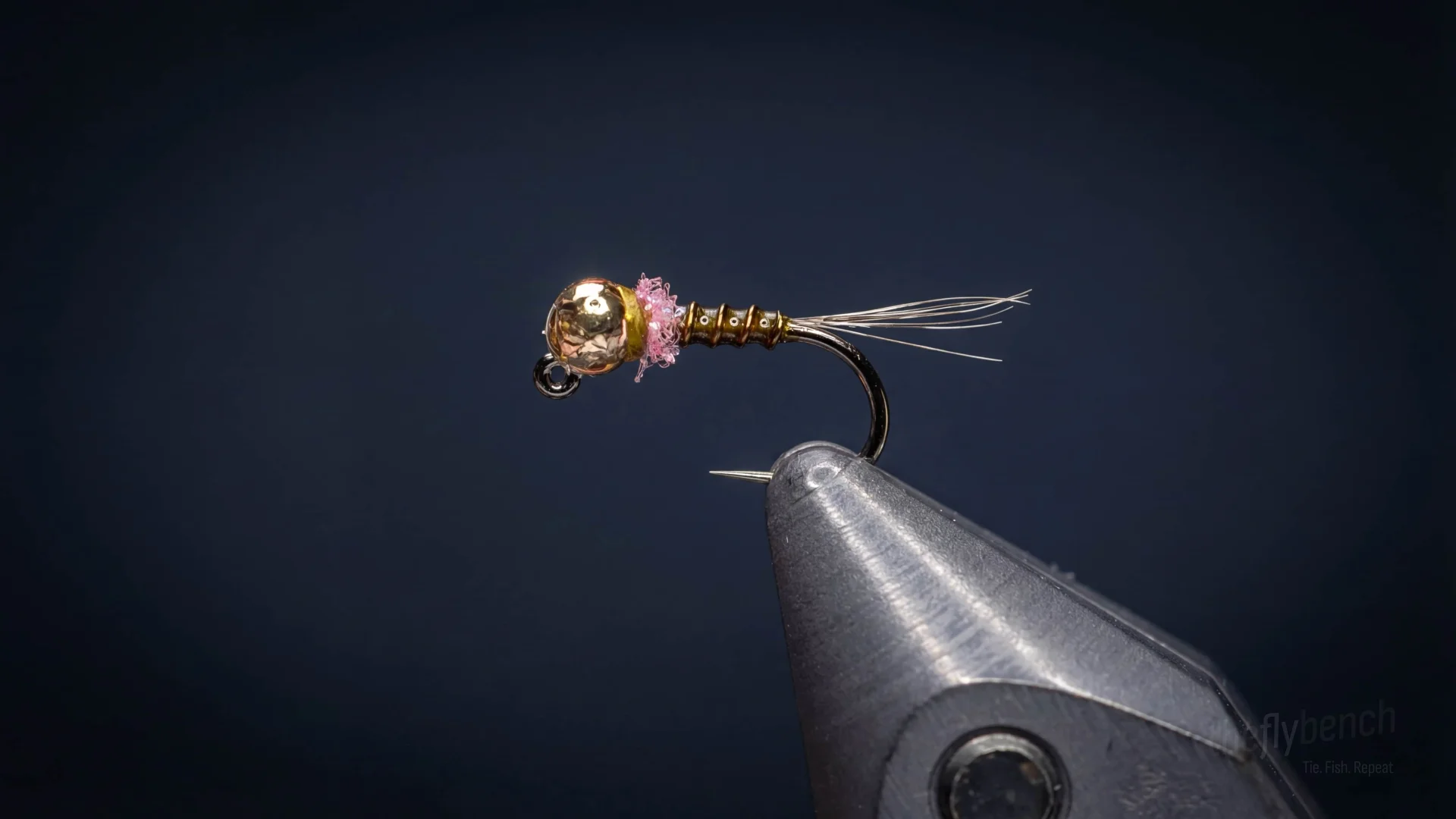
Developed by Lance in July 2018 as a more durable alternative to traditional Frenchie patterns. The thread body construction significantly increases durability compared to pheasant tail versions while maintaining the slim profile crucial for euro nymphing. Bead size can be adjusted (2.3mm, 2.8mm, or 3.3mm) on the same hook size to vary sink rates for different water depths. The UV resin coating adds durability and creates a realistic segmented appearance.
Where to Buy This Fly
We only link to fly shops we trust. Some links are referral links, which may earn us a commission at no extra cost to you.
Materials
- Hook:
- Umpqua XC400BL-BN or Hanak H 400 BL Jig Hook, size 16
- Thread:
- UTC Ultrathread 70 denier, olive
- Bead:
- Hareline slotted tungsten bead, gold, 3/32" (2.3mm)
- Tail:
- Whiting Coq de Leon Euro Nymph tailing pack, dark pardo
- Ribbing:
- Semperfli tying wire, 0.2mm, March brown
- Hot Spot:
- Ice Dub, UV pink
- Body Coating:
- Loon UV Clear Fly Finish, Flow
- UV Light:
- Loon UV Infiniti Light
Behavior & Presentation
Natural Behavior: Nymphs orient into current for gill ventilation, emerging from hiding during low-light periods to feed actively on exposed surfaces.
Where Trout Eat It: Fish station in feeding lanes 2-4 feet deep, intercepting nymphs tumbling through pocket water and seams.
How to Fish It: Dead drift with euro contact. Slim thread body cuts through current efficiently while UV hotspot provides visual trigger.
Best Water: Target pocket water with structure, seams where drift concentrates, and riffle edges near feeding zones.
Strike Type: Tick or sag in sighter. UV hotspot triggers visual strikes detected through tight-line contact.
Fishing Strategy
Rigging Suggestions: Use as point fly in euro nymphing rigs with 9-12 foot leader and 4X-5X fluorocarbon tippet. Works effectively as a dropper 12-18 inches below a dry fly indicator pattern.
Seasonal Timing: in freestone streams, tailwaters, and spring creeks. Particularly productive during spring and fall Baetis hatches, and throughout summer in high-altitude streams.
Pro Tips: Sinks quickly with tungsten bead, reaching depths of 2-4 feet rapidly. The slender thread body cuts through current efficiently with minimal water resistance.
Entomology
Mayfly nymphs demonstrate positive rheotaxis, orienting into current flow to maximize gill ventilation and filter-feeding efficiency on suspended drift organisms. Their gill movements create subtle visual cues that trout detect from considerable distances, and during low-light periods when nymphs emerge from interstices to feed actively on exposed surfaces, predation risk increases exponentially despite their cryptic coloration matching substrate tones.
- Order
- Ephemeroptera
- Common Name
- Mayfly
- Organism Type
- insect
- Life Stage
- nymph