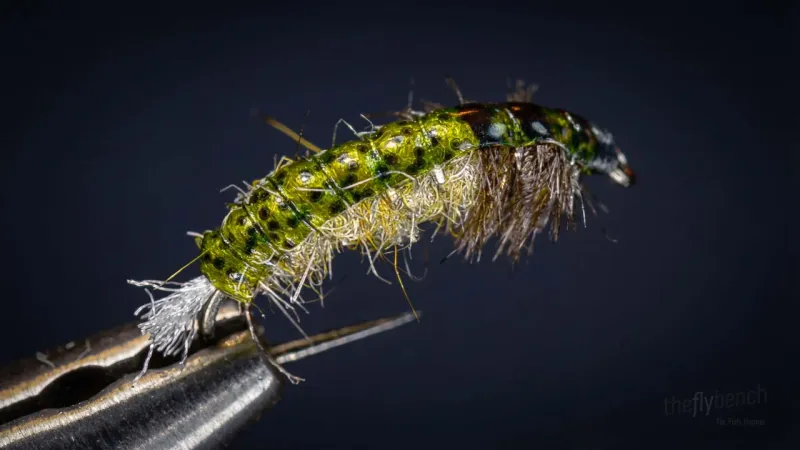
NymphBird's Nest
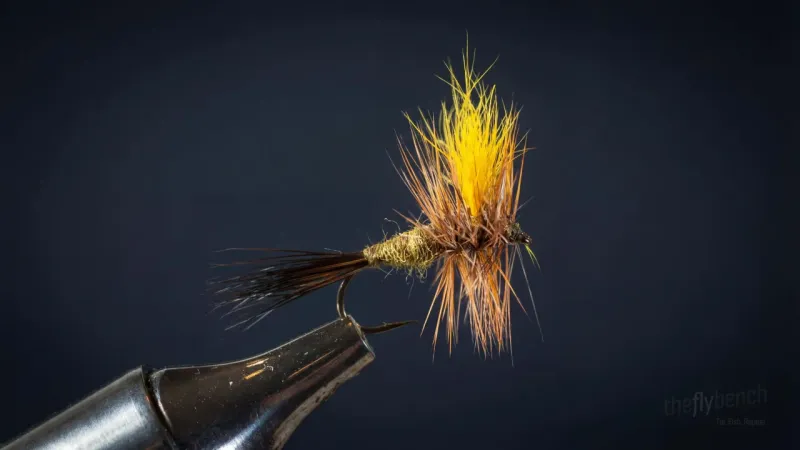
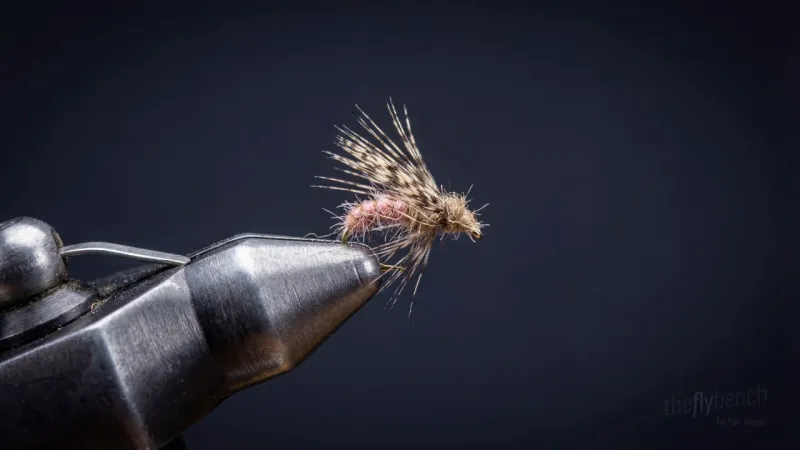
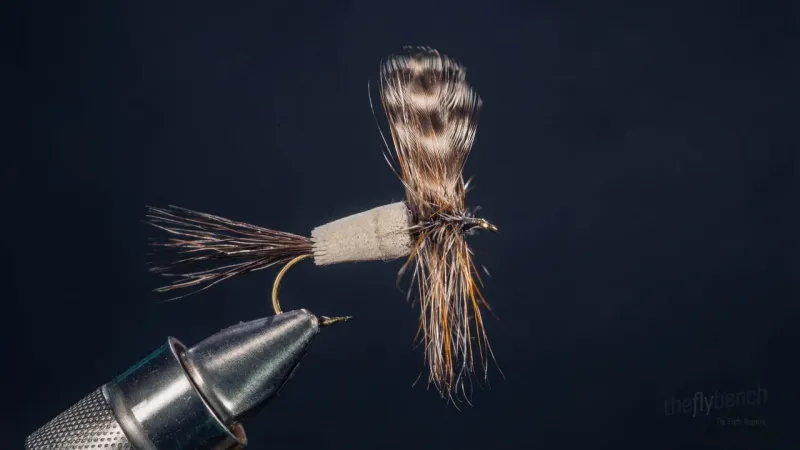
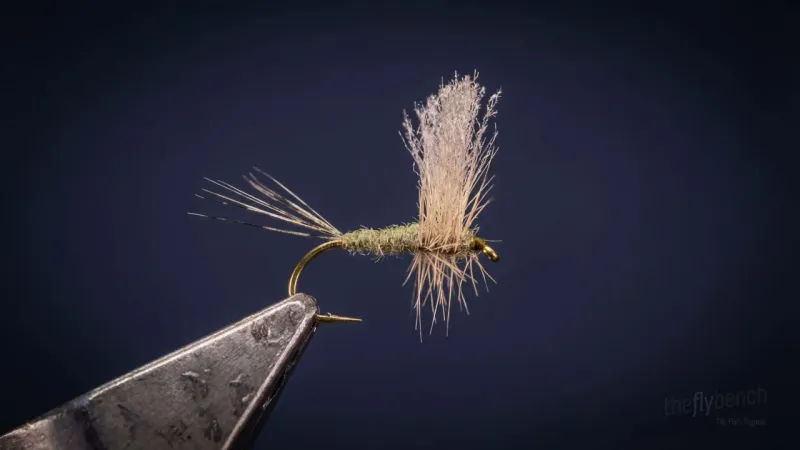
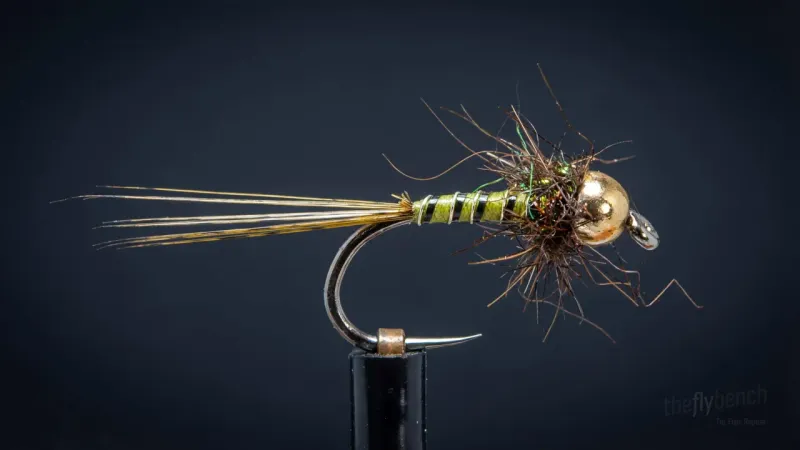
The Bird's Nest is a versatile and effective nymph pattern that imitates a variety of aquatic insect larvae. Its tied to mimic the movement and appearance of a natural bug, making it irresistible to trout.
Year Round
Intermediate
Trout
Apr 2025
Overview
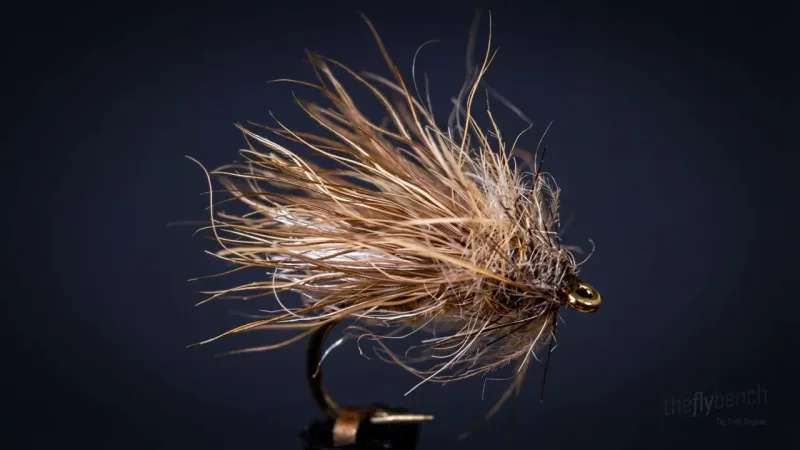
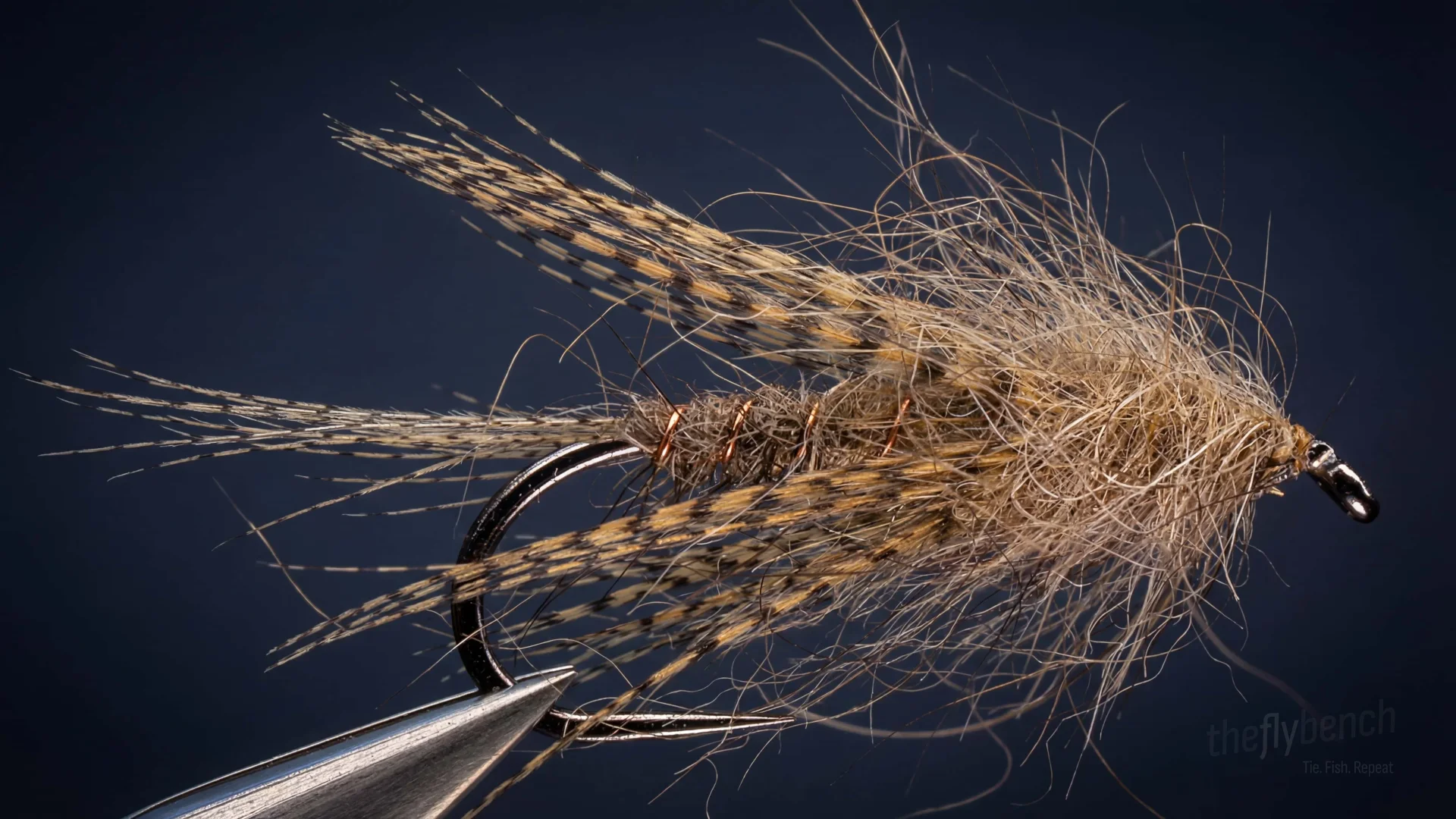
The Bird's Nest is a classic, buggy nymph that imitates a wide range of aquatic insects, from mayfly nymphs to caddis pupae. Its shaggy appearance and soft hackle make it incredibly versatile, effective in both stillwater and moving water throughout the year.
Where to Buy This Fly
We only link to fly shops we trust. Some links are referral links, which may earn us a commission at no extra cost to you.
Materials
- Hook:
- Dai-Riki 285, size 16
- Weight:
- .02 lead
- Bead:
- Copper
- Thread:
- Danville 6/0, olive
- Tail:
- Wood duck feather
- Abdomen:
- Natural Australian possum
- Rib:
- Copper colored UTC ultra wire, small
- Legs:
- Wood duck feather
- Collar:
- Natural Australian possum
Behavior & Presentation
Natural Behavior: Caseless larvae bounce and roll through current seams during behavioral drift, their soft segmented bodies tumbling helplessly along bottom structure. High water events dislodge additional numbers, creating feeding opportunities in pocket water.
Where Trout Eat It: Concentrate on bottom zones in current seams and pocket water where dislodged larvae tumble through feeding lanes.
How to Fish It: Dead drift with natural tumbling motion, allowing the fly to bounce along bottom structure.
Best Water: Target pocket water behind boulders, riffle edges, runs, and current seams with rocky substrate.
Strike Type: Expect a soft stop or gentle resistance as the indicator drifts, often feeling like the fly dragging bottom before distinguishing the subtle pull of a feeding fish.
Fishing Strategy
Rigging Suggestions: The Bird's Nest can be fished alone or as a dropper off a dry fly. Add split shot if needed to reach the desired depth.
Seasonal Timing: Most productive during optimal water temperature windows and peak insect activity periods.
Pro Tips: The Bird's Nest is a sinking pattern, due to its dense dubbing and hackle. Its natural colors blend well with the river bottom, making it alluring to trout.
Entomology
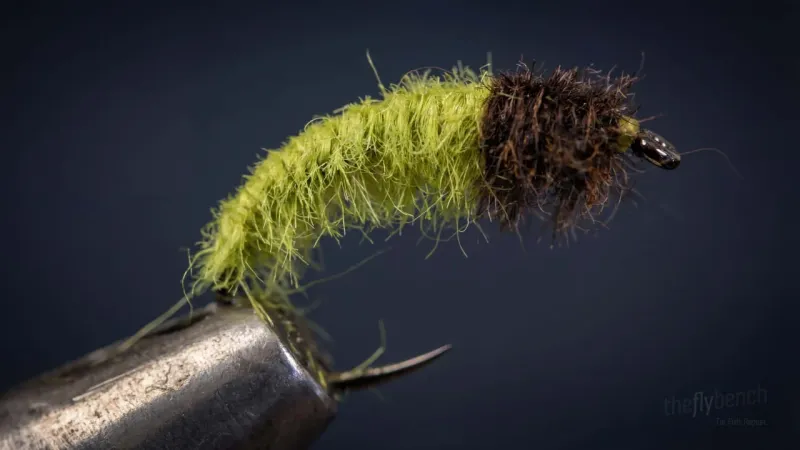
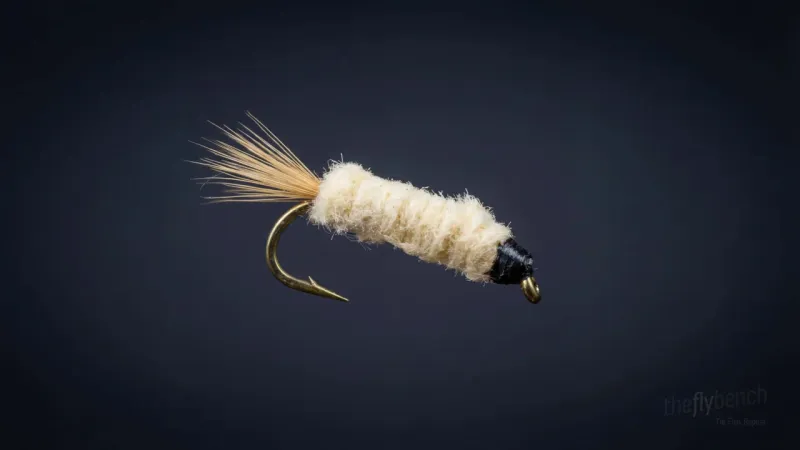
Free-living caddis larvae tumble along stream bottoms during high water events or behavioral drift periods, their soft, segmented bodies bouncing and rolling through current seams and pocket water. These larvae lack protective cases and exhibit a distinctive grub-like shape with visible segmentation and often bright coloration (cream, tan, or green) that makes them highly visible against rocky substrate. Their vulnerability when drifting and their year-round availability make them a staple food source that consistently produces strikes in pocket water and riffles.
- Order
- Trichoptera
- Common Name
- Caddisfly
- Organism Type
- insect
- Life Stage
- larva