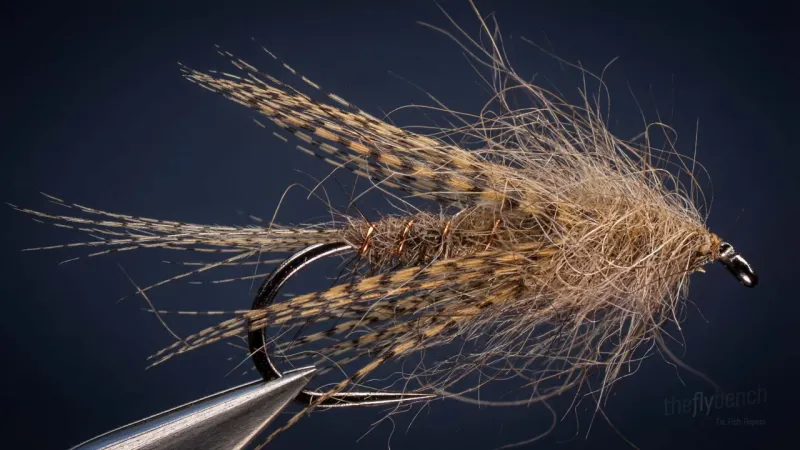
Euro NymphsMil Spec Perdigon
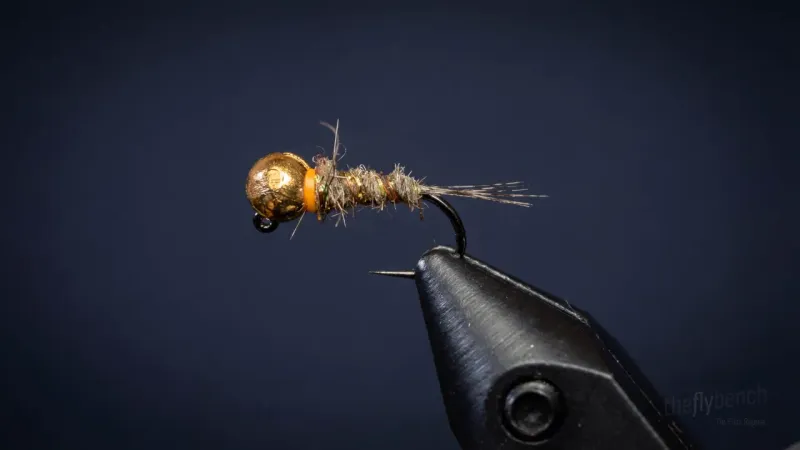
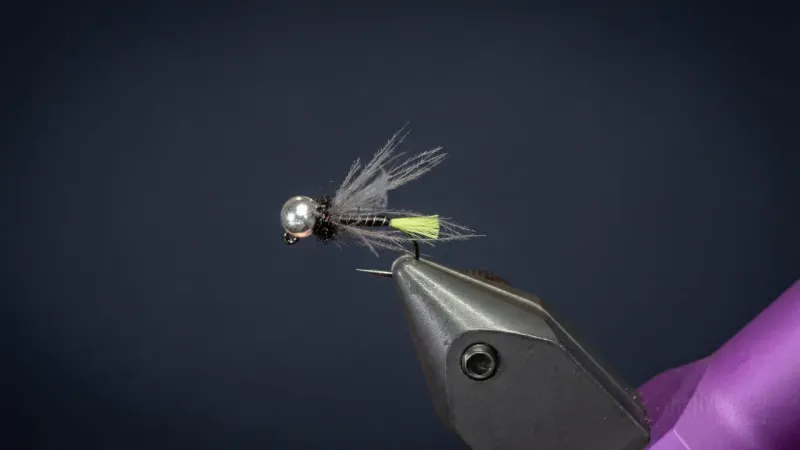
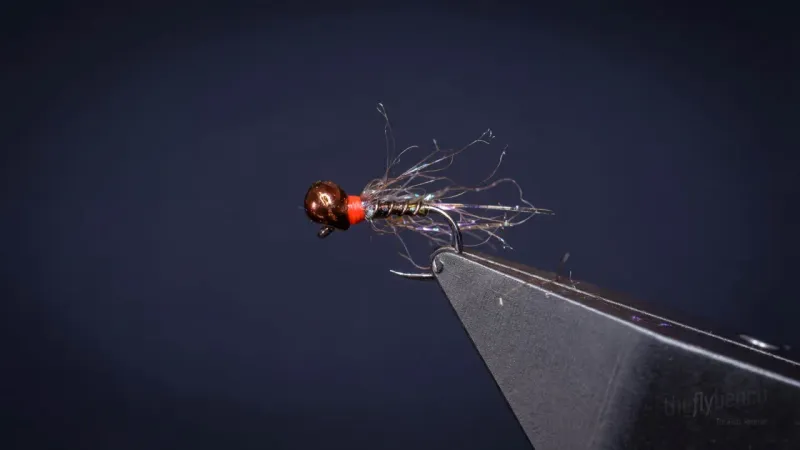
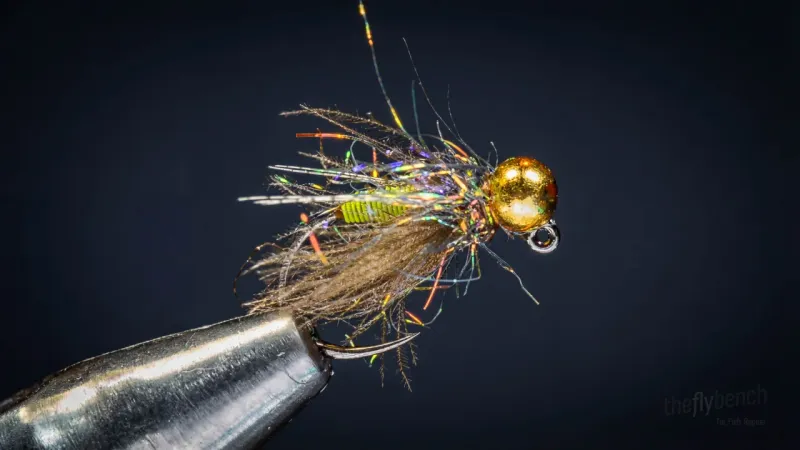
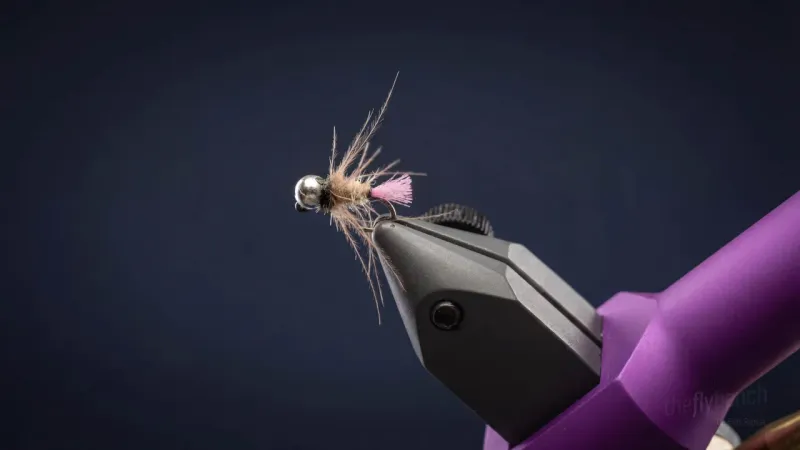
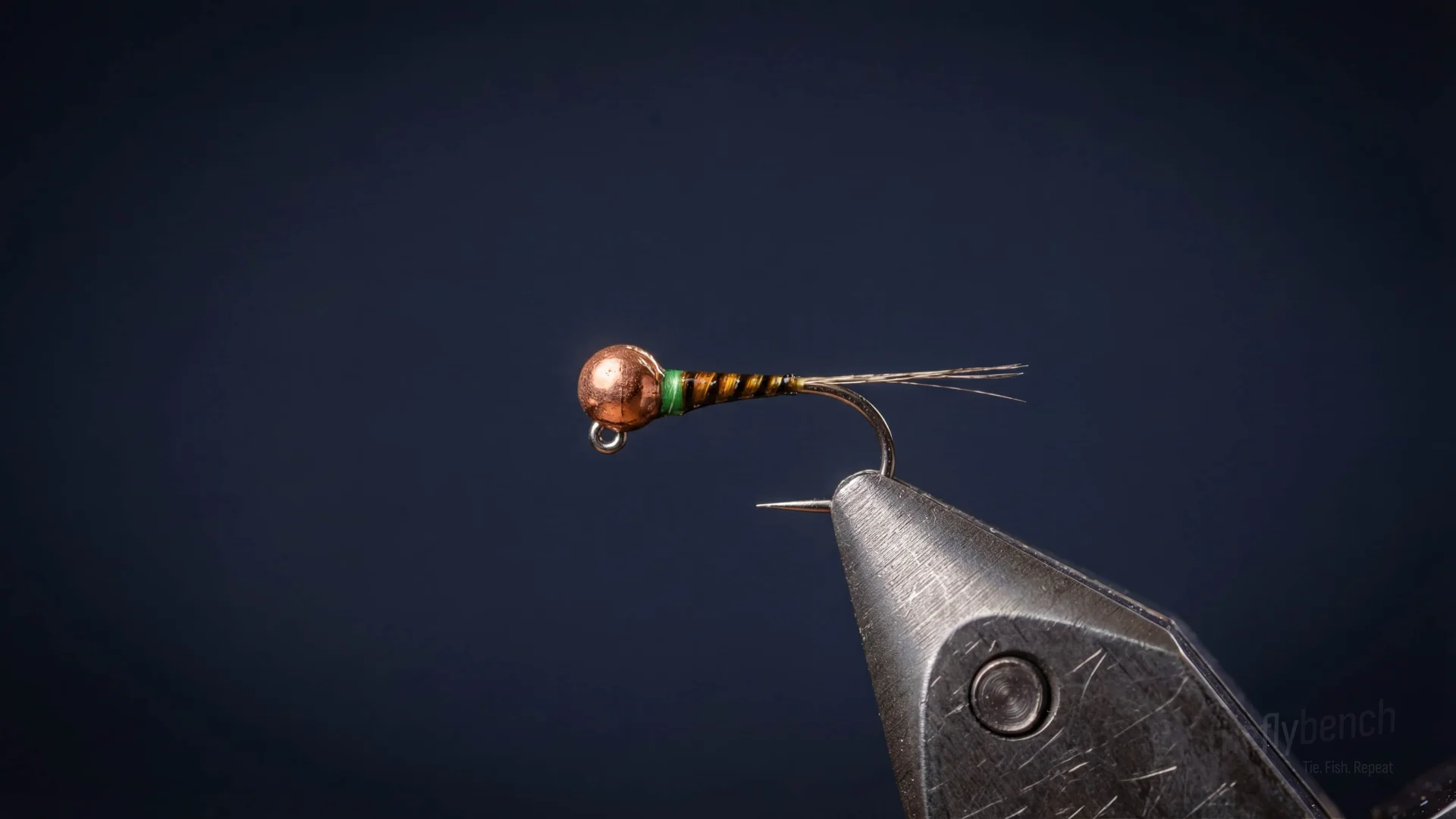
A military-inspired olive perdigon designed for competitive euro nymphing. The slim profile created by the Hends Body Quill and UV resin coating allows for a fast sink rate while maintaining a natural appearance. The chartreuse hot spot adds visibility and attraction in clear water conditions.
Year Round
Intermediate
Trout
Dec 2025
Overview
The Mil Spec Perdigon follows the modern euro nymph philosophy of minimal materials and maximum efficiency. The Body Quill creates an ultra-slim profile that cuts through currents easily, while the UV resin coating adds durability and weight for fast sinking. The fluorescent chartreuse hot spot provides a trigger point without overwhelming the natural olive coloration. Can be tied in various sizes from #14-#18 to match different water conditions.
Materials
Hook: Hanak H 450 BL Jig Hook, size #16
Thread: Semperfli Classic Waxed Thread 12/0, olive
Bead: Hanak Metallic+ Slotted Tungsten, olive, 2.8mm
Tail: Coq De Leon fibers, medium pardo
Body: Hends Body Quill, olive
Hot Spot: Glo-Brite floss, fluorescent chartreuse
Coating: Solarez Bone Dry UV Resin
Behavior & Presentation
Natural Behavior: Drifting nymphs tumble through fast currents after current surges strip them from cobble. Their streamlined bodies sink quickly, appearing as easy meals in the mid-column.
Where Trout Eat It: Fish position near bottom in fast water, targeting nymphs concentrated in high-percentage drift lanes 2-4 feet deep.
How to Fish It: Use high-stick euro presentations with tight-line contact. The tungsten bead cuts through current to reach feeding depth quickly in pocket water.
Best Water: Fish seams between fast and slow current, riffle edges where flow accelerates, and pocket water with complex flows that concentrate drifting nymphs.
Strike Type: Sharp tap or sudden stop detected through tight line requires immediate hookset to connect.
Fishing Strategy
Rigging Suggestions: Use as a point fly in a euro nymphing setup with 10-14 foot leader and 5X-6X tippet. Pair with a lighter dropper fly 12-18 inches above for a two-fly rig.
Seasonal Timing: , particularly during spring Baetis hatches (March-May) and fall mayfly activity (September-November). Works well in winter when trout are holding deep and selective.
Pro Tips: Sinks extremely fast due to the combination of tungsten bead, jig hook design, and UV resin coating. The slim profile minimizes water resistance, allowing the fly to reach depths of 3-4 feet within seconds.
Entomology
Caddisfly pupae encased in sealed cases undergo complete metamorphosis, then cut free and swim rapidly toward the surface using synchronized middle-leg rowing motions and gas-filled chambers that provide buoyancy. This ascent typically occurs en masse during specific time windows, creating feeding frenzies as trout gorge on the vulnerable transitioning insects. The pupal stage represents the highest caloric value of the caddisfly life cycle due to concentrated tissue development for the adult stage.
- Order
- Trichoptera
- Common Name
- Caddisfly
- Organism Type
- insect
- Life Stage
- nymph