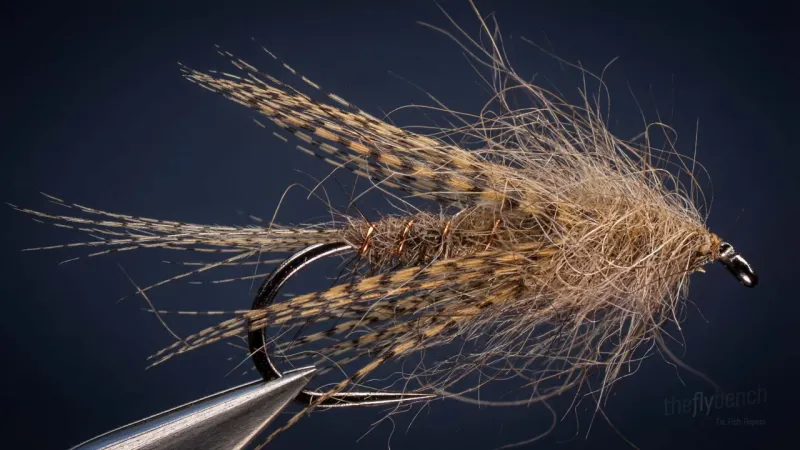
Euro NymphsRoza's Green Tag Jig
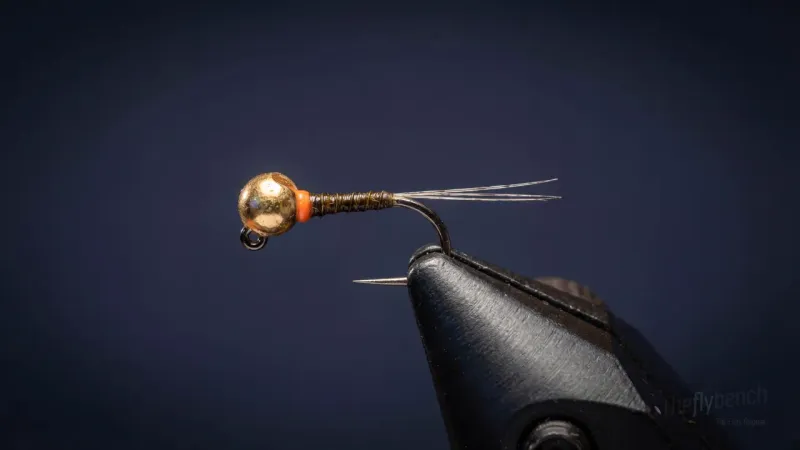
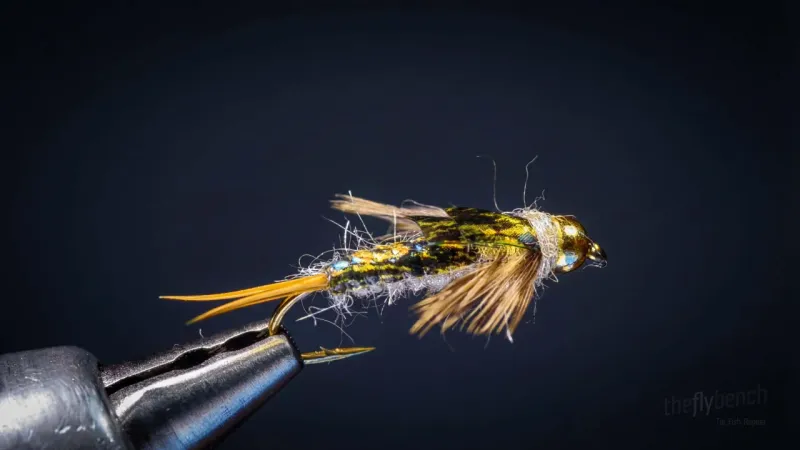
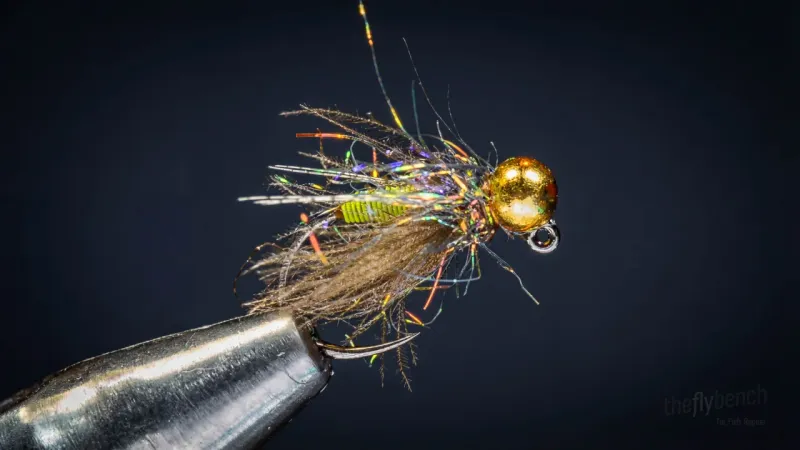
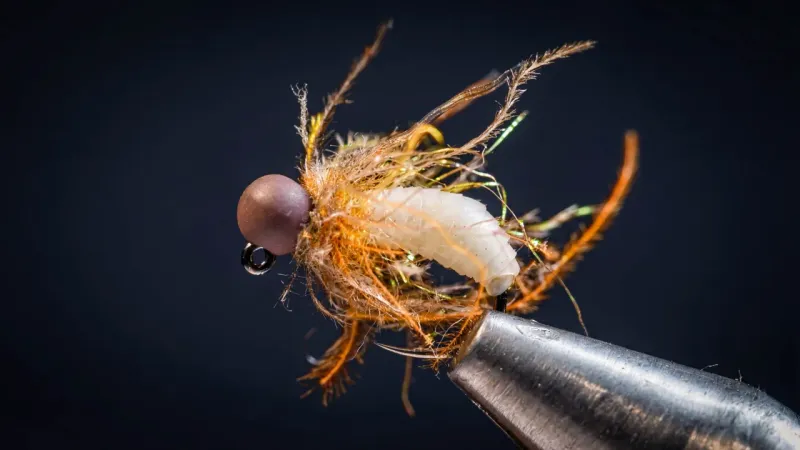
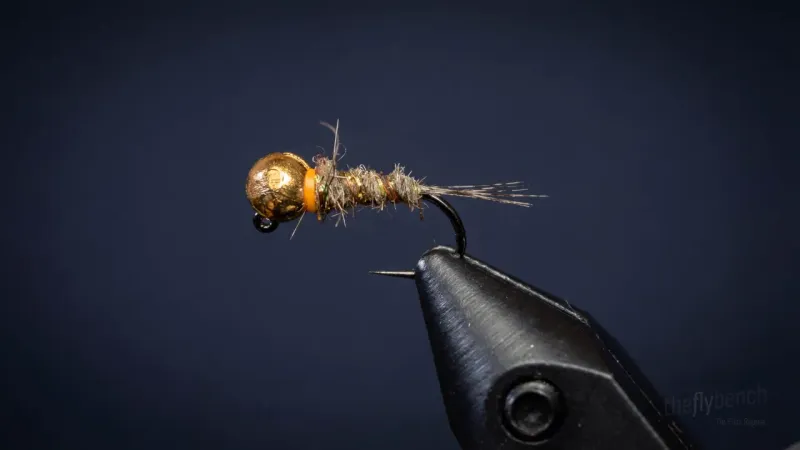
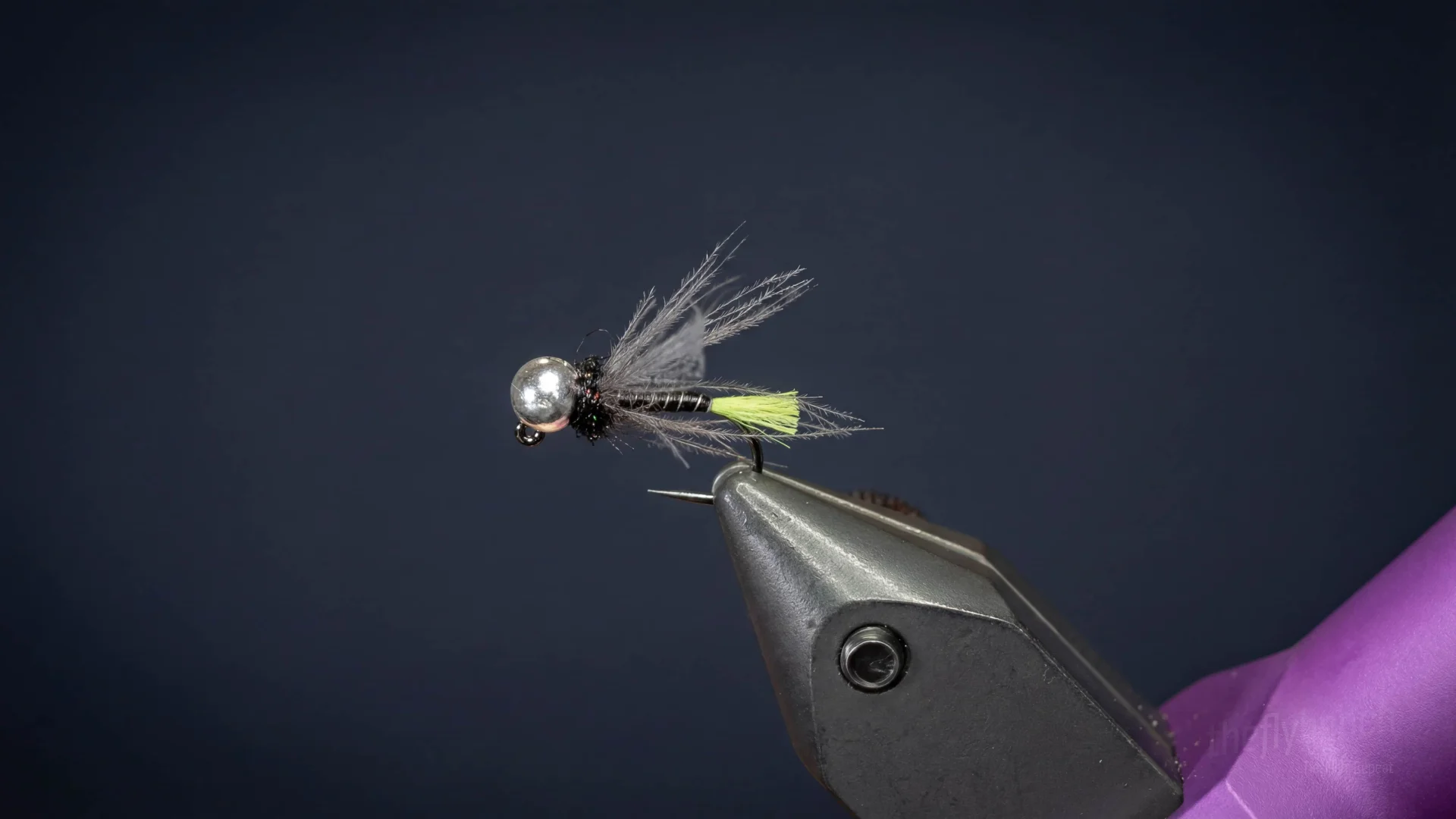
Roza's Green Tag Jig is a slim competition-style euro nymph designed for technical presentations in pressured waters. The chartreuse tag and peacock black dubbing head create a subtle yet effective attractor combination, while the CDC collar adds lifelike movement. An excellent searching pattern that sinks quickly and triggers strikes across diverse hatch conditions.
Year Round
Intermediate
Trout
Dec 2025
Overview
Roza's Green Tag Jig represents the modern euro nymphing approach with its minimalist design and competition-proven effectiveness. The pattern likely references a competition angler named Roza, reflecting the refined techniques used in European fly fishing circles. The chartreuse tag provides a subtle hot spot without overwhelming the natural profile, while the CDC collar breathes naturally in the current. Material substitutions are possible, though the specific color combination has proven highly effective in pressured tailwaters and spring creeks.
Materials
Hook: Fulling Mill 5045 Jig Force Barbless Hook - #16
Thread: UTC Ultrathread 70 Denier - Black
Bead: Fulling Mill Slotted Tungsten Beads - 3.2mm - Silver
Tag: Glo-Brite Floss - Fl. Yellow Chrtr - #11
Ribbing: Semperfli Tying Wire - 0.1mm - Bright Silver
Collar: TroutHunter Premium CDC - Medium Dun
Head: Ice Dub - Peacock Black
Behavior & Presentation
Natural Behavior: Emerging caddis and mayfly nymphs display distinctive color breaks at thorax and wing-pad areas. The bright tag creates a trigger point that draws attention during active feeding periods.
Where Trout Eat It: Trout target this chartreuse-tagged pattern tight to the bottom in European rivers and technical tailwaters where caddis pupae and mayfly nymphs are ascending. The green variant excels when grayling and trout feed selectively on green nymphs in clear water.
How to Fish It: Use tight-line euro nymphing with high-stick presentation on 5X-6X fluorocarbon. The 3.2mm tungsten bead and slim profile reach the strike zone rapidly—lead the fly slightly in faster currents and watch for ticks, sags, or pauses indicating strikes.
Best Water: Work pockets, seams, and riffle edges of the Vltava River where caddis and mayflies concentrate in 2-5 foot depths. The CDC collar and chartreuse tag excel in runs with moderate to fast current and gravel or cobble bottoms.
Strike Type: Watch for sighter compression or lateral movement—set on any deviation from natural drift.
Fishing Strategy
Rigging Suggestions: Fish on 10-15 foot leader tapered to 5X or 6X fluorocarbon tippet for best turnover and stealth. Use as point fly in a two-fly euro rig with a lighter pattern 12-18 inches above on a dropper.
Seasonal Timing: due to its versatile profile that imitates multiple aquatic insects. Particularly productive during spring Baetis hatches (March-May) and fall feeding periods (September-November).
Pro Tips: Sinks quickly due to the tungsten bead and slim profile, reaching depths of 2-4 feet rapidly. The silver bead and chartreuse tag provide subtle flash that attracts attention without alarming wary trout.
Entomology
Caddis pupae actively swim toward the surface using rhythmic undulations of their soft abdomens, often covering several feet during their ascent to emergence. Fish target these pupae because they are temporarily enclosed in translucent gas-filled sheaths that make them highly visible, and their predictable vertical movement creates easy interception opportunities during mass hatches when hundreds may rise simultaneously.
- Order
- Trichoptera
- Common Name
- Caddisfly
- Organism Type
- insect
- Life Stage
- nymph