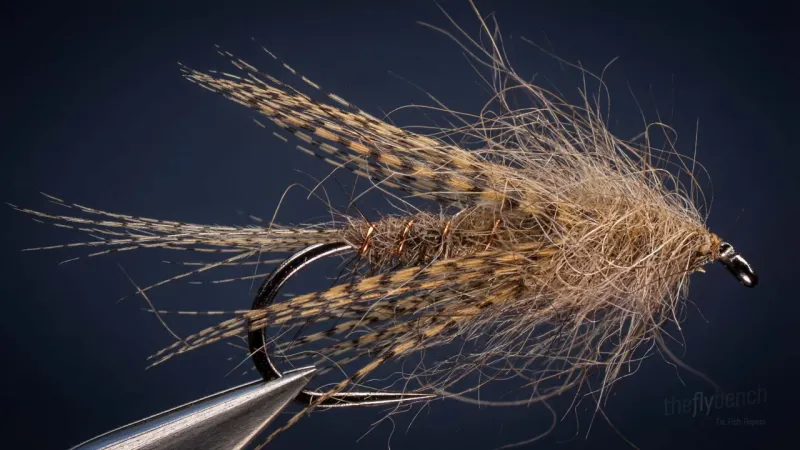
Euro NymphsGuide's Choice Hare's Ear Jig
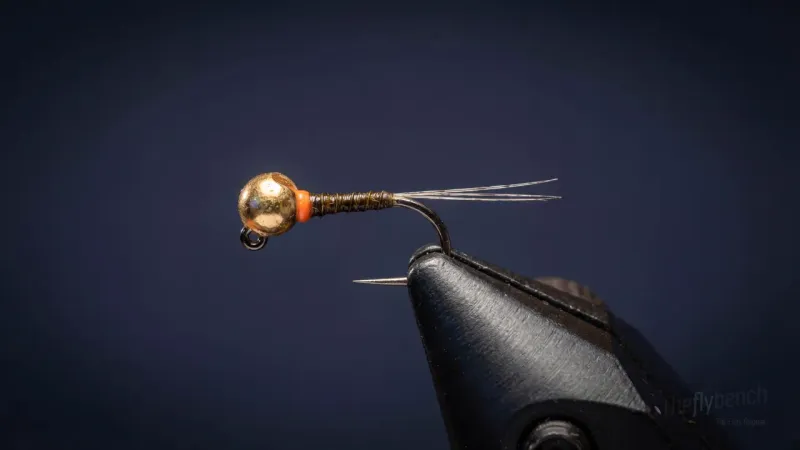
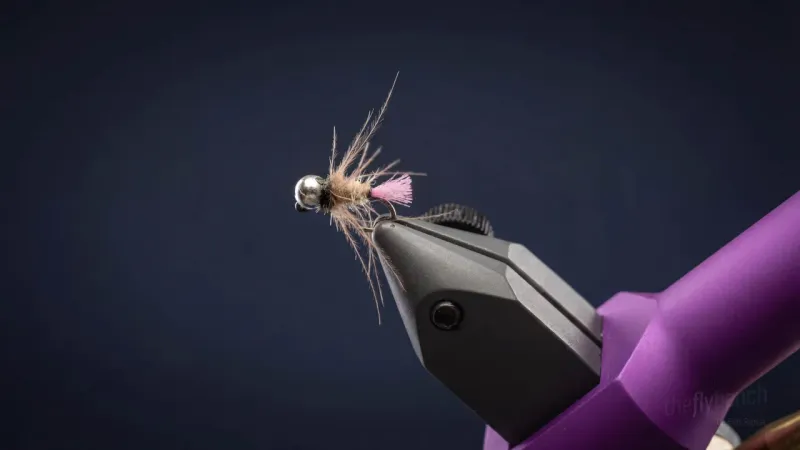
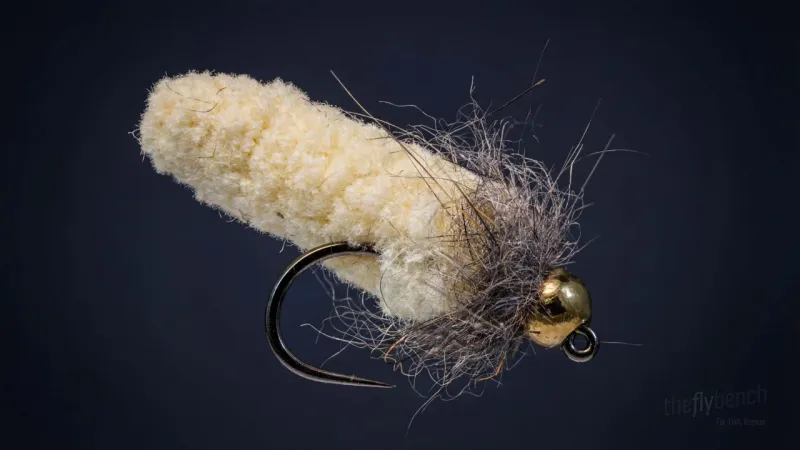
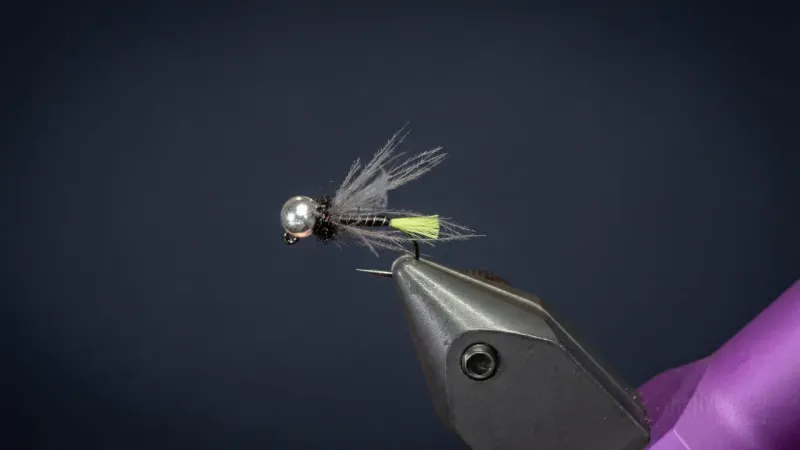
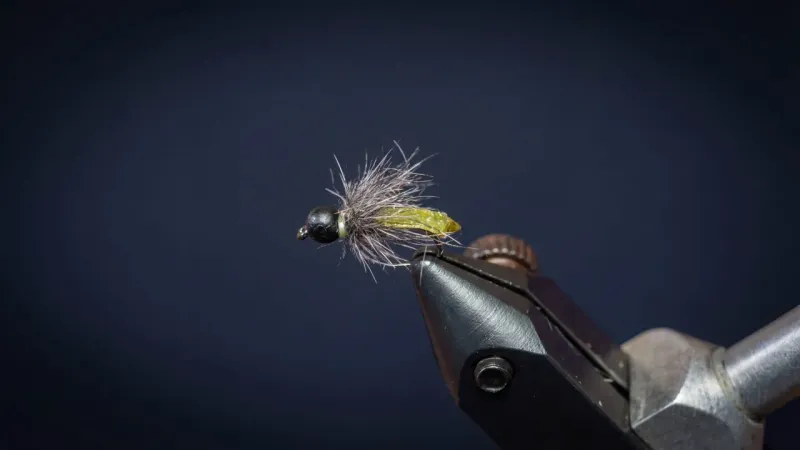
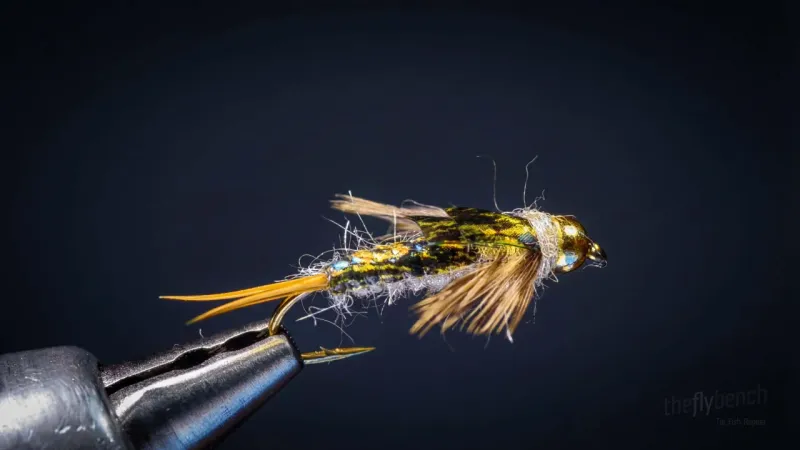
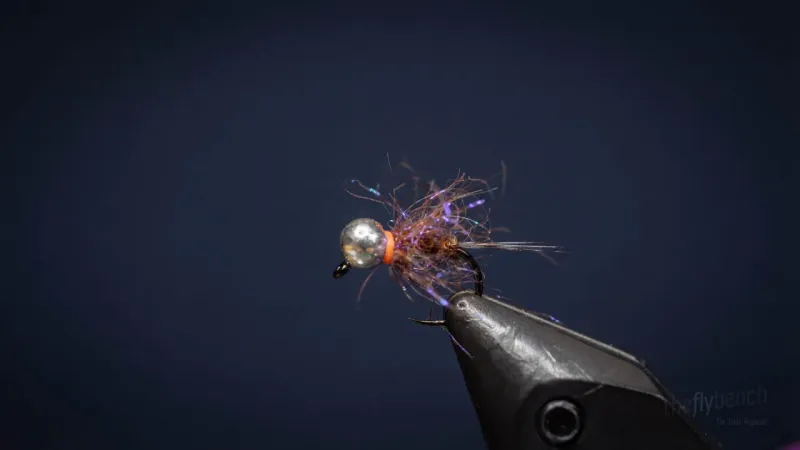
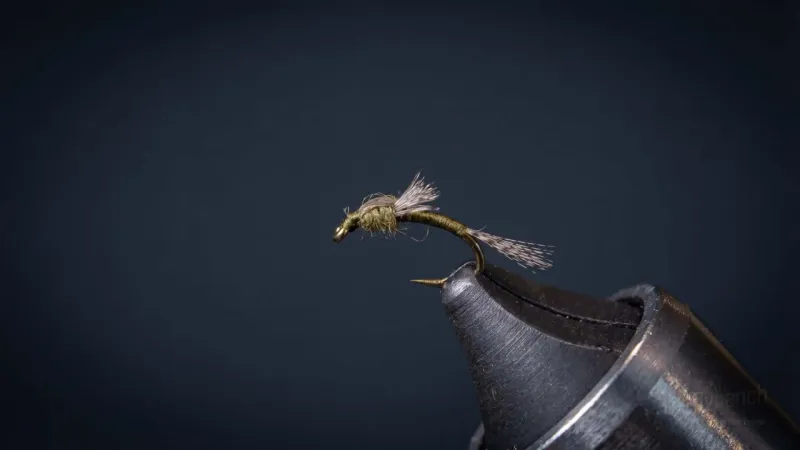
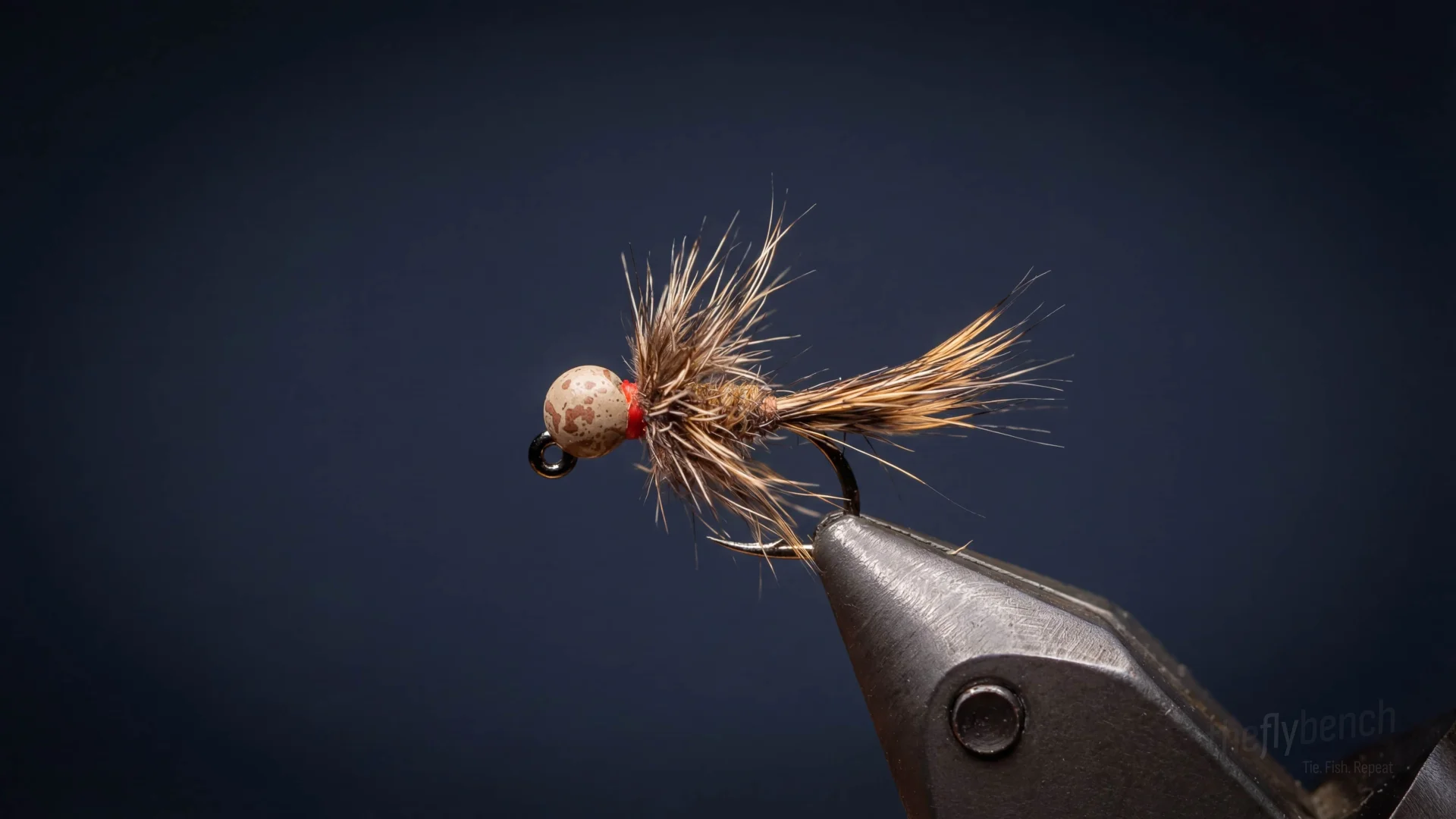
A guide-approved variation of the classic hare's ear nymph optimized for Euro nymphing techniques. The jig hook presentation and tungsten bead ensure quick sink rates, while the prominent wing case and copper accents provide flash and visibility. Designed to be a reliable producer in diverse water conditions, this pattern combines traditional materials with modern competition methods.
Year Round
Intermediate
Trout
Dec 2025
Overview
Featured by Fly Fish Food, this pattern represents the evolution of the classic hare's ear nymph into the euro nymphing era. The addition of a prominent wing case distinguishes this variation from standard hare's ear patterns, adding both visual appeal and realism. Guides favor this pattern for its versatility across multiple hatches and water types. The copper wire ribbing reinforces the body while creating segmentation and subtle flash that attracts attention in fast currents.
Materials
Hook: Hanak H 400 BL Jig Hook, size #14
Thread: UTC Ultrathread 70 Denier, brown
Bead: Hanak Round+ Slotted Tungsten Beads, 3.5mm, copper
Tail: Whiting Coq De Leon Euro Nymph Tailing Pack, Dark Pardo
Body: Hare's Ear Dubbing, natural
Rib: UTC Ultra Wire, copper, brassie
Wing Case: Thin Skin, Mottled Oak
Thorax: Hare's Ear Dubbing, dark
Behavior & Presentation
Natural Behavior: Free-living caddis larvae crawl actively across substrate searching for food, lacking protective cases and thus vulnerable to predation. Their soft segmented bodies contain high lipid content, becoming dislodged during high water events.
Where Trout Eat It: Trout feed along the streambed in deeper runs and pocket water where larvae tumble through feeding zones.
How to Fish It: Use tight-line euro nymphing with minimal indicator, maintaining direct contact throughout drift.
Best Water: Target runs, riffles, and pocket water with moderate to fast currents where larvae naturally occur.
Strike Type: Detect subtle takes through sag in sighter, tick, or pause in drift.
Fishing Strategy
Rigging Suggestions: Fish on a 9-12 foot leader with 4X-5X fluorocarbon tippet for optimal presentation. Use as the point fly in a two-fly euro nymphing rig with a lighter pattern 18-24 inches above.
Seasonal Timing: as a searching pattern. Particularly productive during spring mayfly emergences from March through May when nymphs are active near the bottom.
Pro Tips: The 3.5mm copper tungsten bead provides moderate to fast sink rate, reaching depths of 3-4 feet quickly in moving water. The copper coloring matches natural aquatic environments while providing subtle flash.
Entomology
Free-living caddisfly larvae crawl actively across substrate in search of food, lacking the protective cases of their case-building cousins and thus more vulnerable to predation. Their soft, segmented bodies contain high lipid content compared to other aquatic insects, making them especially valuable prey during periods when trout need to build energy reserves. Fish encounter these larvae most frequently when they emerge from interstitial spaces between rocks to forage or when dislodged during high water events.
- Order
- Trichoptera
- Common Name
- Caddisfly
- Organism Type
- insect
- Life Stage
- nymph