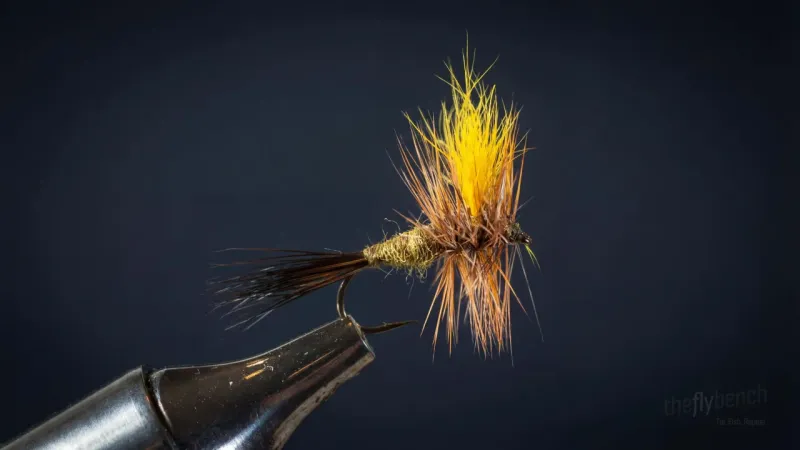
NymphWD-50
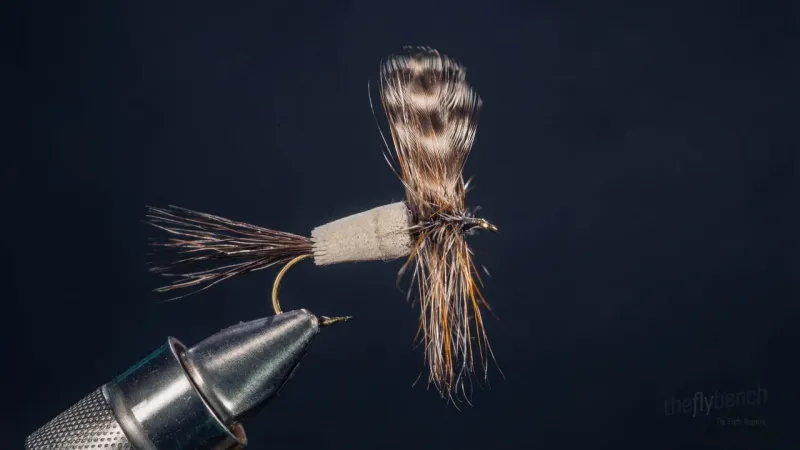
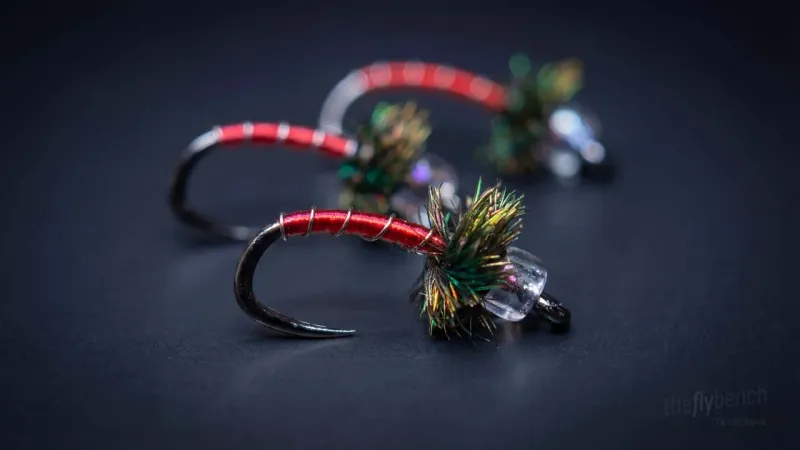
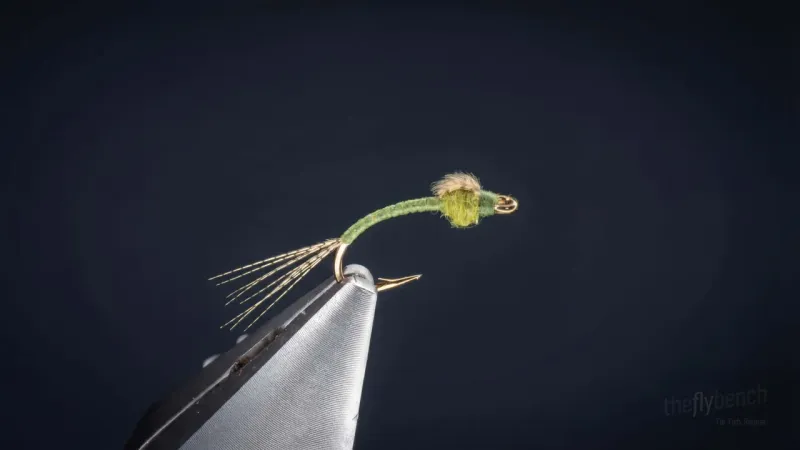
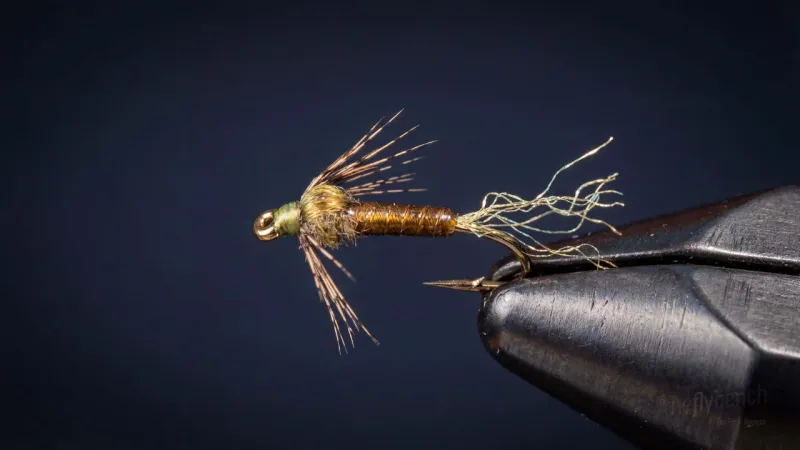
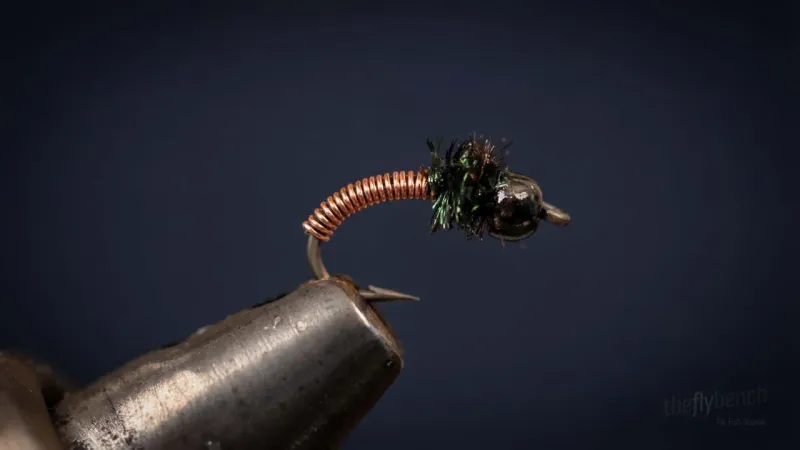
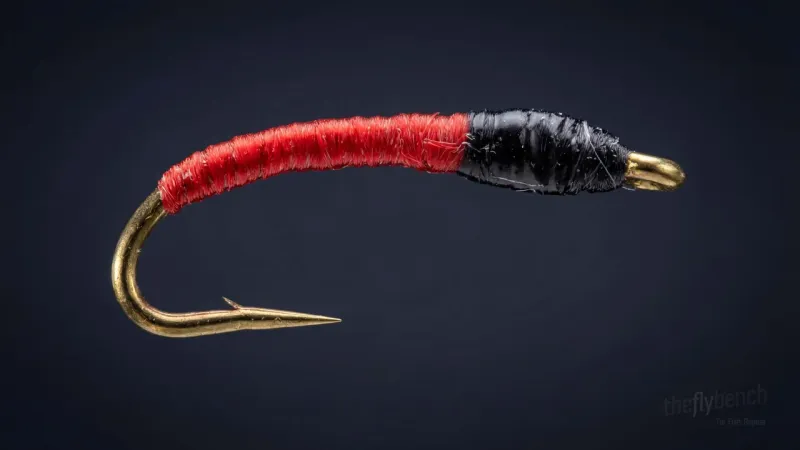
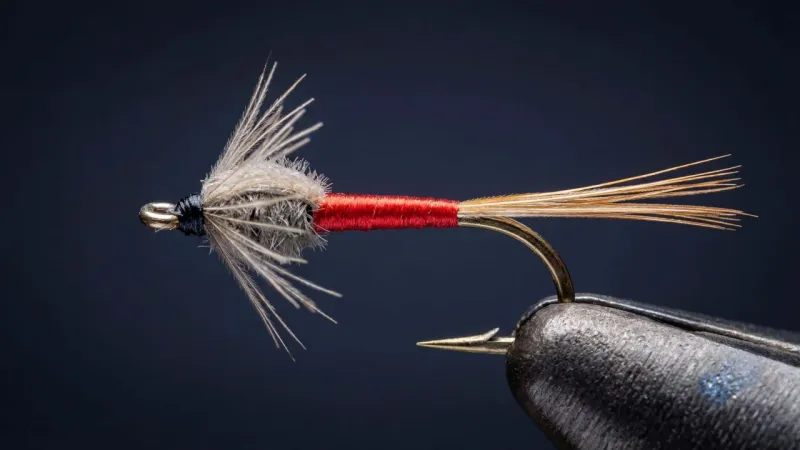
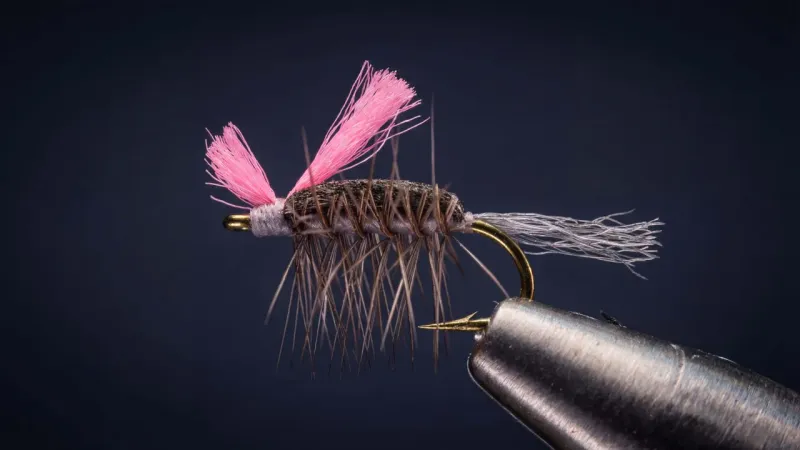
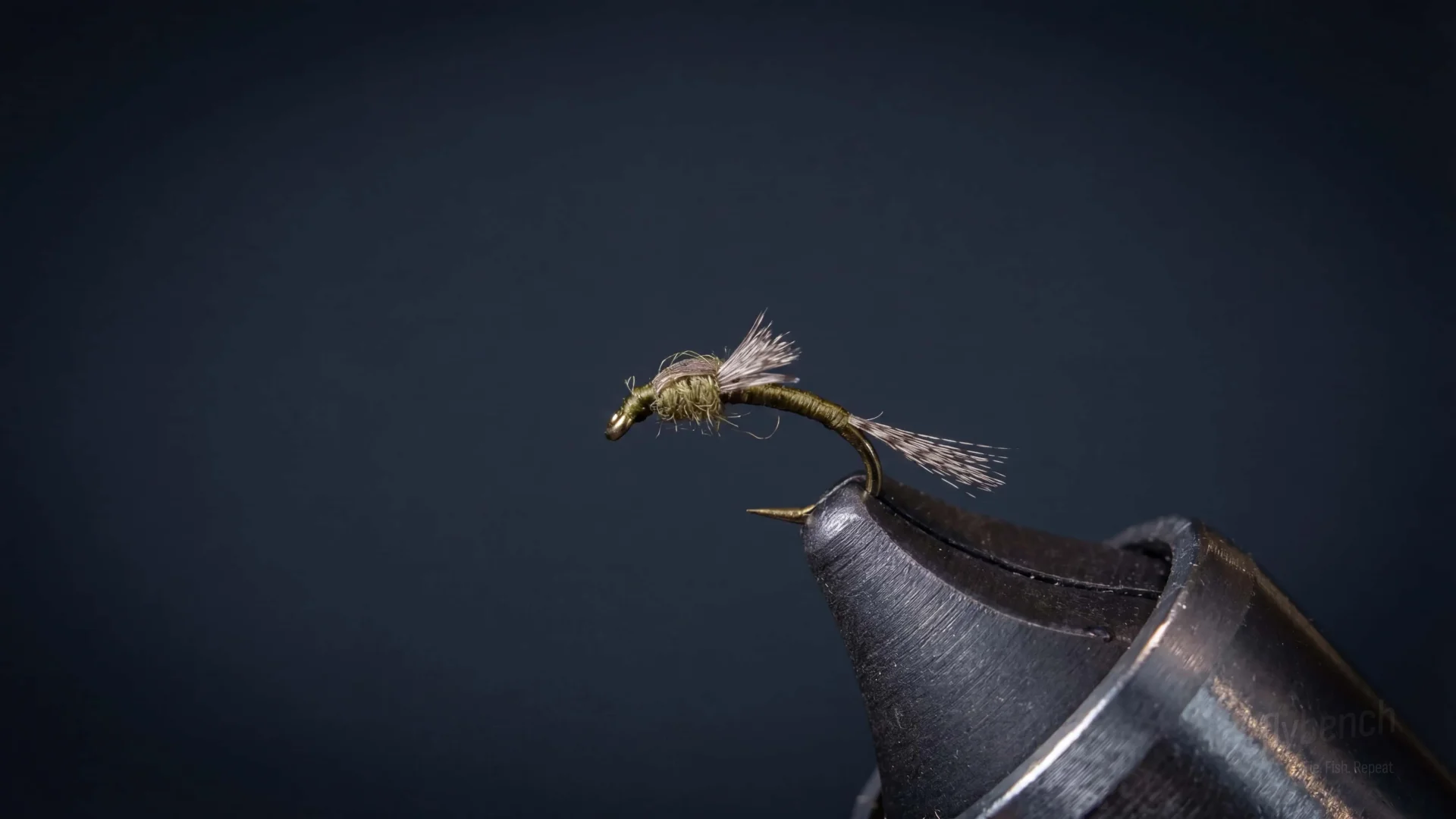
A hybrid pattern that blends elements of the WD-40 and RS2, the WD-50 is a proven mayfly emerger with a slim profile, trailing shuck, and subtle flash. It excels in technical water where fish are keyed on emerging Baetis or midge pupae.
Spring, Summer, Fall
Beginner
Trout
Apr 2025
Overview
The WD-50 is a variation of the classic WD-40, tied with a slender thread base, a sparse tail of wood duck or mallard fibers, and a flash wingcase that adds just enough pop. The thorax is dubbed with soft natural material like muskrat or rabbit to create a subtle buggy effect. This pattern shines in tailwaters and technical situations where small, realistic profiles are key.
Where to Buy This Fly
We only link to fly shops we trust. Some links are referral links, which may earn us a commission at no extra cost to you.
Materials
- Hook:
- TMC2487, Size #18–#24
- Thread:
- Danville 6/0 (70D), Olive
- Tail:
- Mallard Dyed Wood Duck
- Body:
- Thread body
- Dubbing:
- uperfine Dubbing, Olive Brown
- Wingcase:
- Medium Opal Mirage
- Wing Stub:
- Mallard Dyed Wood Duck
Behavior & Presentation
Natural Behavior: Midge larvae undulate in S-shaped swimming motions through the water column and along bottom substrates in massive concentrations. During behavioral drift they release from bottom and tumble downstream, becoming easy targets.
Where Trout Eat It: Runs, tail-outs, and glides in 2-6 feet where trout can inspect food carefully.
How to Fish It: Dead drift near bottom or in the film with high-stick nymphing or indicator rigs for natural drift.
Best Water: Focus on tail-outs, runs, and slicks where smooth water allows selective feeding.
Strike Type: Strikes appear as subtle pauses in the drift or a gentle lift of the indicator, requiring immediate hook-set before the trout ejects the tiny midge imitation.
Fishing Strategy
Rigging Suggestions: Use 6X-7X tippet for the most natural presentation. Fish solo or as a trailer 12-18 inches below a small dry fly or larger nymph. The slim profile requires minimal weight for proper depth.
Seasonal Timing: Most effective from April through October during midge emergences, with peak productivity in (April-May) and (September-October) when midge activity is highest. Remains productive year-round in tailwaters.
Pro Tips: The silver ribbing enhances visibility and imitates the gas bubble trapped in emerging midge pupae. Match body color to local midge species—black, olive, red, or cream are most common.
Entomology
Midge larvae undulate in an S-shaped swimming motion through the water column and along bottom substrates, often in massive concentrations that carpet lake floors and river beds. These tiny insects (size 18-26) exhibit behavioral drift patterns where they release from the bottom and tumble downstream, becoming easy targets in the current. Their year-round availability and sheer abundance make them a staple food source, particularly in winter when other insects are dormant.
- Order
- Diptera
- Family
- Chironomidae
- Common Name
- Midge
- Organism Type
- insect
- Life Stage
- general