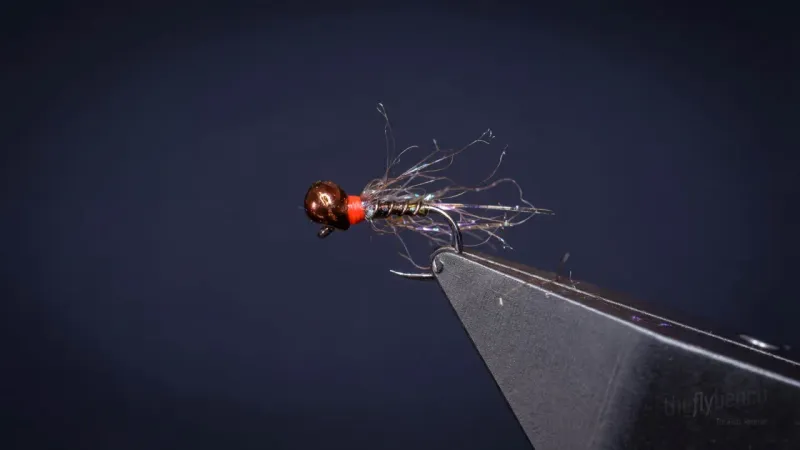
Euro NymphsFrenchie
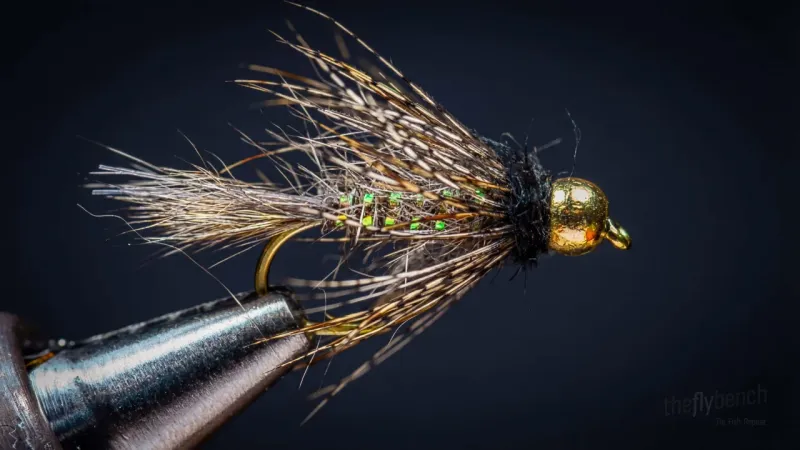
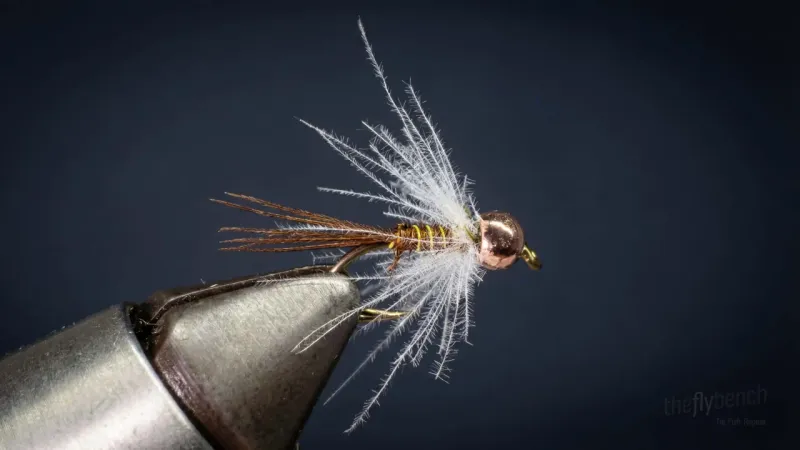
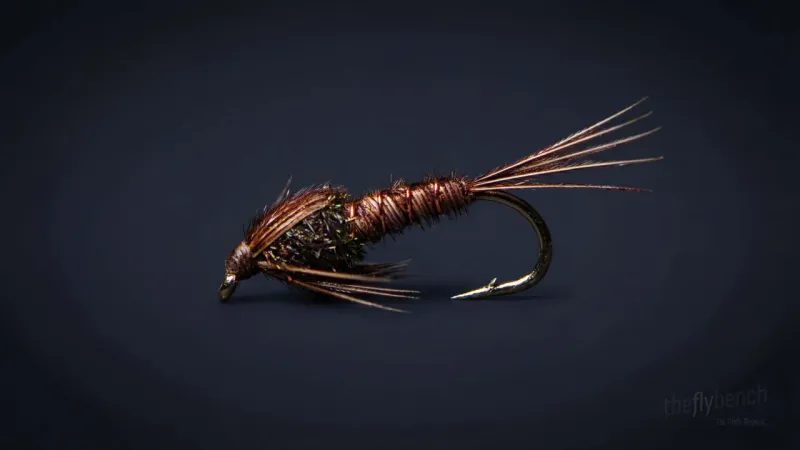
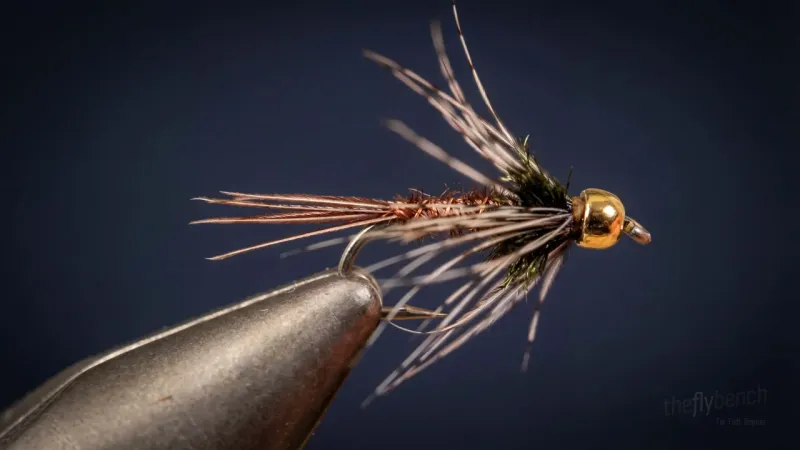
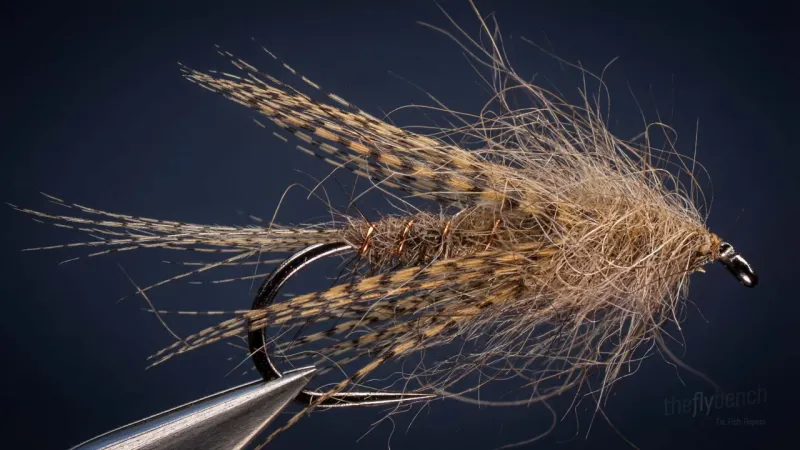
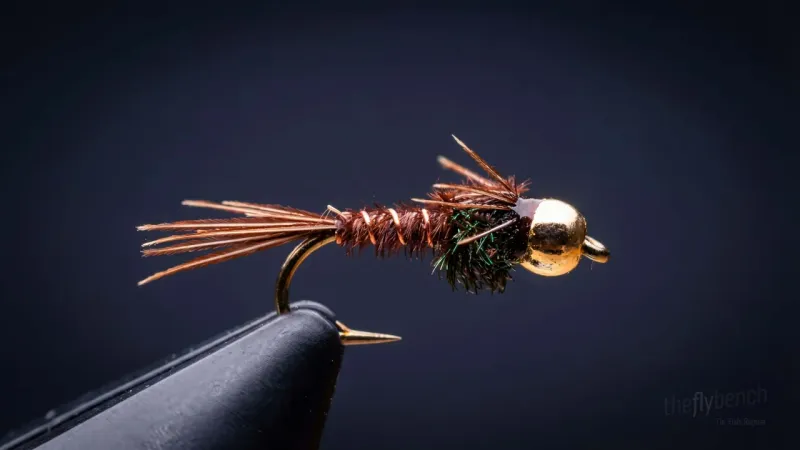
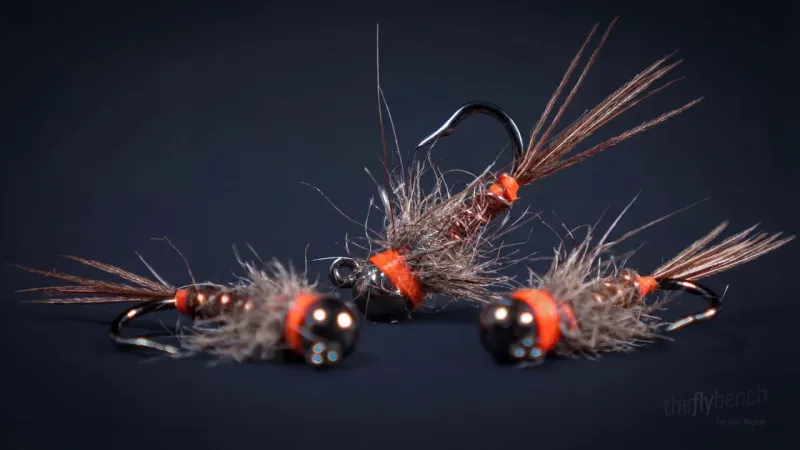
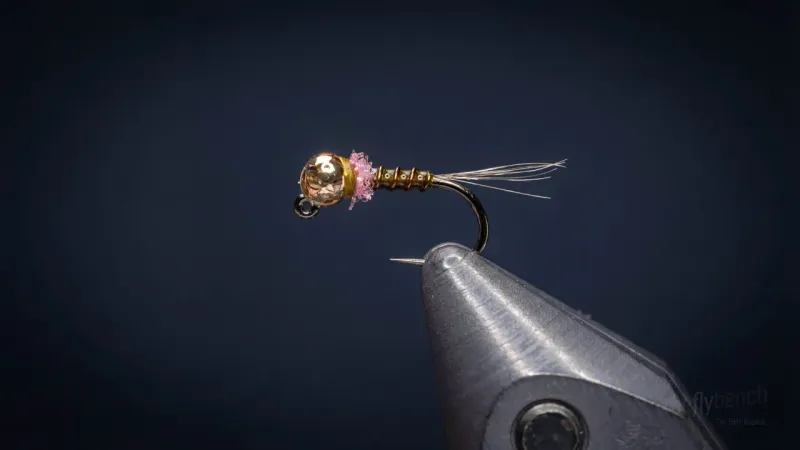
The Frenchie is essentially a simplified Pheasant Tail nymph pattern, with the addition of a hot spot made from bright dubbing. This pattern is incredibly versatile and effective for a wide range of freshwater species.
Year Round
Beginner
Trout, Grayling
Apr 2025
Overview
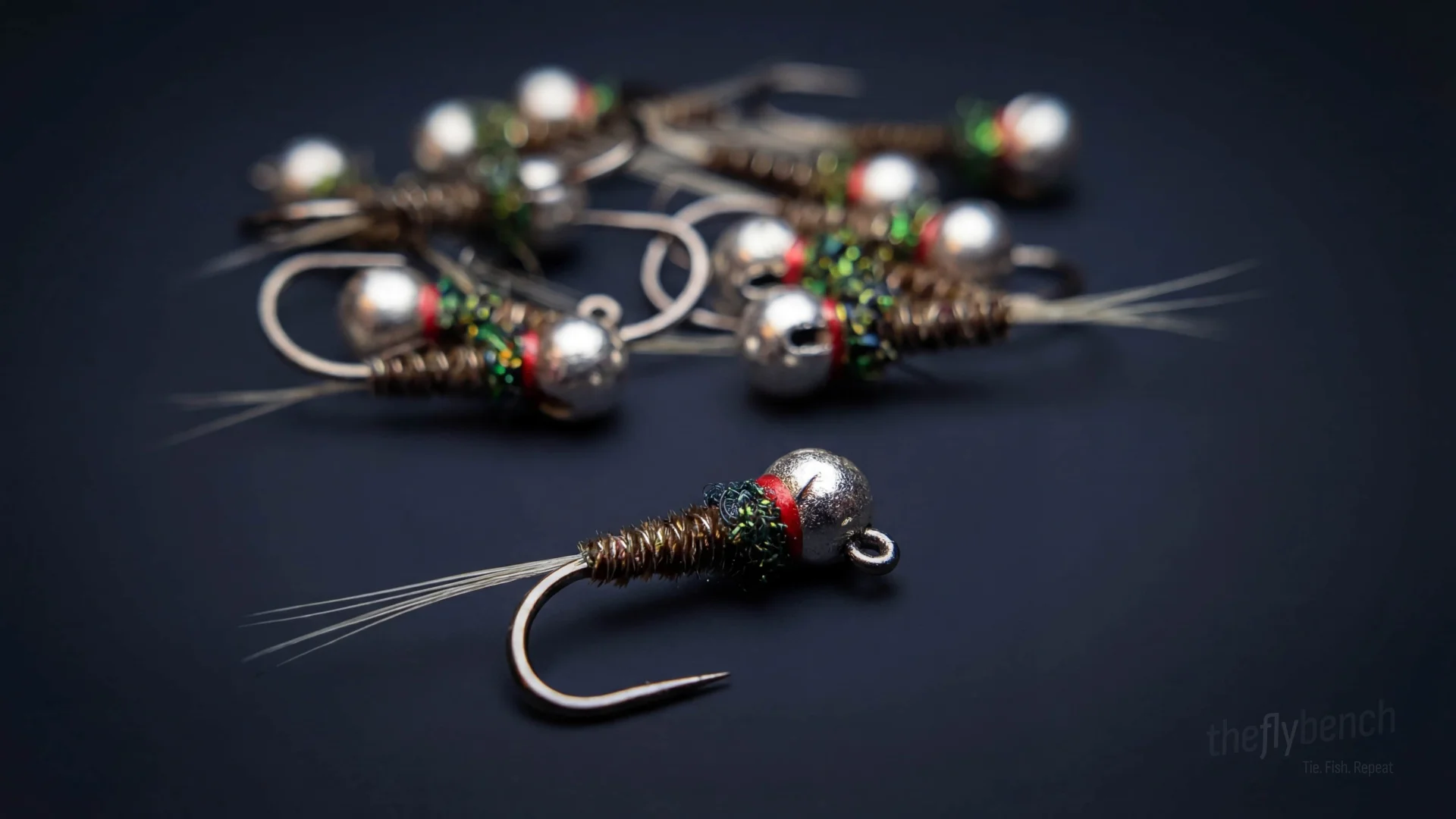
The Frenchie is a Euro-style nymph that's quick to tie and highly effective. It features a pheasant tail body, a hot spot collar (typically pink or orange dubbing), and a slim profile for fast sink. A tungsten bead adds weight, making it ideal for tight-line or Euro nymphing. This fly is a staple in competition angling for good reason—simple, durable, and fishy.
Where to Buy This Fly
We only link to fly shops we trust. Some links are referral links, which may earn us a commission at no extra cost to you.
Materials
- Hook:
- Hanak H 400, sizes #12-#18
- Thread:
- Danville (or UTC) 70 Denier - Red
- Bead:
- Hanak Round+ Slotted Tungsten Beads - Bronze - 2.5mm (see alternates below as well)
- Tail:
- Whiting Coq De Leon Euro Nymph Tailing Packs - Pardo
- Body:
- Nature's Spirit Ringneck Pheasant Center Tails - Muskrat Gray
- Ribbing:
- UTC Ultra Wire - Copper - Small
- Hot Spot:
- Ice Dub - UV Shrimp Pink
Behavior & Presentation
Natural Behavior: Mayfly nymphs cling to gravel and rocky substrates while grazing on algae films, their streamlined bodies periodically entering drift when feeding or repositioning in current surges. Competitive feeding in high-gradient streams means fish respond immediately to tumbling nymphs.
Where Trout Eat It: Bouncing along bottom in fast-flowing runs, pocket water, and riffles where mayfly nymphs tumble after dislodgment.
How to Fish It: Tight-line contact with bottom structure, allowing the weighted fly to drift naturally through feeding lanes.
Best Water: Most effective in pocket water, runs, and riffle edges with moderate to fast current speeds.
Strike Type: Detect strikes through sighter sag, subtle ticks, or pauses in drift that signal takes.
Fishing Strategy
Rigging Suggestions: Try rigging it as a point fly in a multi-fly nymph rig.
Seasonal Timing: As a nymph pattern, the Frenchie can be used year-round. Use it when mayfly nymphs are active in the water column, often during the pre-hatch period.
Pro Tips: This fly sinks quickly due to its tungsten bead head. The bright thorax provides good visibility in murky water or low light conditions.
Entomology
Mayfly nymphs inhabit gravel and rocky substrates in fast-flowing European-style waters, clinging to the bottom while feeding on diatoms and organic matter until dislodged by current surges. Their streamlined bodies and active swimming ability allow short bursts of movement, but they remain vulnerable during drift periods. Fish in high-gradient streams feed confidently on these nymphs during the natural drift cycle, positioning tight to the bottom where Euro-nymphing techniques effectively present weighted patterns through optimal feeding zones.
- Order
- Ephemeroptera
- Common Name
- Mayfly
- Organism Type
- insect
- Life Stage
- general