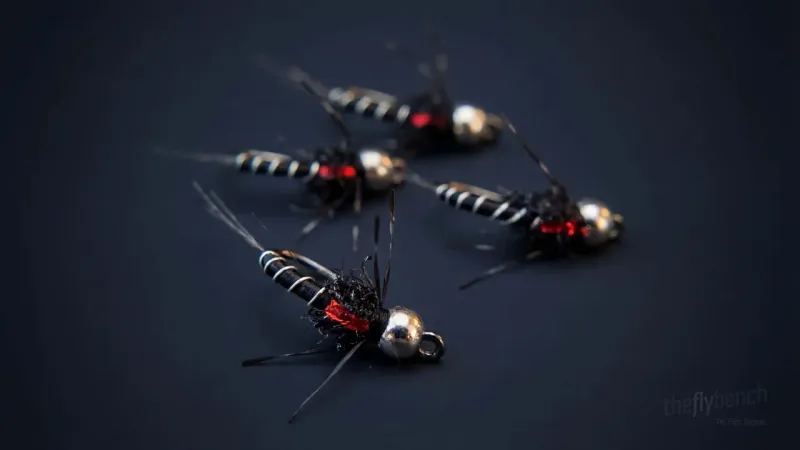
NymphBarr's Tungstone
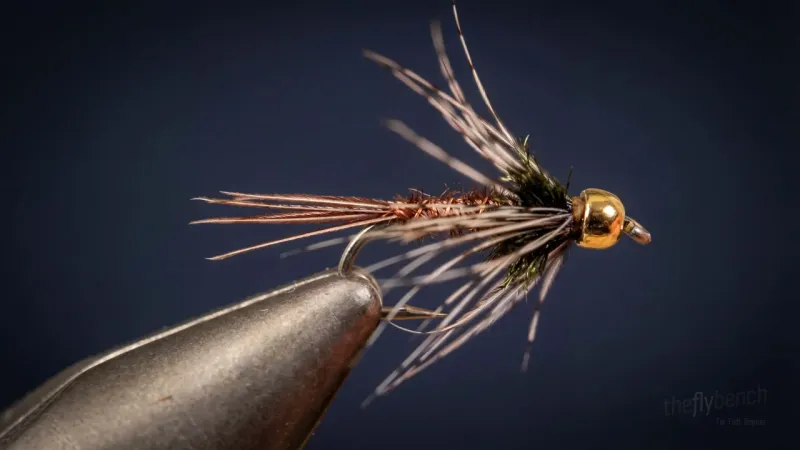
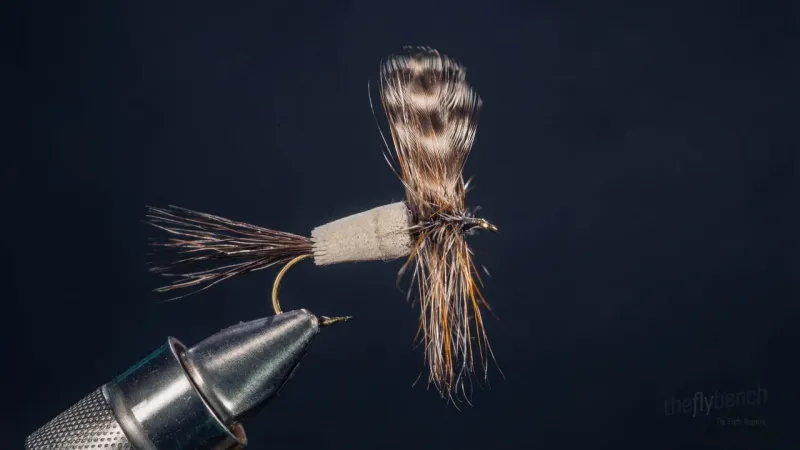
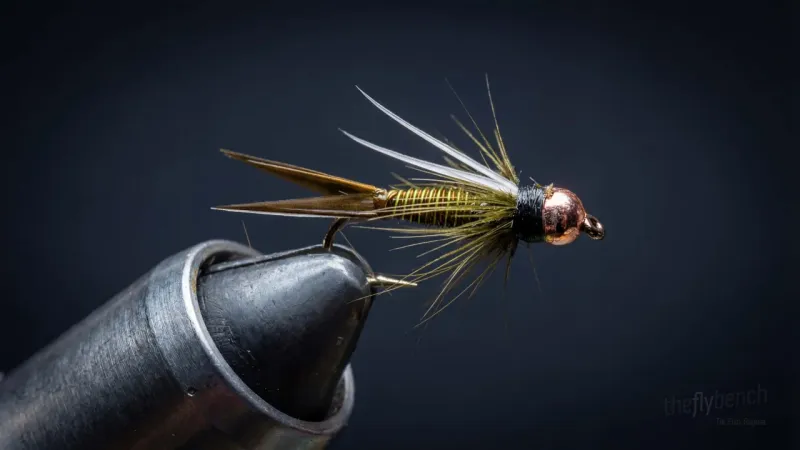
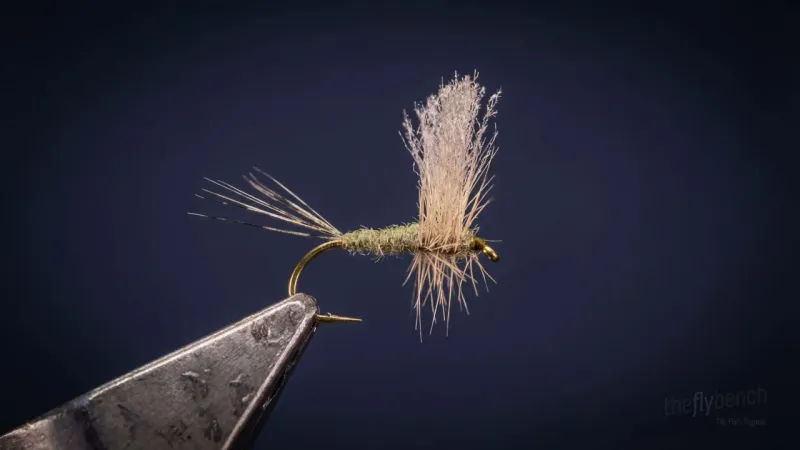
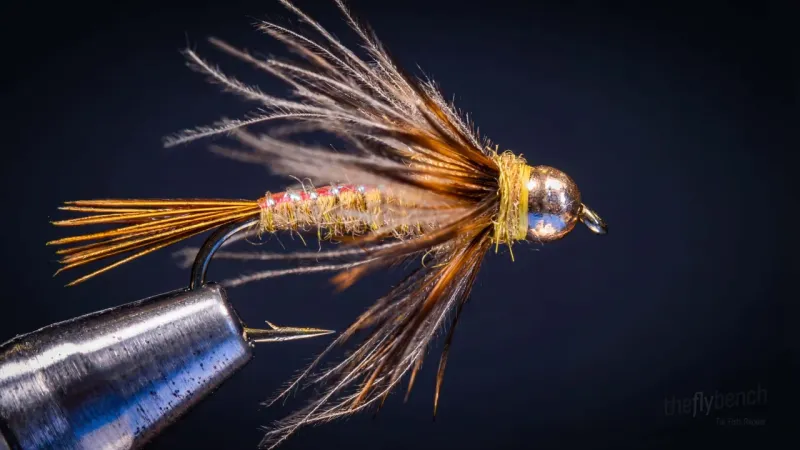
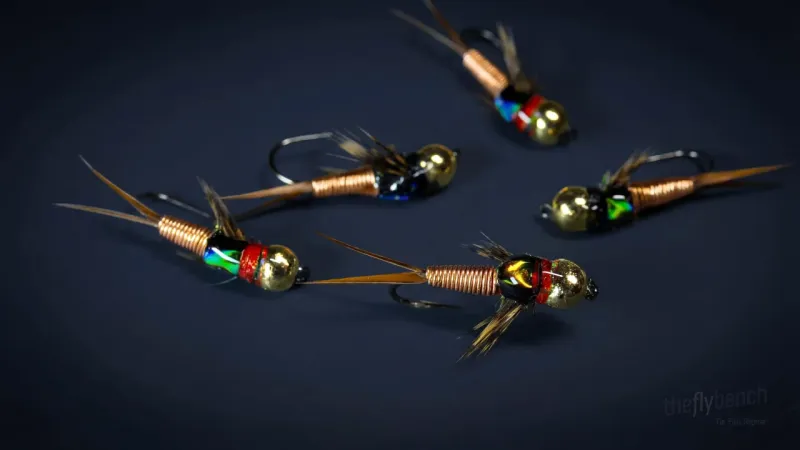
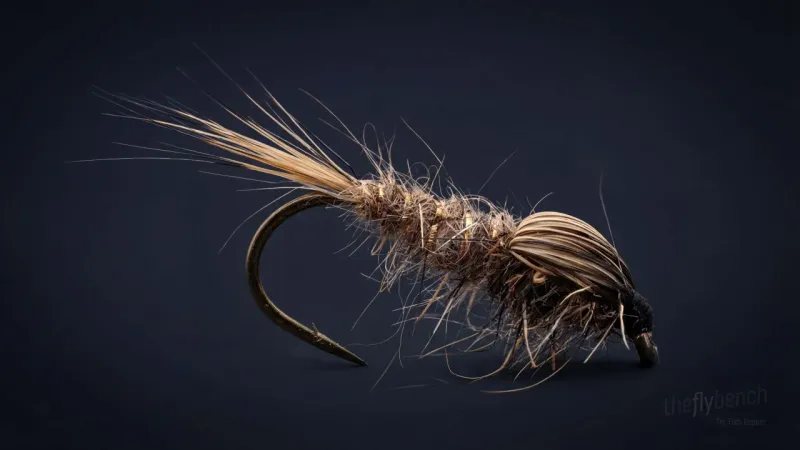
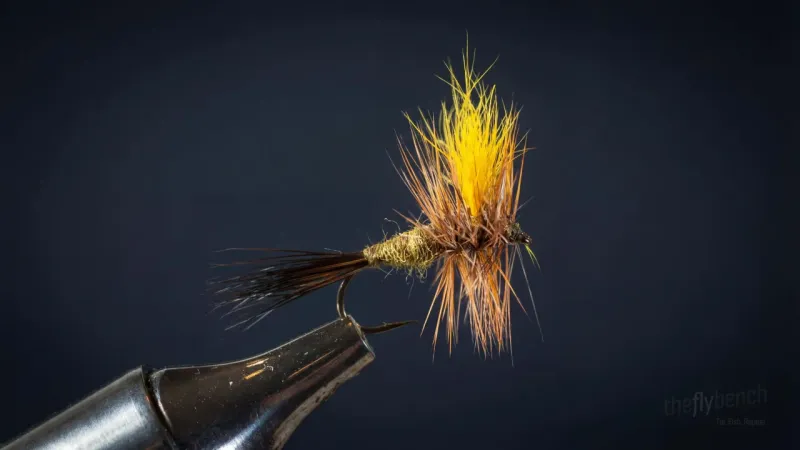
The Barr's Tungstone is a reliable nymph pattern that imitates a variety of stonefly and mayfly nymphs. Its tungsten bead head gives it the weight needed to get down deep where trout feed, and its flashy body attracts attention.
Year Round
Intermediate
Trout
Apr 2025
Overview
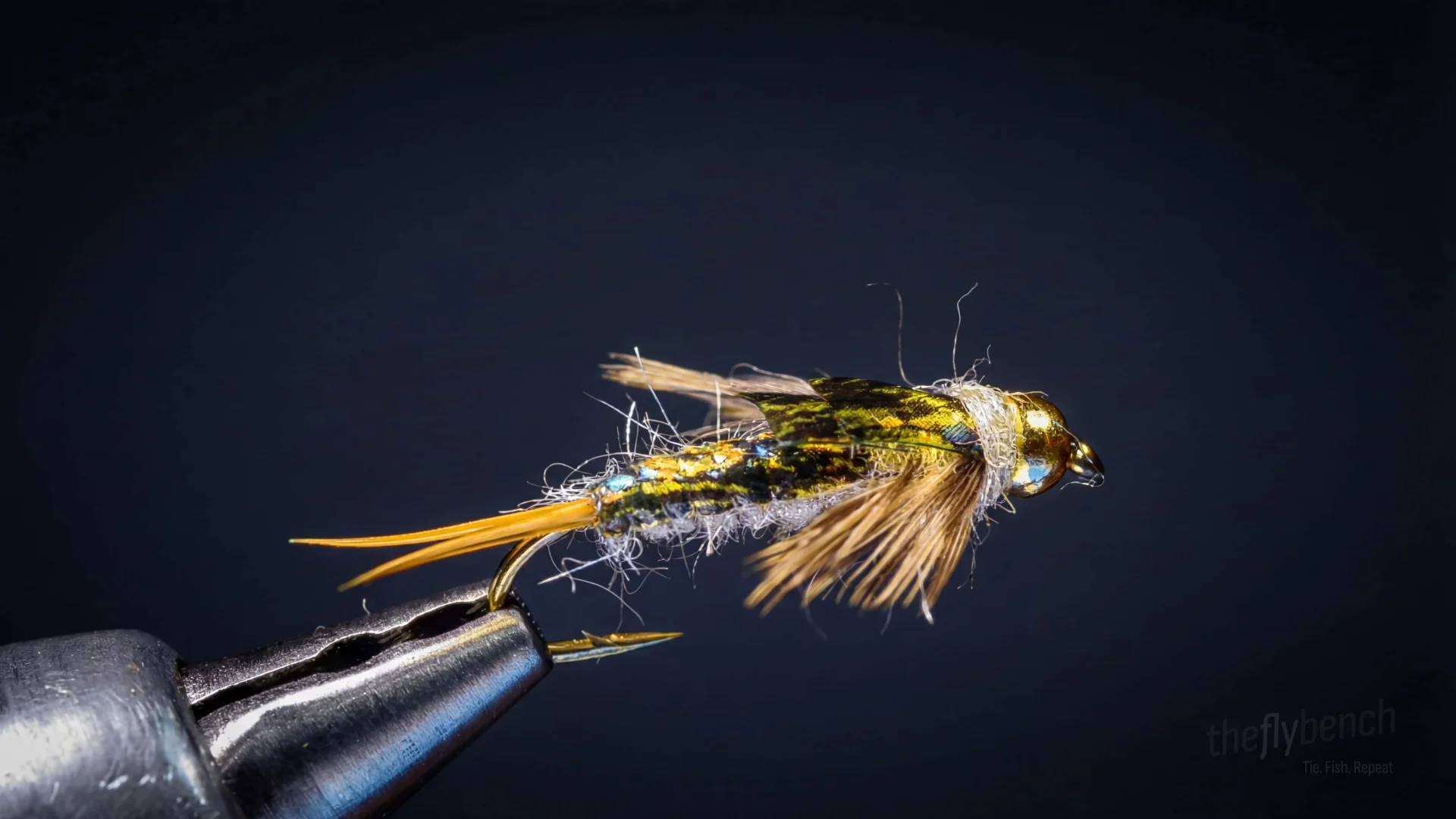
Barr's Tungstone is a heavy-duty nymph built to get deep fast, ideal for swift water and deep pools. With a tungsten bead and slim profile, it sinks quickly while still maintaining a buggy silhouette—making it a reliable go-to in high water or fast current conditions.
Where to Buy This Fly
We only link to fly shops we trust. Some links are referral links, which may earn us a commission at no extra cost to you.
Materials
- Hook:
- Tiemco 3769, size #10–#14
- Bead:
- Gold tungsten, size to match hook
- Thread:
- Brown 8/0 Uni-thread
- Tail:
- Pheasant tail fibers
- Body:
- Gold tinsel
- Ribbing:
- Copper wire
- Thorax:
- Peacock herl
- Legs:
- Partridge feather fibers
Behavior & Presentation
Natural Behavior: Stonefly nymphs crawl actively across rocky bottoms using powerful legs to grip substrate while foraging. They periodically lose grip in heavy current or during pre-emergence migrations, tumbling downstream in vulnerable drifting posture.
Where Trout Eat It: Fast, well-oxygenated runs and riffles where stoneflies forage on rocky substrate.
How to Fish It: Maintain contact with bottom structure to match natural tumbling drift of dislodged nymphs.
Best Water: Work seams, current breaks, and pockets where stoneflies lose grip and enter the drift.
Strike Type: Watch for indicator dips or line tightening as fish intercept drifting nymphs.
Fishing Strategy
Rigging Suggestions: Use a standard nymphing rig with a strike indicator and weight if needed. This fly works well as the point fly in a two-fly setup.
Seasonal Timing: year-round When trout are feeding on mayfly or stonefly nymphs, particularly in deeper water.
Pro Tips: The gold tinsel body of this fly is highly visible in various water conditions. As a nymph, it is intended to sink, and the tungsten bead head helps it get down quickly.
Entomology
Stonefly nymphs crawl actively across rocky bottoms in fast, well-oxygenated water, using powerful legs to grip substrate while foraging on smaller insects and algae. These robust nymphs periodically lose their grip in heavy current or during pre-emergence migrations toward shore, tumbling downstream in a vulnerable, drifting posture. Their large size, meaty profile, and year-round availability make them highly sought-after prey that triggers aggressive strikes from opportunistic feeders.
- Order
- Plecoptera
- Common Name
- Stonefly
- Organism Type
- insect
- Life Stage
- general