Midge / EmergersThread Midge
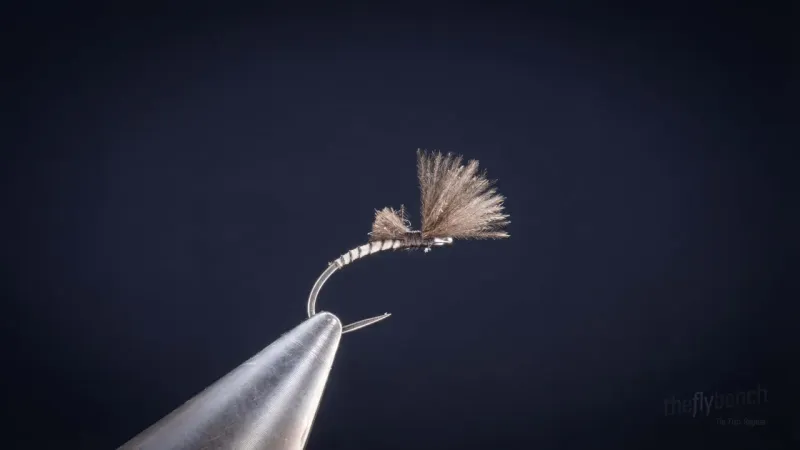
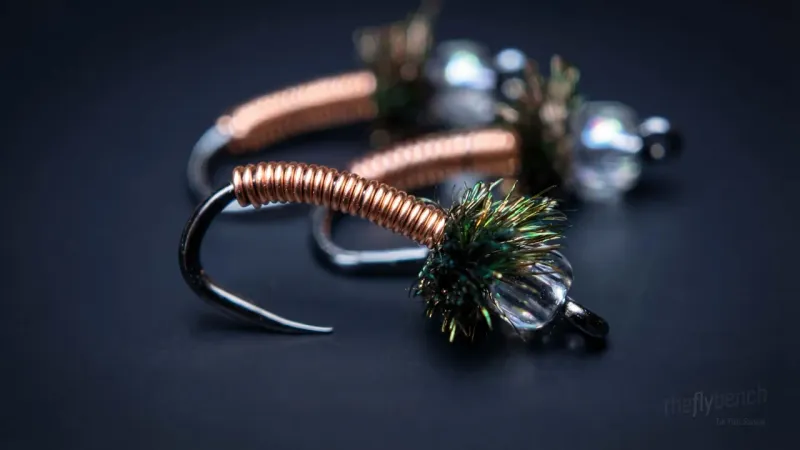
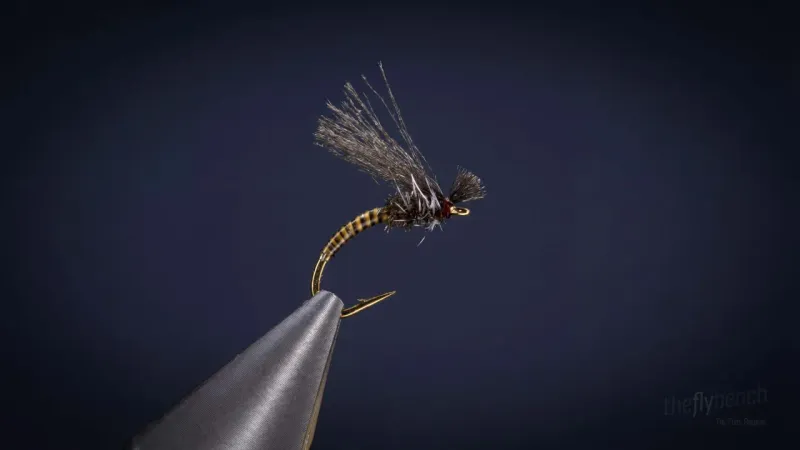
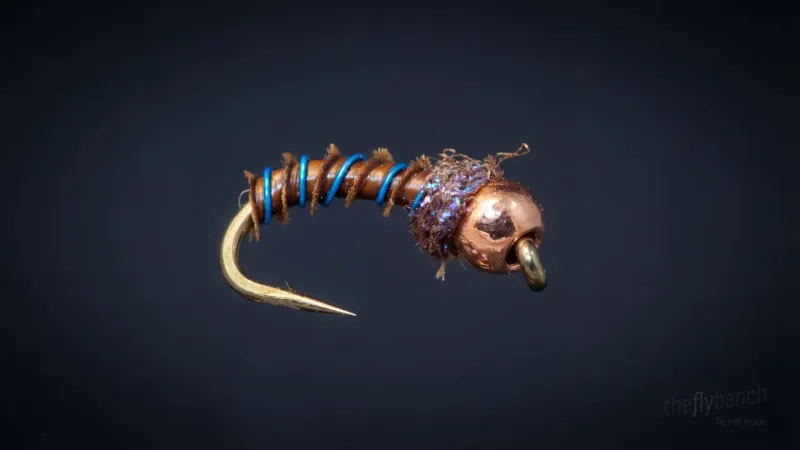
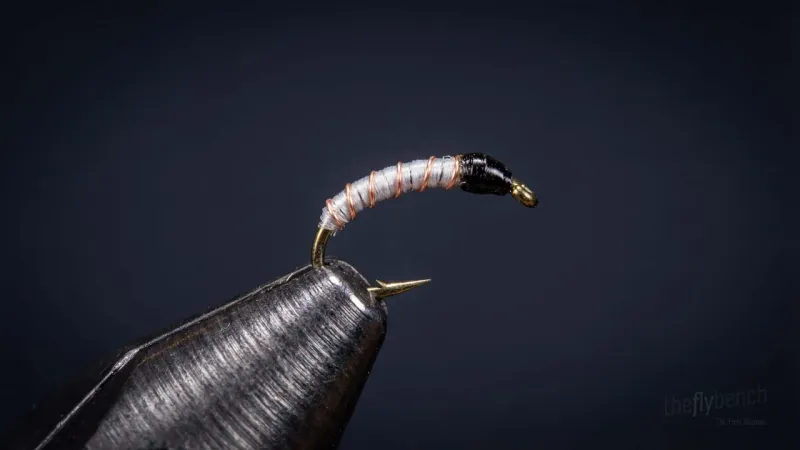
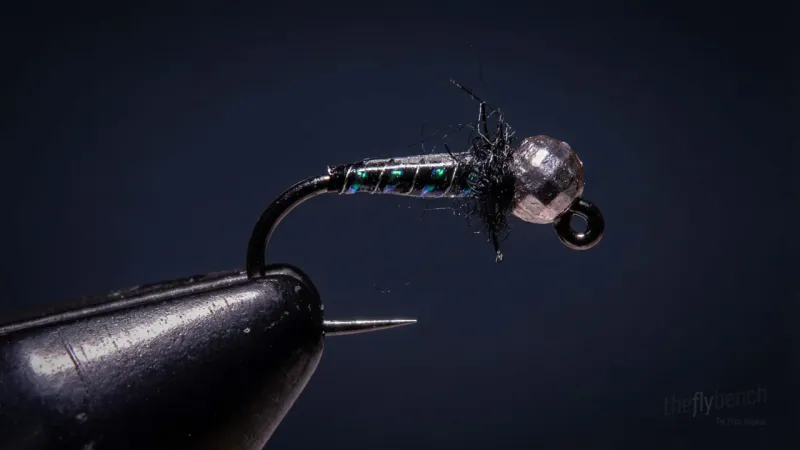
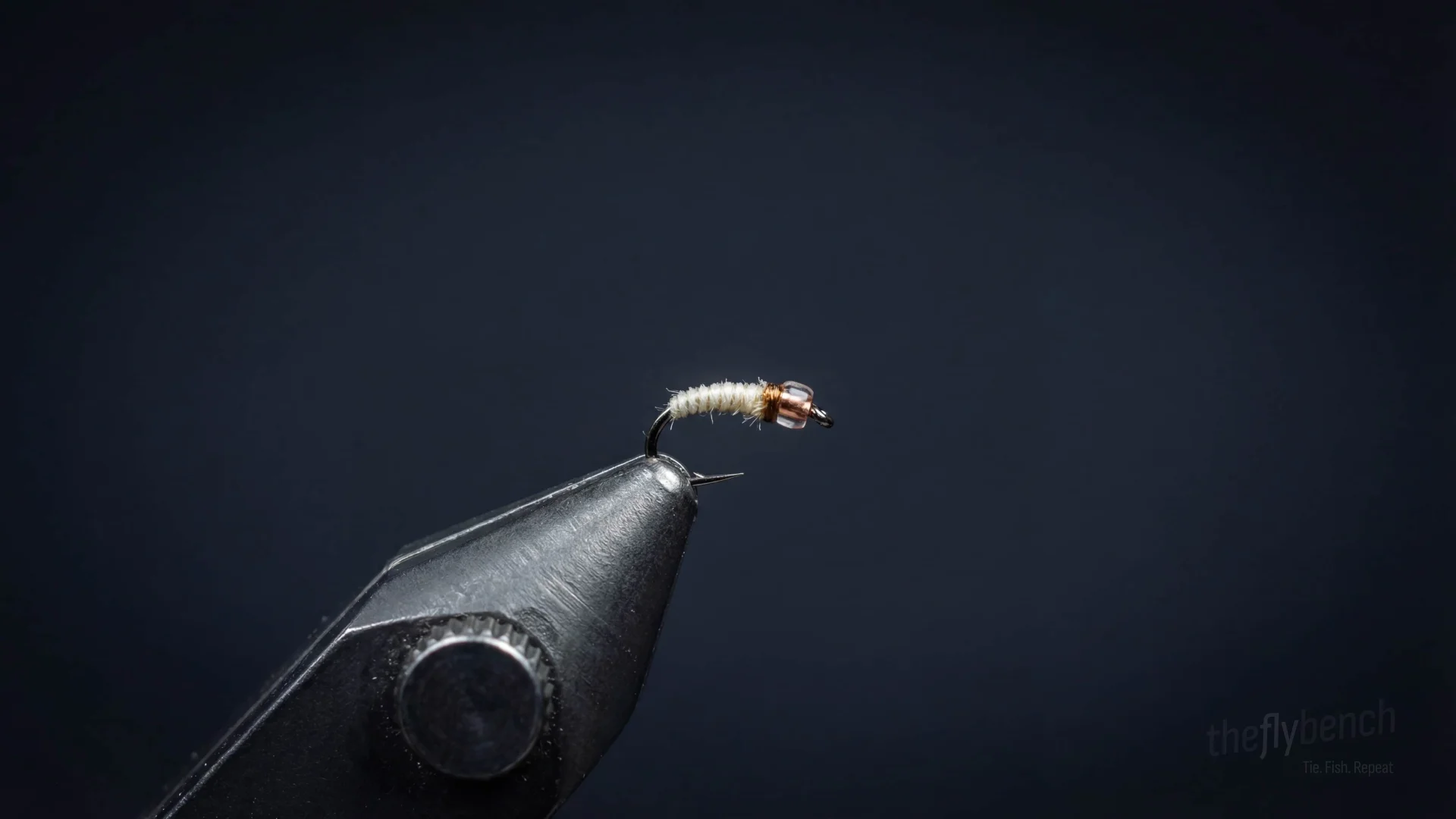
The Thread Midge, also known as the Yong Special, is a deceptively simple pattern that has proven devastatingly effective on selective trout. Popularized by Andy Kim over 20 years ago, this minimalist design uses only silk thread wrapped over a glass bead to create a translucent, segmented body that perfectly imitates midge pupae. The glass bead adds subtle color and weight while maintaining a natural appearance.
Year Round
Beginner
Trout
Dec 2025
Overview
The Thread Midge gained notoriety in fly fishing circles, with Cheech at Fly Fish Food joking it was "almost banned" due to its effectiveness. The pattern's simplicity is its strength - the pure silk body creates natural segmentation and a subtle sheen that closely mimics the translucent appearance of midge pupae. The glass bead provides a slower sink rate than tungsten versions, making it ideal for fishing in the film or shallow water. Experiment with different silk and bead color combinations to match local midge populations.
Materials
Hook: Fulling Mill 5027 Grab Gape Heavy Barbless, size #20 (or TMC 2488)
Thread: Semperfli Classic Waxed Spyder Thread 18/0, dark mocha brown
Bead: Killer Caddis Glass Bead, midge size, CC-Copper
Body: Semperfli Pure Silk, Straw #2
Behavior & Presentation
Natural Behavior: Midge larvae drift in current during behavioral drift periods, their slender segmented bodies undulating passively. Trout feed on these high-protein morsels as they tumble along bottom structure.
Where Trout Eat It: Trout sip emergers from the surface film and mid-column, focusing on slicks and tailouts where current slows. Suspended pupae concentrate in seams and foam lines where fish feed selectively.
How to Fish It: Dead-drift through feeding lanes with drag-free presentation, allowing the emerger to suspend in the film or mid-column. Focus on slicks and tailouts where rising fish show consistent rhythm.
Best Water: Focus on tailouts and slicks where current slows and emergers concentrate in the surface film. Foam lines and seams collect suspended pupae in predictable feeding lanes.
Strike Type: Sighter pauses or ticks indicate bottom-feeding strikes—set immediately when drift rhythm breaks.
Fishing Strategy
Rigging Suggestions: Fish on 6X-7X fluorocarbon tippet, 18-24 inches below a dry fly or small indicator. Works well as a dropper in a multi-fly euro rig.
Seasonal Timing: wherever midges are present. Particularly productive during winter months when midges are often the primary food source, and during spring and fall midge emergences when fish key in on pupae.
Pro Tips: The glass bead provides gentle weight for a slow, natural descent. The silk body creates a subtle glow that attracts attention without appearing unnatural.
Entomology
Midge pupae transition from benthic sediments to the surface film in a vertical ascent that can take minutes to complete, during which they hang suspended in the water column with distinctive gas-filled thoracic chambers. This transitional stage represents peak vulnerability as pupae cannot escape predation, their wriggling movements create visual and hydraulic signatures, and their tendency to emerge in dense swarms during stable weather windows triggers selective feeding behavior in even the most cautious trout.
- Order
- Diptera
- Family
- Chironomidae
- Common Name
- Midge
- Organism Type
- insect
- Life Stage
- pupa