Midge / EmergersTurbo Midge
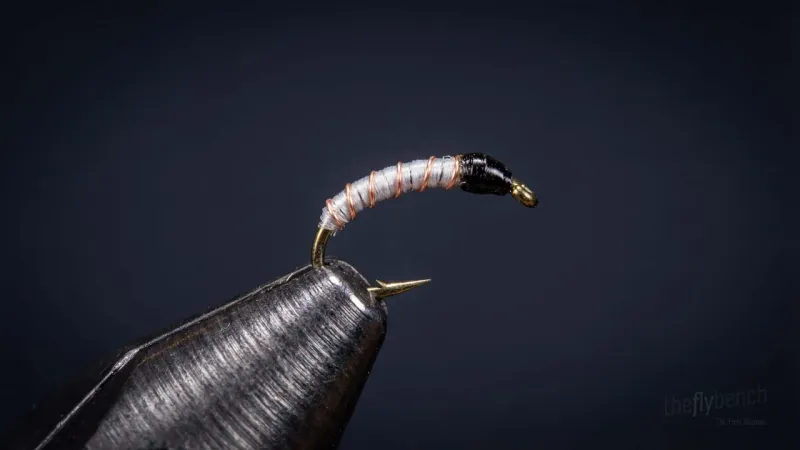
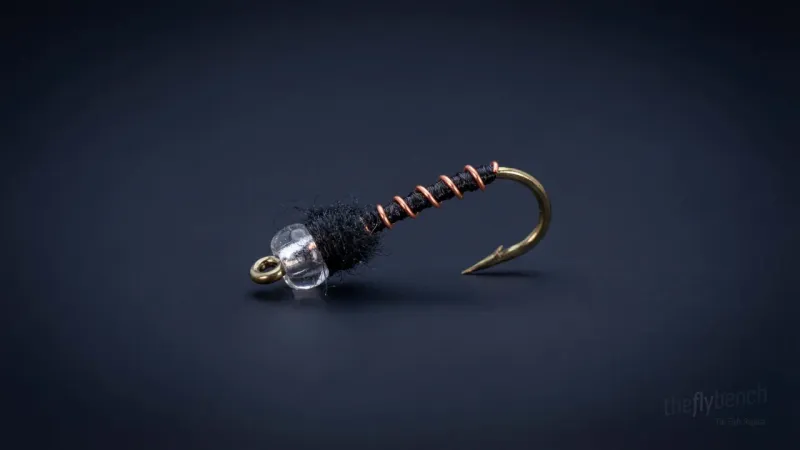
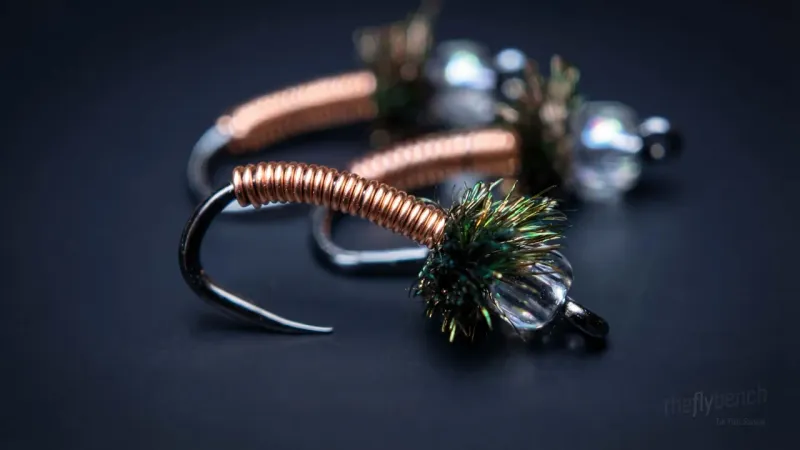
The Turbo Midge is a popular and versatile pattern that's easy to tie and highly effective in a range of conditions. It imitates midge pupae and is particularly successful during the winter months when midges are one of the only insects available.
Winter
Beginner
Trout
Apr 2025
Overview
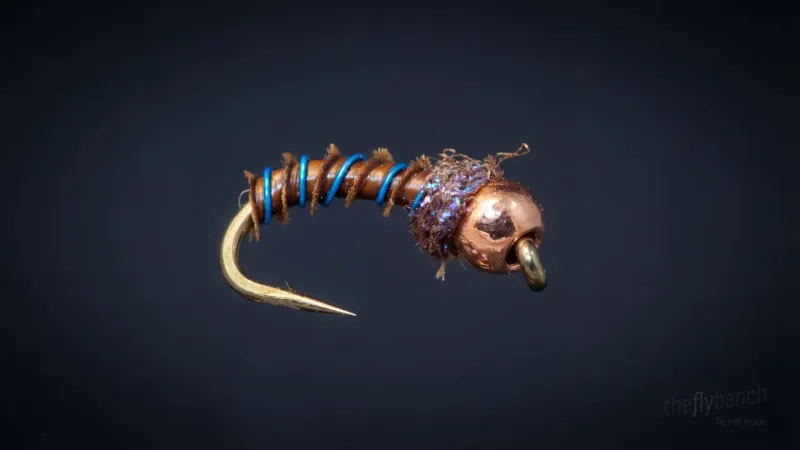
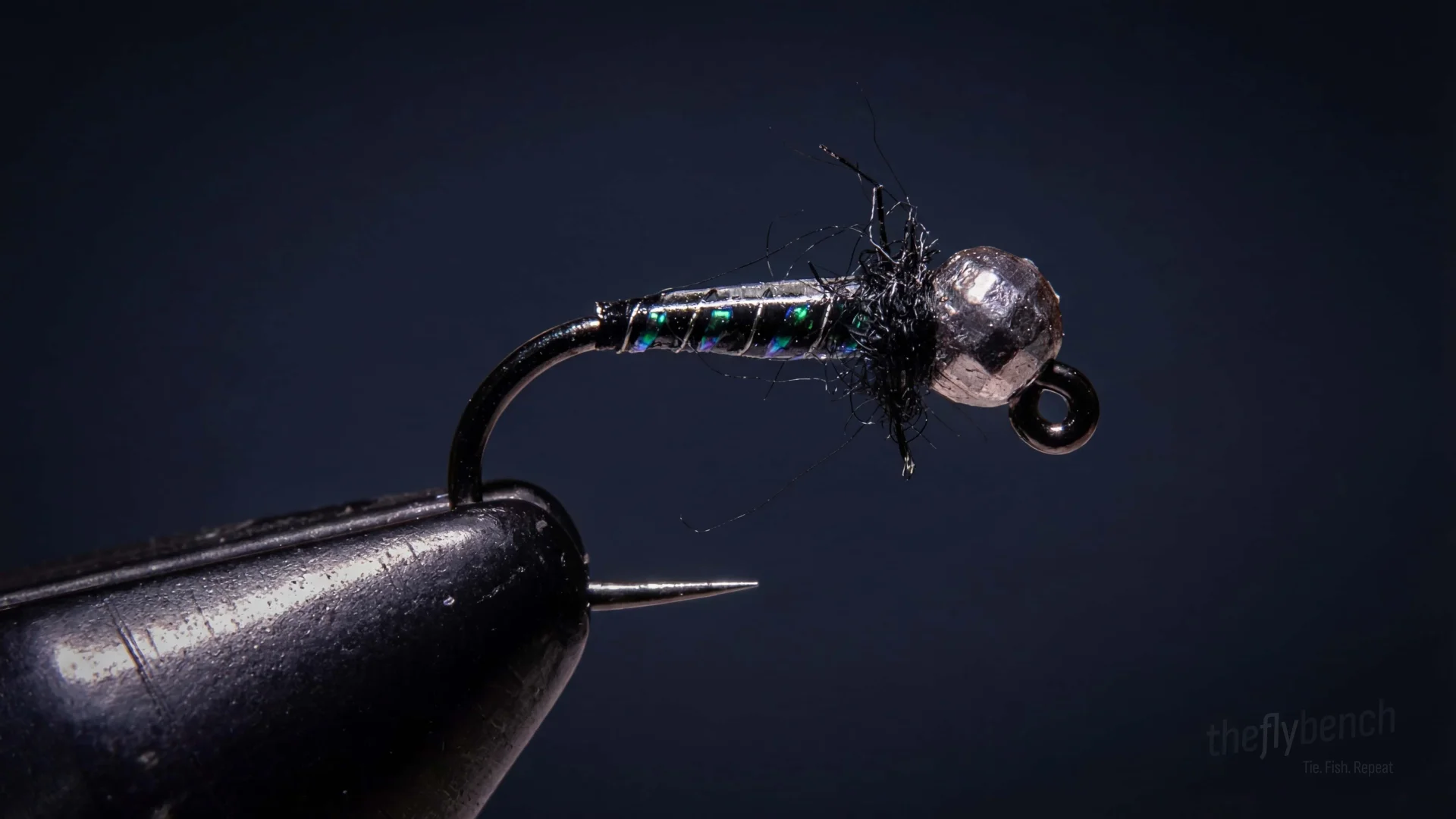
A beadhead midge pupa pattern with a slim wire body and flashy thorax (usually peacock or UV dubbing). It often uses red or black thread, fine wire ribbing, and a silver bead. Simple, fast to tie, and effective in winter conditions.
Where to Buy This Fly
We only link to fly shops we trust. Some links are referral links, which may earn us a commission at no extra cost to you.
Materials
- Hook:
- Barbless jig hook (here, an Umpqua C400BL), sizes 14-18
- Bead:
- Slotted faceted tungsten bead, 2.5mm, silver
- Thread:
- 8/0 or 70 Denier, black
- Rib 1:
- Ultra Wire, X-SM, silver
- Rib 2:
- Sulky Sliver Metallic Thread, opalescent
- Adhesive:
- UV cure
- Collar:
- Synthetic peacock dubbing, fine, black
Behavior & Presentation
Natural Behavior: Midge pupae ascend through stillwater with a pulsing, jerky motion, their gas-filled pupal cases creating buoyancy that propels them upward in short bursts. This erratic vertical movement makes them highly visible to cruising trout scanning the water column.
Where Trout Eat It: Trout station themselves to intercept ascending pupae in tailwaters, feeding mid-column before the hatch or in the film during emergence.
How to Fish It: Rig as lead fly with midge larva dropper 14-18 inches below, or fish under dry fly with 6-24 inches of 6X-7X tippet.
Best Water: Tailwater runs and back eddies where midges hatch consistently. Target foam lines and slack water pockets during low-light hours.
Strike Type: Watch for the indicator to suddenly dip or dart sideways as cruising trout intercept the ascending pupa mid-column. Takes can be surprisingly aggressive when fish are actively chasing rising midges.
Fishing Strategy
Rigging Suggestions: This fly can be rigged with a small gold bead for additional depth.
Seasonal Timing: This fly is particularly effective during the months when midges are one of the only insects available.
Pro Tips: The Turbo Midge is a sinking fly designed to be fished subsurface. The fine copper wire body provides a natural iridescence that can attract fish in various lighting conditions.
Entomology
Midge pupae rise vertically through the water column with a pulsing swimming motion, their gas-filled pupal cases creating distinctive silhouettes as they approach the surface. Trout station themselves to intercept these ascending pupae, timing their takes to the predictable emergence patterns that concentrate food in specific depth zones.
- Order
- Diptera
- Family
- Chironomidae
- Common Name
- Midge
- Organism Type
- insect
- Life Stage
- pupa