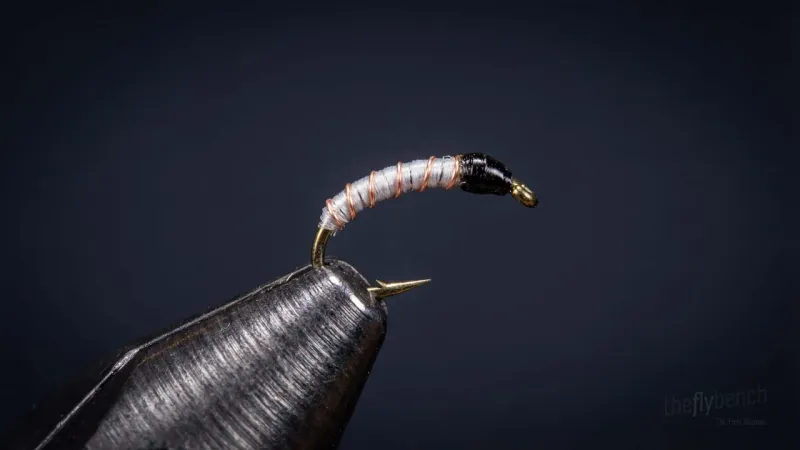
Midge / EmergersTak's Crystal Chironomid
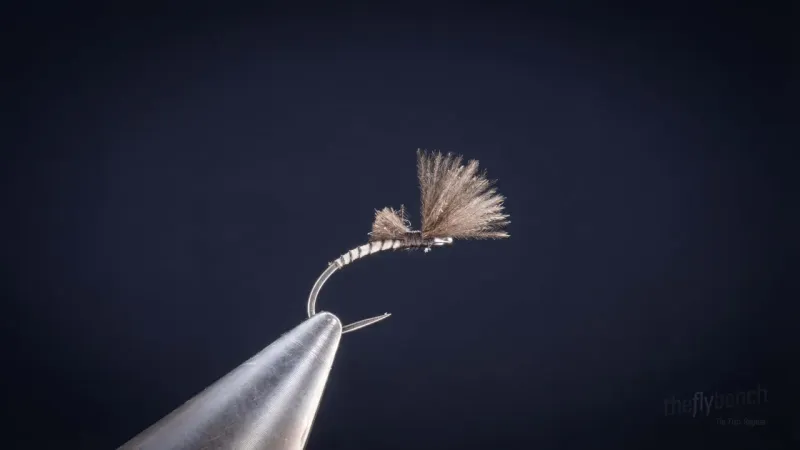
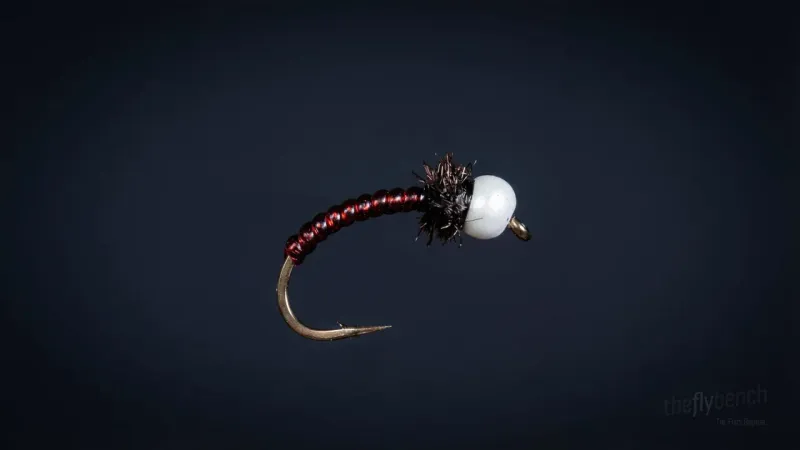
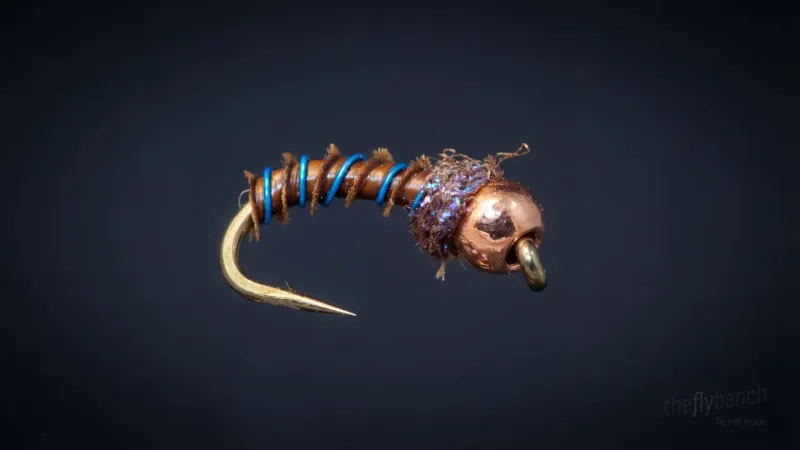
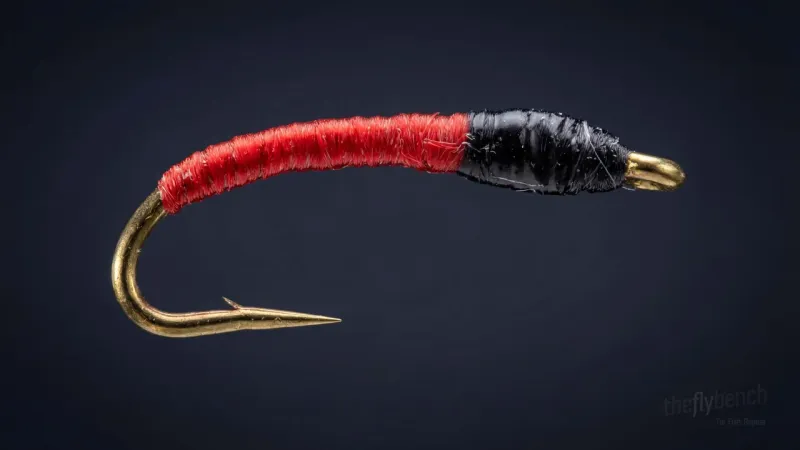
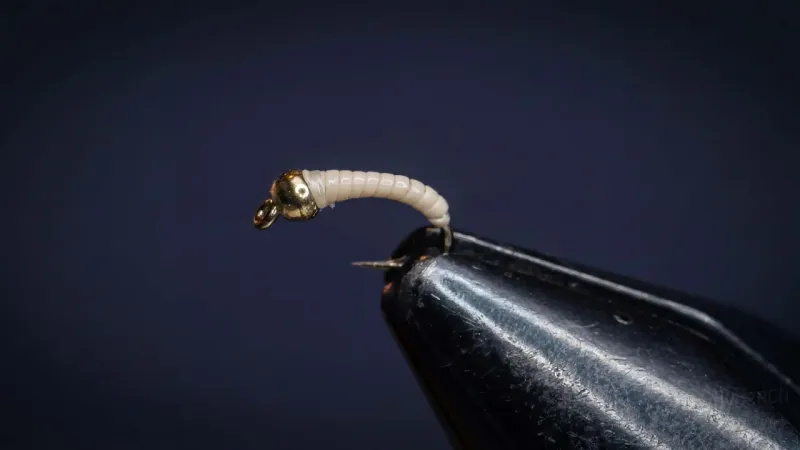
A highly effective chironomid pattern, this fly is designed to be fished under an indicator or on a long leader in stillwaters. The crystal flash body gives it an appealing sparkle that attracts fish.
Spring, Summer
Beginner
Trout
Apr 2025
Overview
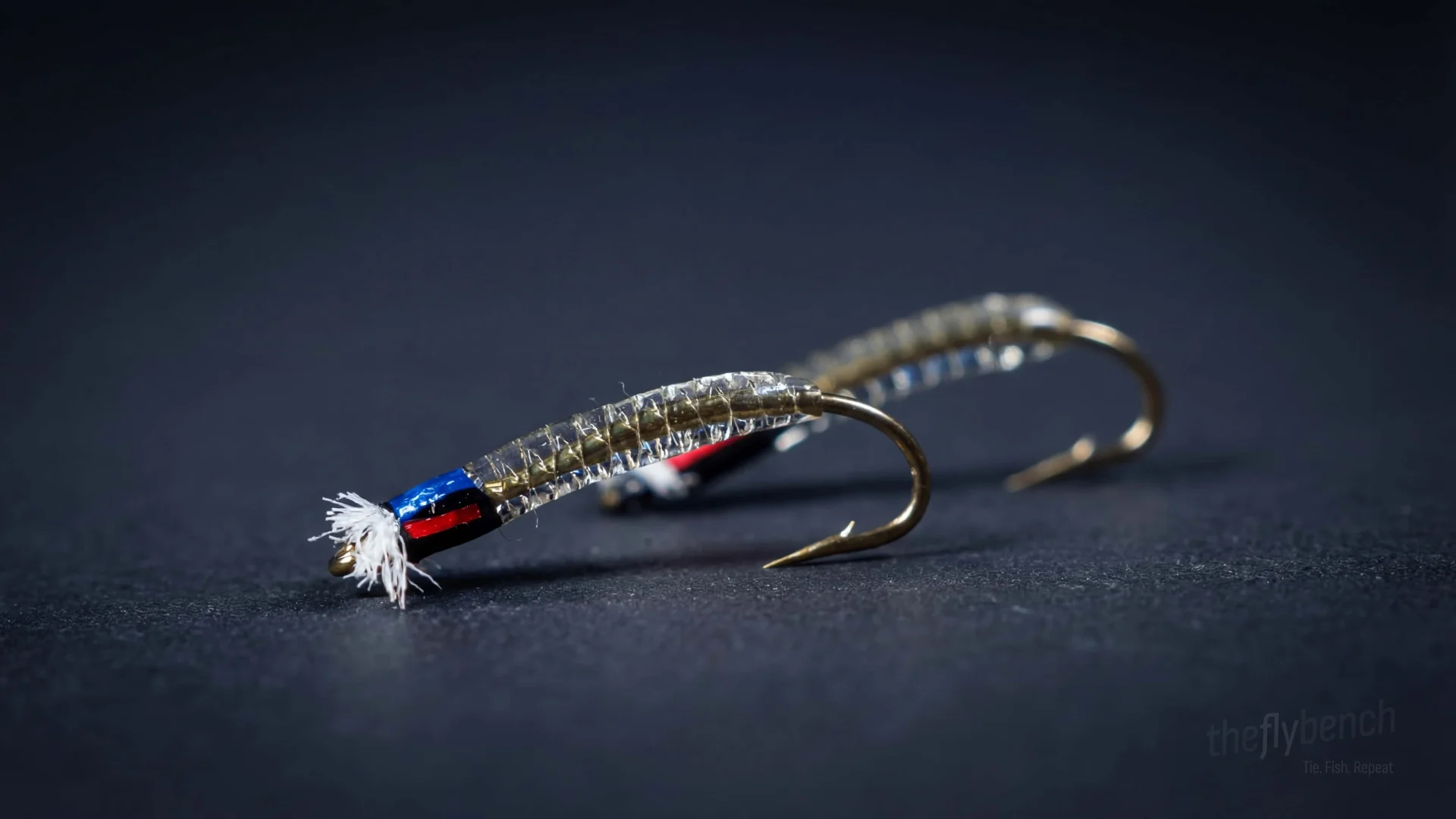
This midge pupa uses translucent crystal flash or wire ribbing over a thread base to mimic the segmentation and sheen of real chironomids. The head is finished with a small bead and thread collar. It's a great stillwater pattern for suspended trout.
Where to Buy This Fly
We only link to fly shops we trust. Some links are referral links, which may earn us a commission at no extra cost to you.
Materials
- Hook:
- Firehole Outdoors 718
- Abdomen:
- Hollow Tubing Midge Clear
- Thread:
- Veevus 10/0 Black
- Thorax:
- Flashabou Tinsel Blue and Red
- Gills:
- Sparkle Emerger Yarn Clear White
- Fly Finish:
- Fluorescing UV Clear
Behavior & Presentation
Natural Behavior: Transparent chironomid pupae hang suspended in open water with their segmented bodies perfectly still, only their internal organs visible through translucent exoskeletons. These ghost-like pupae accumulate at specific depths in stillwater, creating invisible feeding zones where cruising trout intercept them with methodical, repetitive rises as they patrol beneath the surface.
Where Trout Eat It: Trout cruise beneath the surface in stillwater, intercepting chironomid pupae suspended 8-25 feet deep over muddy bottoms where chironomid concentrations are highest.
How to Fish It: Fish under strike indicator with minimal movement, allowing fly to hang vertically. Position indicator at exact depth and adjust based on fish location.
Best Water: Productive bays with muddy substrates at 10-20 feet, shoal edges at 8-15 feet, and drop-offs where depth transitions create feeding zones.
Strike Type: Watch for slow indicator drift or gentle takes transmitted as light taps through your line.
Fishing Strategy
Rigging Suggestions: Floating line with 15-25 foot leader tapered to 5X or 6X tippet. Micro strike indicator positioned at exact depth. Consider adding weight 12 inches above fly.
Seasonal Timing: March through June and September through October when water temperatures range from 45-60°F and chironomid hatches are most prolific.
Pro Tips: Count down to determine productive depth. Match body color to naturals (black, olive, red, brown). Fish multiple flies at different depths to locate feeding zone faster.
Entomology
Chironomid pupae exhibit a characteristic stillwater ascent, rising vertically through the water column with their segmented bodies nearly motionless except for subtle pulsing movements. Lake-dwelling trout cruise beneath the surface intercepting these suspended pupae because they hang vulnerably in open water for extended periods, making them easy targets during massive midge hatches in spring and fall.
- Order
- Diptera
- Family
- Chironomidae
- Common Name
- Midge
- Organism Type
- insect
- Life Stage
- general