Midge / EmergersBlood Midge
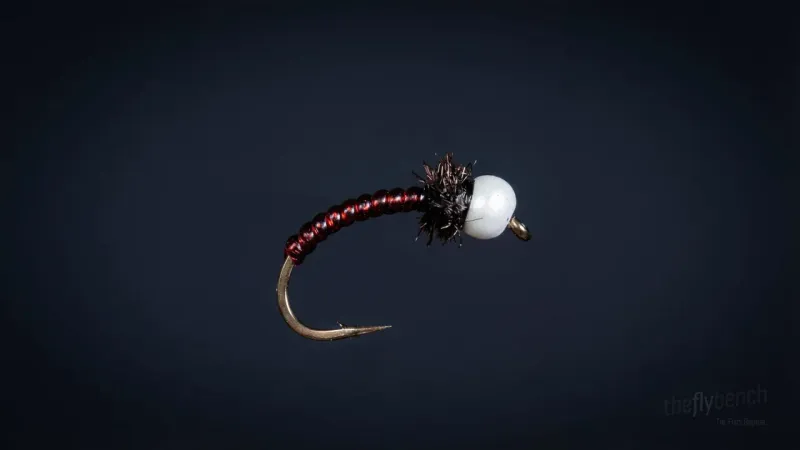
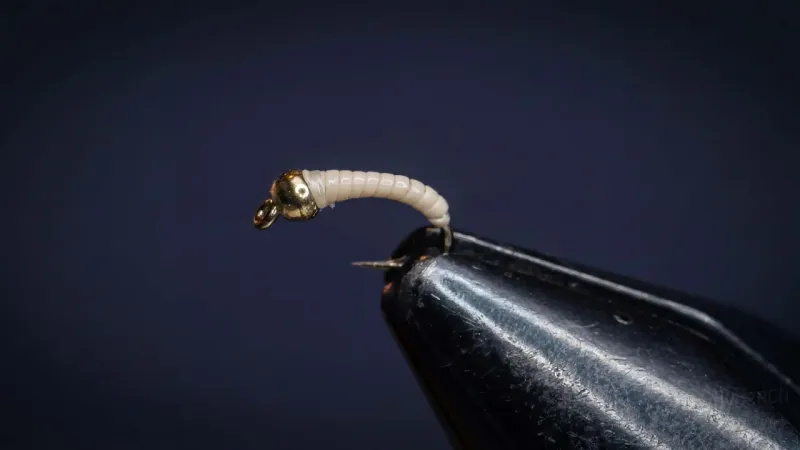
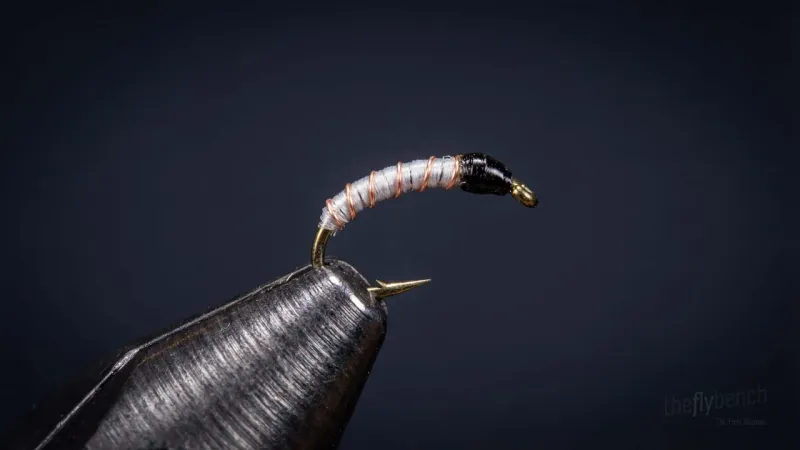
The Blood Midge is a simple, effective pattern that imitates the midges that trout feed on heavily. Its red color and slim profile make it irresistible to trout.
Spring, Summer, Fall
Beginner
Trout
Apr 2025
Overview
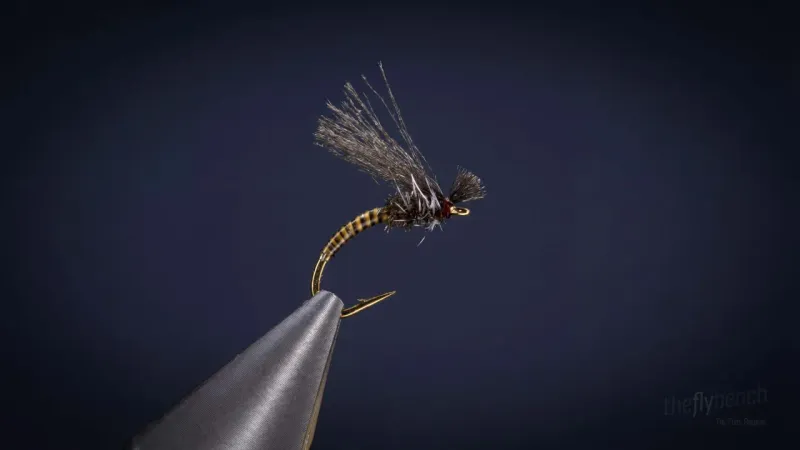
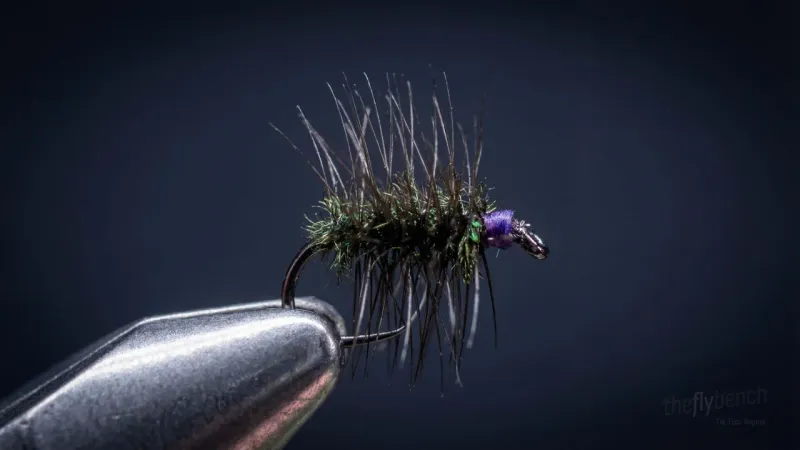
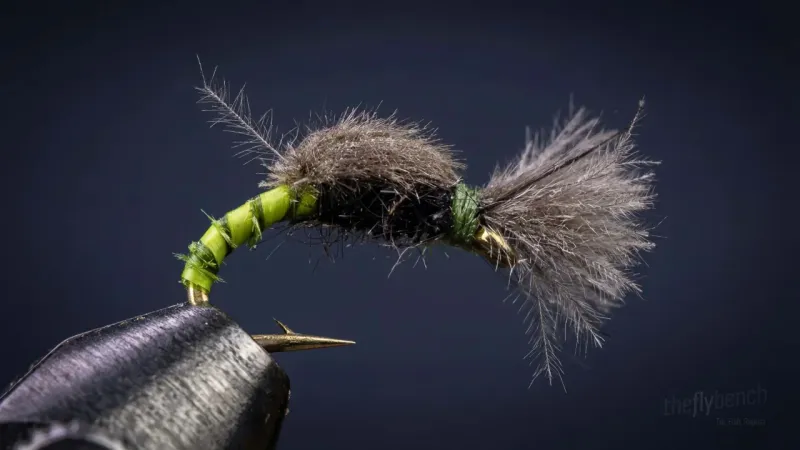
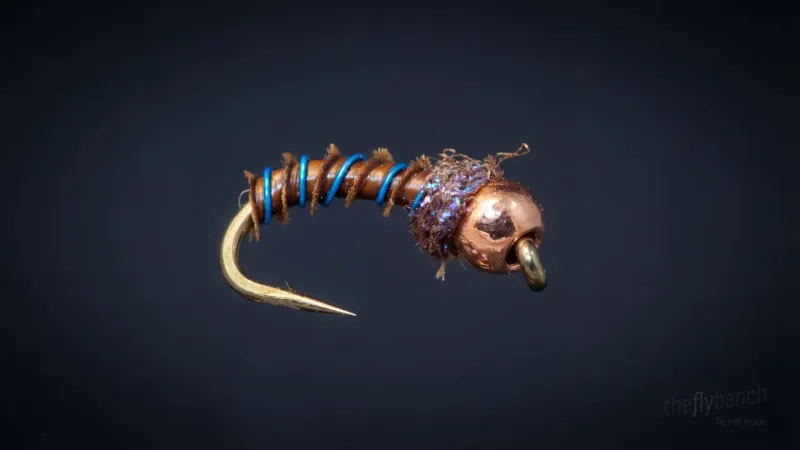
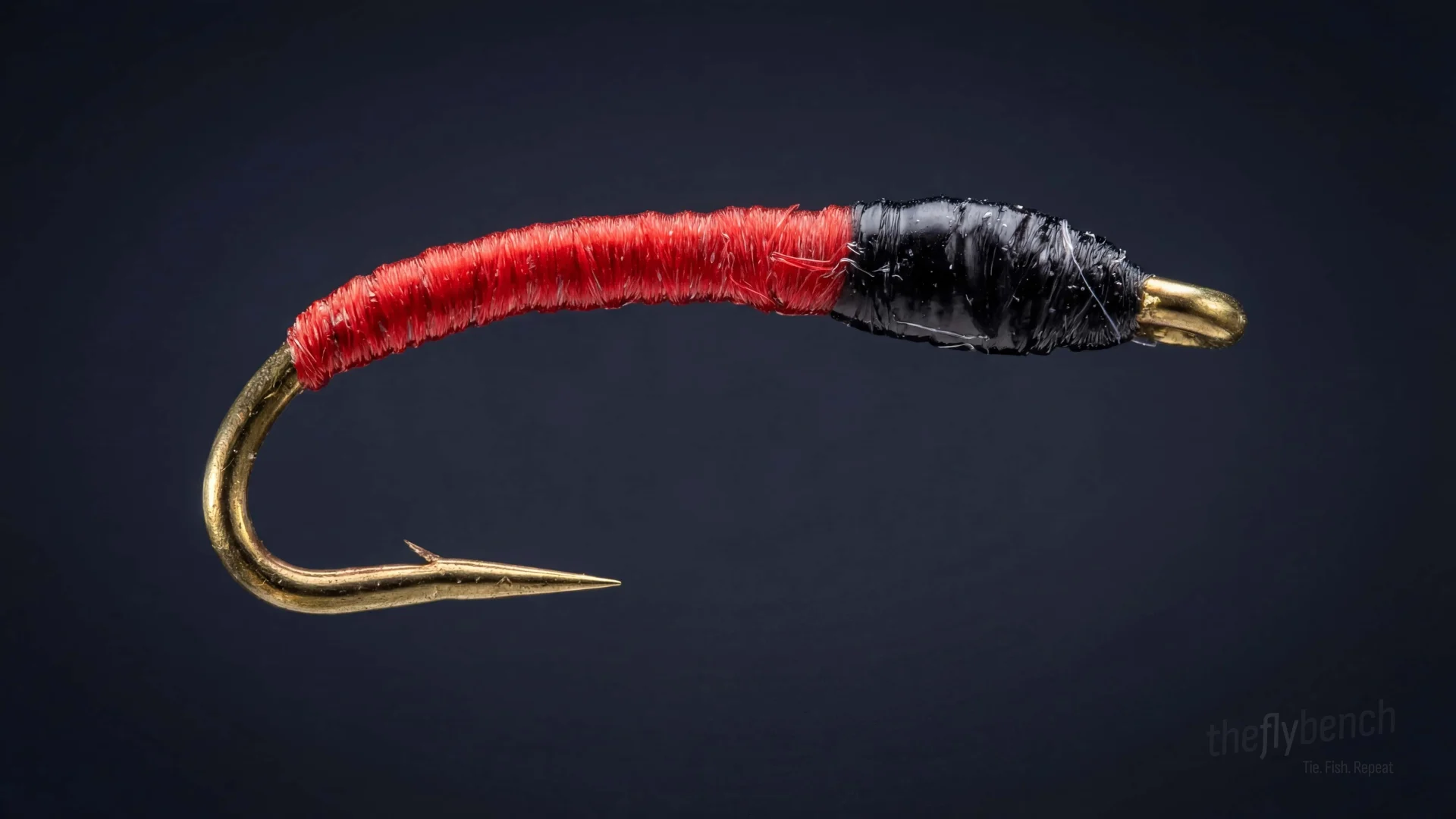
This pattern mimics the bright red coloration of oxygen-rich midge larvae. It's tied on a curved hook with red thread or red wire as the main body material, often finished with a peacock thorax or dubbing hotspot. Keep the fly slim and use a subtle taper for realism. Great for stillwater or tailwater applications.
Where to Buy This Fly
We only link to fly shops we trust. Some links are referral links, which may earn us a commission at no extra cost to you.
Materials
- Hook:
- Tiemco 2487, size #16–#20
- Thread:
- Red Veevus 14/0
- Body:
- Red superfine dubbing
- Ribbing:
- Fine silver wire
- Shell:
- Solarez Bone Dry UV resin
Behavior & Presentation
Natural Behavior: Chironomus midge pupae containing hemoglobin ascend slowly through silty water columns, hanging vertically beneath the surface film. Gas bubbles trapped in their pupal shucks suspend them in vulnerable positions near the meniscus.
Where Trout Eat It: Trout target this bright red pattern in the lower water column and mid-film of stillwaters and slow-moving tailwaters. The hemoglobin-rich coloration makes it highly visible to fish in murky water and silty substrates where chironomid midges thrive in oxygen-poor environments.
How to Fish It: Suspend beneath an indicator or fish as a dropper below a larger dry fly with 6X-7X tippet. The slim profile and UV resin shell sink slowly through the water column—allow it to hang motionless in feeding zones where trout intercept ascending bloodworms.
Best Water: Excels in tail-outs, back eddies, and drop-offs of tailwaters like the Green, San Juan, and Big Horn. Most productive near muddy substrates in stillwaters and slow-moving sections where bloodworms concentrate near the bottom in silty zones.
Strike Type: Watch for subtle line hesitations or gentle takes as the fly hangs motionless in the strike zone.
Fishing Strategy
Rigging Suggestions: Rig on a 9-12 foot leader with 5X-6X tippet on a floating line. Use as a dropper below a larger dry fly or fish multiple midge patterns in tandem.
Seasonal Timing: Effective from March through November during midge activity, with fishing also productive in tailwaters during mild weather. When trout are selectively feeding on midges, often during overcast days or in colder months when midge hatches dominate.
Pro Tips: The bright red color makes this fly easily visible to fish and anglers alike, representing the hemoglobin-rich bloodworm stage of chironomid midges. Size down to 18-22 for ultra-selective fish.
Entomology
Blood midges (Chironomus species) inhabit silty, oxygen-poor environments and contain hemoglobin that gives them a distinctive red coloration. The pupae ascend slowly through murky water columns, suspended by gas bubbles in their pupal shucks. Trout in stillwaters and slow-moving rivers feed heavily on these abundant, easily visible emergers, particularly during spring and fall when chironomid emergences are prolific.
- Order
- Diptera
- Family
- Chironomidae
- Common Name
- Midge
- Organism Type
- insect
- Life Stage
- general