Dry FliesSpotlight Caddis
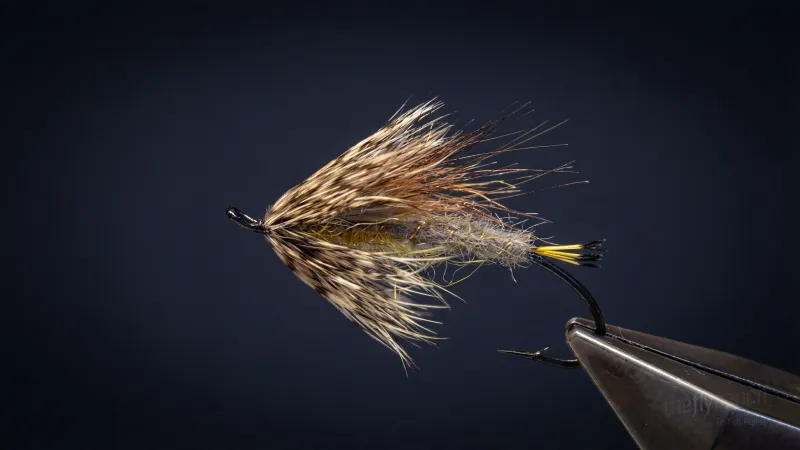
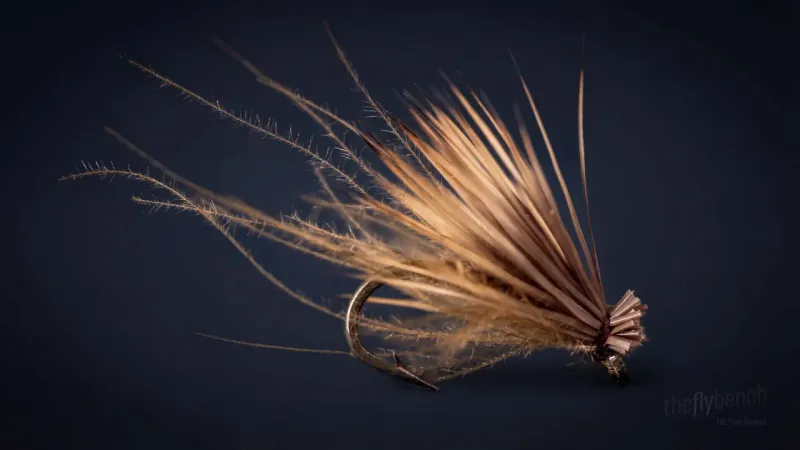
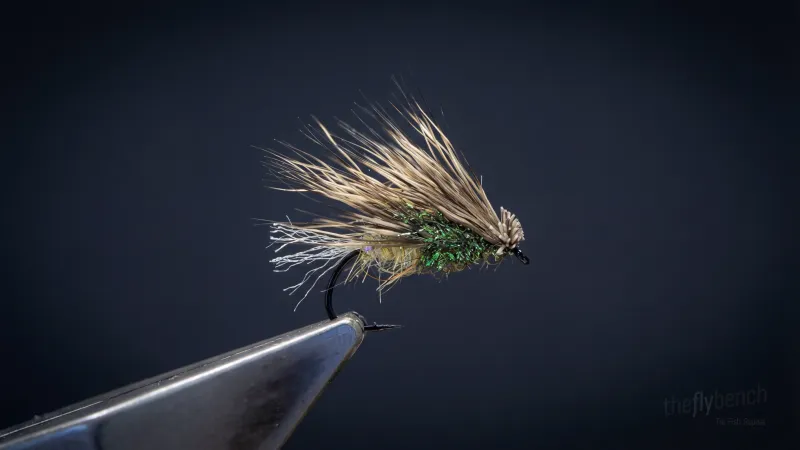
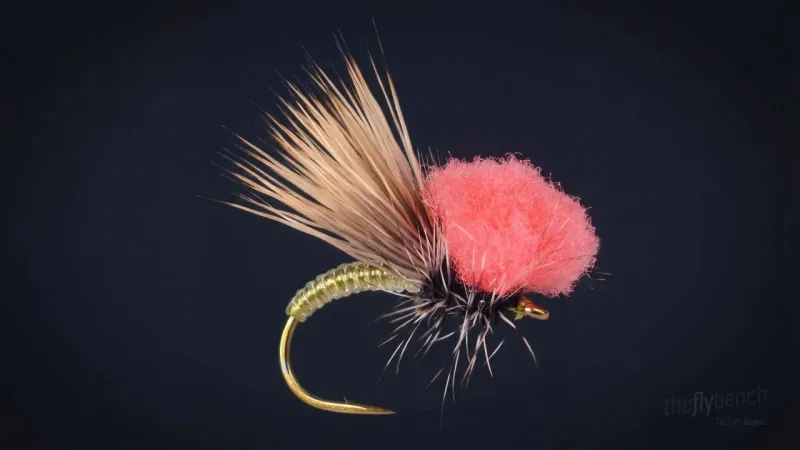
The Spotlight Caddis is a unique dry fly pattern that is both highly visible and highly effective. It imitates a caddis in its final stages of emergence, making it irresistible to trout.
Spring, Summer, Fall
Intermediate
Trout
Apr 2025
Overview
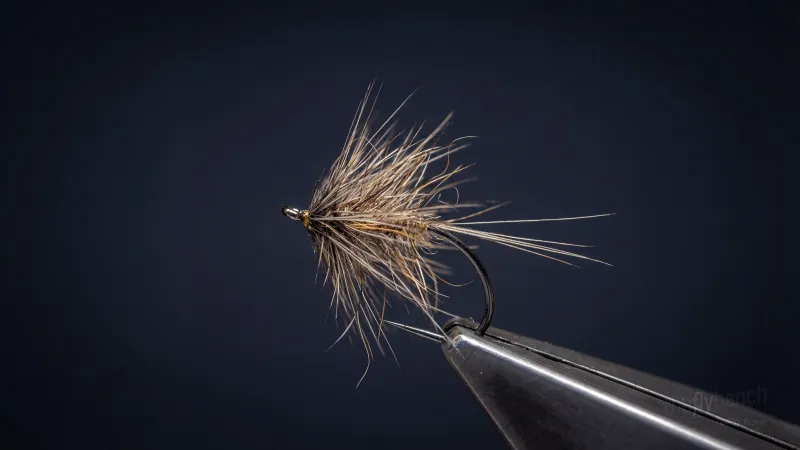
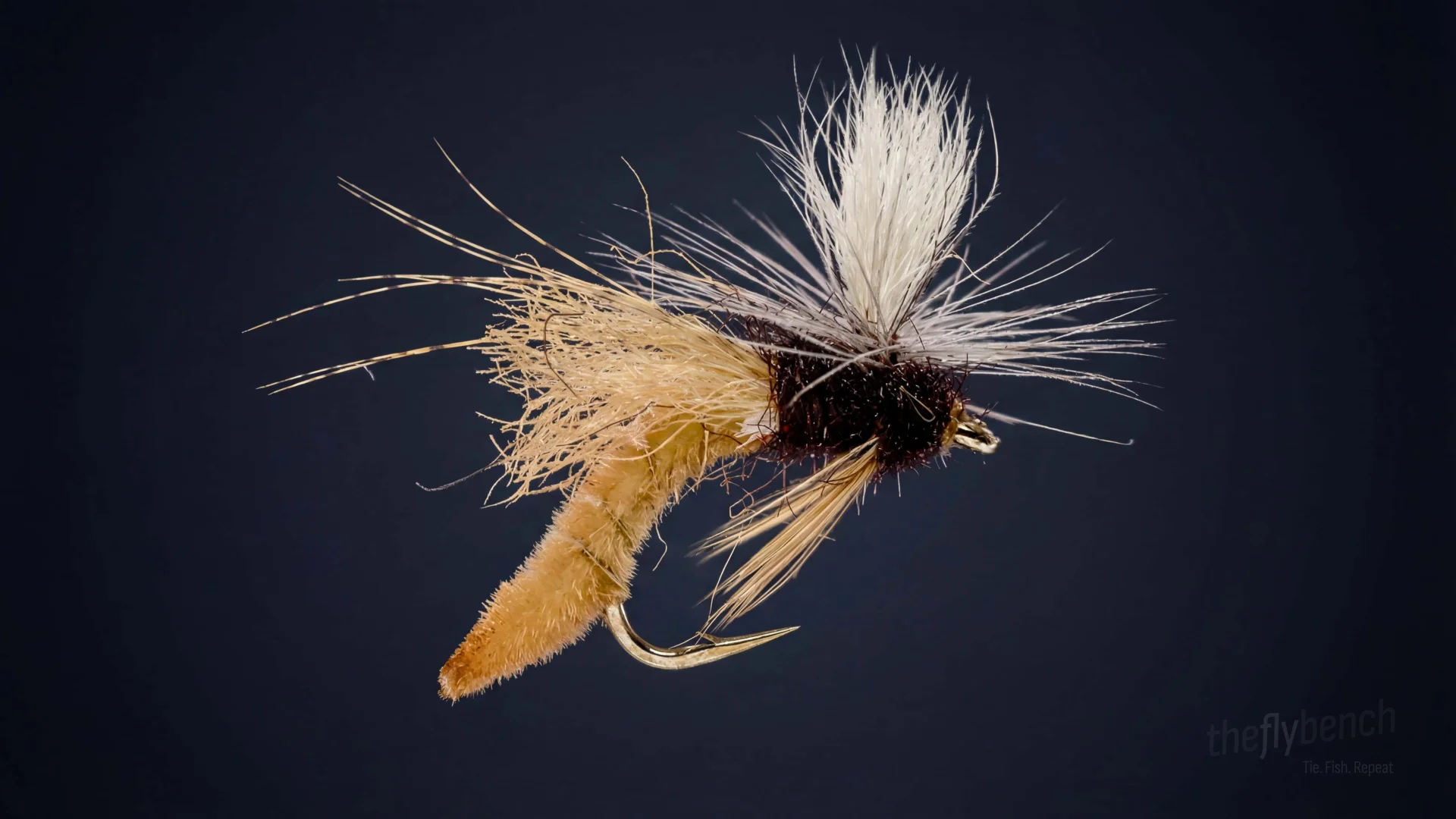
A CDC-wing caddis imitation tied on a curved hook, featuring a dubbed body, trailing shuck, and a soft halo of CDC fibers that act as a wing and help it ride in the surface film. It's highly visible and extremely effective during evening caddis hatches.
Where to Buy This Fly
We only link to fly shops we trust. Some links are referral links, which may earn us a commission at no extra cost to you.
Materials
- Hook:
- #12-18 Tiemco 2487
- Thread:
- Black Veevus 14/0
- Rib:
- Small Copper Wire
- Body1:
- Medium Veevus Pearlescent Tinsel
- Body2:
- Olive Micro Velvet Chenille
- Parachute:
- Calf Body Hair
- Antennae:
- Natural Mallard Flank
- Wing:
- White McFlylon
- Legs:
- Partridge
- Hackle:
- Natural Dun Whiting High and Dry Rooster Cape
- Dubbing:
- Natural Hare's Ear or Gray Hareline Dubbing
Behavior & Presentation
Natural Behavior: Post-mating caddis dive beneath the surface and skitter across it erratically while depositing egg masses, creating distinctive ripples and rings. This animated surface activity during evening flights triggers aggressive visual strikes.
Where Trout Eat It: Fish position in feeding lanes through riffles, runs, and lake margins to intercept egg-laying adults on the surface.
How to Fish It: Execute dead drifts through riffles and runs with occasional subtle twitches to simulate egg-laying or struggling adults.
Best Water: Target riffles, runs, seams, tail-outs, foam lines, riffle edges, and current breaks where caddis activity concentrates.
Strike Type: During caddis hatches, fish often slash aggressively at this pattern, creating splashy rises or boils. Watch for sudden surface eruptions near the fly, especially during evening flights when fish are actively hunting adults.
Fishing Strategy
Rigging Suggestions: Fish solo on 4X-5X tippet with a 9-foot leader during heavy hatches. Excellent as indicator fly in dry-dropper rigs with 18-24 inches of 5X tippet to a size 16-18 nymph or emerger pattern.
Seasonal Timing: April through September with peak effectiveness during May-June and again in August-September when caddis populations surge. Productive throughout the day during heavy hatches, especially effective May through July.
Pro Tips: The neon orange post provides exceptional visibility in low light and choppy water. Size 14-16 patterns cover most caddis species. Apply floatant to wing and hackle, keeping post visible but untreated.
Entomology
Caddisflies return to the water after mating to deposit egg masses, diving beneath the surface or skittering across it while releasing their fertilized eggs. Fish respond to both the surface activity and the diving behavior, striking aggressively at the animated adult caddis that create visual and tactile stimulation in the trout's feeding window.
- Order
- Trichoptera
- Common Name
- Caddisfly
- Organism Type
- insect
- Life Stage
- adult