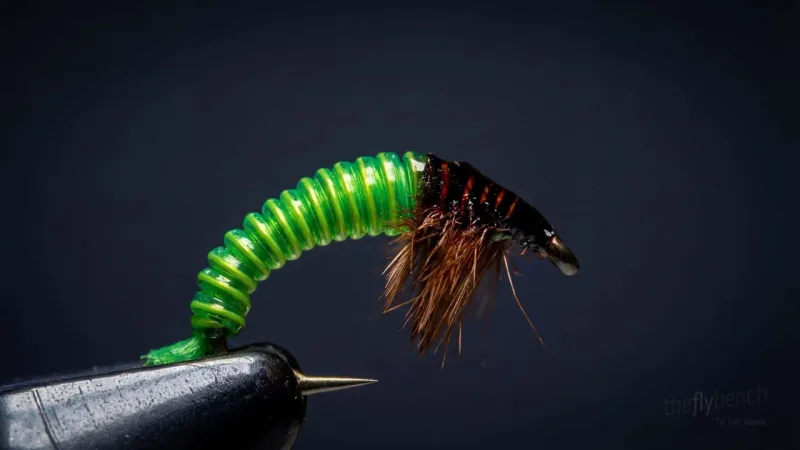
NymphBarr's Net Builder
The Barr's Net Builder is a versatile fly that performs excellently in a variety of conditions. Its lifelike appearance and movement in the water, coupled with its robust build, make it an absolute must-have in every fly angler's box.
Spring, Summer, Fall
Intermediate
Trout
Apr 2025
Overview
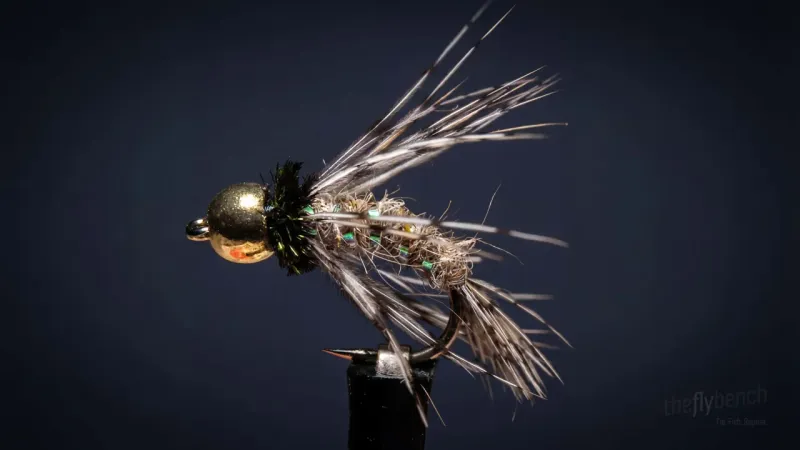
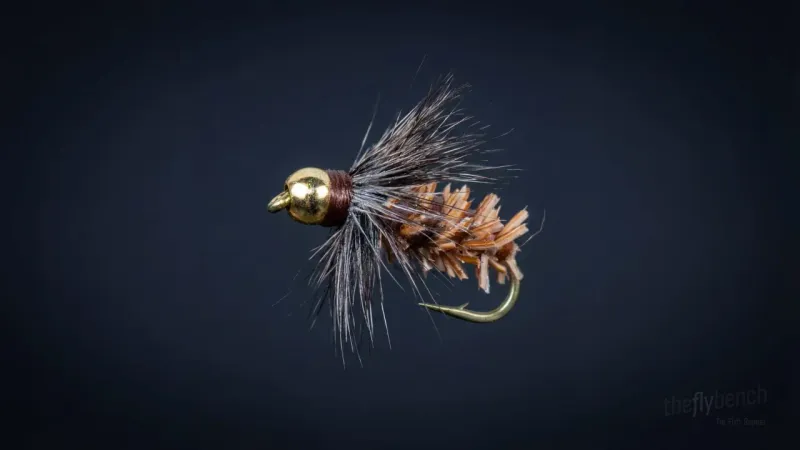
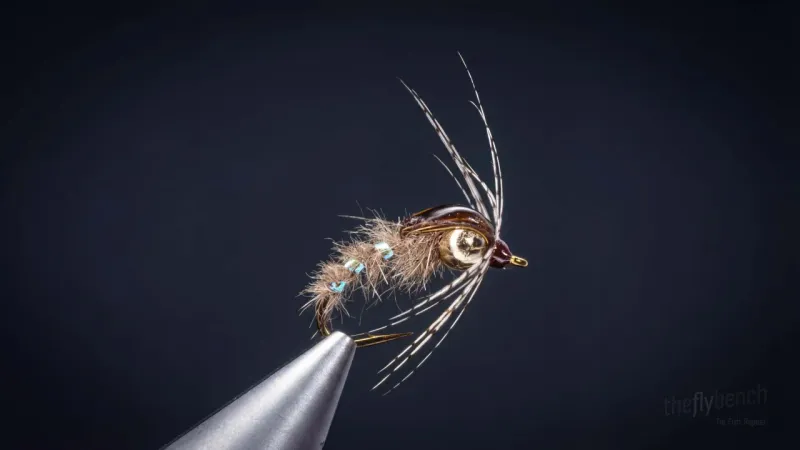
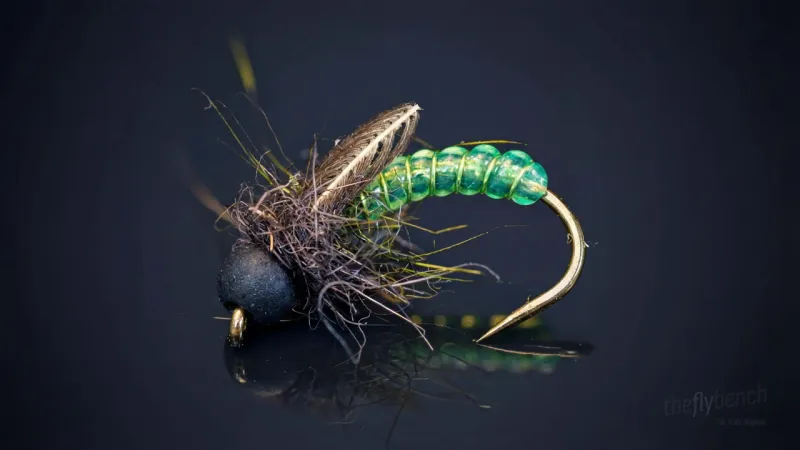
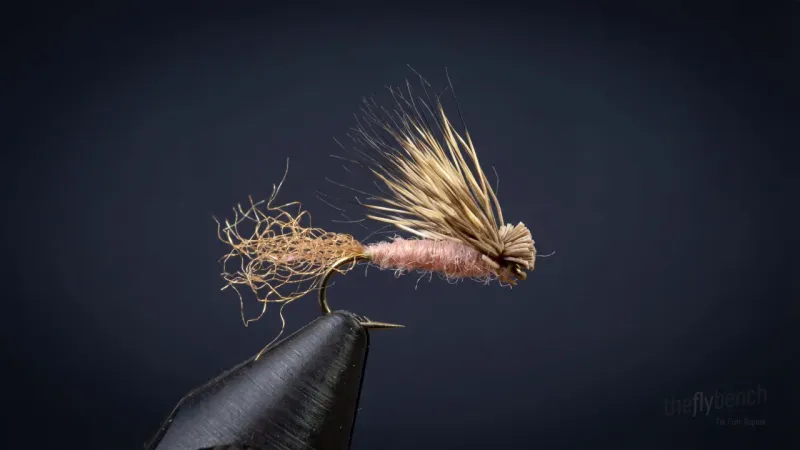
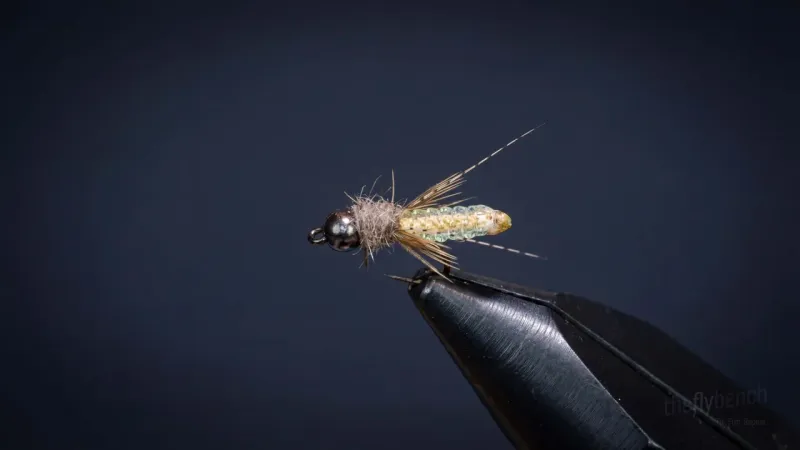
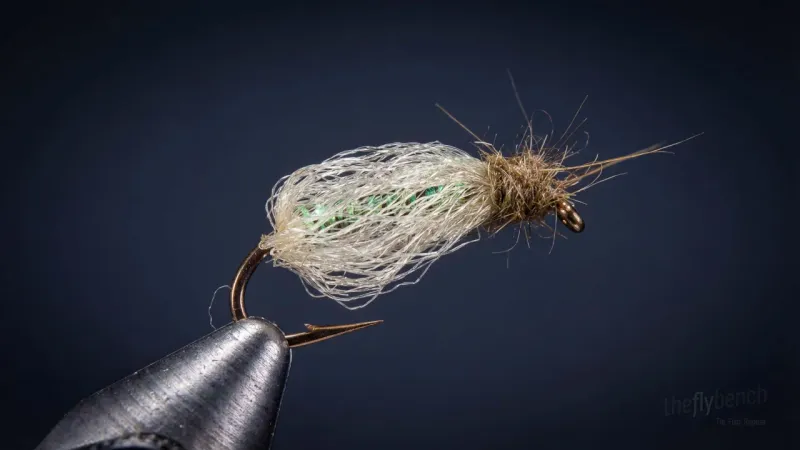
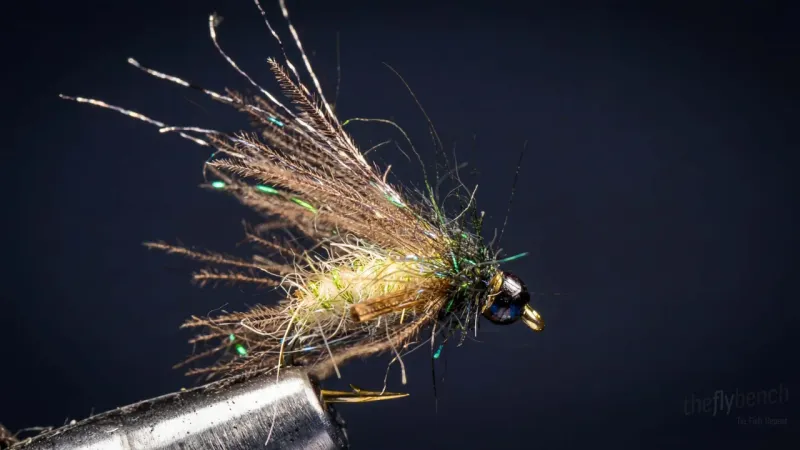
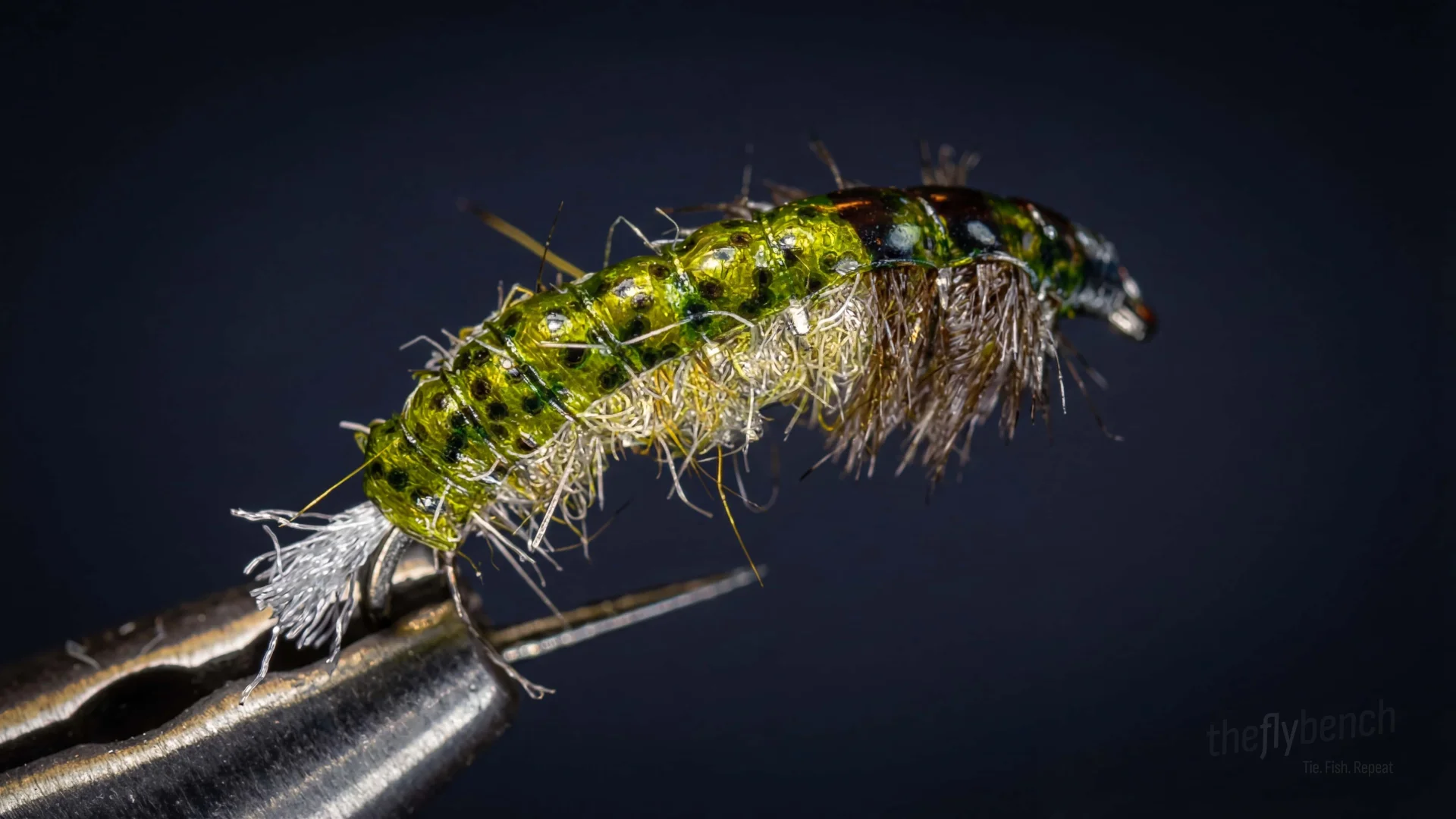
Barr's Net Builder is a slender, realistic caddis larva imitation designed with a segmented body using wire or D-rib, typically in olive or chartreuse shades. The fly is tied on a curved scud-style hook to better mimic the natural shape of a caddis larva. The head often features a dubbed collar or a bit of peacock herl for contrast. The simplicity of the pattern makes it durable and effective, especially in tailwaters or spring creeks where caddis are prevalent. A tungsten bead can be added for depth if needed.
Where to Buy This Fly
We only link to fly shops we trust. Some links are referral links, which may earn us a commission at no extra cost to you.
Materials
- Hook:
- Tiemco 3769, size #12–#16
- Thread:
- Olive 8/0 UNI-Thread
- Abdomen:
- Olive dubbing
- Ribbing:
- Fine gold wire
- Thorax:
- Dark brown dubbing
- Legs:
- Pheasant tail fibers
- Shell:
- Solarez Bone Dry UV resin
Behavior & Presentation
Natural Behavior: Net-spinning caddis larvae anchor to silken retreats on rock downstream sides, filtering drifting matter from current. When dislodged by high water or predators, their bright green or tan segmented bodies trigger immediate strikes.
Where Trout Eat It: Runs, riffles, and current breaks where net-spinning caddis construct retreats on rocky substrate.
How to Fish It: Drift near bottom with occasional twitches to imitate dislodged larvae struggling in current.
Best Water: Target riffles, seams, and current breaks where net-spinning caddis concentrate in productive runs.
Strike Type: Watch for indicator dips or line tightening as fish take the tumbling larva.
Fishing Strategy
Rigging Suggestions: Use a weighted rig to keep your fly near the bottom, where trout are feeding.
Seasonal Timing: The Barr's Net Builder can be used when caddis larvae are most common. When caddis larvae are present in the water or during a caddis hatch.
Pro Tips: This fly sinks and is most effective when drifted near the bottom. The UV resin adds a realistic, semi-translucent shellback.
Entomology
Net-spinning caddis larvae construct fixed retreats and silken nets on the downstream side of rocks, filtering drifting organic matter and microorganisms from the current. These larvae are anchored to their nets and rarely drift unless dislodged by high water or predators, but when they do enter the drift, their bright green or tan bodies and segmented appearance trigger immediate strikes. Their concentration in productive riffles and runs makes them a reliable food source in specific water types throughout the year.
- Order
- Trichoptera
- Common Name
- Caddisfly
- Organism Type
- insect
- Life Stage
- larva