NymphBarr's Hare Copper
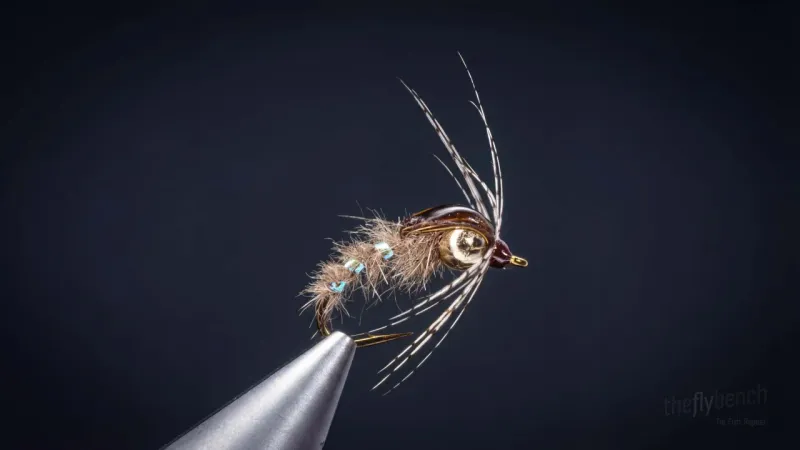
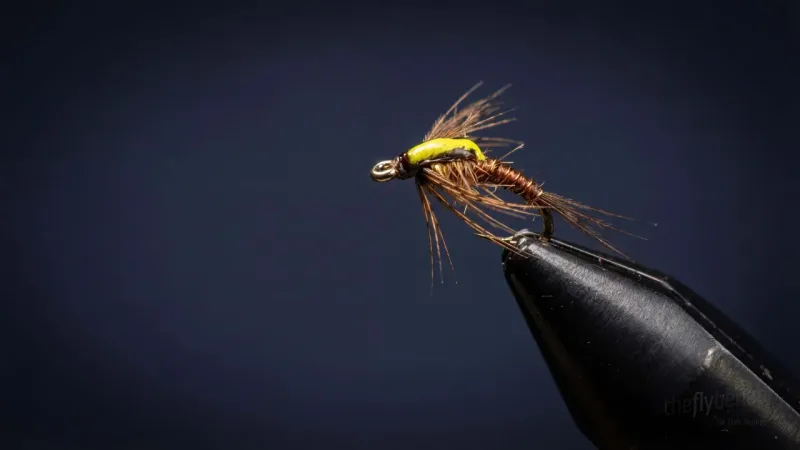
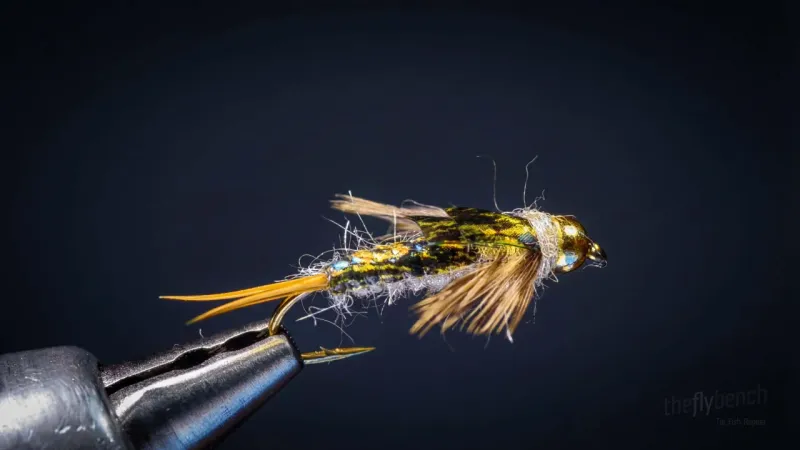
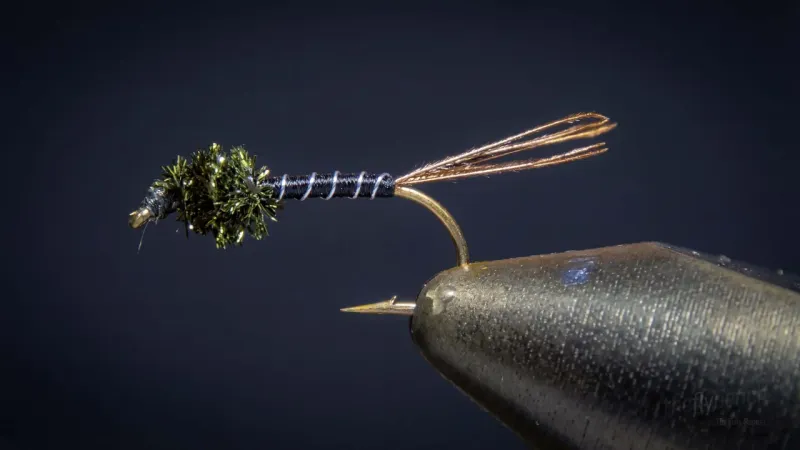
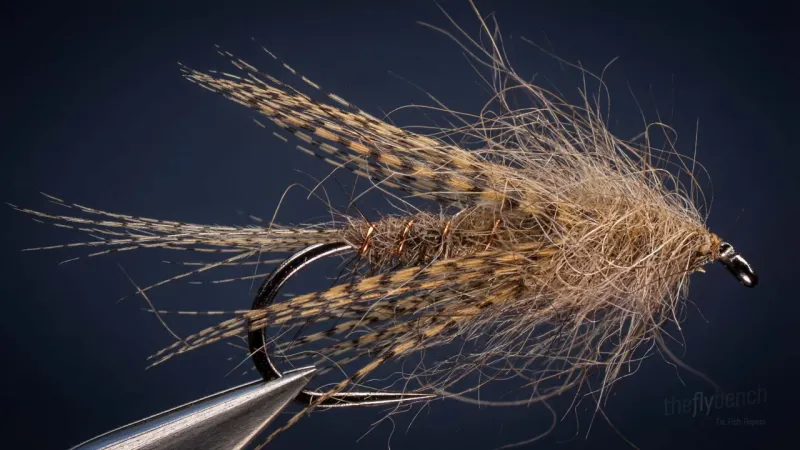
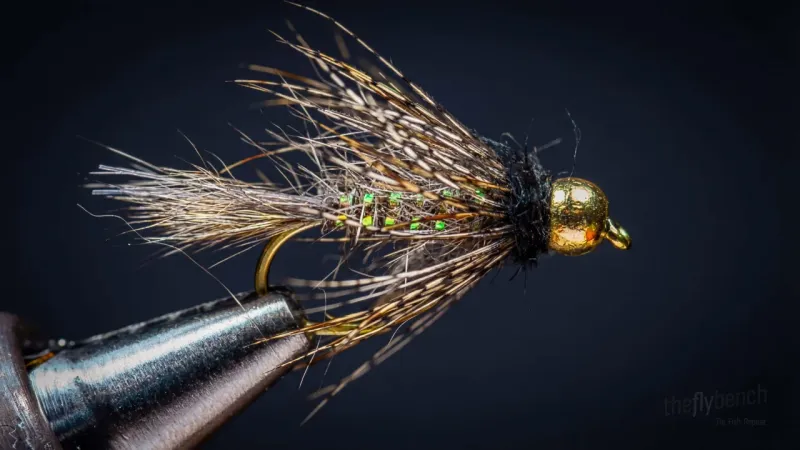
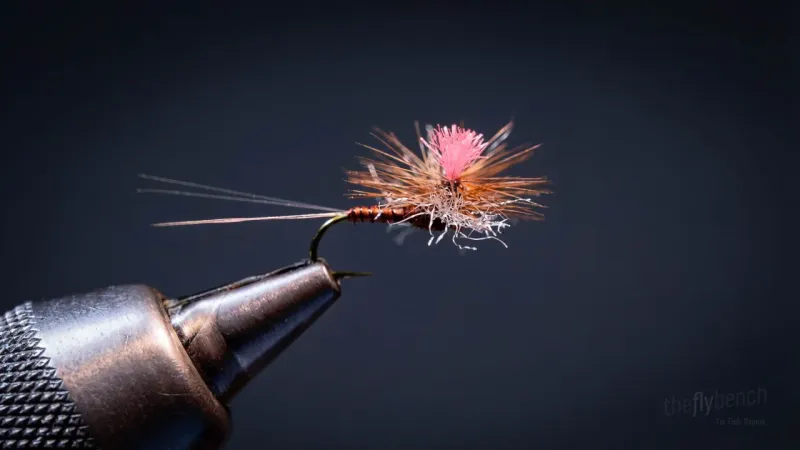
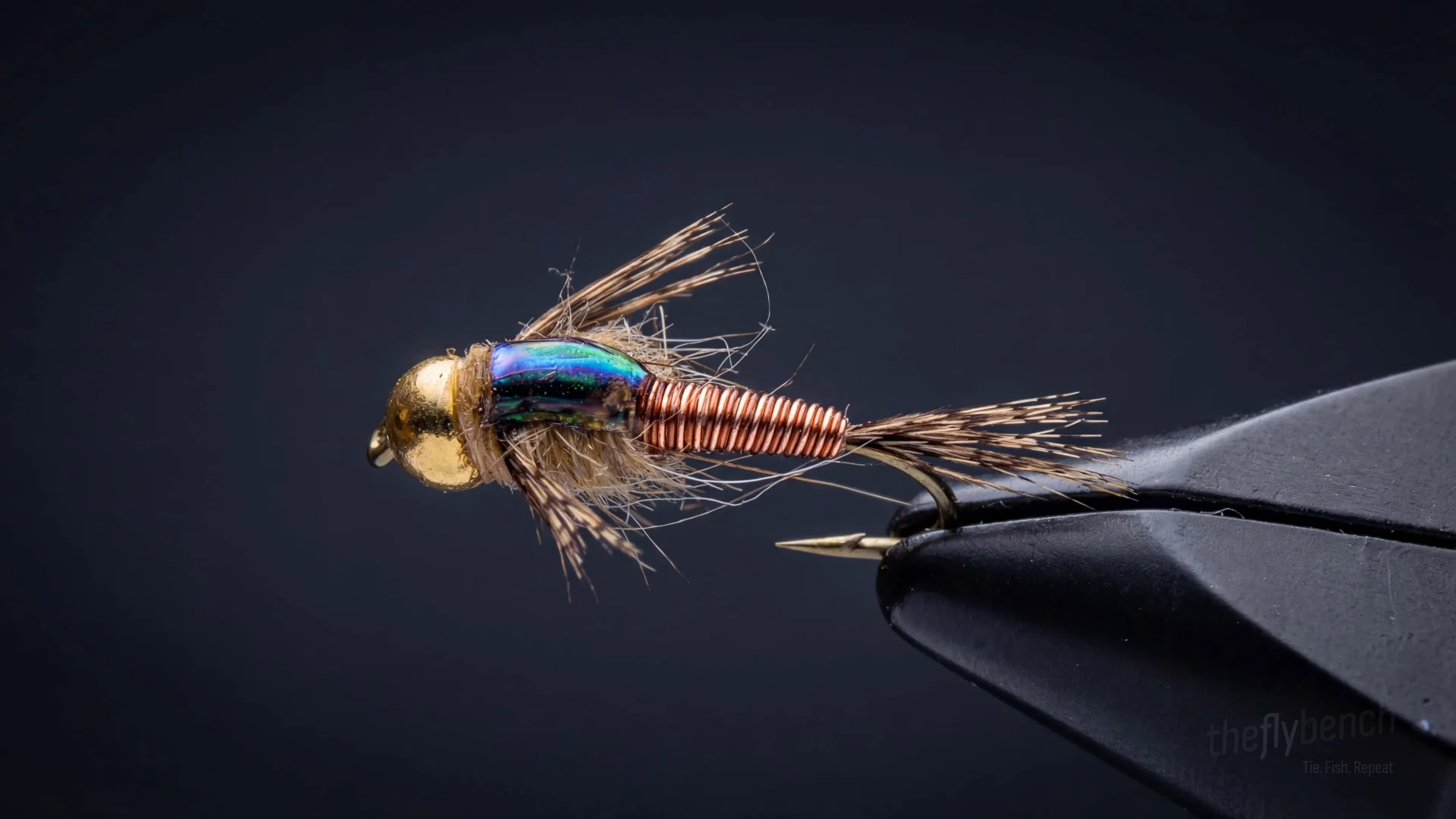
Barr's Hare Copper is a weighted nymph pattern that imitates a variety of aquatic insects. The copper wire and bead head add weight, helping it sink quickly to the feeding zone. The hare's ear body provides a natural, buggy look that's irresistible to trout. This fly is particularly effective during a hatch when fish are feeding on nymphs.
Spring, Summer, Fall
Beginner
Trout
Apr 2025
Overview
Barr's Hare Copper is a streamlined fusion of the Hare's Ear and Copper John, offering the best of both: buggy realism and fast-sinking performance. It's a versatile nymph pattern that can be tied in various colors and sizes to match local insect activity while getting down quickly in deep runs or fast currents.
Where to Buy This Fly
We only link to fly shops we trust. Some links are referral links, which may earn us a commission at no extra cost to you.
Materials
- Hook:
- #14-18 Tiemco 2302
- Bead:
- 3/32-5/32" Gold Tungsten Bead
- Weight:
- .010" Lead Wire
- Thread:
- Tan UTC 70
- Tail:
- Partridge
- Body:
- Copper and Copper Brown Brassie UTC Wire
- Casing:
- Medium Pearl Flashback and Black Thinskin
- Thorax:
- Hare's Ear Dubbing
- Legs:
- Partridge
- Casing Glue:
- Loon Thick UV Fly Finish
Behavior & Presentation
Natural Behavior: Mayfly and caddis nymphs cling to rocks in moderate currents, periodically releasing their grip to tumble downstream with legs and tails flailing. This behavioral drift concentrates at dawn and dusk when nymphs actively migrate between feeding zones.
Where Trout Eat It: Trout hold in the lower half of runs and riffles, positioning themselves to intercept nymphs bouncing along the streambed.
How to Fish It: Maintain bottom contact with dead drifts, using strike indicators or tight-line techniques to detect subtle takes as the fly tumbles naturally.
Best Water: Most effective in runs, pockets, and riffle edges where current velocity creates natural drift lanes.
Strike Type: Strikes telegraph as a quick dart or jolt through the indicator rig, with the fly's weight causing a distinctive bounce before the line tightens.
Fishing Strategy
Rigging Suggestions: Use a floating line with a long leader and a heavy tippet. Attach the fly with a loop knot to allow for more natural movement.
Seasonal Timing: During a hatch when fish are feeding on nymphs, or any time trout are feeding near the bottom.
Pro Tips: This fly sinks quickly due to the bead head and copper wire. The natural colors blend in well with the river bottom, making it less noticeable to fish and more likely to be taken as a real insect.
Entomology
Mayfly and caddis nymphs exhibit active crawling and swimming behaviors along stream bottoms, periodically releasing into the drift where they tumble helplessly with legs and tails extended. These nymphs concentrate in productive riffles and runs where current delivers constant food supplies, making them predictable targets during behavioral drift periods at dawn and dusk. Their vulnerability when drifting and their high abundance in tailwaters and freestone streams make them a primary food source year-round.
- Order
- Trichoptera
- Common Name
- Caddisfly
- Organism Type
- insect
- Life Stage
- nymph