Dry FliesLumi
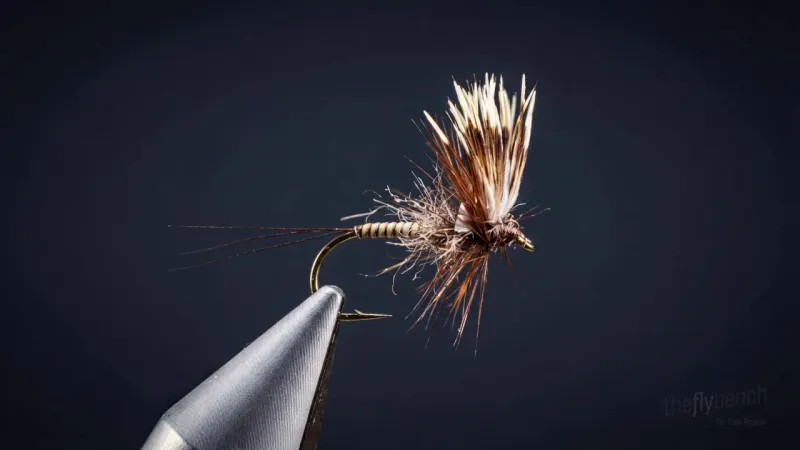
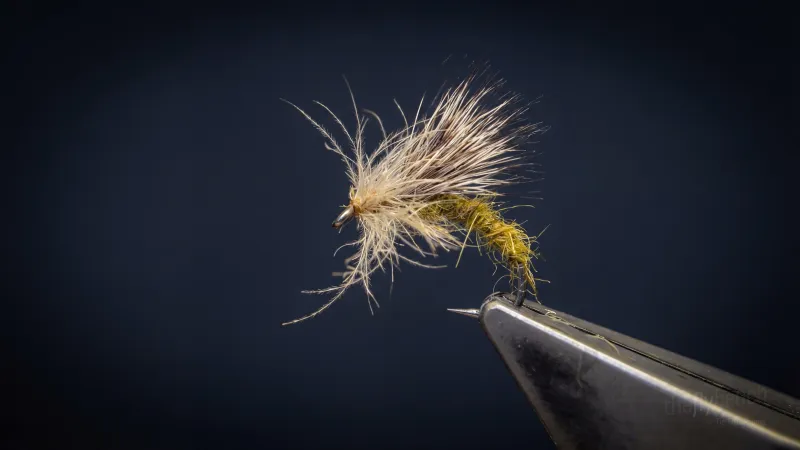
Bob Wyatt's parachute-style pattern excels in low-light conditions. White post provides excellent visibility at dawn and dusk while hackle creates wide footprint on surface. Simple construction and durable materials make it reliable choice for both mayfly and caddis situations.
Spring, Summer, Fall
Intermediate
Trout
Feb 2026
Overview
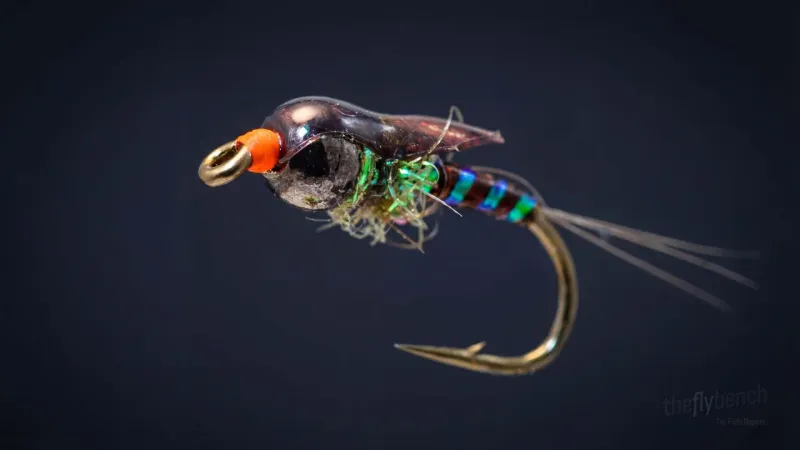
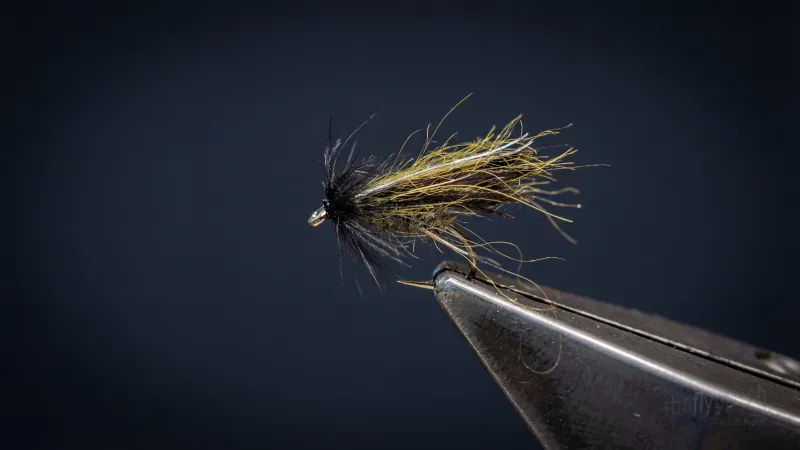
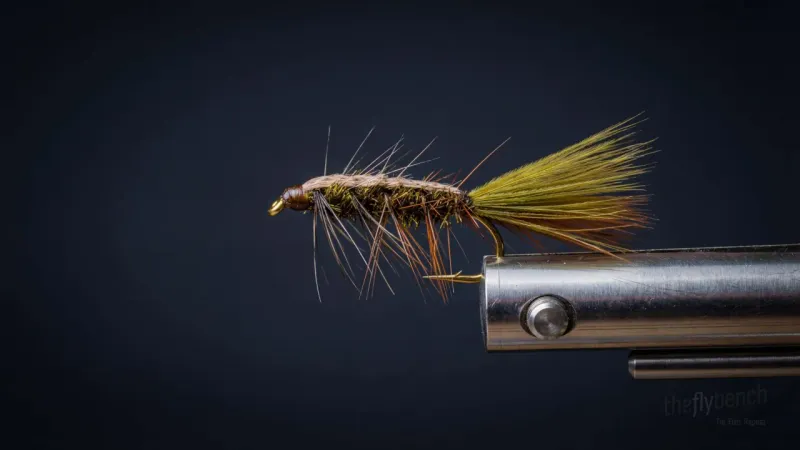
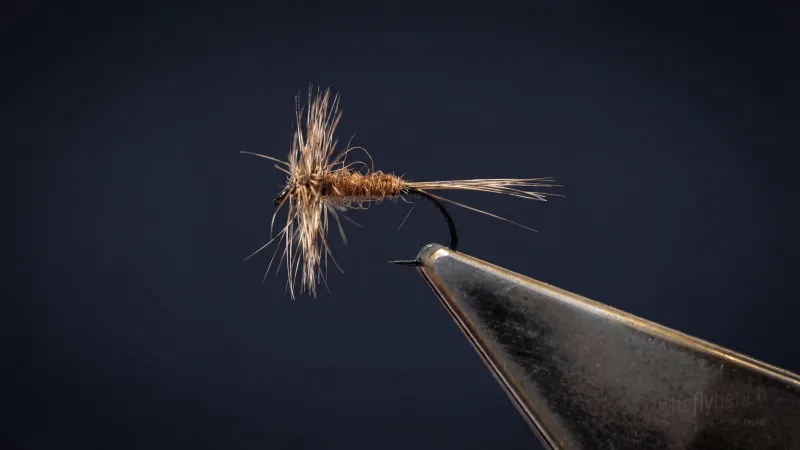
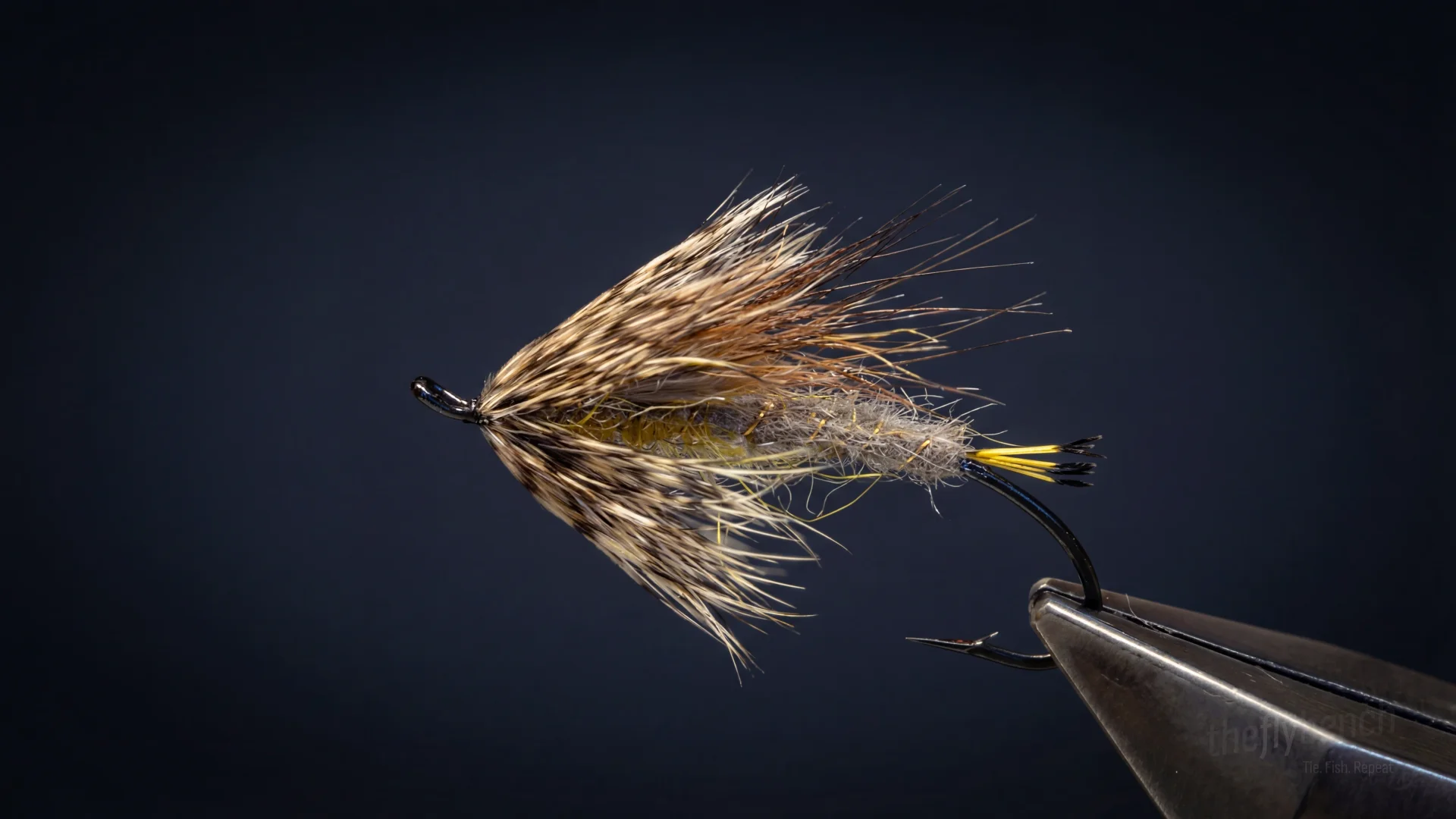
Bob Wyatt's Lumi is a parachute-style pattern that excels in low-light conditions. The white post provides excellent visibility at dawn and dusk while the hackle creates a wide footprint on the surface. Its simple construction and durable materials make it a reliable choice for both mayfly and caddis situations. The pattern's versatility comes from its neutral profile that can represent multiple insects when trout are feeding opportunistically.
Where to Buy This Fly
We only link to fly shops we trust. Some links are referral links, which may earn us a commission at no extra cost to you.
Materials
- Hook:
- Tiemco 202SP #4
- Thread:
- Benecchi 12/0, black
- Rib:
- Round tinsel, fine, gold
- Tail:
- Lady Amherst tippet barbs, dyed golden - tied short
- Abdomen:
- Muskrat underfur
- Thorax:
- Seal's fur, yellow and grey mixed
- Wing:
- Muskrat guard hairs
Behavior & Presentation
Natural Behavior: Adults float on the surface with wings in characteristic positions, often during low-light conditions when their silhouettes stand out. UV materials enhance visibility underwater.
Where Trout Eat It: Fish cruise feeding lanes targeting adults in the upper water column during dawn and dusk.
How to Fish It: Dead drift through prime lies during low-light periods when UV properties enhance effectiveness.
Best Water: Tail-outs, slicks, seams, and foam lines during dawn, dusk, or overcast conditions.
Strike Type: Confident rises with visible takes as fish key on the enhanced silhouette.
Fishing Strategy
Rigging Suggestions: Fish on 9-12 foot leader with 4X-5X tippet. White post allows use as indicator fly in dry-dropper rig while maintaining excellent visibility at dawn and dusk.
Seasonal Timing: Most effective during hatches April through June and activity July through August when water temperatures range 50-65°F. Dawn and dusk periods from 5-8 AM and 6-9 PM maximize the low-light visibility advantage.
Pro Tips: White post provides critical visibility advantage during low-light periods when tracking becomes challenging. The wide hackle footprint creates stable surface position requiring less line management through varied current.
Entomology
Caddisflies emerge during low-light conditions at dawn and dusk, their pale coloration making them highly visible against dark water as they struggle to escape the surface tension. Fish feed actively on these twilight emergers because the reduced light conditions embolden fish to feed near the surface, and the light-colored insects stand out clearly during crepuscular feeding periods when other prey items are harder to see.
- Order
- Trichoptera
- Common Name
- Caddisfly
- Organism Type
- insect
- Life Stage
- adult