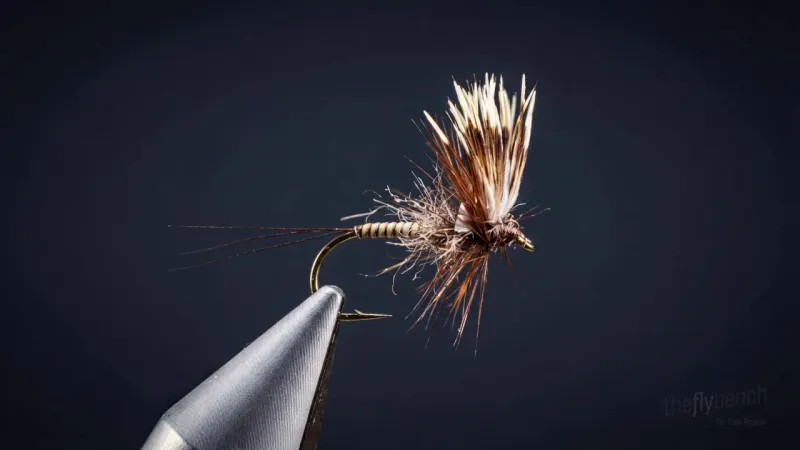
Dry FliesKCK (Kelly's Coho Killer)
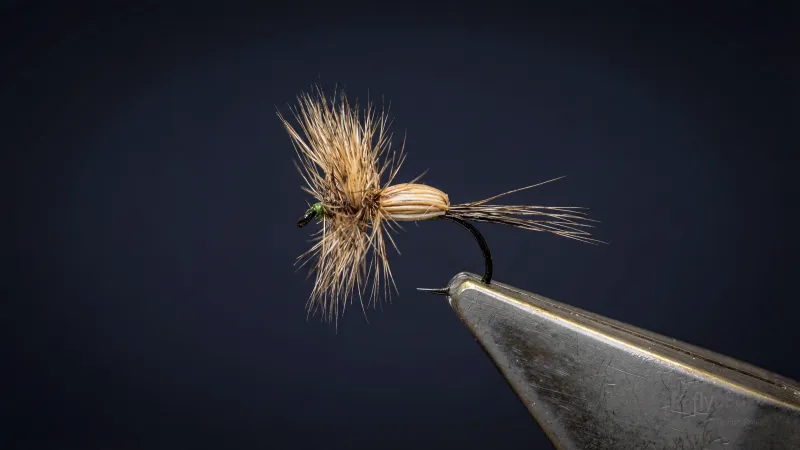
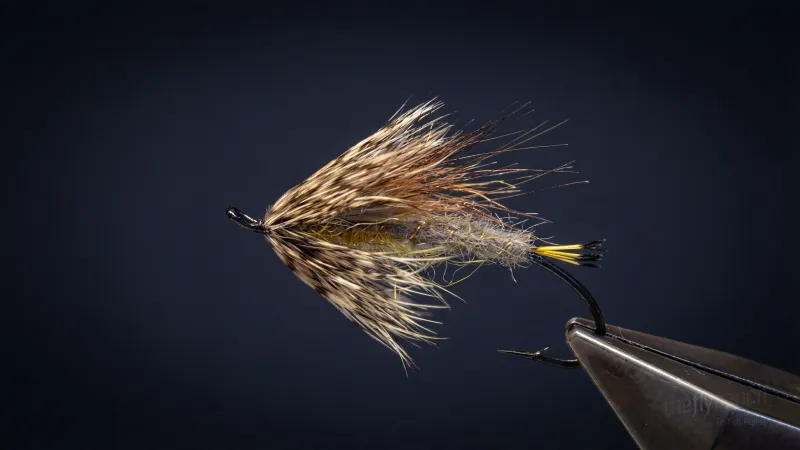
Dry fly pattern designed by Paul Slaney for Pacific Northwest waters. Bright attractant colors and robust construction stand up to aggressive takes from both salmon and trout. Features traditional materials creating a proven presentation in varied water conditions.
Spring, Summer, Fall
Intermediate
Trout
Feb 2026
Overview
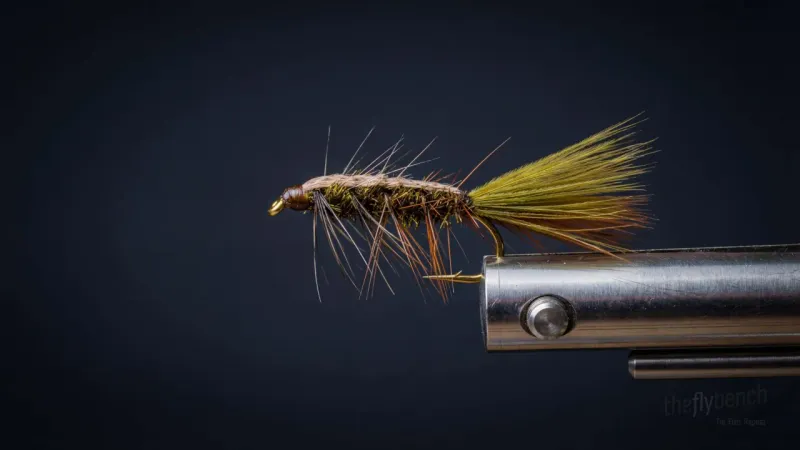
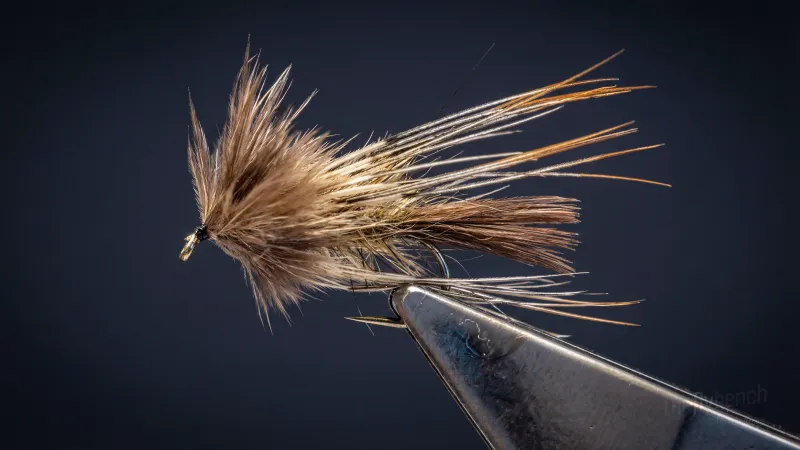
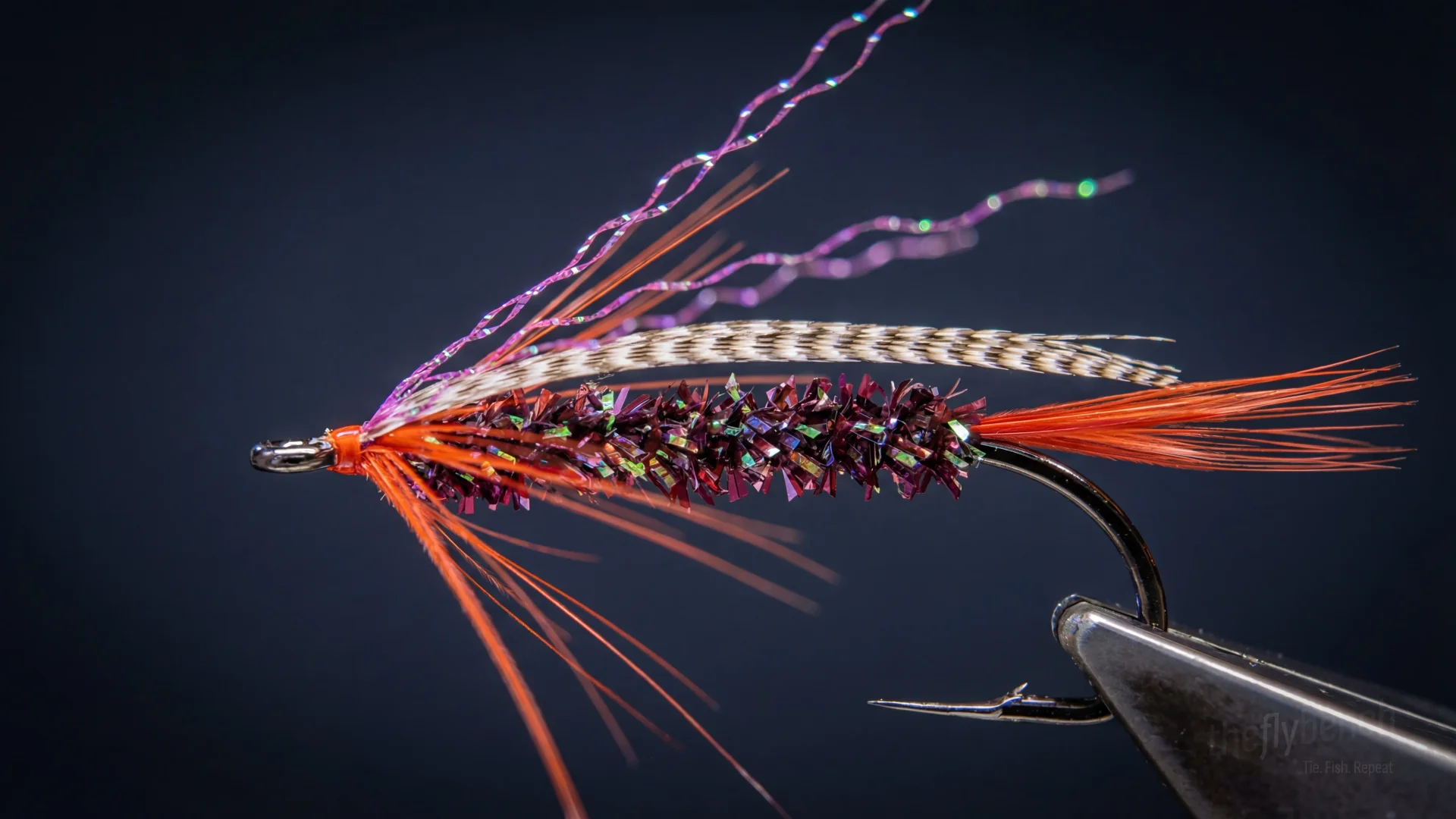
Designed by Paul Slaney in the late 1990s for Pacific Northwest waters targeting salmon, though it has proven effective for trout as well. The pattern features bright attractant colors and robust construction that stands up to aggressive takes. The wing profile and hackle density create substantial surface presence that draws attention in both clear and colored water, making it a versatile searching pattern.
Where to Buy This Fly
We only link to fly shops we trust. Some links are referral links, which may earn us a commission at no extra cost to you.
Materials
- Hook:
- Tiemco 777SP #4
- Thread:
- Danville Flymaster 6/0, hot orange
- Tail:
- Hackle barbs, dyed scarlet - sparse
- Body:
- Plastic chenille, dark claret
- Hackle:
- Hen, dyed scarlet - sparse
- Wing:
- Mallard flank - sparse, hugging body
Behavior & Presentation
Natural Behavior: Caddisflies exhibit distinctive skating behavior when laying eggs in coastal streams, racing across the surface with vibrating wings to disperse egg clusters widely. Fish in anadromous waters target these active insects because the high-energy movements signal abundant food sources, and caddis emergence often coincides with peak feeding periods for resident and migratory species.
Where Trout Eat It: Coho and trout hold in coastal runs where salmon stage during spawning migrations. Fish respond in 3-6 foot depths to bright scarlet and claret colors mimicking egg patterns.
How to Fish It: Use erratic stop-and-go retrieves with jigging action. Cast across and downstream, then strip-pause-strip with rod tip movement.
Best Water: Target Pacific Northwest runs with gravel substrate and foam lines in the Fraser River system.
Strike Type: During the erratic stop-and-go retrieve with jigging action, fish strike aggressively with line-ripping grabs. Expect powerful takes on the strip-pause-strip sequence as the bright scarlet hackle and claret body trigger response strikes.
Fishing Strategy
Rigging Suggestions: Fish on 9-12 foot leader with 4X-5X tippet. Can be used as the lead fly in a dry-dropper rig with a beadhead nymph 18-24 inches below.
Seasonal Timing: Most effective April through October during, and hatches. Peak productivity occurs May-June and September-October when salmon and trout feed aggressively.
Pro Tips: Floats well with proper floatant application. The natural materials provide good visibility without spooking wary fish.
Entomology
Caddisflies exhibit distinctive skating behavior when laying eggs in coastal streams, racing across the surface with wings vibrating rapidly to disperse egg clusters widely. Fish in anadromous waters target these active insects because the high-energy movements signal abundant food sources, and caddis emergence often coincides with peak feeding periods for resident and migratory species.
- Order
- Trichoptera
- Common Name
- Caddisfly
- Organism Type
- insect
- Life Stage
- adult