Dry FliesIris Caddis
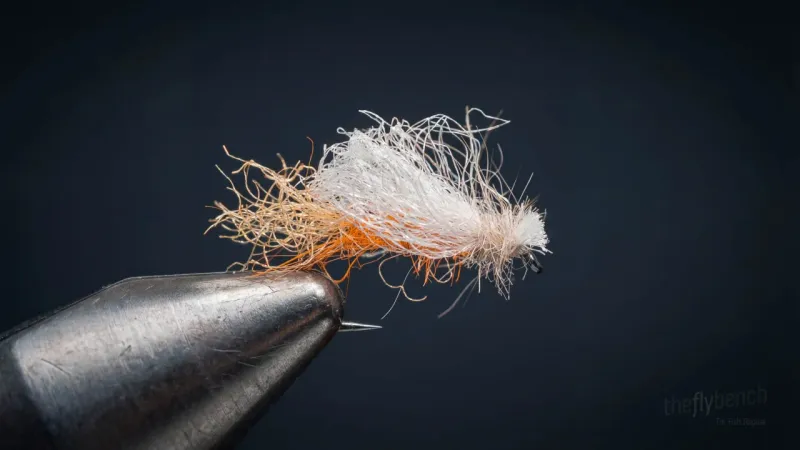
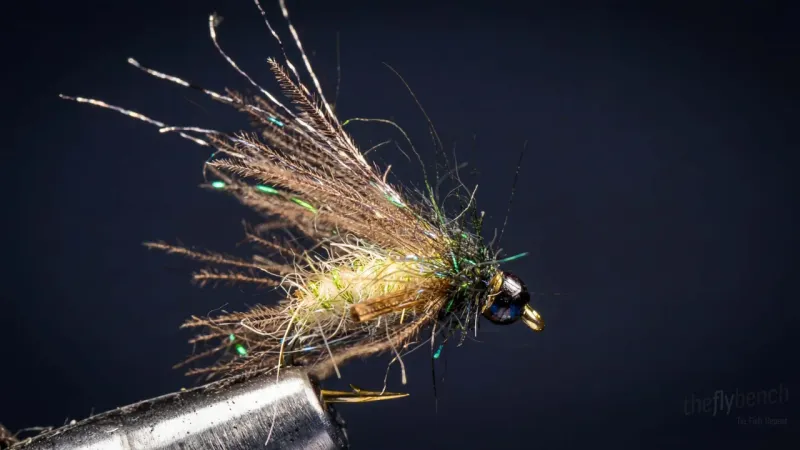
The Iris Caddis is a brilliant emerger pattern that replicates the natural insect's shuck-splitting emergence. Its shuck-trailing, low-floating profile is an effective match for caddis hatches.
Spring, Summer
Intermediate
Trout
Apr 2025
Overview
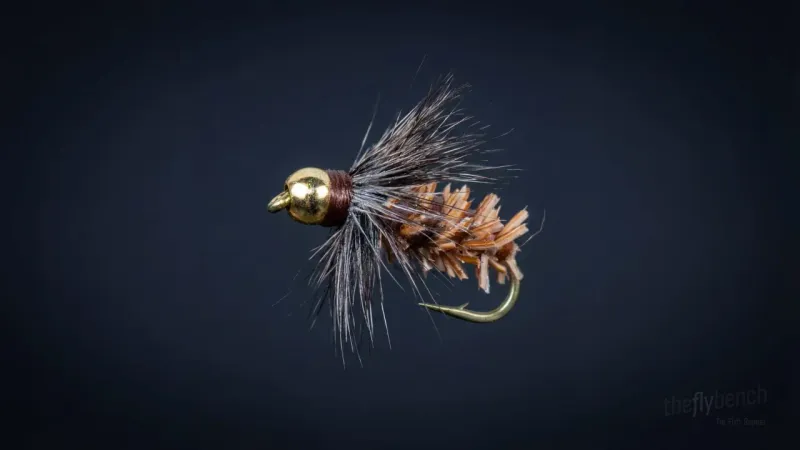
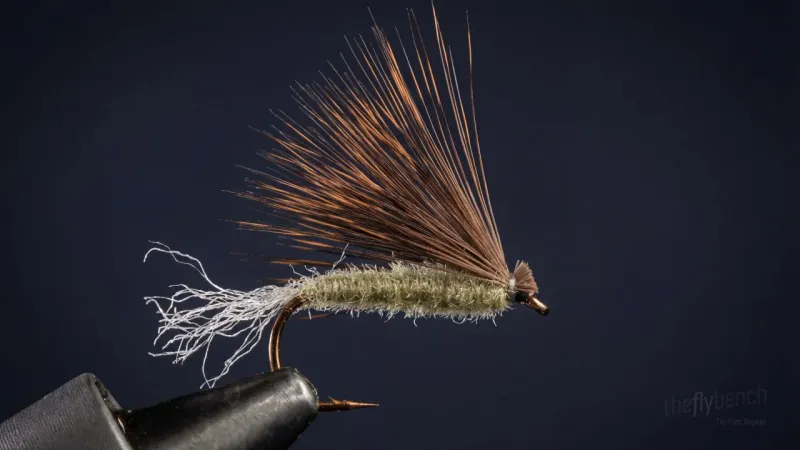
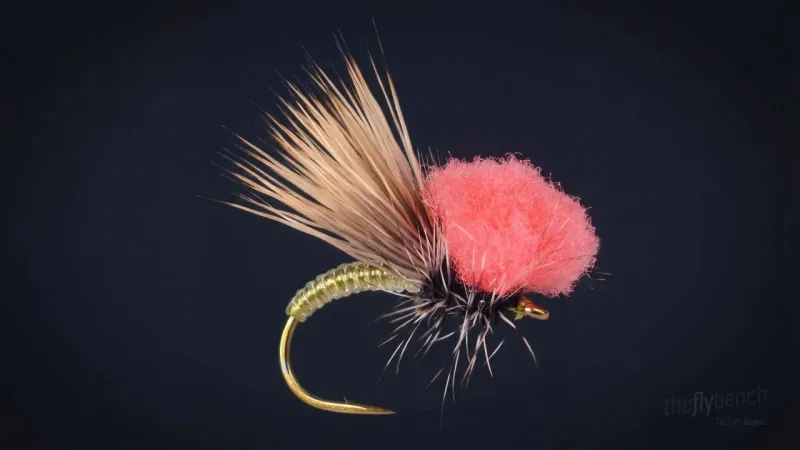
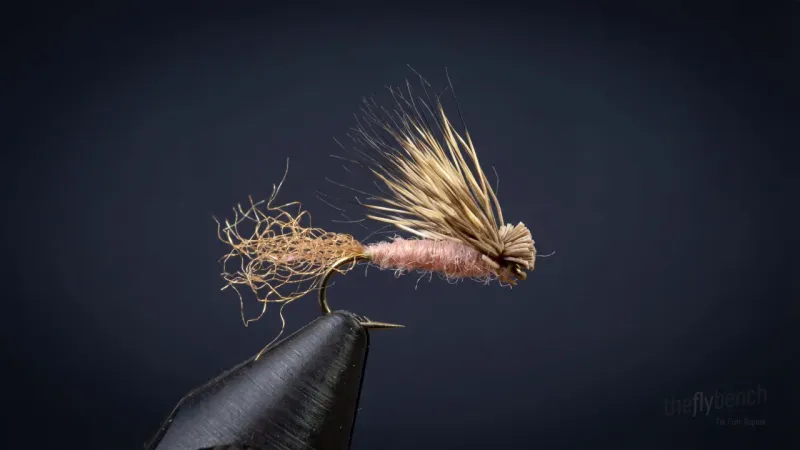
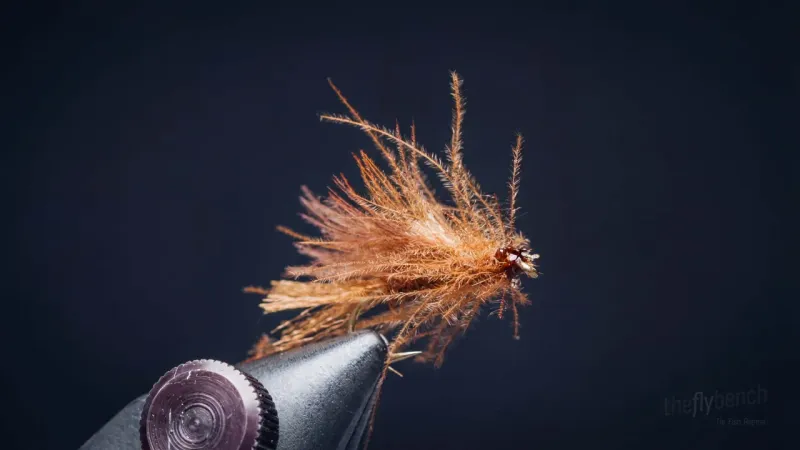
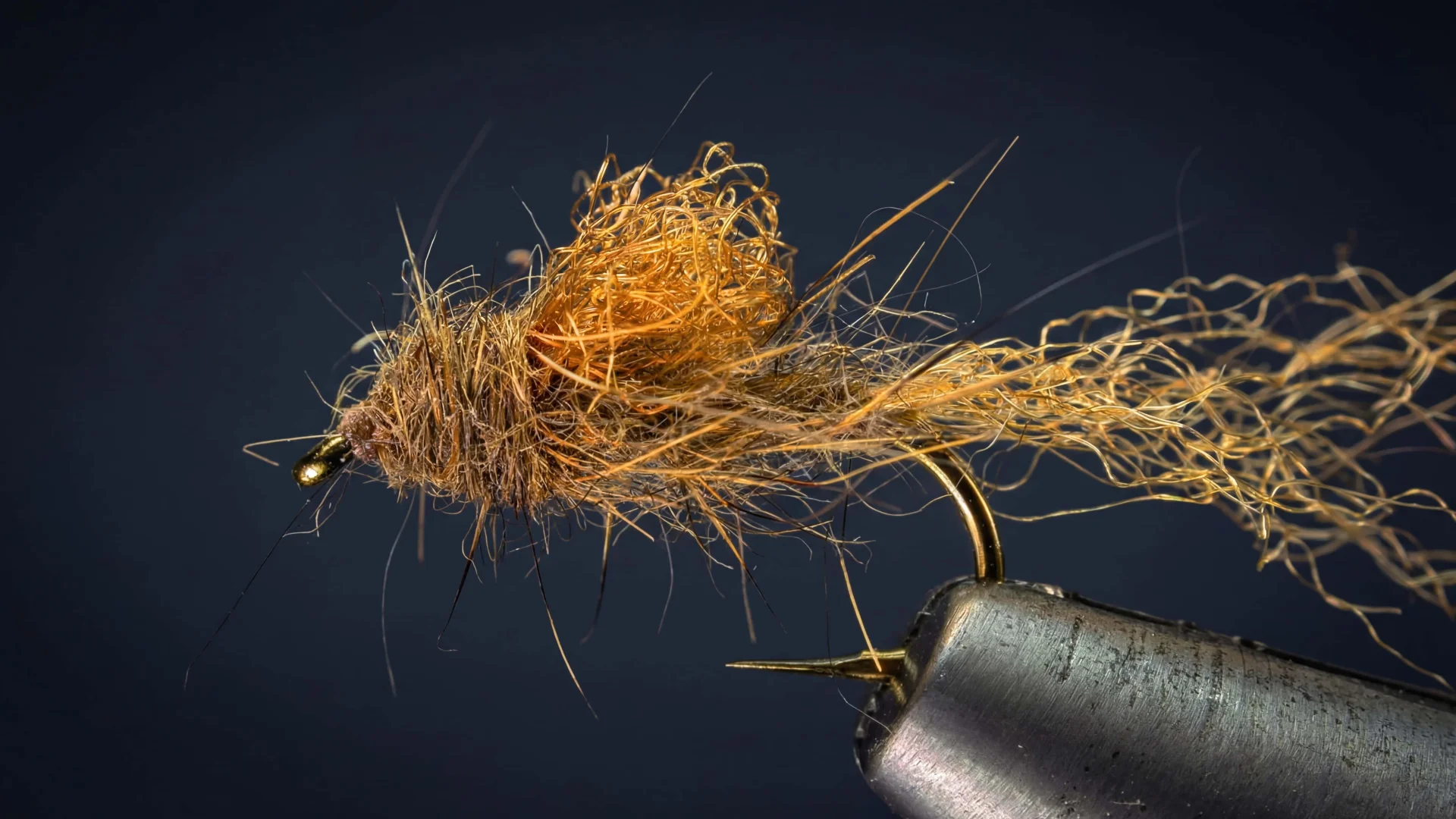
A soft hackle-style caddis emerger featuring a dubbed body, sparse CDC or partridge collar, and a trailing shuck of Antron or Zelon. The signature iris is a flash of UV dubbing or yarn behind the head to imitate the emerging wing.
Where to Buy This Fly
We only link to fly shops we trust. Some links are referral links, which may earn us a commission at no extra cost to you.
Materials
- Hook:
- Tiemco 100, sizes 14-18.
- Thread:
- 6/0, olive.
- Shuck:
- Amber Zelon.
- Body:
- Rabbit-Zelon dubbing mix, Tan or olive.
- Wing:
- Clear Crinkled Zelon loop.
- Thorax:
- Hare's-ear dubbing.
Behavior & Presentation
Natural Behavior: Caddis pupae breaking through the meniscus hang momentarily with their pupal shucks trailing below while adult wings begin to unfurl above, creating a split-level profile visible to subsurface and surface-feeding fish alike. This transitional moment where the insect straddles two worlds lasts only seconds but represents peak vulnerability during the emergence sequence.
Where Trout Eat It: Fish target this suspended in the meniscus during early morning and late evening emergence periods. Caddis pupae drift vulnerably while working to free themselves from pupal shucks in slow glides.
How to Fish It: Dead drift right in surface film during emergence periods. Can add subtle twitches in slower water to mimic struggling emergers preparing to pop into the air.
Best Water: Fish slow glides with smooth surfaces, back eddies where emergers collect, and flat tailout sections of freestone streams.
Strike Type: Detect takes through gentle dimples or swirls as trout intercept the hanging emerger in the meniscus, strikes often coming with a soft sucking sound during evening emergence periods.
Fishing Strategy
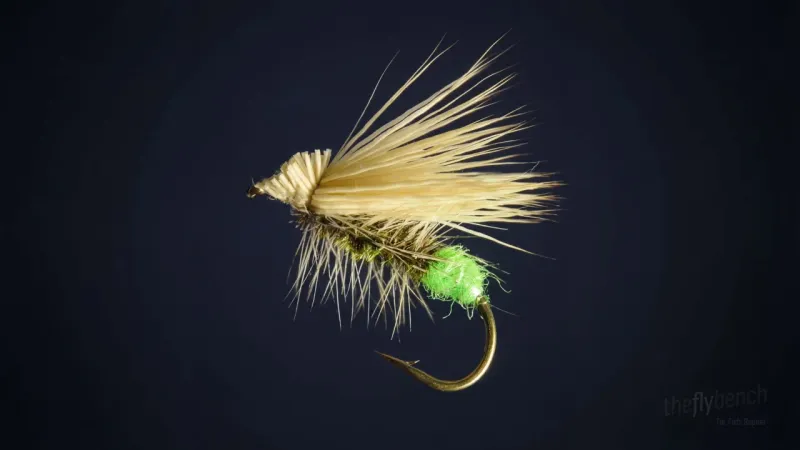
Rigging Suggestions: Use 9-12 foot leaders tapered to 5X or 6X tippet. Fish as dropper 18-24 inches below buoyant dry fly like Elk Hair Caddis.
Seasonal Timing: Prime time is late April through August during major caddis emergences, particularly effective on overcast days and during evening hatches when water temperatures reach 50-60°F.
Pro Tips: The low-floating profile and trailing shuck perfectly imitate the vulnerable emerger stage. When fish refuse high-riding adults, switch to this pattern for selective feeders.
Entomology
Caddis pupae cut free from their larval cases and swim actively toward the surface using synchronized leg movements, becoming momentarily trapped in the meniscus as they struggle to break through and transform. This vulnerable stage where the insect is neither fully aquatic nor airborne provides fish with an extended feeding window on a high-energy food source.
- Order
- Trichoptera
- Common Name
- Caddisfly
- Organism Type
- insect
- Life Stage
- emerger