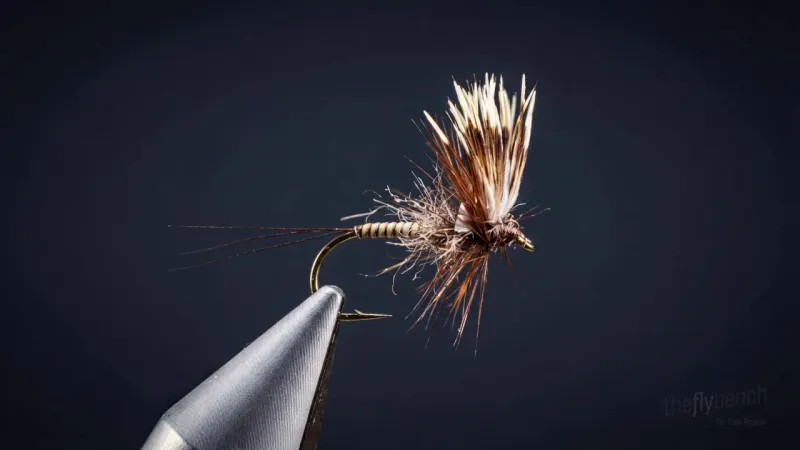
Dry FliesSparrow
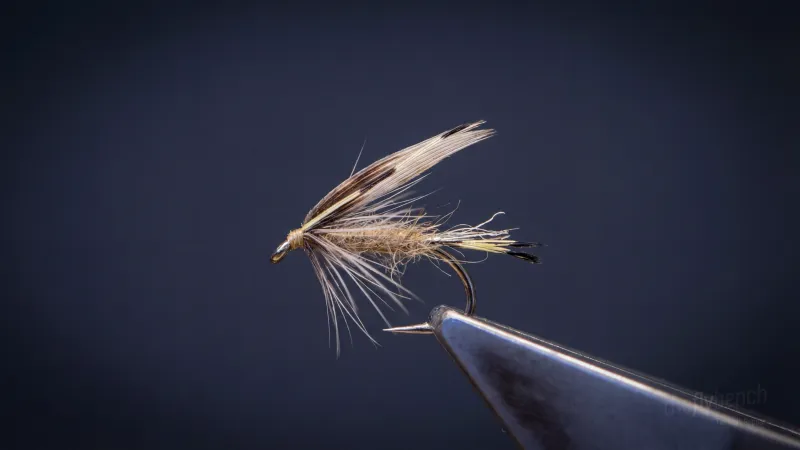
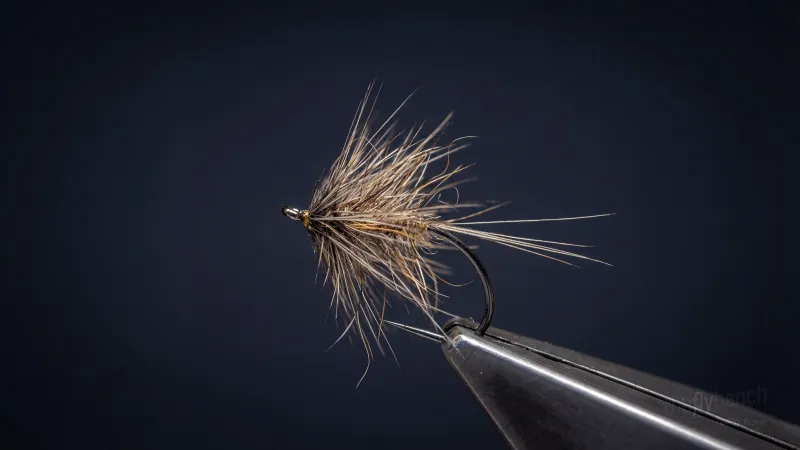
The Sparrow is a dry fly pattern designed by Kevin Kresowaty. This effective pattern combines traditional materials with proven techniques for consistent results in a variety of water conditions.
Spring, Summer, Fall
Intermediate
Trout
Feb 2026
Overview
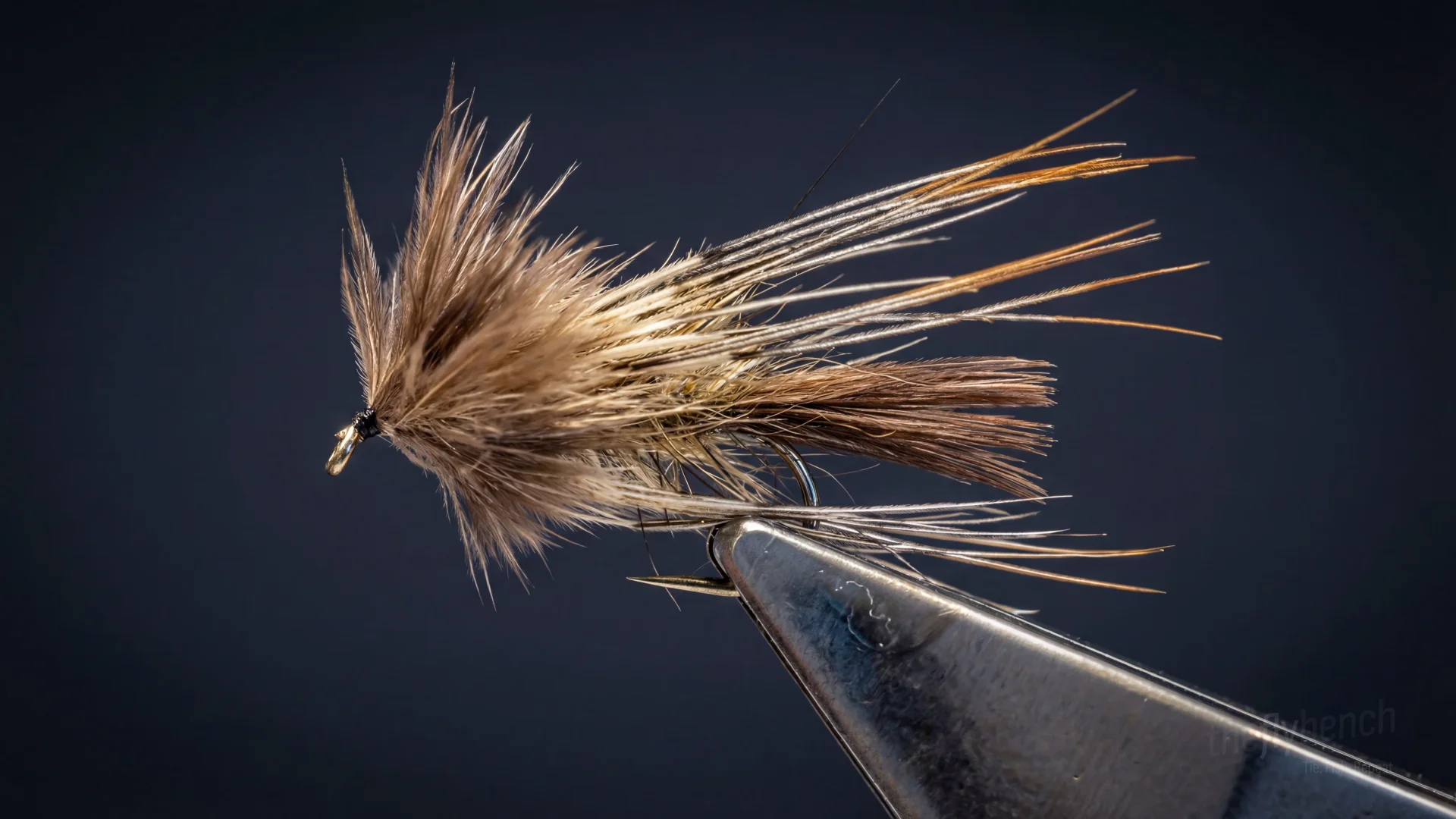
Kevin Kresowaty's pattern uses natural brown and gray materials that suggest a variety of common aquatic insects. The muted sparrow-like coloration works well in diverse water conditions and matches multiple food sources. Dubbed body provides good flotation while quality hackle creates a natural footprint on the water. The neutral tones reduce spooking of wary fish in clear water. This searching pattern excels when specific hatch matching isn't required or during complex multiple hatches.
Where to Buy This Fly
We only link to fly shops we trust. Some links are referral links, which may earn us a commission at no extra cost to you.
Materials
- Hook:
- 2X or 3X long
- Thread:
- 8/0 UNI Rusty Dun
- Tail:
- Wild turkey marabou. Gives a nicely mottled appearance. Also chickabou, grizzly marabou, etc.
- Body:
- Dubbing. Good colors are olive, tan, hare’s ear, etc. On this one I’ve used CBS (Canadian Brown Seal) dubbing.
- Hackle:
- Cock ringneck pheasant rump hackle. Folded, 1 turn.
- Collar:
- Pheasant aftershaft feather, wrapped as hackle…carefully!
Behavior & Presentation
Natural Behavior: Trout cruise feeding lanes looking for resting adults floating between egg-laying flights. Anglers dead drift caddis adults because these substantial insects provide high-calorie meals that fish consume opportunistically.
Where Trout Eat It: Fish intercept resting caddis from the surface film in moderate riffles, runs, pool tail-outs, foam lines, and current seams.
How to Fish It: Cast upstream with drag-free drift. Add occasional subtle twitches to imitate caddis movement or struggling adults adjusting position on surface.
Best Water: Target moderate riffles, runs, pool tail-outs, foam lines, current seams, and structure breaks where diverse hatches concentrate feeding activity.
Strike Type: Watch for visible rises, splashy eats, or subtle sips as fish respond to resting and drifting caddis adults.
Fishing Strategy
Rigging Suggestions: Fish on a 9-12 foot leader tapered to 4X or 5X tippet. Use gel floatant on the body and hackle to maintain flotation throughout the day.
Seasonal Timing: Produces best results May through September during mixed mayfly and caddis hatches, particularly effective during overcast conditions when multiple insects are active.
Pro Tips: This generic pattern's versatility makes it excellent for prospecting when no specific hatch is evident. Keep it high and dry for best visibility.
Entomology
Adult caddis rest on the water's surface after long flight periods, sitting with wings folded tent-like over their bodies. Fish consume these resting adults opportunistically, recognizing them as substantial protein packages that float predictably in feeding lanes.
- Order
- Trichoptera
- Common Name
- Caddisfly
- Organism Type
- insect
- Life Stage
- adult