Dry FliesClown Shoe Caddis
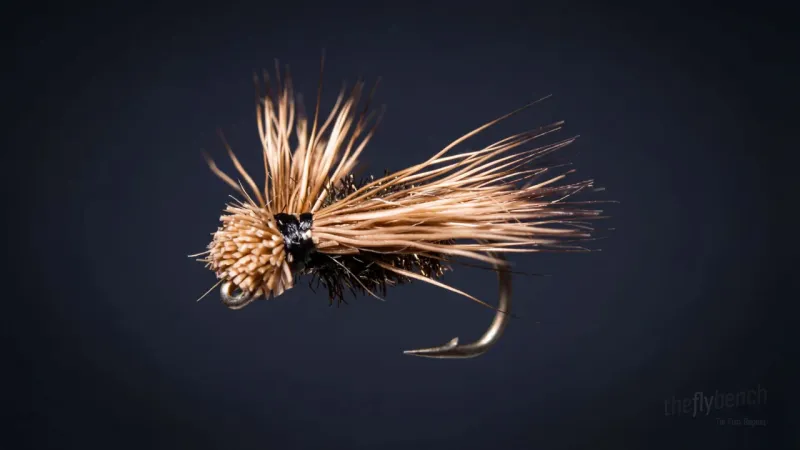
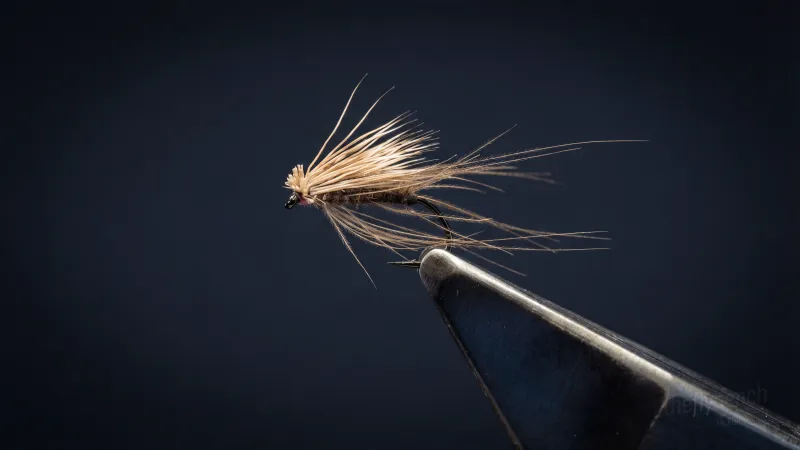
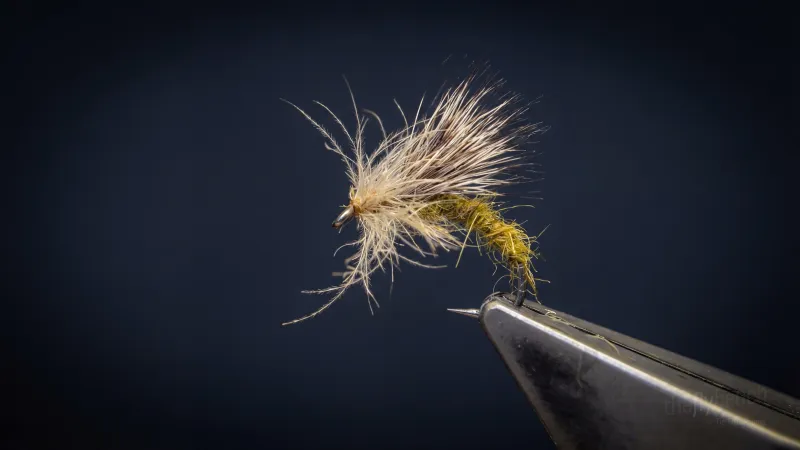
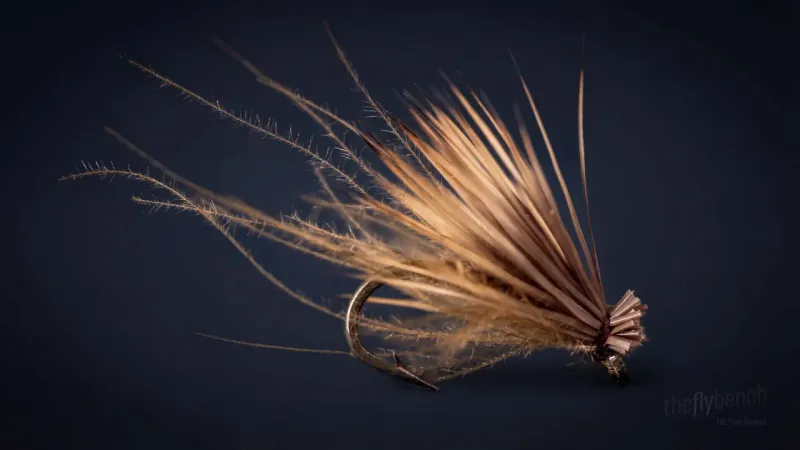
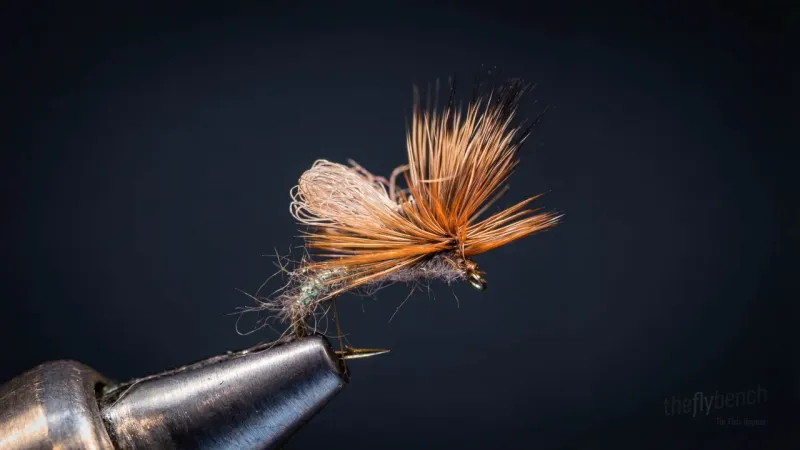
The Clown Shoe Caddis is an attractor dry fly pattern known for its oversized foam indicator. The pattern imitates a caddisfly, a common food source for trout, and its bright indicator makes it highly visible in different conditions.
Spring, Summer, Fall
Intermediate
Trout
Apr 2025
Overview
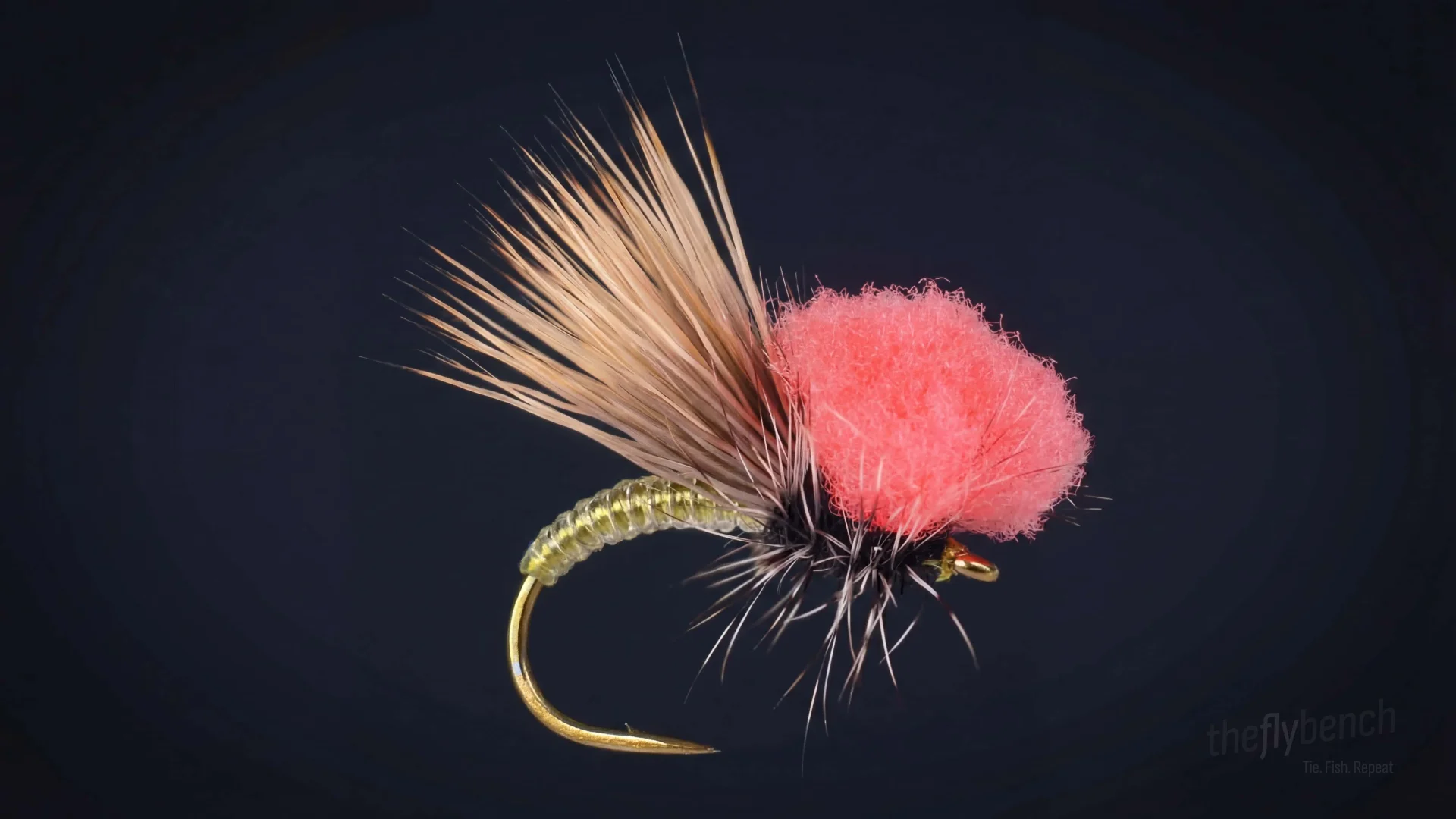
Tied on a dry fly hook with a foam indicator post, dubbed body, and deer or elk hair wing, the Clown Shoe Caddis offers high floatation. The foam and bright spot improve visibility, making it a reliable dry-dropper lead.
Where to Buy This Fly
We only link to fly shops we trust. Some links are referral links, which may earn us a commission at no extra cost to you.
Materials
- Hook:
- Tiemco 100, Size #12–#16
- Thread:
- Tan UTC 70 denier
- Body:
- Olive Superfine dubbing
- Wing:
- Elk hair, tied bullet style
- Head:
- Bright orange foam
- Hackle:
- Grizzly
Behavior & Presentation
Natural Behavior: Egg-laying caddisflies bounce erratically across riffle surfaces in rapid touch-and-go patterns, depositing eggs with each contact while maintaining flight readiness. This skittering, unpredictable surface behavior creates distinctive V-wakes and splash rings that draw aggressive strikes from trout positioned in feeding lanes below.
Where Trout Eat It: Fish rise to this pattern in broken water and fast runs where caddis are active. The bright orange foam post makes it visible in rough conditions while the proportionally large elk hair wing provides exceptional flotation for carrying heavy droppers.
How to Fish It: Fish as dry-dropper workhorse suspending heavy nymphs 18 inches off hook bend. Allow the abdomen to sit in water for realistic profile while wing stays visible. The McFly foam post and elk hair wing keep it floating even with weight below.
Best Water: Work broken water, fast runs, and riffle edges where visibility is critical. Target pocket water where the pattern must stay afloat in turbulent current.
Strike Type: Splashy strikes or aggressive takes happen in broken water—the bright post shows every hit clearly.
Fishing Strategy
Rigging Suggestions: Use a 9ft leader with a 5x tippet for best results.
Seasonal Timing: This pattern is effective during the and seasons when caddisflies are active. Use this pattern when you see caddisflies hatching or when trout are feeding on the surface.
Pro Tips: The bright orange foam indicator makes this fly highly visible in different conditions, and it also helps the fly to float high on the water surface.
Entomology
Adult caddisflies return to the water surface to deposit eggs, often in rapid fluttering motions that create surface disturbance and attract feeding trout. They are most active during late afternoon through evening hatches, bouncing and skittering across the water as they lay eggs. Fish target these adults because their erratic surface behavior makes them highly visible and vulnerable during the critical egg-laying phase.
- Order
- Trichoptera
- Common Name
- Caddisfly
- Organism Type
- insect
- Life Stage
- adult