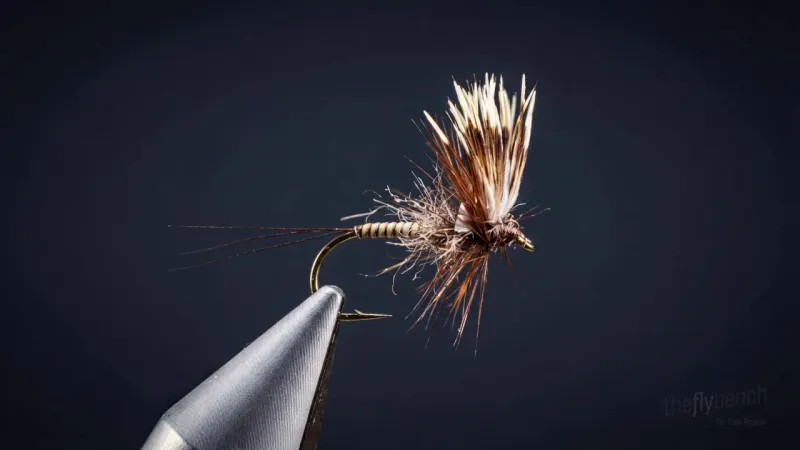
Dry FliesTunkwanamid
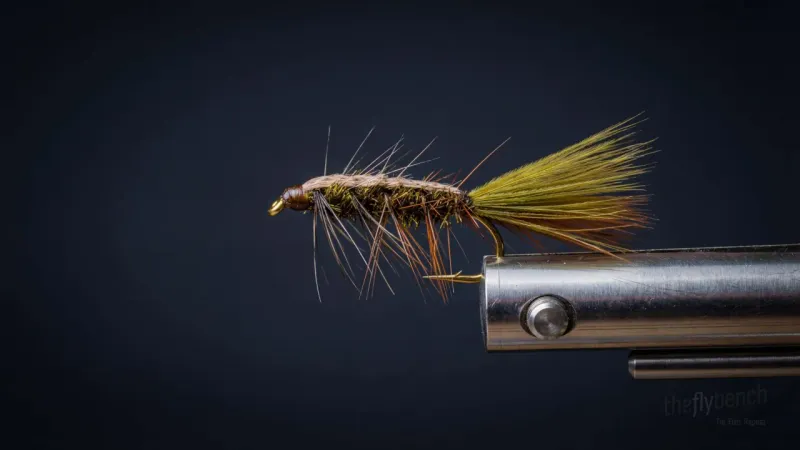
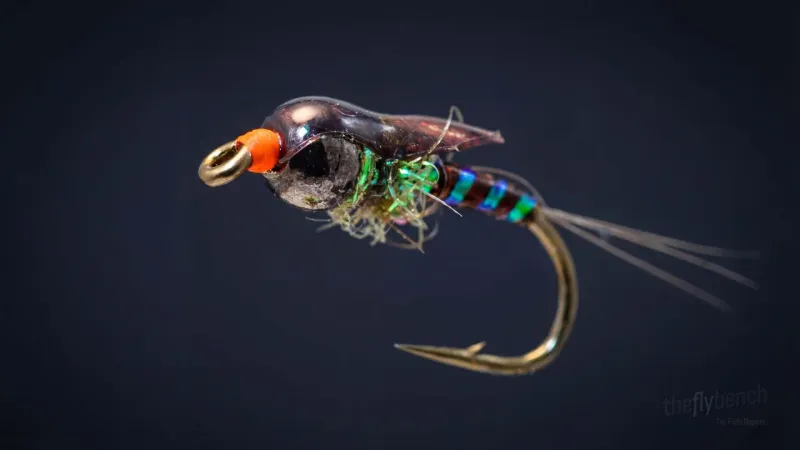
Michel Lemieux designed this pattern specifically for British Columbia's productive stillwaters, particularly Tunkwa Lake. Features slender profile with subtle flash mimicking the region's chironomid populations. Materials create natural descent rate when fished under indicator, and color scheme matches olive and black tones common in BC lake systems.
Spring, Summer, Fall
Intermediate
Trout
Feb 2026
Overview
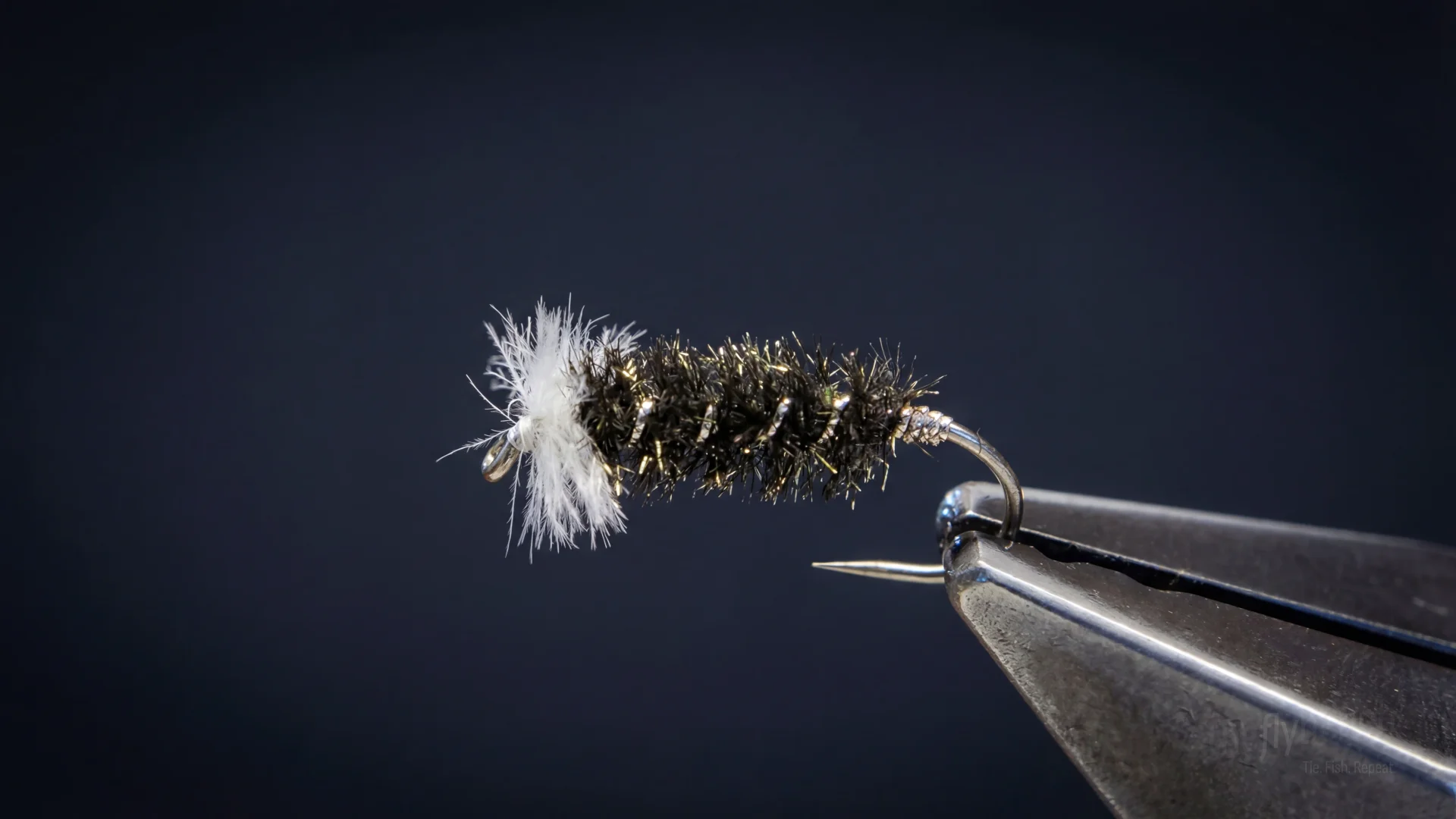
Michel Lemieux designed this pattern specifically for British Columbia's productive stillwaters, particularly Tunkwa Lake. The pattern features a slender profile with subtle flash that mimics the region's chironomid populations. The materials create a natural descent rate when fished under an indicator, and the color scheme matches the olive and black tones common in BC lake systems. Highly effective during spring and fall midge emergences.
Where to Buy This Fly
We only link to fly shops we trust. Some links are referral links, which may earn us a commission at no extra cost to you.
Materials
- Hook:
- Partridge BIN #10 (#4-#12)
- Thread:
- Gudebrod 8/0, white
- Body:
- Peacock herl
Behavior & Presentation
Natural Behavior: Chironomid pupae ascend slowly through lake water columns in rhythmic pulses, their slender bodies creating subtle flash as they rise toward the surface film during emergence periods. Fish track these ascending targets from below, timing their interceptions precisely.
Where Trout Eat It: Cruising fish patrol mid-depths and shoals in BC lakes, focusing on the 4-15 foot zone where ascending chironomids concentrate during emergence pulses. Depth selection follows surface temperature triggers.
How to Fish It: Suspend the pattern under an indicator at observed feeding depth, allowing natural micro-currents to create subtle movement mimicking the rhythmic ascent of emerging pupae.
Best Water: Focus on drop-offs transitioning to shoals, weed edges where chironomids concentrate, and channels where lake currents funnel ascending insects into predictable interception zones.
Strike Type: Takes appear as subtle indicator twitches or slow draws as cruising fish sip ascending pupae confidently during the measured rise to emergence.
Fishing Strategy
Rigging Suggestions: Fish on 15-20 foot leader with 4X-5X tippet under indicator. Position 4-15 feet deep based on observation of feeding depth and emergence activity in BC lakes.
Seasonal Timing: Most effective during midge emergences April through June and activity September through October when water temperatures range 45-58°F. BC lake chironomid hatches peak mid-morning through afternoon when surface temperatures trigger emergence.
Pro Tips: Subtle flash mimics natural chironomid pupae without spooking selective lake trout. The olive and black color scheme matches dominant chironomid species in BC lake systems during spring and fall emergence periods.
Entomology
In high-elevation lakes, caddis emergences occur in brief, intense pulses triggered by specific temperature and light conditions. Fish learn to anticipate these narrow windows, positioning themselves for aggressive surface feeding during the concentrated hatch periods.
- Order
- Trichoptera
- Common Name
- Caddisfly
- Organism Type
- insect
- Life Stage
- adult