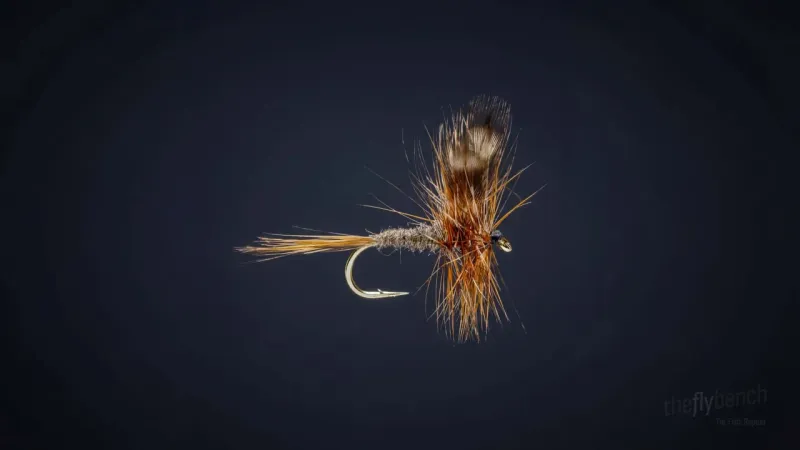
Midge / EmergersSmoky Emerger
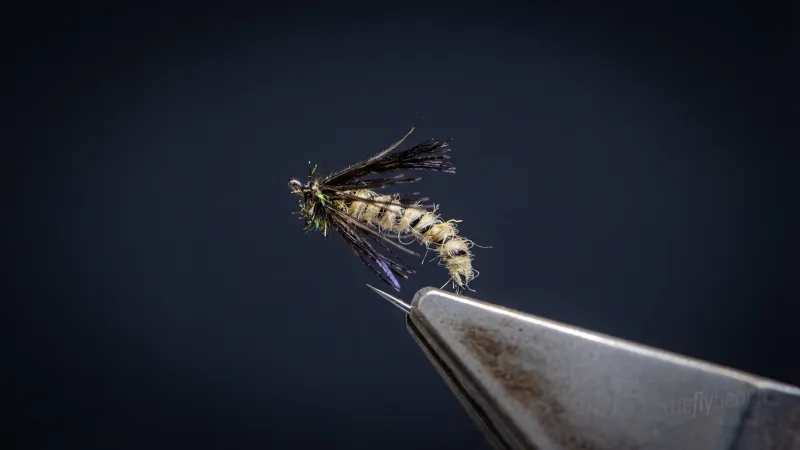
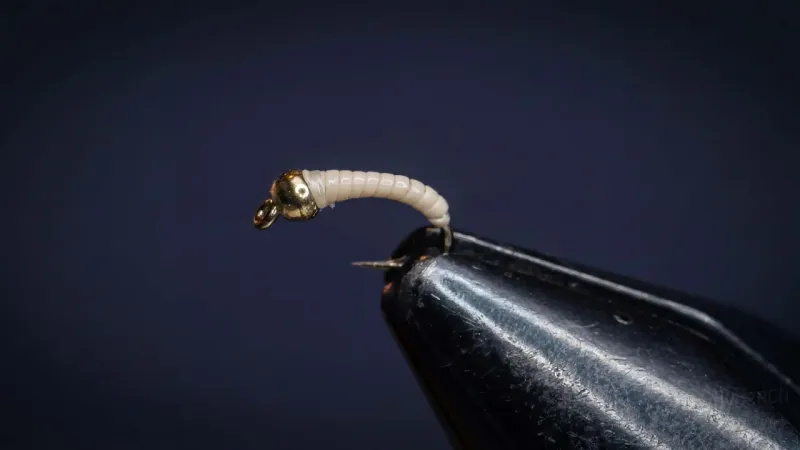
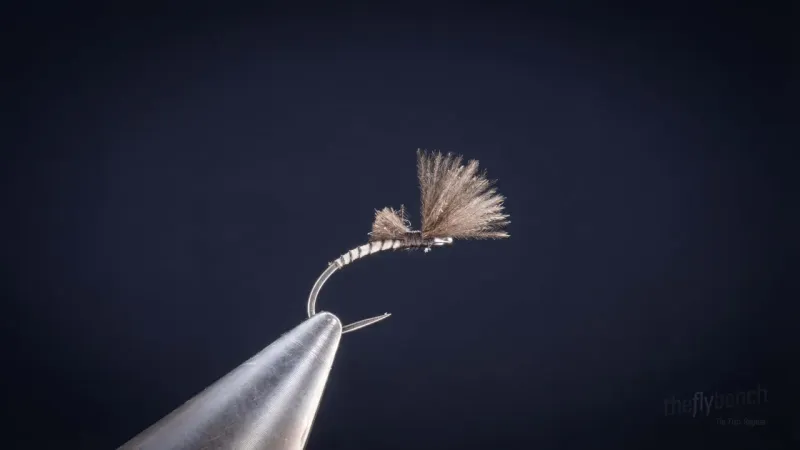
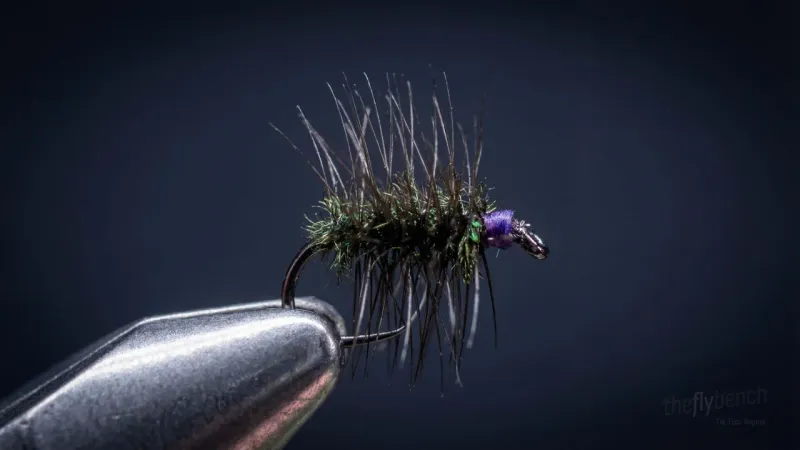
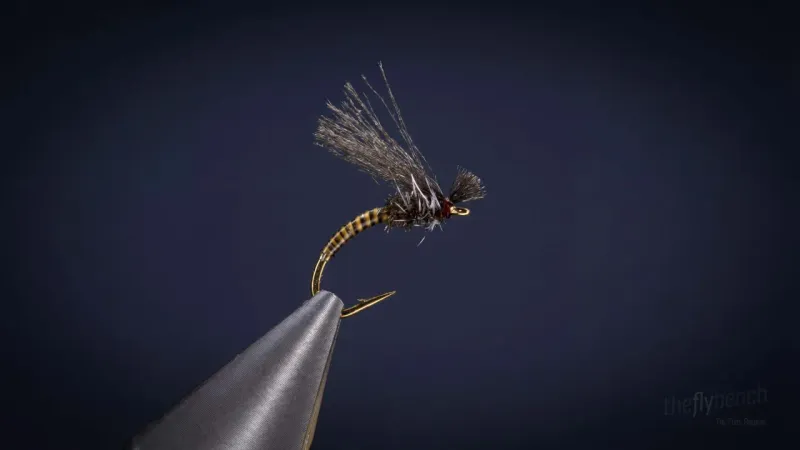
The Smoky Emerger is a midge emerger pattern designed by Arthur Greenwood. This effective pattern works well in a variety of water conditions and is tied with traditional materials for a proven presentation.
Spring, Summer, Fall
Intermediate
Trout
Feb 2026
Overview
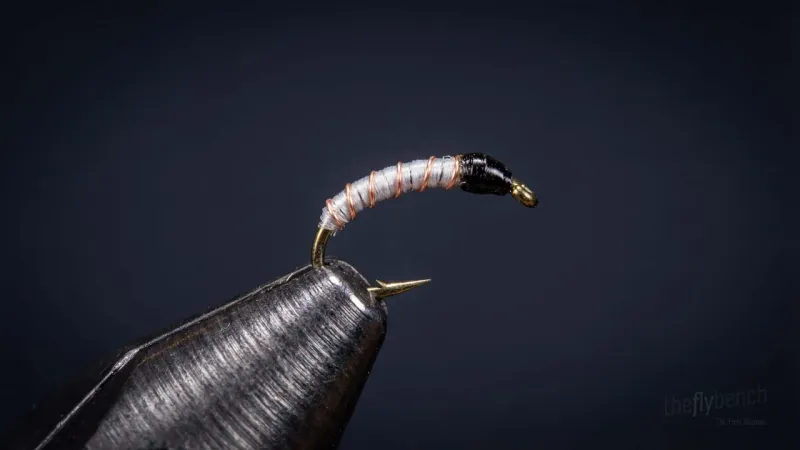
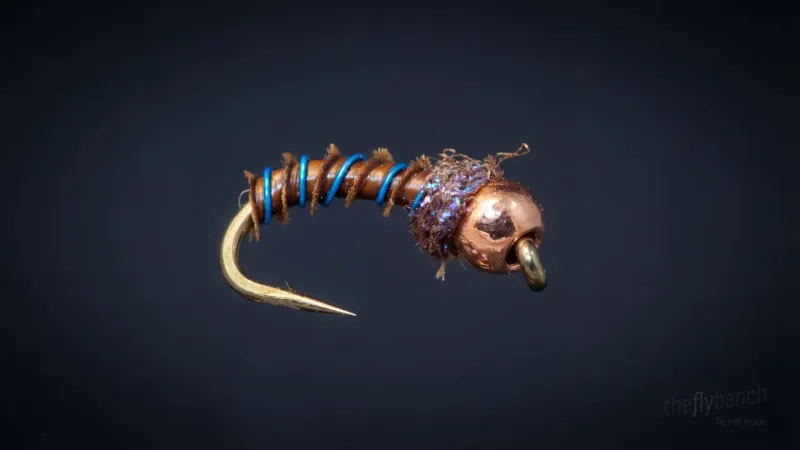
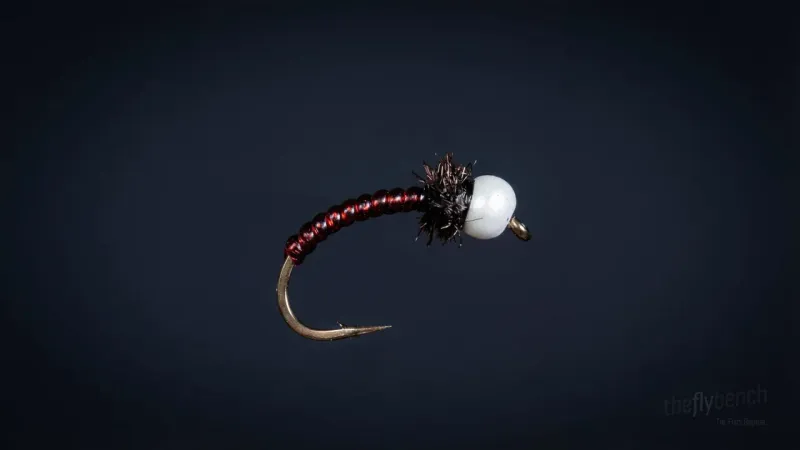
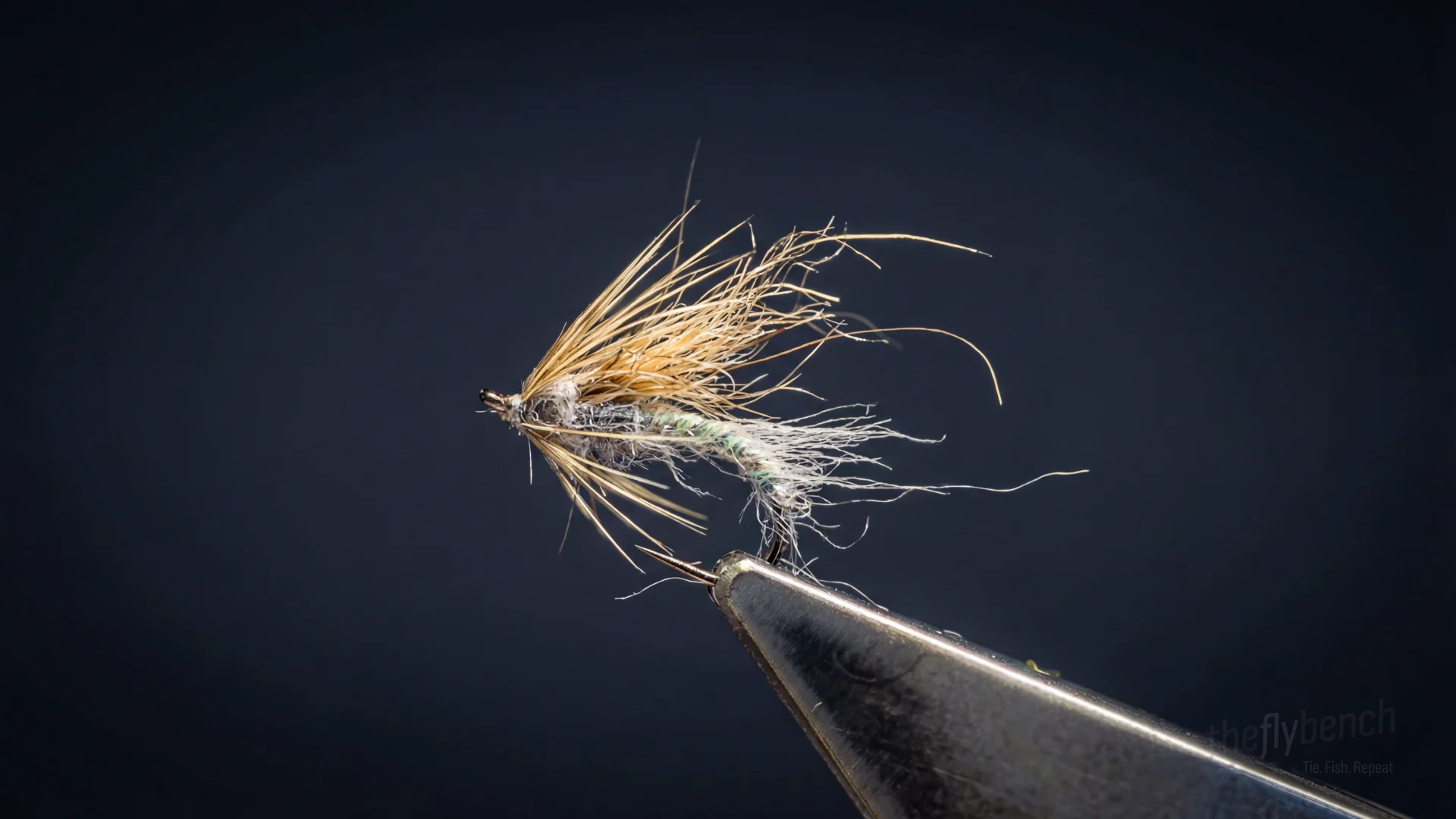
Arthur Greenwood's pattern captures the delicate transition phase of emerging midges. The dubbed body creates a translucent appearance similar to natural midge pupae while the sparse hackle suggests legs and gills. The pattern's low profile allows it to sit in or just below the surface film where trout target vulnerable emergers. Thread ribbing adds subtle segmentation and durability. Particularly effective in slower currents and tailwaters during winter midge hatches.
Where to Buy This Fly
We only link to fly shops we trust. Some links are referral links, which may earn us a commission at no extra cost to you.
Materials
- Hook:
- Grip 14723BL #14
- Thread:
- Benecchi 12/0, grey
- Collar:
- Whiting Brahma hen barbs, mottled
- Rib:
- Krystal Flash, opal - doubled to form a loop - smoky grey mink inserted, twisted
- Material
- Rear
- Thorax:
- Rabbit, dark grey
- Wing:
- Snowshoe hare, natural
- Material
- Front
Behavior & Presentation
Natural Behavior: Pupae swim upward through the water column in labored movements, struggling to break surface tension for transformation. Anglers target ascending stages because this vulnerable journey and subsequent emergence struggle provide concentrated meals for selective feeders.
Where Trout Eat It: Fish intercept ascending pupae throughout the water column and in the surface film across freestone streams, tailwaters, and calm lake water.
How to Fish It: Dead drift at varied depths adjusting for feeding zone. The emerging profile works from mid-column to film as pupae make their vulnerable ascent.
Best Water: Target tail-outs, flats, slicks, foam lines, eddies, and slow pools where midges emerge and fish feed selectively on suspended pupae.
Strike Type: Look for subtle sips in the film where indicators barely move. Takes are often soft and require focused attention.
Fishing Strategy
Rigging Suggestions: Fish on 9-12 foot leader with 4X-5X tippet. Add weight as needed to achieve proper depth. Can be fished under an indicator or with a tight-line technique.
Seasonal Timing: Effective during peak feeding periods when water temperatures and conditions support active feeding behavior.
Pro Tips: Sinks at a moderate rate depending on hook weight. The natural materials blend well with the aquatic environment.
Entomology
Midge pupae ascend through the water column in a slow, labored swim toward the surface where they must break through surface tension to transform into adults. During this vulnerable ascent and the subsequent struggle to emerge, fish intercept them as easy, concentrated meals.
- Order
- Diptera
- Family
- Chironomidae
- Common Name
- Midge
- Organism Type
- insect
- Life Stage
- general