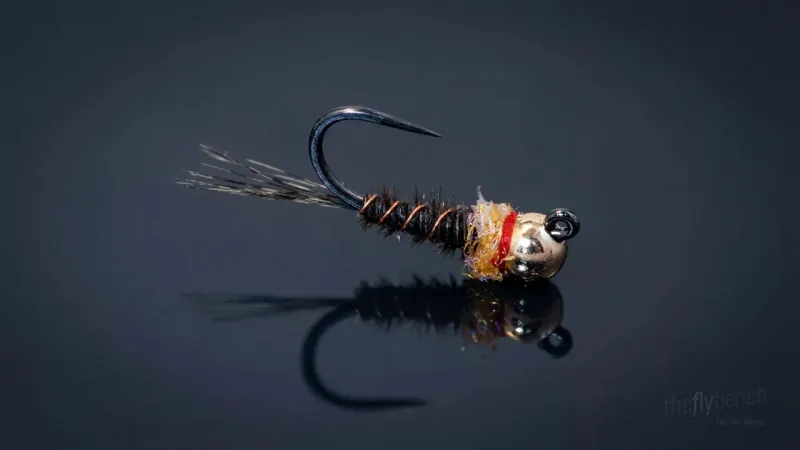
Scud / ShrimpJig Tailwater Sow Bug
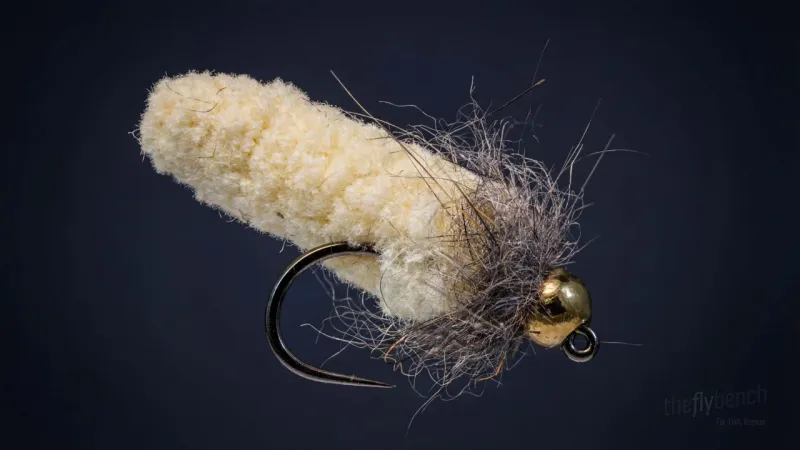
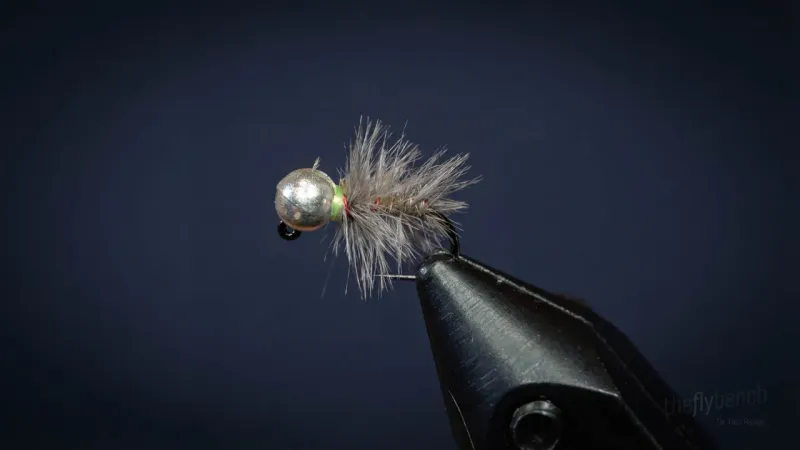
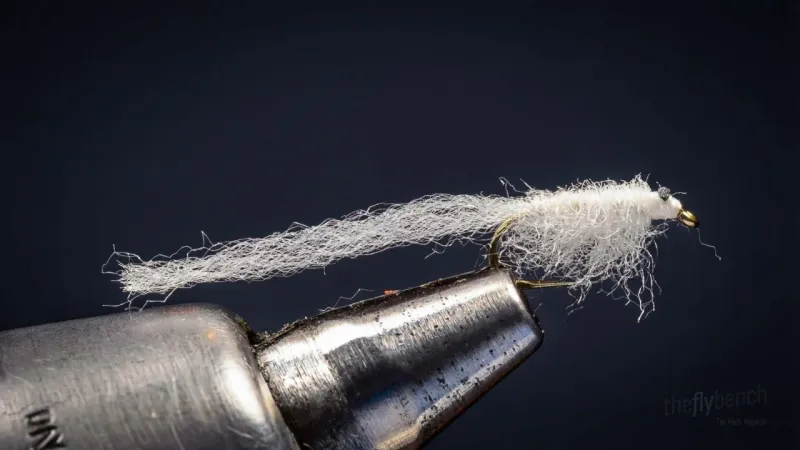
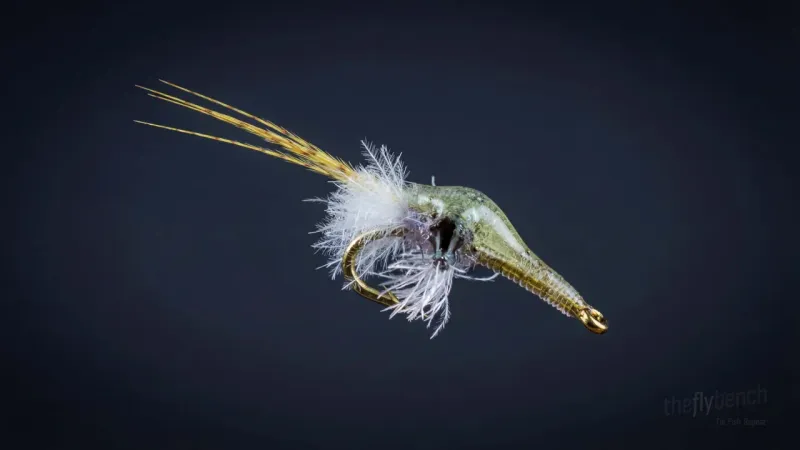
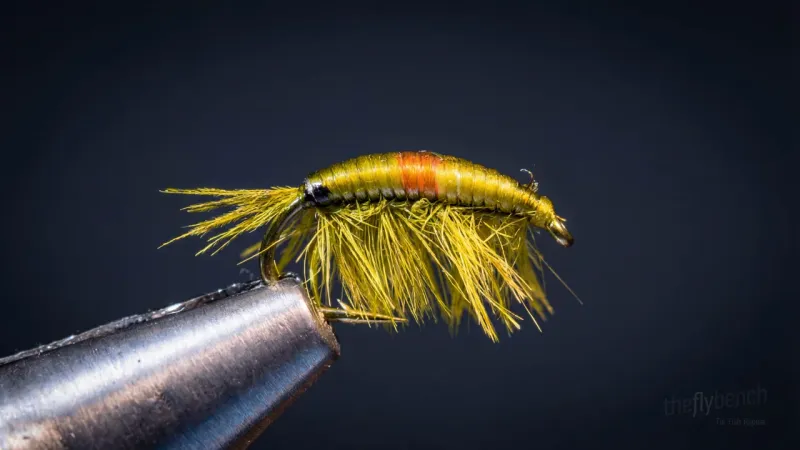
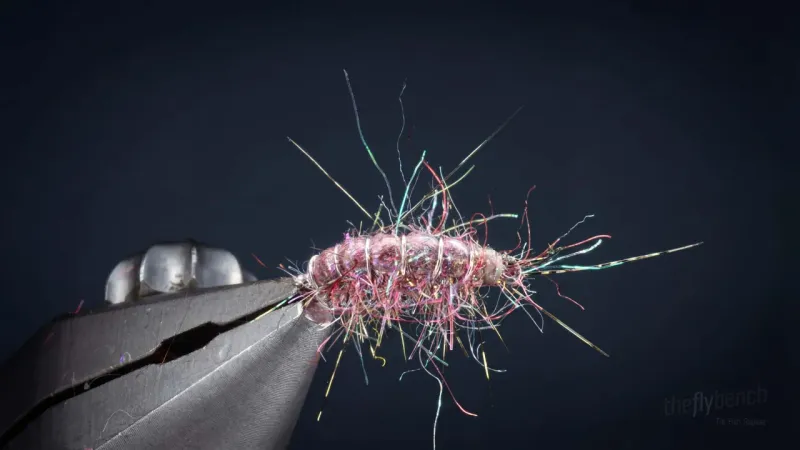
A tailwater-specific sow bug pattern designed for the ultra-selective trout found in dam tailwaters. The slim gray profile with mottled shellback perfectly mimics the isopods that fish feed on daily in nutrient-rich tailwater environments. The small tungsten bead and jig hook ensure quick descents into feeding zones with minimal snagging.
Year Round
Beginner
Trout
Dec 2025
Overview
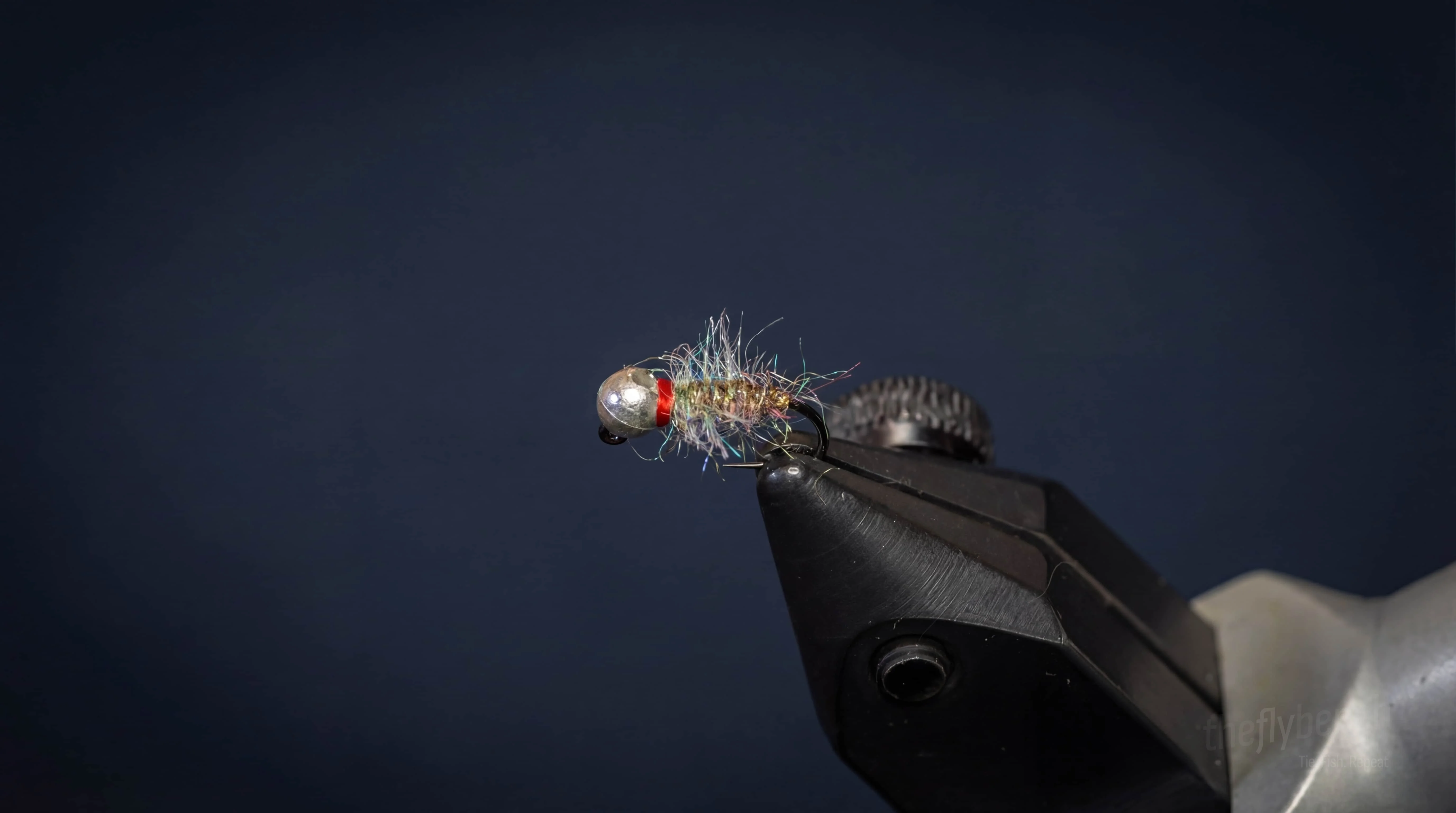
Developed by Fly Fish Food for technical tailwater fishing where trout feed heavily on isopods year-round. The mottled Thin Skin shellback creates realistic segmentation that selective fish recognize. The jig hook design allows the fly to ride hook-point up, reducing snags on rocky tailwater bottoms. Gray colorations match the natural hue of most sow bugs found in alkaline waters.
Where to Buy This Fly
We only link to fly shops we trust. Some links are referral links, which may earn us a commission at no extra cost to you.
Materials
- Hook:
- Hanak H 400 BL Jig Hook, #16
- Thread:
- UTC Ultrathread 70 Denier, gray
- Bead:
- Hanak Round+ Slotted Tungsten Beads, 2.5mm, silver
- Body:
- Hare's Ear Dubbing, gray
- Shellback:
- Thin Skin, gray mottled
- Rib:
- UTC Ultra Wire, silver, small
Behavior & Presentation
Natural Behavior: Isopods crawl methodically across dam tailwater bottoms grazing on algae, occasionally releasing grip and drifting downstream in current. Selective trout key on sowbugs during winter and between hatches when insect activity diminishes.
Where Trout Eat It: Fish feed along bottom in riffles, runs, and pool tail-outs at 2-6 foot depths in alkaline tailwaters.
How to Fish It: Dead drift along bottom using euro or tight-line techniques, with subtle lifts and drops triggering hesitant strikes.
Best Water: Target riffles with rocky substrate, runs in tailwaters, and pool tail-outs where sowbugs naturally drift.
Strike Type: Subtle sag or slight pause in drift indicates delicate takes on bottom-drifting isopods.
Fishing Strategy
Rigging Suggestions: 9-12ft 5X-6X leader for technical presentations. Ideal as point fly in euro rigs with lighter pattern as dropper. Can be fished alone under small indicator in slower water. No additional split shot needed due to tungsten bead weight.
Seasonal Timing: Effective year-round in tailwaters, especially productive during winter and early spring when aquatic insect hatches sparse and trout focus on crustaceans. Peak effectiveness occurs in cold water periods (December-March) when sow bugs are primary food source. Best during midday when fish hold in deeper runs because tailwater trout retreat to thermal refuges.
Pro Tips: 2.5mm tungsten bead sinks quickly to depth, reaching bottom zone in 2-4ft water within seconds. Gray coloring provides excellent camouflage against rocky bottoms while remaining visible to feeding trout. Jig hook design causes fly to ride hook-point up, maintaining natural horizontal posture mimicking crawling sow bugs.
Entomology
Isopods crawl methodically across dam tailwater bottoms, grazing on algae and organic matter while occasionally releasing their grip and drifting downstream in the current. Selective tailwater trout key on sowbugs during winter and between hatches because these abundant crustaceans offer reliable sustenance when insect activity diminishes in cold water.
- Organism Type
- crustacean
- Life Stage
- general