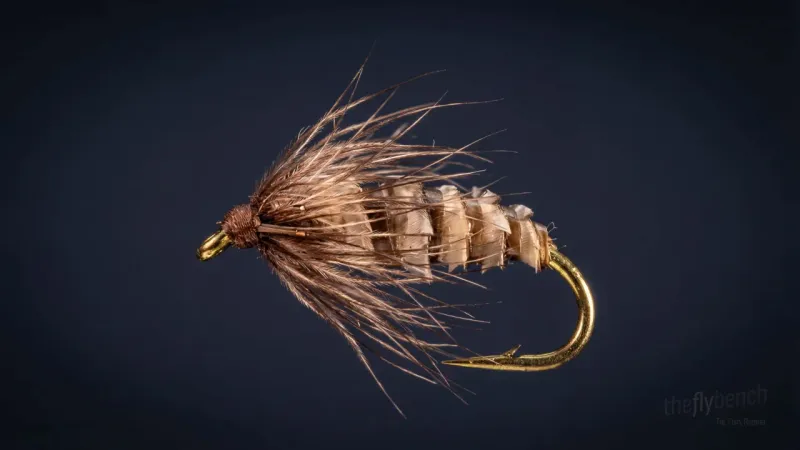
Scud / ShrimpRay Charles Sow Bug
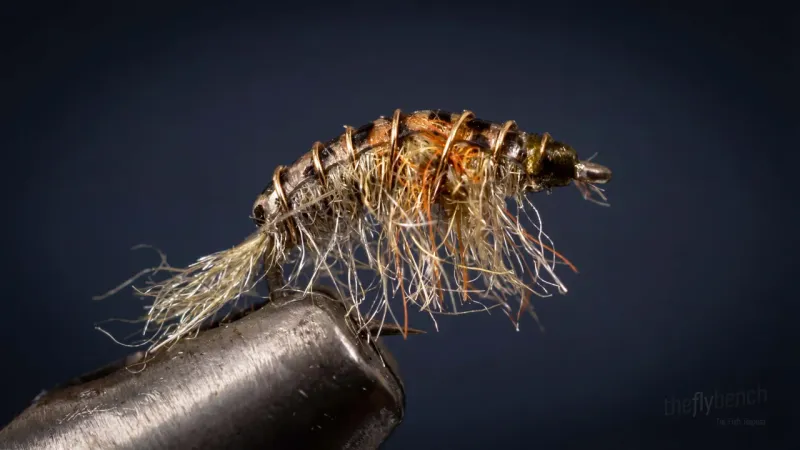
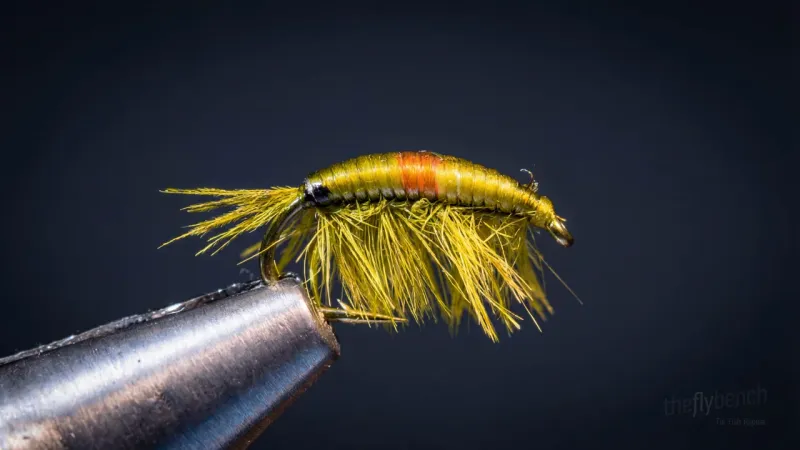
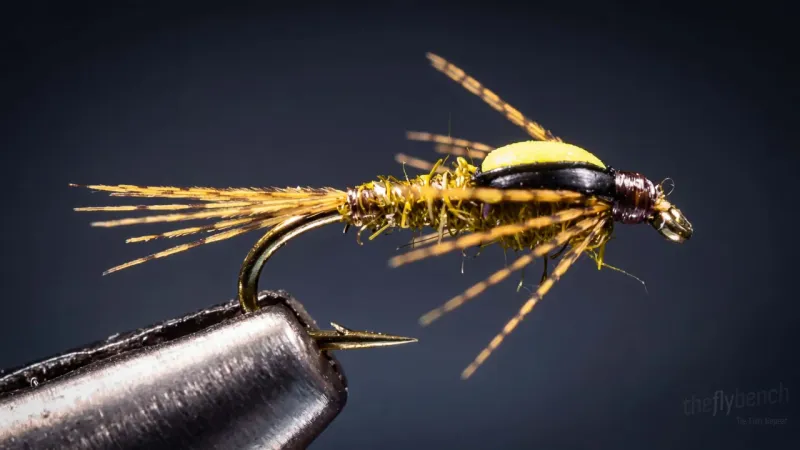
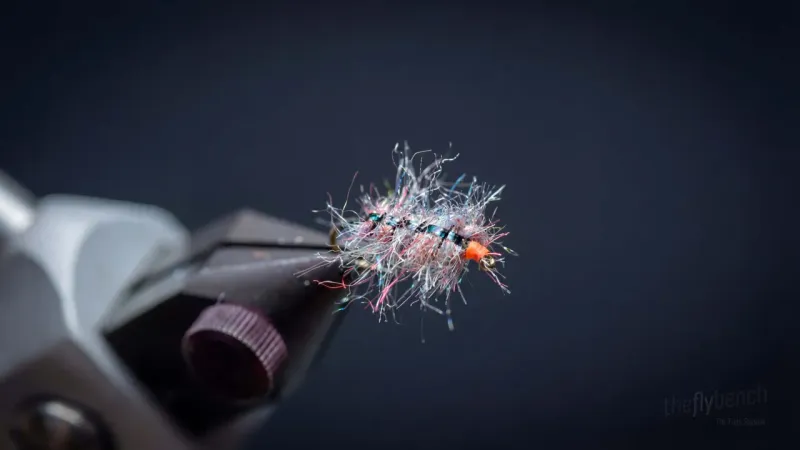
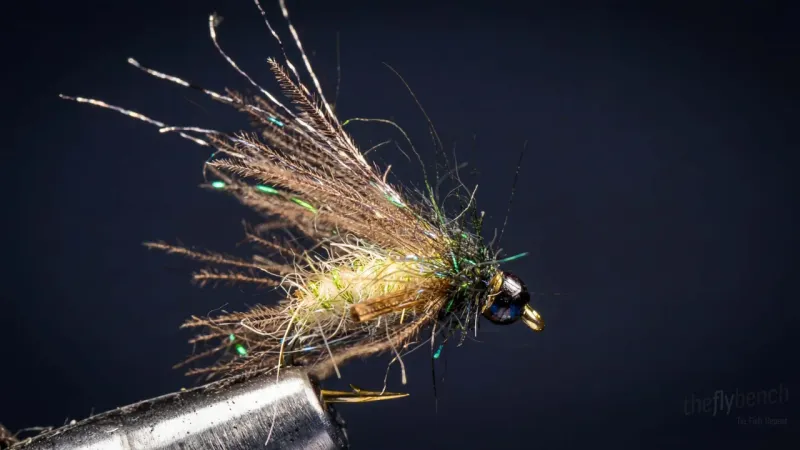
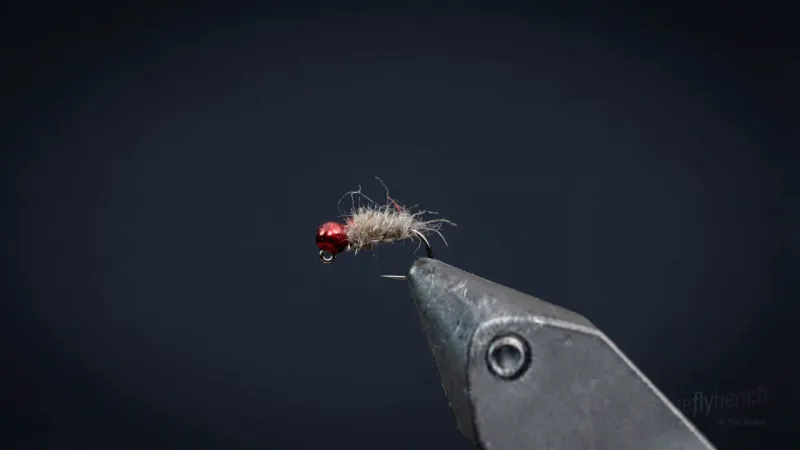
The Ray Charles Sow Bug is a simple yet incredibly effective pattern that imitates a sow bug, a favorite food of trout in many tailwaters. It can be tied in several colors to match the naturals and can be fished year-round.
Year Round
Beginner
Trout
Apr 2025
Overview
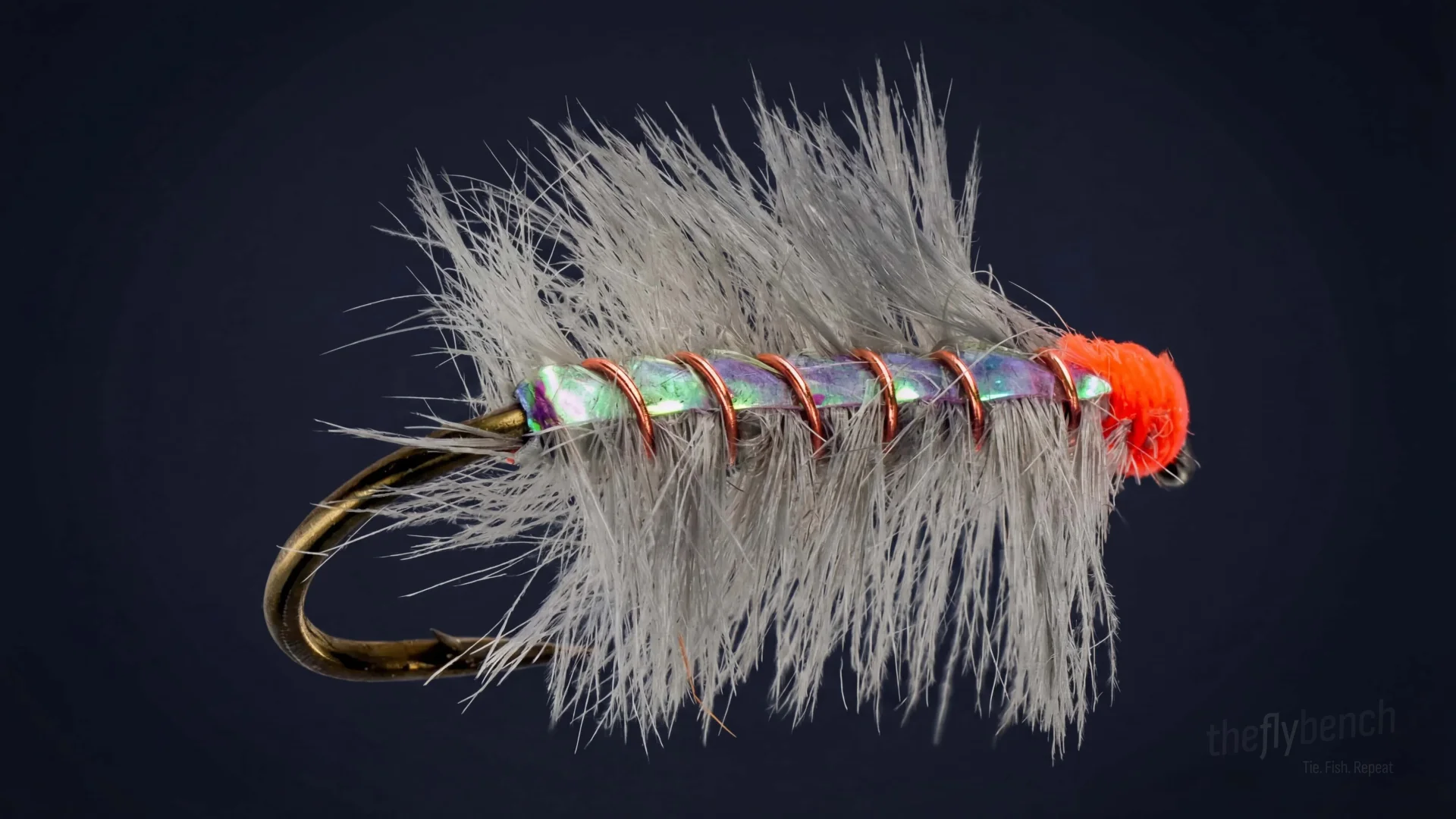
A simple sow bug pattern using soft dubbing like Hare's Ear, with a mono rib for segmentation and a natural, buggy appearance. Often tied with a slight humpback profile and in pale gray, tan, or pink. A staple in tailwater nymph boxes.
Where to Buy This Fly
We only link to fly shops we trust. Some links are referral links, which may earn us a commission at no extra cost to you.
Materials
- Hook:
- Tiemco 100, sizes #14-#18
- Thread:
- Fl. Fire Orange UTC 70
- Body:
- Grey or Tan Ostrich Herl
- Casing:
- Medium or Large Pearlescent Tinsel
Behavior & Presentation
Natural Behavior: These armored crustaceans grip tightly to rocks and vegetation but occasionally lose their hold, tumbling helplessly along the bottom with their soft undersides exposed. Their abundance in spring creeks makes them reliable forage despite their protective shells.
Where Trout Eat It: Fish feed near the bottom in spring creeks and tailwaters at depths of 2-5 feet along weed beds, rocky substrate, and undercut banks.
How to Fish It: Dead drift along the bottom using tight-line Euro nymphing or under a small indicator, keeping the fly in contact with substrate.
Best Water: Target weed beds, undercut banks, rocky bottom structure, and vegetation edges in spring creeks and tailwaters.
Strike Type: Detect steady pulls or weight as fish mouth the pattern. Takes are often gentle pickups near bottom.
Fishing Strategy
Rigging Suggestions: Use 5X-6X fluorocarbon tippet with 9-12 foot leaders. Fish as a single fly on a Euro rig or as a dropper 12-18 inches below a slightly heavier anchor fly. Minimal weight is needed due to the pattern's low profile and natural sink rate.
Seasonal Timing: Effective year-round from January through December, with peak productivity during early months (December-March) when other aquatic insects are less active and trout focus on crustaceans as primary food sources.
Pro Tips: The natural gray coloration and segmented body accurately imitate real sowbugs crawling along substrate. Sizes 14-18 match most natural populations. Fish slowly and methodically through productive lies as sowbugs don't move quickly.
Entomology
Sowbugs cling to rocks and aquatic vegetation in spring creeks and tailwaters, occasionally becoming dislodged by current and tumbling helplessly along the bottom. Fish consume these armored crustaceans opportunistically when they drift past, as their soft undersides provide accessible nutrition despite their hard dorsal shell, and their abundance in certain waters makes them a reliable food source.
- Organism Type
- crustacean
- Life Stage
- general